Why Your Cat Is Hiding Under the Bed: 9 Vet-Reviewed Reasons & Tips


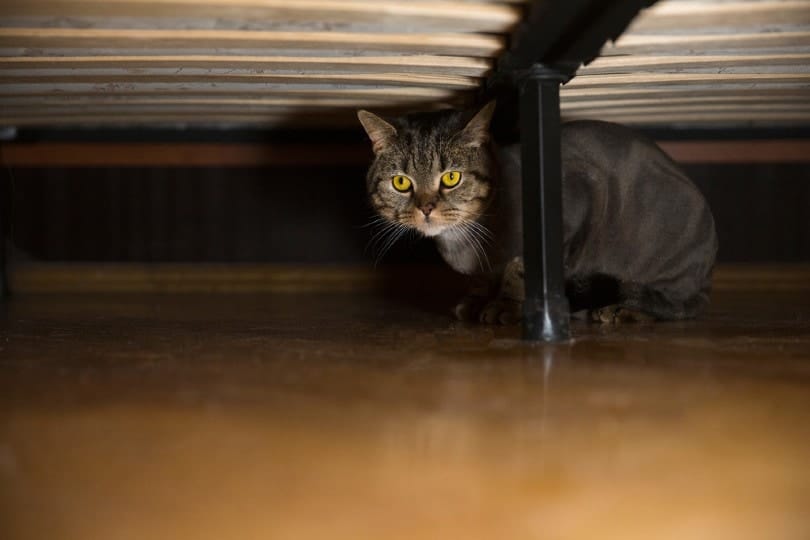
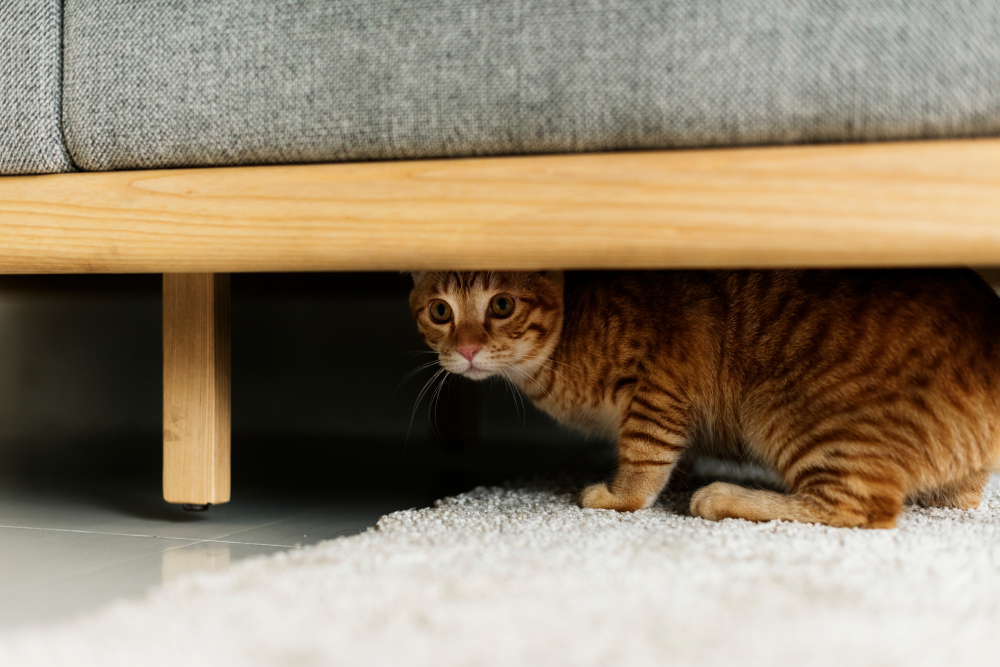
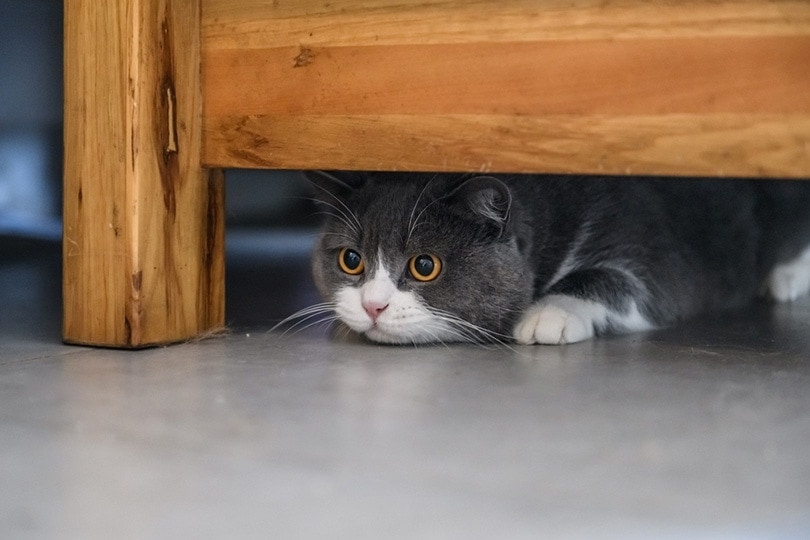
Cats are interesting creatures. They can be crabby, interactive, standoffish, or comical. It can be challenging to decipher why a cat does what they do, especially regarding things like hiding under the bed. So, why would your cat hide under the bed? There are seven common reasons to consider.

The 9 Reasons Why Your Cat May Be Hiding Under the Bed
1. They’re Doing It Out of Fear
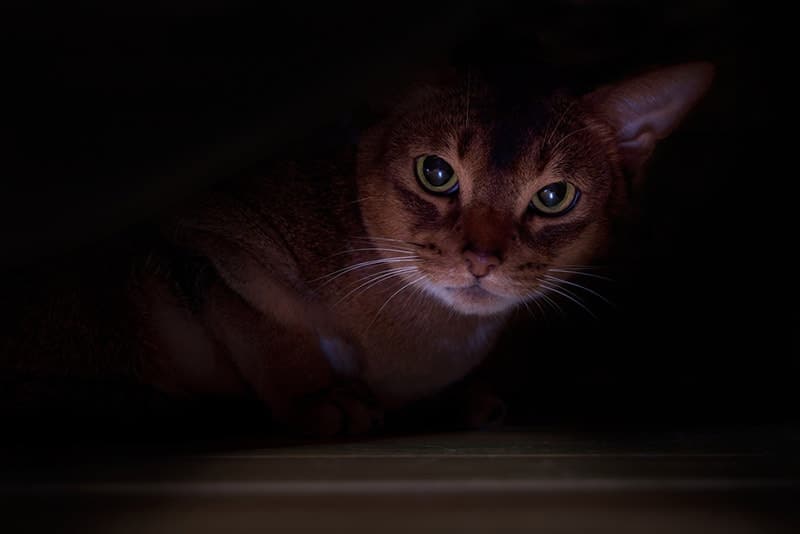
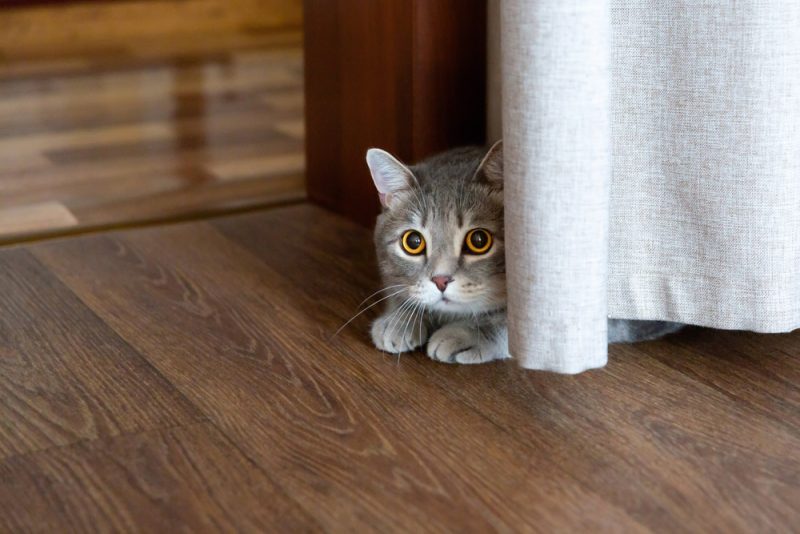
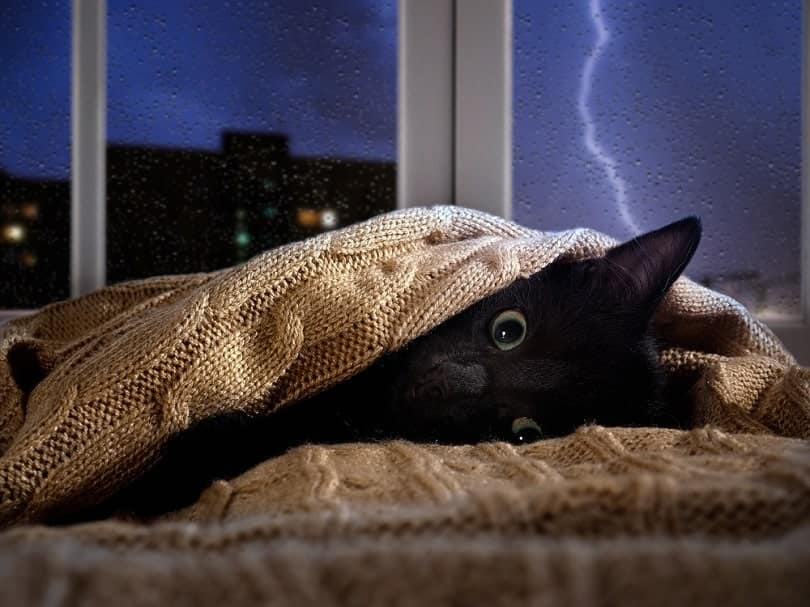
The most common reason a cat hides under the bed is that they are afraid of something. You might notice that an unusual noise causes your kitty to make a run for the bed and hide underneath until they are sure the coast is clear. Maybe your cat hides under the bed when a thunderstorm is bothering them. Even the sound of a doorbell can make a cat run for cover. At other times, another pet or stranger might be scaring your pet into hiding.
What You Can Do About It
The most helpful thing that you can do to keep your cat from hiding under the bed out of fear is to try to keep things that scare them to a minimum. If your cat is afraid of the doorbell, put a sign on your door that asks people to knock lightly instead.
If they don't like it when you vacuum, put them in a room and close the door so the noise doesn't scare them as much. Projects that make a lot of noise should be done outside so they don't scare your cat.
Another way to tackle this issue is to reward your cat when they seem to take a slightly more “brave” approach by trying to explore whatever it is that’s bothering them instead of just hiding. However, this shouldn’t be forced onto your cat, as a cat that is terrified will not appreciate being coerced into a situation they don’t appreciate.
Conflicts with other pets, especially other cats, often require the input of a cat behaviorist or a veterinarian.
2. They’re Doing It for a Sense of Security
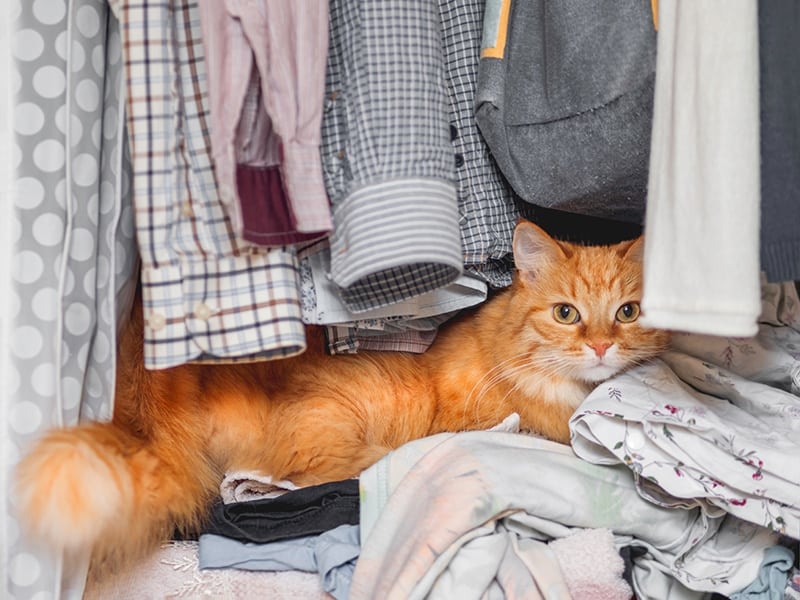
Your cat might be hiding under the bed to get a sense of security while they nap. Cats like caves and other dark places because they don’t have to feel like they must sleep with one eye open to maintain safety.
Being under the bed may give them the security that they need to know that they can get a good nap without worrying about trouble. They may do it when nobody is home and the house is quiet.
What You Can Do About It
Unless you don’t want your cat under your bed, there is no reason to stop them from hiding under the bed just to get a sense of security. If you keep items under your bed that you don’t want your cat near, or you just don’t want them under the bed, try providing them with a cozy, dark spot to sleep in of their own.
You can turn a cardboard box into a hiding spot or purchase a cave bed for them to climb in during nap time.
3. They’re Doing It Because They’re Anxious
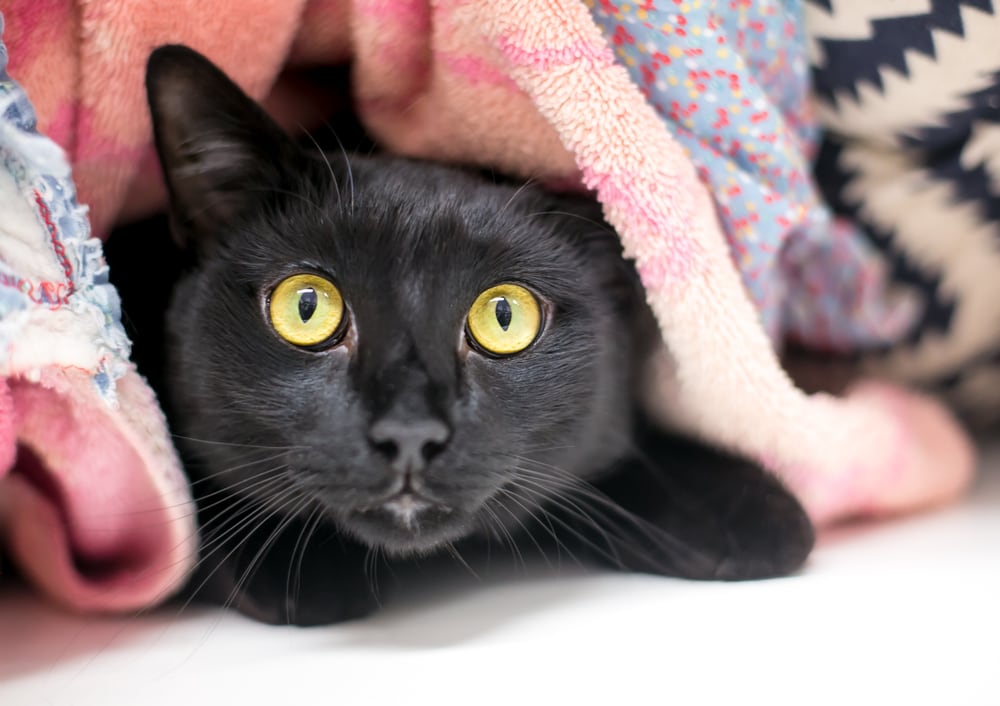
An anxious cat may try to find solace under the bed where they can be alone and enjoy a quieter atmosphere. Stress and anxiety can be caused by various things.
Being left alone for longer periods than your cat is used to might make them anxious and feel like hiding under the bed, even after your return. Any change in the routine can create stress or anxiety in your cat and cause them to find a hiding spot. Under the bed happens to be an awesome spot!
What You Can Do About It
If your cat shows other signs of stress and anxiety, such as a change in appetite, urinating on the floor, or clinginess, chances are that their habit of hiding under the bed is due to stress or anxiety. If that is the case, it’s important to see a vet and determine what is causing the anxiety so it can be addressed. That way, you have a chance of getting your cat to stop hiding under the bed.

4. They’re Doing It Because They Feel Sick
When a cat doesn’t feel well, they try to hide away from everyone so they can rest and heal. An ill cat typically displays signs of illness other than hiding under the bed, such as losing their appetite, lethargy, and a general look of unease.
If you think your cat is unwell, you should seek veterinary care for them. Remember that for many ailments, earlier interventions tend to come with shorter recovery periods and a better prognosis.
What You Can Do About It
If your cat seems ill and won’t come out from hiding under the bed, it’s important to see a veterinarian as soon as possible. There could be an ailment or illness brewing that could potentially get much worse if left unchecked.
5. They’re Doing to Stay Away From Visitors
Sometimes, cats like to hide under the bed to escape visitors who come to your home. If your cat isn’t interactive with people other than household members, you can be sure that visitors are the reason for their departure to the dark space in your bedroom.
What You Can Do About It
You can’t force your cat to interact with visitors. In some cases, you can close your bedroom door so the cat can’t get under the bed, provided your cat has another safe space to retreat to (such as their own cat room).

6. They’re Doing It to Get Away From “Chaos”
Another reason your cat might be hiding under the bed is because they want to escape the household “chaos.” Whether it’s arguing with kids, a teenager and their friends singing karaoke in the living room, a dinner party with neighbors, or a football game playing loudly on the television, it could all be too much for your furry friend.
What You Can Do About It
The only way to keep your cat from escaping to the bed is to keep the chaos to a minimum. Ensure your cat has a quiet place to go to other than the bedroom when things are chaotic. If chaos erupts unexpectedly, try to comfort your kitty with cuddling and petting until everything subsides.
7. They’re Exploring
Cats are naturally curious and sometimes may just choose to hang out under a bed as part of their exploration antics. They’re instinctively territorial and like to know their territory in and out. Your cat might simply be going under a bed as part of a natural exploration session.
What You Can Do About It
Understand that your cat’s natural instincts lead them to curious endeavors like this. There’s no need for intervention in this scenario.

8. They’re Playing
Cats can quickly learn that a bed can provide them with some cover. A cat that’s playfully chasing another cat, toy, or you during a play session might sometimes go under a bed in an attempt to hide themselves while preparing for an ambush on their target. Cats are ambush predators, and a bed may provide your cat with just the right amount of cover they require to get close to their target.
What You Can Do About It
Unless your cat is causing excessive amounts of distress or fear to another pet or person from their playful antics, there’s no need to consider this a problem that needs to be addressed. If you realize your cat enjoys hiding while they play, you can make their play sessions more interactive by placing several “barriers” for them during the session, such as cushions, pillows, or chairs.
9. They’re Doing It Because They’re Nearing the End of Their Life
At times when a cat knows they are nearing the end of their life, they may want to find a dark and comfortable place to pass away on their own terms. This theory is somewhat anecdotal; however, it is plausible, as cats do like to isolate themselves when they’re unwell.
What You Can Do About It
Call your veterinarian for expert guidance and advice. They may recommend a medication to help make your kitty feel more comfortable. Spend as much time as possible with your cat, offering love and affection whenever possible. Ensure their food and water are kept nearby and the room is nice and warm.

Conclusion
There are many reasons that your cat might be hiding under the bed. The trick is to figure out the reason so you can address it while keeping in mind that sometimes a cat under a bed is nothing to worry yourself about.
Hopefully , this list will help you identify why your kitty likes staying under your bed and enable you to correct the issue. When dealing with something out of the ordinary (such as a suspected illness or a stressed cat), you should take your cat to the vet for a thorough examination and advice for dealing with their hiding habit.
See Also:
Featured Image Credit: ivSky, Shutterstock

Expert cat care, straight to your inbox
Vet-reviewed advice, behavior tips, and the best of Catster. Free, and you can unsubscribe anytime.
By signing up, you agree to our Terms & Conditions and Privacy & Cookies Policy.
Rachael has been a freelance writer since 2000, in which time she has had an opportunity to research and write about many different topics while working to master the art of fusing high-quality content with effective content marketing strategies. She is an artist at heart and loves to read, paint, and make jewelry in her spare time. As a vegan, Rachael is obsessed with helping animals in need both in her community and anywhere in the world where she feels she can make a difference. Animals also happen to be her favorite topic to write about! She lives off the grid in Hawaii with her husband, her garden, and her rescue animals including 5 dogs, a cat, a goat, and dozens of chickens.
Join the conversation
Ask a question, share your story, or send private feedback.