Why Do Cats Like Hiding in Dark Places? 5 Vet-Reviewed Reasons


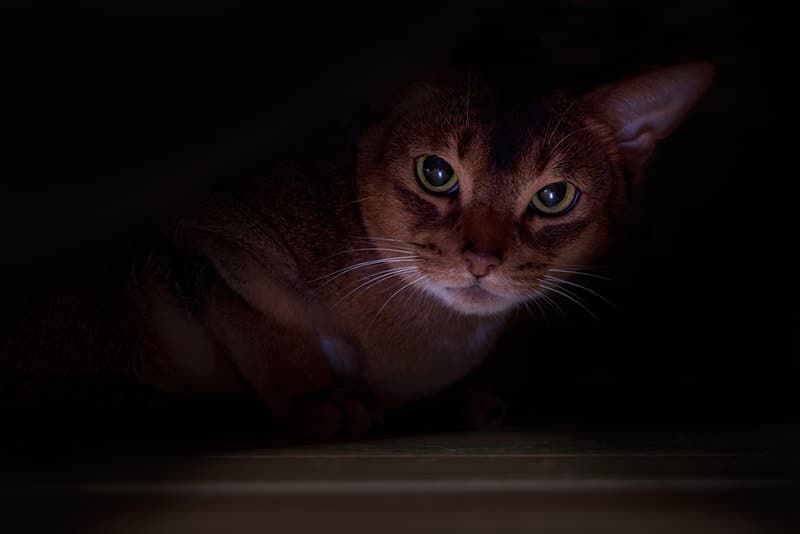
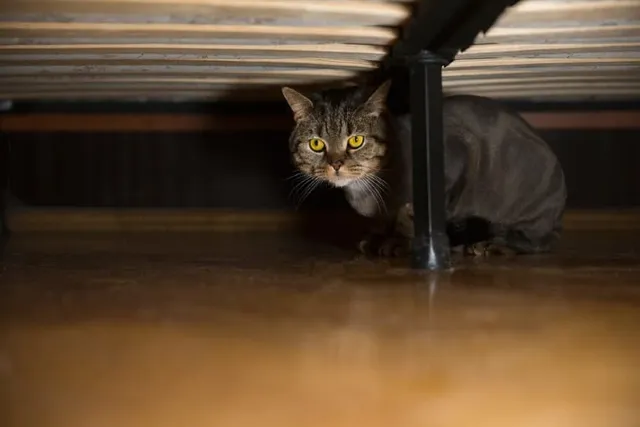
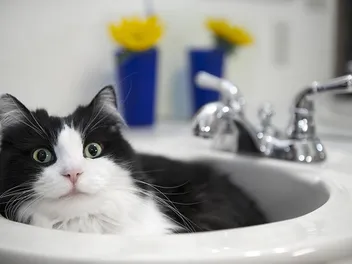
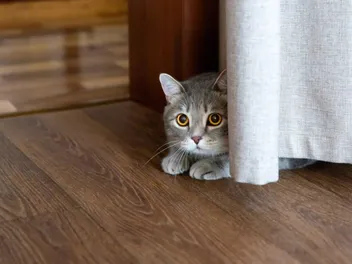
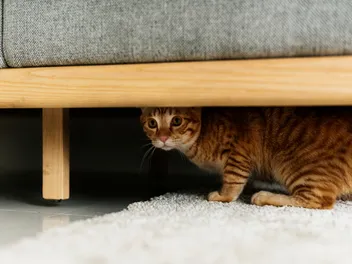
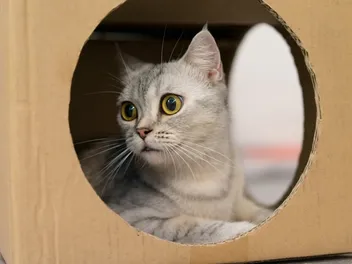
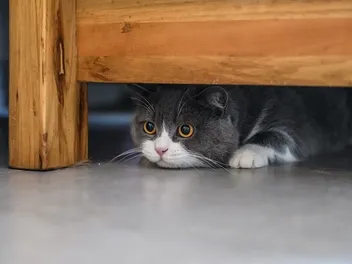
Cats love to hide behind furniture, in boxes, and under just about any object they can fit beneath. They are so stealthy you may find yourself shaking a bag of treats just to ensure they’re still in your house! But have you ever wondered why your feline companion often puts themselves in small, dark spots?
Worry not, cat fans—hiding in dark places is often considered normal behavior! There are many interesting reasons why your cat is a hide-and-seek champion, so read on to learn more.

The 5 Reasons Why Cats Like to Hide in Dark Places
1. Your Cat’s Natural Instincts
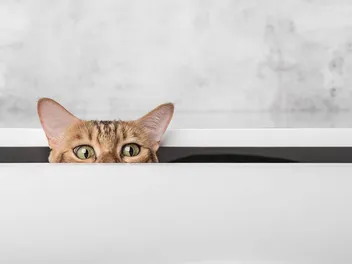
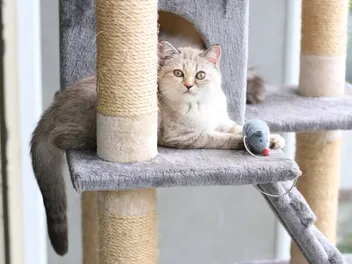
Cats are natural hunters, and any good hunter knows the appeal of the element of surprise! Your kitty finds these spots to be excellent vantage points to stalk their prey from, and it all dates back to their ancestors’ wild escapades in the forests hunting mice, voles, and other small critters. Your cat, however, might be stalking a toy on the floor, a dust bunny, or your toes.
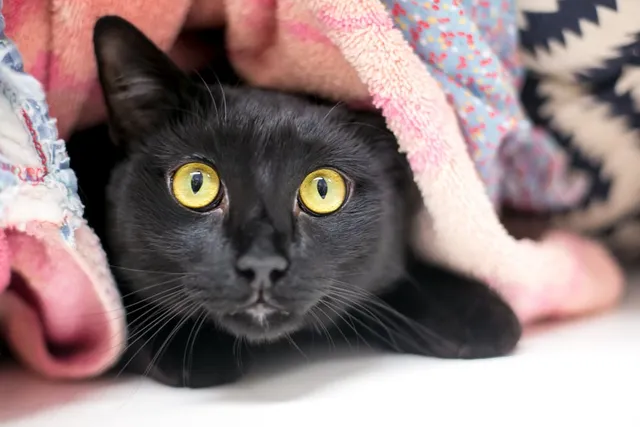
If your cat seems to be darting in and out of hiding places, this is probably what’s going on. Of course, some cats just like to hide and pretend to stalk their prey. Sometimes, hiding is just as fun as catching. Therefore, don’t be surprised if your cat just hides and stares out with big, dilated eyes.

2. It’s Not “Dark” for Them
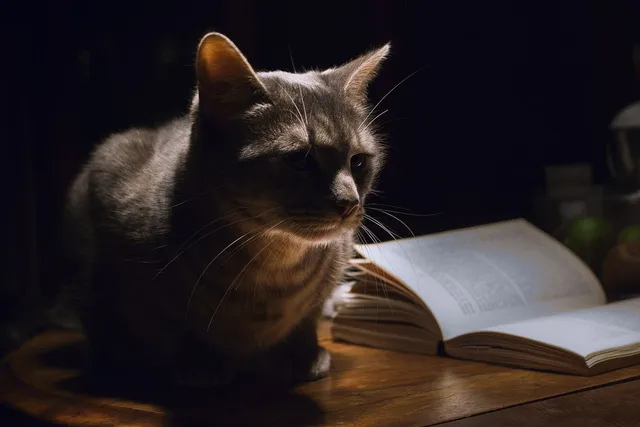
Did you know cats have a completely different view of the world than humans? A cat’s eye perceives light much differently than ours. A cat’s retina has more rod receptors (they’re sensitive to light, movement, and shape) than cone receptors (sensitive to color). Cats also possess a structure within each eye known as a tapetum lucidum, which further enhances their ability to see in dimly lit environments.
This means that even though we may think our cats are hiding in “dark” places, our cats might not perceive the place as dark given how they can still see their surroundings in such a spot. Cats cannot, however, see in pitch blackness, as they do need some light to visualize their surroundings.
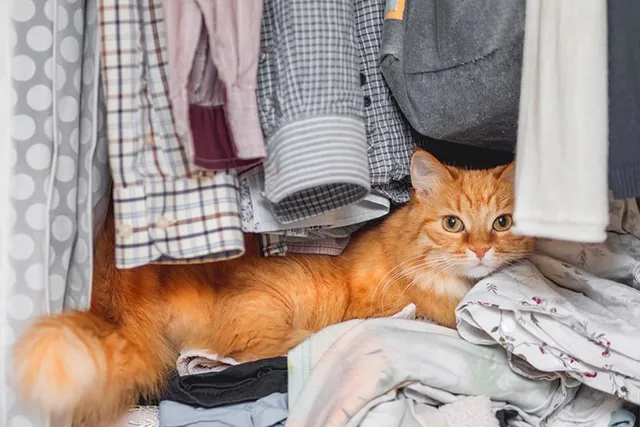
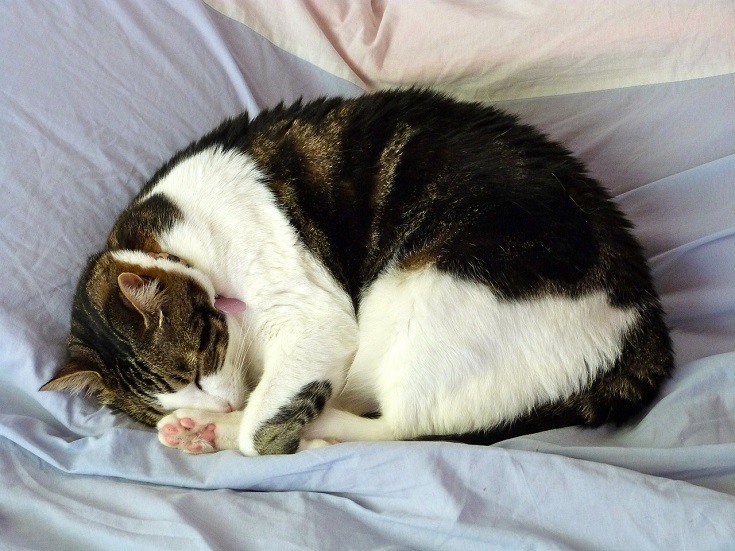
Cats may hide in dark places when trying to sleep. Just like you, cats prefer to sleep when it is dark, even though they often sleep during the day. Cats often like to feel cozy when they’re napping, too. For a cat, that means finding an enclosed, comfortable space to hide in.

3. You Can’t Disturb What You Can’t Find
Do you like waking up every 5 minutes while trying to nap? No? Well, neither does your cat. Cats love to take naps during the day. Every time something disturbs your cat during the day, they wake up to respond, just like they would in the wild—and many false alarms could be annoying, you know? To get around this, your cat might nap somewhere warm and dark where they’re less likely to be bothered.
Cats often find sleeping places that are out of the way, and you can’t get more out of the way than underneath a bed. This behavior isn’t a sign that they don’t like you (or anyone else). Sometimes, cats just want to sleep.
4. Your Cat Is Unwell
If your formerly “normal” cat has suddenly taken a liking to dark hiding places and seems to be avoiding their favorite bed or former resting place, it might hint that your cat is unwell. Cats are known to instinctively try and mask their illnesses. A cat that is suddenly isolating themselves from you and hiding in a dark place all the time might in fact be unwell. If you suspect that this is the case with your cat, seek help from your veterinarian.
5. Safety Is Key
Many animal behaviors revolve around safety, and this one is no exception. Cats don’t only hide to get the jump on prey or avoid being disturbed—they may also hide to avoid their own predators. Cats are often hunted by wolves, foxes, large birds of prey (think hawks or owls), and even other cats! Hiding from those predators is an important survival instinct in and of itself. Many cats enjoy the very act of hiding. It’s a part of play for some cats, while others might have different personalities and might not feel it’s necessary.
When stressed, cats may hide more than usual. Often, this is because their body is in “danger” mode, and one way they try to stay safe is by hiding. As mentioned above, cats that are sick will do the same thing for the same reason. If a cat is sick, they are more prone to falling victim to another predator. Therefore, staying hidden is one of the few ways they can combat this.

Conclusion
Cats are interesting and complicated creatures. While you may find it strange that your cat is often nowhere to be seen, hiding in dark spots is crucial to their well-being. There usually isn’t a reason to worry if your cat is hiding away in dark places. Often, cats just like to hide! It’s a natural behavior that most cats exhibit at least some of the time. You should only get worried if your cat seems to be excessively hiding, as this may be a sign of an underlying illness.
Cats often hide when they are sick, though that doesn’t particularly mean that they’ll hide in dark places. Ask your vet if you think your cat may be hiding a bit too excessively.
Related Reads:
Featured Image Credit: Konstantin Zaykov, Shutterstock
Expert cat care, straight to your inbox
News, insights, and useful advice, delivered to you.

No spam — unsubscribe anytime.
By signing up, you agree to our Terms & Conditions and Privacy & Cookies Policy.
How useful was this post?
Click a star to rate. You can leave written feedback afterwards. (We read all feedback.)
Kristin is passionate about helping pet parents create a fulfilling life with their pets by informing them on the latest scientific research and helping them choose the best products for their pets. She currently resides in Tennessee with four dogs, three cats, two fish, and a lizard, though she has dreams of owning chickens one-day!