Why Do Cats Fake Sleep? 7 Vet-Reviewed Possible Reasons


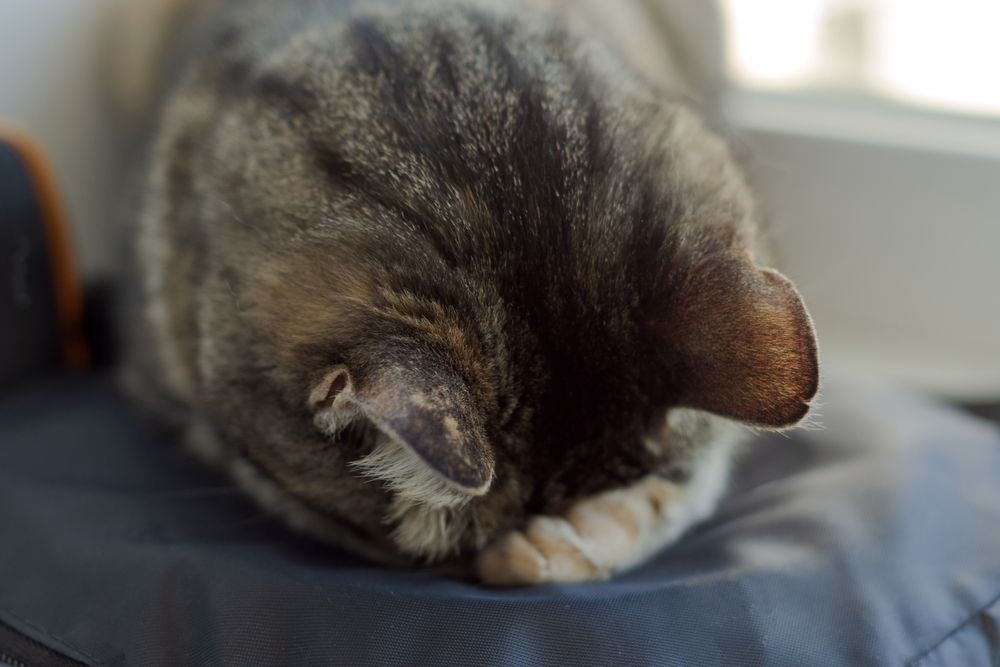
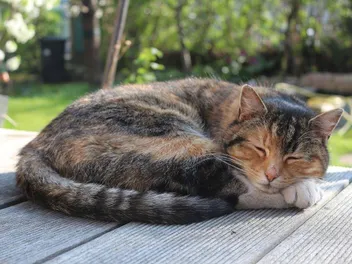
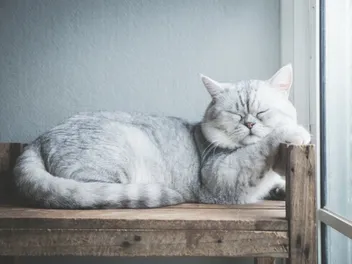
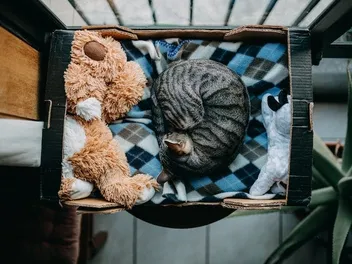
Cats sleep an average of 12 to 16 hours a day, which may seem like a lot of time compared to humans, but the busy little felines need a lot of rest. However, have you ever noticed your cat stretched out in their favorite spot, supposedly sleeping, only to notice that their eyes aren’t fully closed? While your cat may be far away in dreamland, they may actually be in a light sleep state, dozing or even partially alert but resting.

Do Cats Fake Sleep?
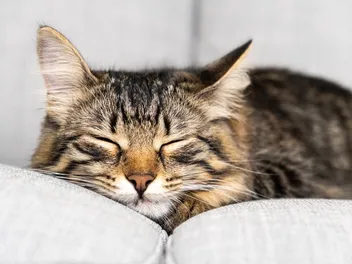
It sounds like bizarre behavior, but cats do not intentionally pretend to sleep. While they may also be resting or taking a catnap, cats will generally enter light sleep with eyes partly open and muscles relaxed but still responsive. This can appear like “fake sleep,” but in reality, they remain partially alert.
It’s a strange concept that requires research, but a few sensical theories can explain this behavior.

The 7 Reasons Why Cats Appear To “Fake Sleep”
1. It Is a Natural Defense
Cats may rest lightly with eyes partly open as a natural defense mechanism against predators. They will get into their favorite position and appear asleep, yet remain alert and ready to pounce. This may help predators lose interest; your cat is ready to defend their position if they don't.
It may also be a defense for an over-excited pet or child who may want to play, but your cat is not in the mood. Remaining still with eyes partially closed can make them lose interest and leave your cat alone to rest.
2. It Helps With Stress
This can tie in with being a defense mechanism. If you have several visitors, your cat may feel a little stressed and rest lightly or withdraw to avoid interaction. If you have a cat-obsessed child or friend who wants to pet and hold your cat constantly, it could also make your cat feel a bit anxious, and “fake sleeping” can help them relax.
3. They Want to Watch You
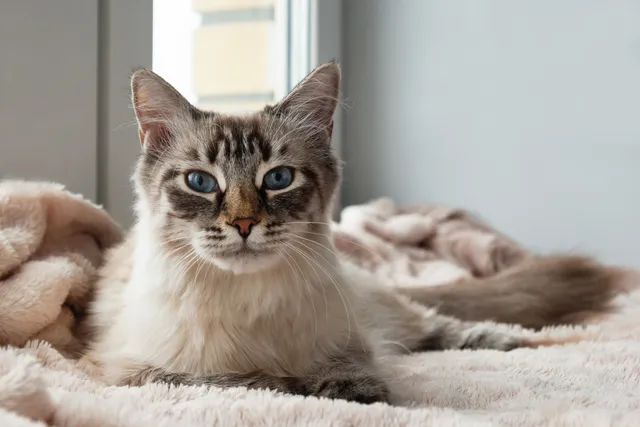
This is a classic example of your cat “sleeping” without fully closing their eyes. They rest while remaining aware of their surroundings. You may even notice the nictitating membrane (third eyelid) partly visible during light sleep.
They may want to keep an eye on you without encouraging interaction, and “fake sleeping” is a great way to do it.
This makes sense since cats are very curious creatures, so if a new person is in the house, it is also a good way for them to monitor them without interacting.

4. They are Trying to Access Your Food
Cats may rest lightly nearby while you prepare food, appearing to sleep but actually staying aware of an opportunity to eat. When you move away or are not looking, that is their opportunity to investigate or ask for food.
So, don’t be fooled! Next time your cat seems asleep near the dinner table, remember they may be watching for a chance at a snack.
5. Your Cat May Be Conserving Energy
Cats use plenty of energy when they play and hunt, so it only makes sense that they need a lot of rest. It may not be the best time for a nap, but they need a moment to rest without being disturbed, so “fake sleeping” or resting lightly is a great way to do that. A little rest can go a long way, so once they are done, they are ready to dart off again in their quest to hunt or play.

6. Your Cat Could Be Catnapping
Cats often catnap for 15–30 minutes to rest their bodies and minds. During a catnap, they doze off but won’t fall into a deep sleep. This allows them to be alert to potential threats and react quickly if needed.
During a catnap, their eyes aren't always fully closed, and you'll notice some movement, which may lead you to believe that they are “fake sleeping”, but their only intention, in this case, is to get rest.
8. Your Cat May Be Choosing Not to Engage
Your cat may remain in a light resting state or “fake sleeping” to limit interaction. But don’t worry, if your cat ignores you, you most likely didn't do anything to deserve it. Independent kitties occasionally need alone time. It's a good idea to give your cat space when they are resting, but don't worry; they'll come looking for you when they need attention.
How to Tell If Your Cat Is Actually Sleeping or Faking It
It can be tricky to tell if your cat is resting, catnapping, or sleeping, but there are a few ways to help you distinguish which behavior is occurring.
1. Look at Your Cat’s Position.
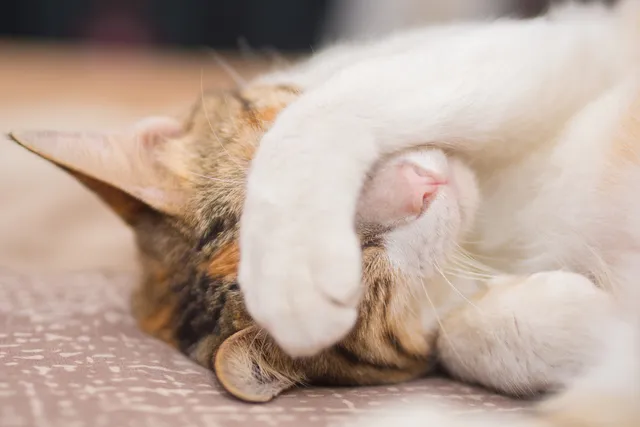
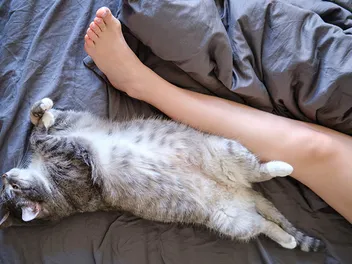
If they're stretched out and limp, they may be in a deep sleep. Exposing their stomach is a vulnerable position, and if the tummy is exposed, they're most likely relaxed and content to sleep.

2. Take a Look at Your Cat's Paws
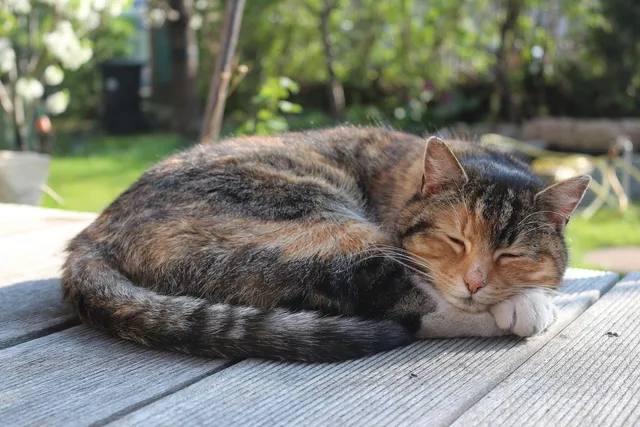
If your cat is on their stomach with their paws not fully tucked, but their head is upright, they may be lightly dozing or just resting. This position allows them to stay alert and ready to escape a potential threat.
3. Deep Sleep Is Usually Accompanied by Deep Breathing.
If your cat's breathing is shallow and inconsistent, it is most likely because they're not in a deep asleep. However, irregular breathing and twitches can be normal during REM sleep or light dozing.

4. If You Make a Subtle Noise, a Cat In Deep Sleep Will Not React.
If your cats’ ears are moving as though they are trying to hear something, they are probably in a light doze and not in a deep sleep state.
Conclusion
What looks like “fake sleep” is usually a catnap, but sometimes your cat appears to sleep for interesting reasons. They may be on the defensive to keep interactions or predators away, or plotting to swipe something off your plate.
However, there are times that cats catnap because they need rest, but also need to stay alert. Understanding your cat's body language can help you determine if they are just catnapping or deep sleeping, but either way, it is recommended to give your cat space and perhaps not turn your back on your food!
Featured Image Credit: Dolgikh Dmitry, Shutterstock
Expert cat care, straight to your inbox
News, insights, and useful advice, delivered to you.

No spam — unsubscribe anytime.
By signing up, you agree to our Terms & Conditions and Privacy & Cookies Policy.
How useful was this post?
Click a star to rate. You can leave written feedback afterwards. (We read all feedback.)
Christian started writing for a local newspaper as a teenager, and he's been involved in the publishing industry for most of his adult life. Combining his love of writing with a passion for animals, he is currently the Director of Editorial at Pangolia and the Editor-in-Chief at Catster.
Christian lives in the Philippines with his wife, son, and four rescue cats: Trixie, Chloe, Sparky, and Chopper.