Can a Cat Sense Fear? Vet Reviewed Answer

In this article
We all know that cats do an excellent job of comforting us when we’ve had a rough day. All we need is to sink our fingers into their soft fur and feel their purr rumbling under our hands to feel better. But have you ever wondered if your cat can sense your emotions? More specifically, can they, like dogs, sense fear?
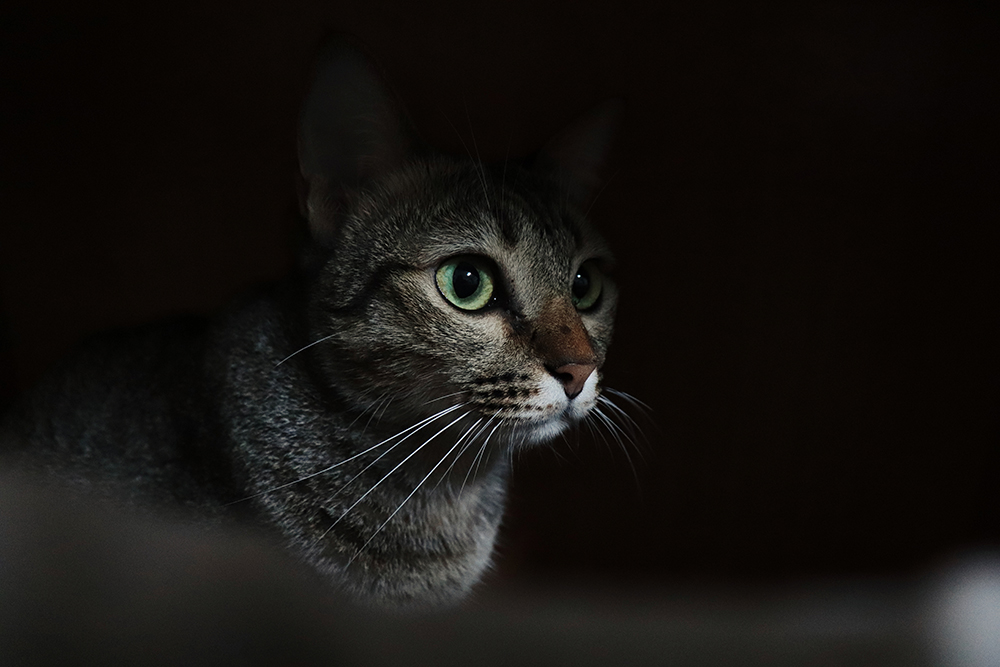
Cats can absolutely sense fear, in addition to other emotions. Below, we'll take a deep dive into a cat’s senses and how they can sense fear.

Can a Cat Sense Fear?
Cats have highly tuned senses that are critical for their survival. They are both predator and prey, and they need to be aware of their surroundings to hunt and avoid animals that are hunting them. They live in a state of mild anxiety most of the time, which puts them on high alert.
When we are fearful, there are several visual and auditory cues that another person won’t likely notice, but a cat will. The most common yet subtle signs and symptoms of fear1 that we exhibit are:

Cats have highly developed senses and can pick up on a few of these signs. They seek emotional cues from us when they are uncertain about a situation. They will see it expressed in your body language, facial expressions, and voice if you are scared, anxious, or tense. Your cat is looking to you as their guardian to know how to best react to the situation.
How Do Cats Sense Emotions?
It’s been researched, discussed, and verified that dogs are sensitive to our emotions. Although numerous studies have been conducted on dogs, few studies have been conducted on cats and human emotions.
One study2 found that cats recognize our emotions and change their behavior depending on their understanding of the emotion we’re experiencing. Cats aren’t as gifted as dogs in that department, but they respond, just in their own way. Their finely tuned senses are what help them determine what mood we’re in.
A Cat’s Senses
Like us, cats have five senses — hearing, touch, taste, sight, and smell — and theirs are exceptional!
Hearing
A cat’s hearing is one of their strongest senses. Their ears can pick up sounds beyond our hearing, including high-frequency (or ultrasonic) tones. The fact that their ears can swivel up to 180 degrees enables them to pinpoint where sounds are coming from.
This extraordinary ability to hear things that many others can’t enables cats to pick up on our emotions. They can recognize our emotional state just based on the tone of our voice and if we are making “angry” or “sad” sounds.
Sight

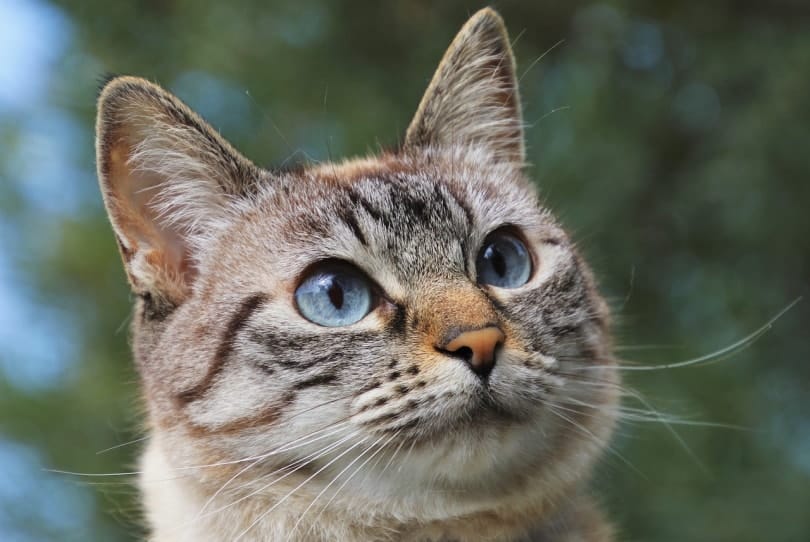
Cats have excellent vision, including night vision, to help them hunt. They can see well in dim light, and their eyesight also lets them pick up on visual cues. They can detect your facial expressions when you feel a specific emotion, though it is a learned rather than an innate talent.
Cats will stay around their owners longer if they see that they are smiling and will show positive behavior in response, like rubbing the person’s legs and purring.
Smell
Cats have excellent senses of smell, which helps them hunt and avoid trouble. When we sweat, particularly the cold sweat associated with fear, we release adrenaline. That is also when the “fight or flight” reaction sets in.
When people are scared, they release a chemical pheromone in their sweat, but it’s unclear if cats can smell it or understand what it means.
Touch

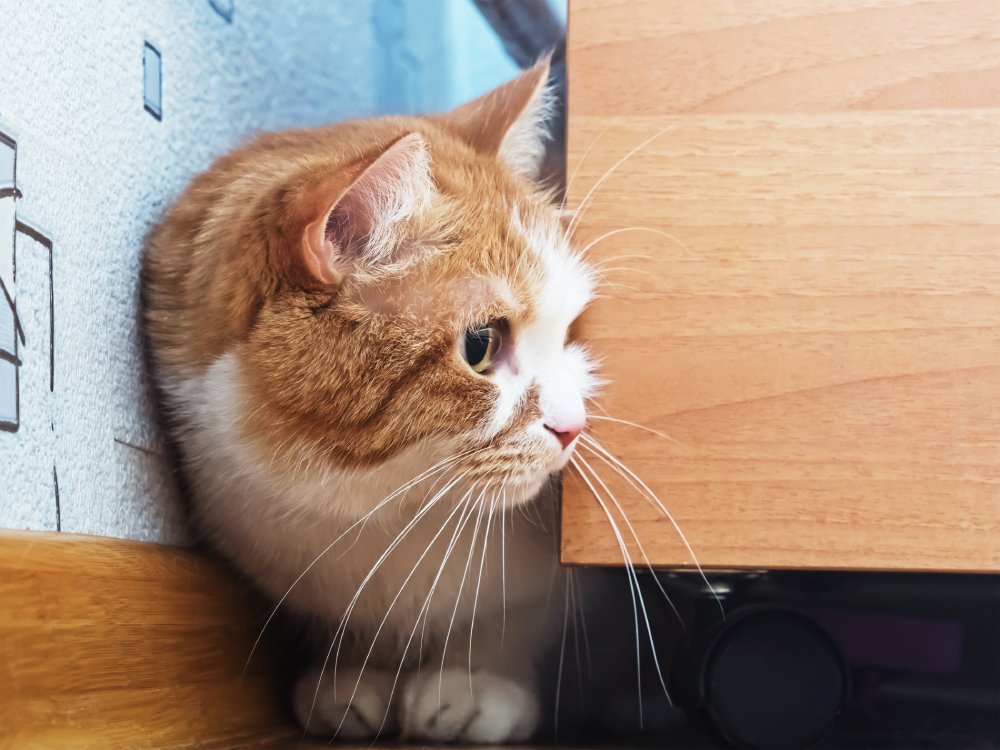
Cats use their whiskers to determine if they can fit into tight spaces, among other uses, and are sensitive to the slightest touch. Their whiskers are connected to their nervous system and can almost be compared to our senses of smell and sight. They are even capable of sensing vibrations in the air!
FAQ
How Will a Cat React If You’re Scared?
It depends on the relationship between you and your cat. It’s possible that your cat will also become frightened (even more so if you’re both reacting to the same thing). One study found that cats could detect when their owners were stressed or anxious and would mirror their owner’s current emotional state.
None of this should be surprising. Cats are sensitive creatures, and if their owner is stressed, it stands to reason that they will feel the same way.

Can Cats Sense Other Emotions?
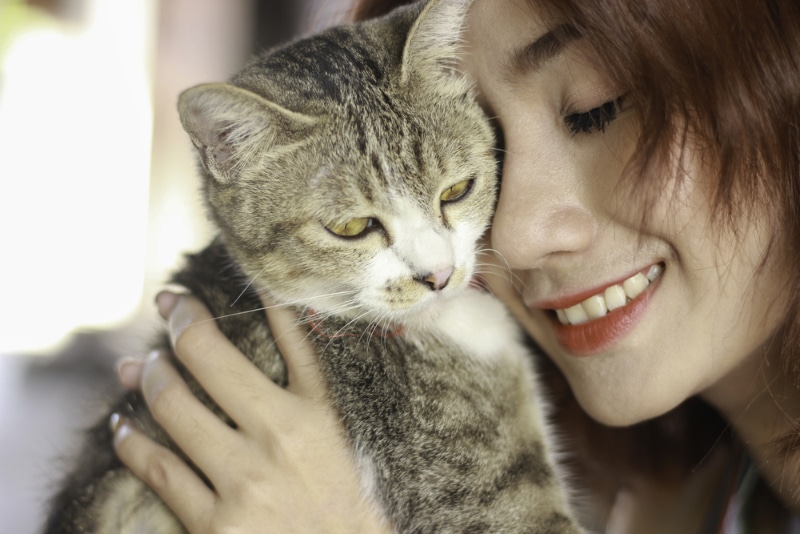
It makes sense that if a cat can sense fear, they can also sense other emotions. They can read our facial cues and body language to figure it out. If someone is feeling depressed and sad, a cat might be more likely to be quiet and low energy, but if the person is happy, they’ll be looking to play.
Cats observe how your eyes change and use information about your gaze, like where you’re looking, to figure out your intentions and mood. One well-known method to tell your cat that you love them is with a slow blink.
Will Cats Protect Their Owners When Threatened?
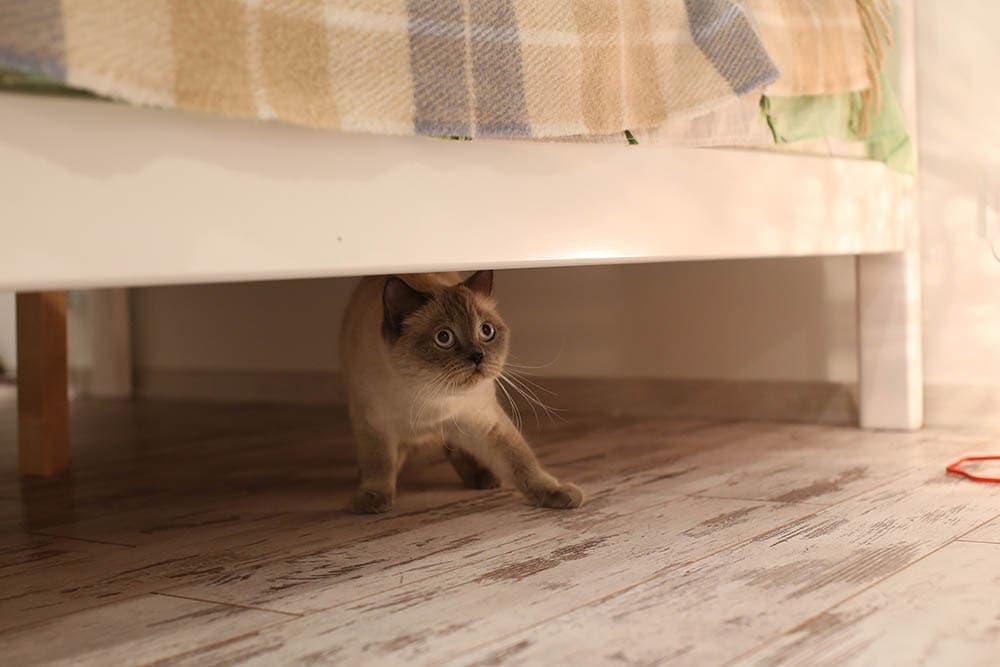
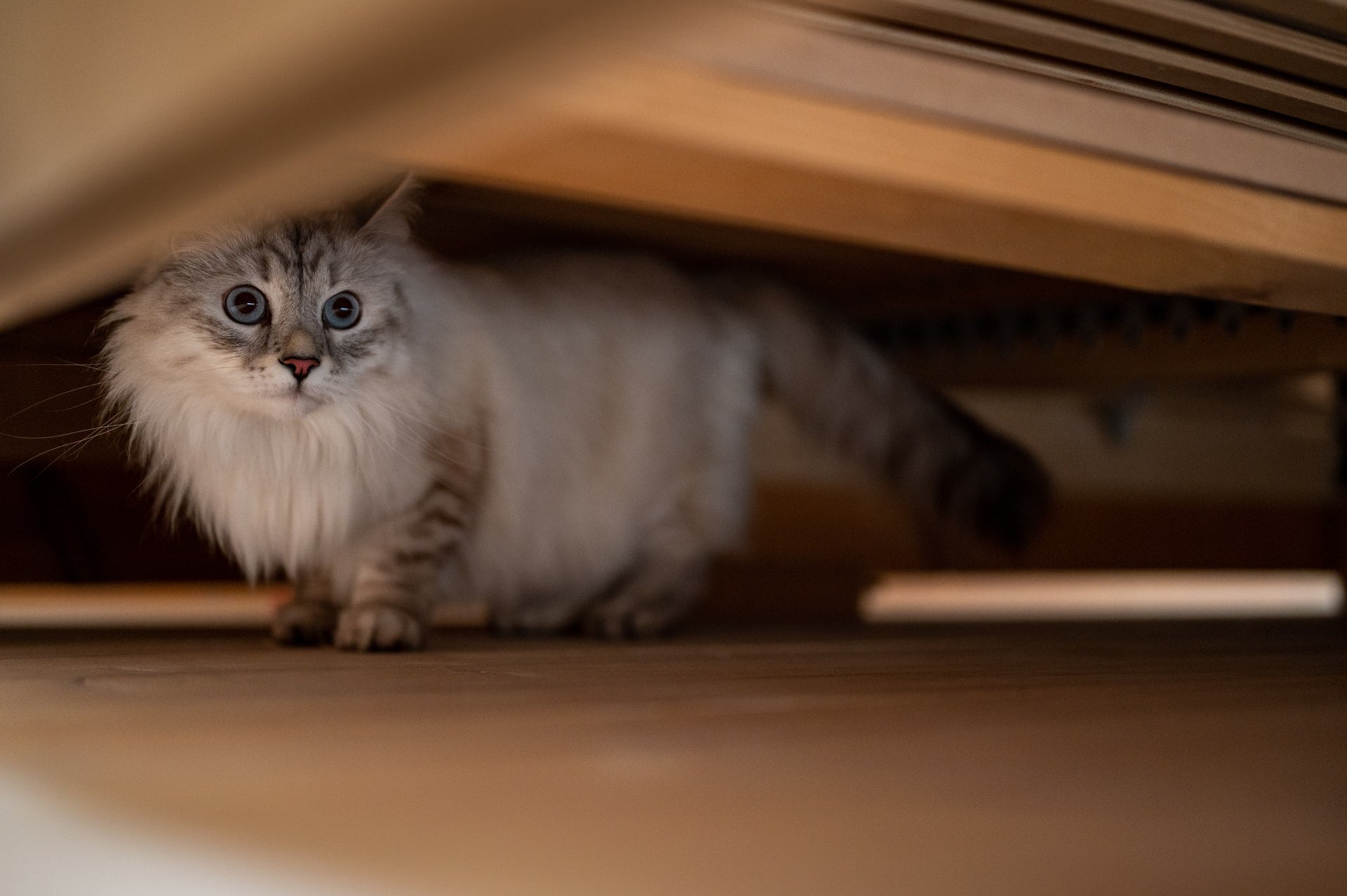
This entirely depends on the cat and their relationship with their owner. Some videos show cats scaring burglars and larger dogs away by going on the offensive. However, not all cats are talented at guarding duties. Some cats, when threatened, will run and hide, so it depends on the temperament and upbringing of the cat.
If the owner is scared but there’s no threat, some cats might still hide, while others might try to comfort them.
Conclusion
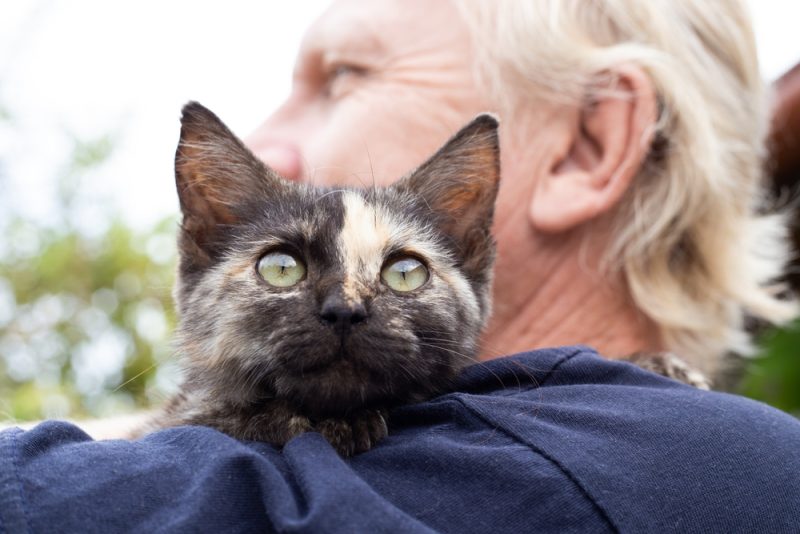
Sometimes cats seem so intuitive like they have a sixth sense. Perhaps they do, but science tells us it's all about their highly tuned senses and sensitivity to everything around them. The longer you have your cat, the more attuned they will become to you and your moods.
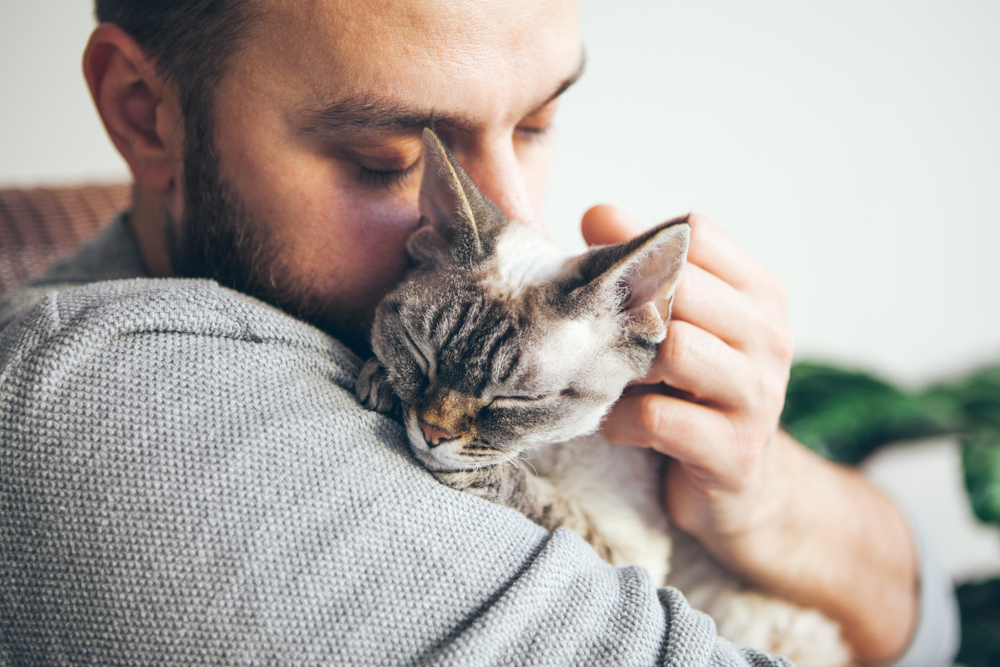
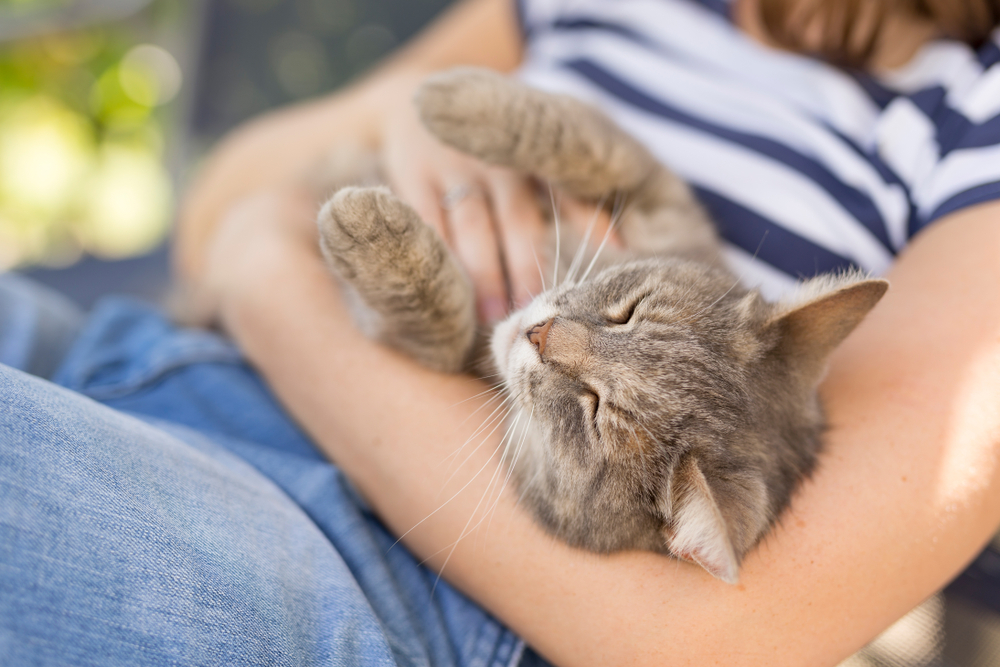
Cats also associate your actions with your emotions. For example, if you cuddle your cat every time you're sad, they will expect a cuddle when they see you're feeling blue. Since most cats are slightly anxious most of the time, it isn't too far off base that they can sense your fear, too. Remember, if you are ever in need of comfort, try petting your cat. Purring has been shown to calm people, and you can’t feel anything but happiness when you're stroking your soft, purring cat.
Related Read:
Sources
Featured Image Credit: Piotr Musiol, Unsplash

Expert cat care, straight to your inbox
Vet-reviewed advice, behavior tips, and the best of Catster. Free, and you can unsubscribe anytime.
By signing up, you agree to our Terms & Conditions and Privacy & Cookies Policy.
Kathryn was a librarian in a previous lifetime and is currently a pet writer. When she was a child, she hoped to work in ZOOs or with wildlife in some way, thanks to her all-consuming love for animals. Sadly, she's not strong in the sciences, so she fills her days with researching and writing about all kinds of animals and spends time playing with her adorable but very naughty tabby cat, Bella. Kathryn is hoping to add to her family in the near future – maybe another cat and a dog.
Join the conversation
Ask a question, share your story, or send private feedback.