Can Cats Eat Flour? Our Vet Answers

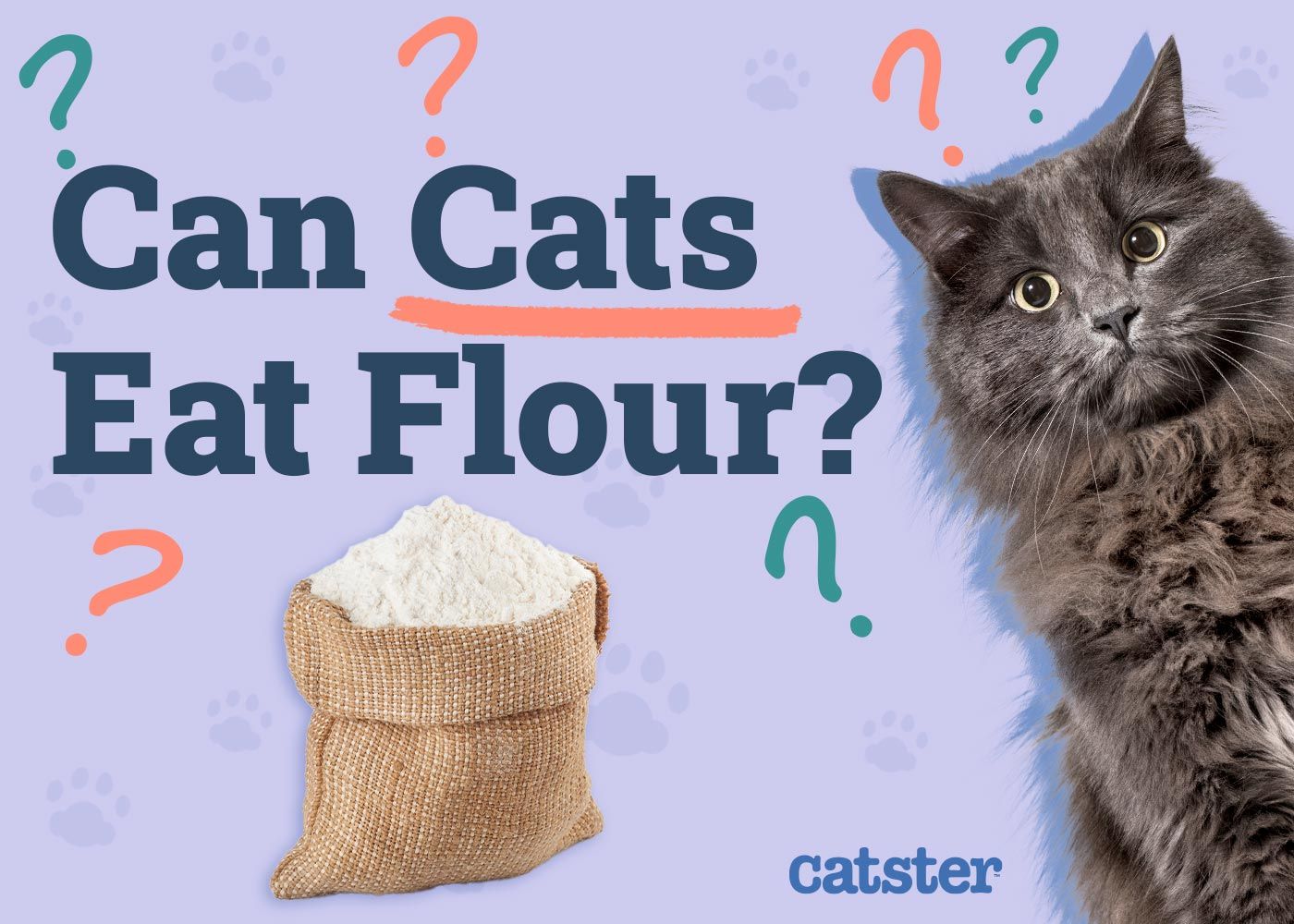
Your cat probably isn't sticking their head into a bag of flour in search of a meal. But if you have any concerns about a flour-based food item, you might wonder if cats can eat flour. After all, flour is used for breading on other cat-friendly foods like chicken or pork.
Plus, there might be certain types of flour in commercial cat foods on the market. So just how healthy is flour for cats, and should you include it in their diet? The answer is that most types of flour aren’t toxic to cats, but it’s not very healthy for them to eat too much of any kind of flour.

Types of Flour
There are several types of flour, usually made from grain. Most cats show little to no sensitivity to flour. They also have an easy time digesting most types of flour. Flour is sometimes added to dry cat food (kibble) as a binding agent – a substance that helps the kibble hold its shape.
Generally speaking though, the three most common types are:
Almost all flours found on the market today are bleached. Bleaching is a process that strips the flour of its natural yellow color and gives it the trademark white color we often associate it with.
Because bleaching also strips flour of its nutrition, most flours are enriched after the bleaching process to add back some nutritional value. However, this process doesn’t improve the nutritional profile of flour, it simply restores its nutritional composition.
Some of the most common types of flour you might have in your cupboard at home include:
Gluten Containing Flour
These are not recommended for cats but aren’t toxic for cats either. If your cat eats some, they’ll likely be fine, unless they have a gluten allergy.
Warning
Gluten Free Flour
Please note that this list of gluten-free flours isn’t conclusive. These are slightly trickier to properly analyze, as some are acceptable options for cats, while others are derived from ingredients that cats shouldn’t be fed. None of them are recommended as a regular treat though, so as a good rule of thumb, these should either be avoided or have their ingredients carefully checked before being used for anything your cat may eat.
All flours serve the same purpose, but some are better for baking certain food items than others.
The Danger of Raw Flour and Raw Dough

Uncooked flour dough can actually kill your cat. That's not because it's toxic, but instead, because it continues to rise in the stomach. If you've ever made any flour dough item, you know that if you leave it set, it self-rises.
Raw dough usually contains yeast (a rising agent), which is harmful to cats. Yeast ferments the carbohydrates in dough, which produces both ethanol (a type of alcohol) and carbon dioxide. Therefore, if your cat eats raw dough, they may suffer the effects of alcohol poisoning.
If a cat eats the raw dough, it will continue to rise in the stomach causing the gasses to build up. It causes a painful condition called bloat, otherwise known as gastric dilatation, sometimes accompanied by a volvulus. Bloat is a hazardous and often fatal condition, and is more commonly seen in dogs, while it remains rare in cats.
Signs of Alcohol Poisoning in Cats:
Make sure to contact a veterinarian right away if your cat has eaten any amount of raw dough, as it warrants an emergency visit. Alcohol poisoning can be fatal for cats.
Fried Foods
Flour is often used when frying some foods as well. Are fried foods really good for anything? Granted, they're delicious but maybe not the best meal choice. If your kitty took a piece of fried chicken off your plate, the good news is that a lone episode of consuming some fried meat (with no bones) shouldn’t be a cause for alarm (but it shouldn’t be repeated).
But over time, repeatedly feeding your cats fried leftovers can wreak havoc on their digestive systems. It can also cause other issues later in life leading to medical problems.
It's not so much the breading or flour that's the problem here. Fried foods contain a large number of oils and fats, which aren't good for your kitty.
Instead of pieces of fried chicken or pork, try to give your kitties plain boiled lean meats with no extras.

Grain Allergies in Cats
Contrary to food-related troubles, grains (such as wheat) are among the least likely causes of allergies in cats. That being said, some cats might be allergic to grains. If you suspect your cat has a grain allergy, try to keep an eye out for the following signs:
Signs Of Grain Allergies In Cats
The best way to determine if your cat has a food allergy is to work with your veterinarian. Your veterinarian or a veterinary dermatologist will typically rule out other more common medical causes first, then they may test your cat for potential allergens, and recommend a food elimination trial for your kitty. If you think that your cat might be suffering from a grain-related allergy, work with your veterinarian diligently to determine the root cause of the problem. Switching their diet without sufficient evidence might do more harm than good.
Please Note

Final Thoughts
In general, cats can safely digest cooked flour of most kinds. However, flour isn’t a great source of nutrition for your cat. Therefore, it isn’t something you should actively seek to add to your cat’s diet. Both raw flour and raw dough are dangerous for cats and therefore are never recommended for them in any amount.
If you have any concerns about your cat’s diet, or if you suspect grain-related allergies, be sure to speak to your vet before switching foods to know the actual underlying trigger.
See Also:

Expert cat care, straight to your inbox
Vet-reviewed advice, behavior tips, and the best of Catster. Free, and you can unsubscribe anytime.
By signing up, you agree to our Terms & Conditions and Privacy & Cookies Policy.
Dr. Luqman Javed DVM (Veterinarian)
Dr. Luqman (also known as Dr. Lucky) grew up with an immense passion for animals of all kinds. By becoming a veterinarian, he turned his childhood dream into reality. Now, his goals are focused on providing help to cats all around the world by helping to cat owners understand their feline friends better to ensure the best quality of life for them. His passions are wildlife, exotic pets, pet owner education, and animal welfare. He graduated with his DVM from the Universiti Putra Malaysia in 2020. He has worked with a variety of animal species and has decades of personal experience with keeping many different types of exotic pets, such as turtles, hamsters, freshwater fish, chickens, songbirds, and parrots (and he has extensive skills in training parrots, too).
Join the conversation
Ask a question, share your story, or send private feedback.