Get

In Your Inbox

Catster is reader-supported. When you buy via links on our site, we may earn an affiliate commission at no cost to you. Learn more.

Can Cats Eat Cream? Vet-Reviewed Feeding Facts

Can Cats Eat Cream

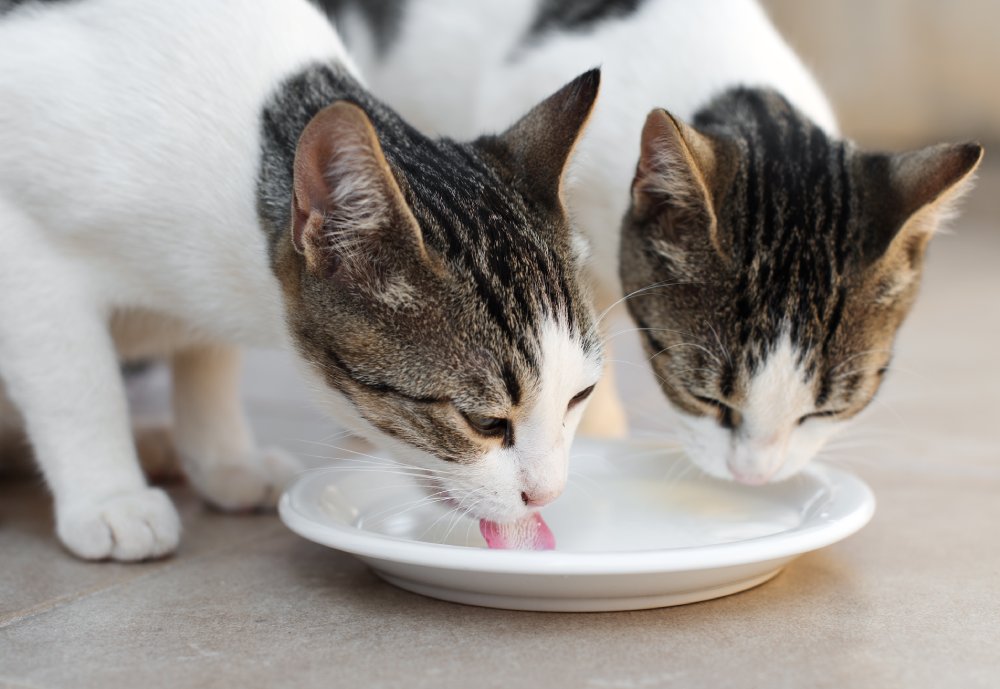
Everyone knows the one about the cat that got the cream, but have you ever wondered if cats actually can, or should, eat cream? You might be surprised to learn that although cats would certainly love to devour a saucer of cream, it’s not actually good for them, and can even cause disastrous gastric symptoms. You see, cats are lactose intolerant and can’t digest cream or other dairy products. That means butter, milk, most cheeses, and just about anything that contains lactose, is not good for a feline. A little bit here and there won’t have drastic effects, but they shouldn’t eat it regularly.

If you’re interested in learning more about can cats eat cream and why cream is unhealthy for cats, what happens when they eat it, and some other foods to keep away from your cat, you’re in the right place. Stay tuned as we elaborate on those topics and more down below.

divider single cat paw oct 2024

Why Is Cream Unhealthy for Cats?

Cream isn’t toxic for your cats, but it is loaded with fat and lactose. Once a cat is weaned, they lose the necessary digestive enzyme to properly break down lactose. While a small amount can seem like a treat, it can actually cause really distressing symptoms, including stomach pain, diarrhea, bloating, and vomiting

The ability to tolerate dairy varies from cat to cat. Some cats can enjoy a small amount of milk or cream with few apparent ill effects, while the slightest taste can cause an upset stomach and diarrhea for others. Essentially, there’s not really any reason to feed your cat dairy considering the potential negative effects.

whipped cream in bowl
Image Credit: MaraZe, Shutterstock

What Other Foods Aren’t Good for Cats?

Cream isn’t strictly toxic to cats, but it is unhealthy. While you’re pondering foods cats can’t eat, it’s important to cover other unhealthy and even toxic foods you should keep away from your cat at all costs. To help you in that endeavor, we’ve compiled some of the biggest no-nos below.

Foods to Keep Away From Your Cat:
  • Chocolate: Chocolate contains theobromine, an alkaloid that causes rapid heartbeat, dehydration, and potentially death in cats that eat enough.
  • Alliums: Including garlic, onion, and chive. This group of veggies can cause damage to the red blood cells of cats, causing anemia and potentially worse signs.
  • Grapes: Even a small serving of grapes can cause kidney damage and failure in cats, from mild to even fatal.
  • Long-lived fish: Predatory fish with long lives typically contain higher levels of mercury and other heavy metals because of water contamination—tuna, salmon, and swordfish, to name a few.

Get Free Cat Food Recall Alerts!

Your cat’s health matters. Get instant notifications about cat food recalls here

What Do Cats Eat?

Cats are obligate carnivores, meaning their body’s biology is hardwired to need animal-based protein to grow and survive. To be more specific, your cat needs lots of protein, alongside some fat, and minimal carbohydrates. Unlike us and dogs, cats have no specific need for carbs like grain, and it can contribute to excessive weight gain and obesity. For instance, cats that eat dog food get less protein and more carbs, which isn’t ideal for their health, and can lead to deficiencies in the essential amino acid, taurine.

Cat Dietary Staples:
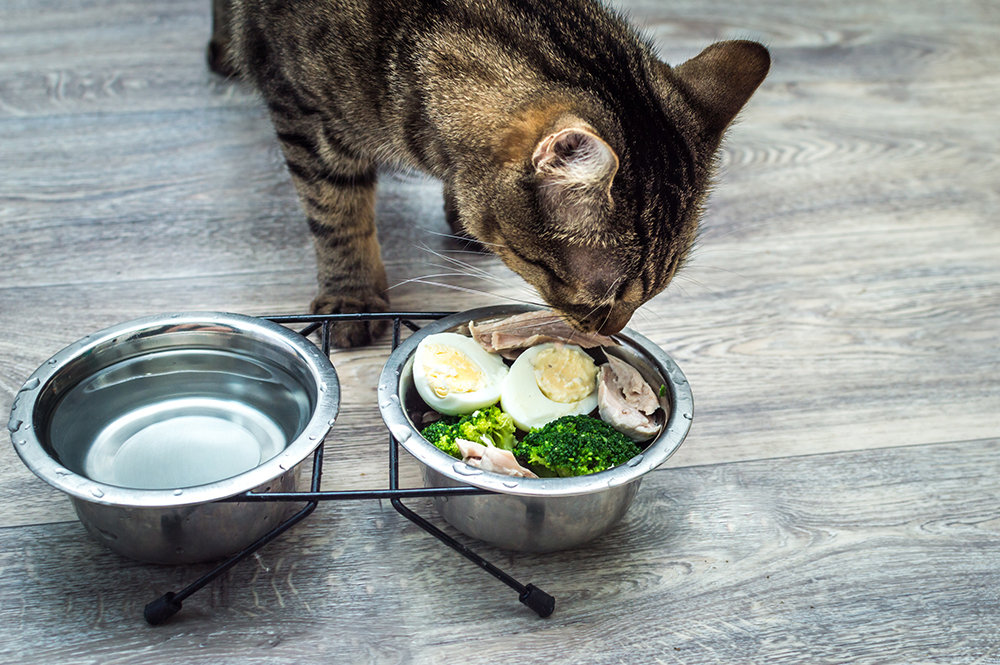
  • Lean meat: Low-fat meats like lamb and chicken offer a ton of protein with a moderate fat content. Avoid super-fatty pork & turkey and sodium-packed cold cuts.
  • Fish: Opt for fresh, oily fish like mackerel and tuna, which have plenty of protein and omega-3 fatty acids, but keep away from canned and processed fish products not cooked with cats’ dietary needs in mind. Avoid a diet consisting solely or predominantly of fish, however, as this may predispose them to developing hyperthyroidism.
  • Vegetables: Most cats can benefit from the fiber in some vegetables. Boiled or steamed pumpkin tops the list here, many cats enjoy the taste, and it is particularly good at improving stool consistency. However, cats don’t need vegetables, so this is only something to add if you feel your kitty needs a little help in the poop department!

Fiber is also an important component of the domestic feline diet, which is why many commercial cat foods will contain some form of carbohydrates. In the wild, cats don’t really need added fiber; the bones, skin and other bits and pieces of their prey help to keep their stools formed and their intestinal tract clear and healthy. Our pet cats eat little to no prey, so they will often need a little added help in this department to avoid problems like loose feces or constipation. Consult a veterinarian to get advice on the perfect diet composition for your cat.

Need veterinary advice but can't get to the clinic? Catster recommends PangoVet, our online veterinary service. Talk to a vet online and get the answers and advice you need for your cat without having to leave your living room — all at an affordable price!

PangoVet_Mention-in-Content for PangoVet2 save money

Treat Tips for Cats

Cats may not be able to eat cream as a regular part of their diet, but that doesn’t mean you can’t treat your kitty with some other delicious foods. The best treats for cats keep their dietary needs in mind while offering a delicious taste they’ll go crazy for. Check out a few treat ideas below so you can start spoiling your cat ASAP.

Best Treats for Cats:
  • Catnip: From toys to treats, nearly every cat loves the addictively calming scent of catnip.
  • Freeze-dried meat treats: High in protein and low in other stuff cats don’t need, meaty treats are a must-have for any cat owner.
  • Dental treats: Cat dental treats give your cat something tasty to gnaw on, keeping their teeth healthy by scraping off plaque and tartar buildup.
  • Broth: Plain chicken stock made by boiling chicken or other meats, every cat loves the meaty taste of broth and it’s excellent for hydration too.

divider cats oct 2024

Conclusion

While many cats can nip a taste of cream without consequences, most suffer very unpleasant stomach upset and diarrhea from eating any type of dairy. Instead of cream, take a look at meaty treats, catnip treats, or fibrous veggies to add variety to your cat’s diet.

Related Reads:


Featured Image Credit: ponce_photography, Pixabay

Want content like this delivered to you?

Sign Up For Our Newsletter

News, insights, expert advice, and everything cat

* By submitting, you agree to our Terms & Conditions and Privacy & Cookies Policy.

How useful was this post?

Click on a star to rate (you can leave written feedback after clicking submit)

Help us improve Catster for pet parents!

Your feedback really matters.

What did you like about this post? Also how can we improve it?

Join the conversation

Leave a Reply

You’re very welcome to leave a comment or question. Please know that all comments must meet our community guidelines, and your email address will NOT be published. Let’s have a positive and constructive conversation.

Talk With A Vet Online

Peace of mind,
anywhere, anytime

Affordable vet advice

Why Do Cats Hate Water? 5 Vet-Verified Possible Reasons

If you’ve ever tried to give your feline friend a bath, you might already know that your cat is not a fan of...

15 Easy DIY Cardboard Cat Scratcher Plans To Make Today (With Pictures)

Cats aren’t hard to please creatures. All they want is a tasty treat now and then, interactive toys to challenge their minds, a...

How to Catify Your Home: 9 Vet-Approved Simple Ideas

Catifying your home means making it suitable for a cat or cats to live in. This means removing any potential hazards while also...

Cat FIP Signs & Treatment: Vet-Reviewed Facts & FAQ

Feline infectious peritonitis (FIP) is a disease caused by a mutation of the FeCv virus. Known as the feline coronavirus, FeCv isn’t the...

More related

11 Free DIY Cat Bandanas You Can Make at Home (With Pictures)

DIY cat bandanas are a great way to add fun and personality to your furry friend’s wardrobe. Whether you plan on creating a...

10 Exotic Cat Breeds That Are Legal to Keep as Pets in the US (With Pictures)

In the United States, the most common cat is the American Shorthair. Many cats at shelters are mixed breeds, but the American Shorthair...

What Kind of Cat Breed Is Marie from The Aristocats? Disney Felines Explained

One of Disney’s claims to fame is having the most adorable, animated animals. One of the most popular to date is Marie, a...

Moving with Cats: Ivy’s Tips for Stress-Free Relocation

Welcome to the Wednesday Cats of Catster! Every week, we share a story from one of our cat-loving Catsters. This week is about...

Keep reading

Uveitis in Cats: Vet-Reviewed Causes, Signs & Treatment

Uveitis is an eye disease resulting from inflammation in the uvea of the eye. It is a serious condition that must be addressed promptly because it can commonly result in blindness. It can sometimes be challenging to treat, so it’s...

Cat Uveitis

Can a Cat Hear Better Than a Dog? Vet Approved Differences & Comparison

Cats and dogs often get compared to each other, and many people engage in heated debates to determine which pet is better than the other. When it comes to the arena of hearing, science has proven that cats generally have...

dog and cat checked by vet

Human-Grade Cat Food: What Does It Mean? Facts & FAQ

Of all the food available for feeding your cat, human-grade cat food is probably one of the most confusing despite its popularity. It’s a cat food that’s made under FDA regulations for human consumption. However, the principle cannot be applied...

cat eating smalls freeze-dried raw food

Multiple Myeloma in Cats: Our Vet Explains Signs, Causes & Treatment

If you’re interested in multiple myeloma, your cat may have been recently diagnosed with this rare disease. If this is the case, we’re very sorry and understand you’ll want to know everything about the condition and what to expect moving...

sad, bored or sick cat

British Shorthair Cat Health Problems: 7 Vet-Reviewed Health Issues

Getting a new cat is always an exciting time! Part of the fun of adopting a pet is figuring out which breed will be the best fit for you and your family—that means doing some research. You’ll need to learn...

Catster_Health Problems of British Shorthair

My Cat Takes Food Out of Their Bowl to Eat: 5 Vet-Reviewed Reasons

If you’ve ever had a cat for a pet, you may have seen them pawing the food out of their bowl, putting it on the floor, and then eating it. Sometimes a cat will even take the food and run...

cat by a bowl

Can Cats Be Gay, Bisexual, or Lesbian? Vet Reviewed Feline Sexuality Facts

Some of the behaviors our pets exhibit mimic our own, but many of their quirks seem strange. It’s difficult to interpret a feline’s behavior when you relate their actions to those of humans. One of the most common questions people...

two gay cats

Can Cats Get Car Sick? Vet-Verified Facts & Info

A car ride often represents three things to your cat: change, a lack of control, and loss of freedom. Felines hate all of them, and this ramped-up anxiety and stress are even able to trigger vomiting or motion sickness in...

Cat Car Carrier