8 Cleaning Products Toxic to Cats: Vet Approved Facts & Toxicity Explained


In this article
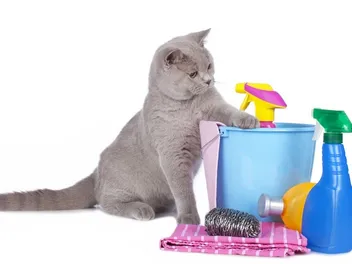
Many modern cleaners are filled with chemicals that are potentially harmful to cats. People use these products regularly (or even daily) without knowing the risks. If you clean with concentrated disinfectants, you could be putting your favorite feline at risk. Here are eight common cleaning products that are potentially toxic to cats, including the brands that contain them, the risks, and what to do if your cat accidentally comes in contact with something that they shouldn’t. In this case, knowledge is power and the more you know about what is lurking in your cabinet, the better you can prepare in case of a dangerous accident.

The 8 Cleaning Products Toxic to Cats
1. Ammonia

| Risks: | Ingestion, Inhalation, Contact |
| Other Names: | Ammonium hydroxide |
| Example Products: | Windex, Lysol, Drano |
Ammonia is one of the most common chemicals found in cleaning supplies particularly in window cleaners, oven cleaners and stainless steel cleaners. Ammonia has a chemical formula of NH₃, meaning it is made up of nitrogen and hydrogen. Ammonium hydroxide is ammonia mixed with water. Ammonia can be dangerous to cats if it is ingested, breathed in, or if it comes in contact with the skin. Ammonia has a very distinctive and potent smell. Any pungent smelling cleaning supply with ammonia in it could be dangerous to your cat.
2. Bleach

| Risks: | Ingestion, Inhalation, Contact |
| Other Names: | Chlorine, Sodium hypochlorite |
| Example Products: | Lysol Bleach, Scrubbing Bubbles Bathroom Cleaner, Comet, Clorox Disinfectant |
Bleach, also known as sodium hypochlorite, is a common household cleaner. Bleach is a powerful disinfectant and bleaching agent that is common in bathroom cleaners. It can also be bought in a diluted liquid form. Bleach can be highly dangerous if ingested, if inhaled, or if it comes in contact with the skin, the signs will depend on the concentration. Sodium hypochlorite, the basis of most liquid bleach cleaners, has a chemical formula of NaOCl.
3. Hydrogen Peroxide

| Risks: | Ingestion, Inhalation, Contact |
| Other Names: | Non-Chlorine bleach, “Color-Safe Bleach” |
| Example Products: | Clorox 2, |
Although less toxic than regular bleach, non chlorine bleaches typically contain hydrogen peroxide which can cause inflammation and ulceration of the gastrointestinal tract if ingested and skin irritation and rashes if a cat comes into contact with it.
4. Isopropyl Alcohol
| Risks: | Ingestion |
| Other Names: | Rubbing alcohol |
| Example Products: | Pine Sol, Mr. Clean Multi-Surface Cleaner, Hand sanitizers |
Isopropyl alcohol is the main ingredient in rubbing alcohol. It is used as a general disinfectant. Isopropyl alcohol is commonly found in disinfectants such as hand sanitizers, disinfecting wipes, and multi-surface cleaners. Isopropyl alcohol is a risk if ingested. It is a minor risk for inhalation and contact as well, but the biggest concern is ingestion. Since many products using isopropyl alcohol are meant to come in contact with skin, this chemical is somewhat safer than other, more concentrated chemicals.
5. Phenol

| Risks: | Ingestion, Inhalation, Contact |
| Other Names: | Butylated hydroxytoluene, benzenol, carbolic acid, phenolic acid and alkylphenols |
| Example Products: | Lysol Disinfectants, Carbolic soap (red soap) |
Phenol is an aromatic organic compound. It is frequently found in common disinfectants as well as carbolic soap ( red soap). Cats are particularly prone to phenol toxicity and exposure to large amounts can cause serious neurological signs as well as liver failure. Phenol-based disinfectants should be avoided in environments with cats.
6. Formaldehyde
| Risks: | Ingestion, Inhalation, Contact |
| Other Names: | Formalin, formic aldehyde, methanal, methylene, and quaternium-15 |
| Example Products: | Products: Ajax Dish soap, general laundry detergents |
Formaldehyde is a highly toxic organic compound found in many cleaning products (and building materials). Formaldehyde has a chemical formula of CH₂O and a structure H−CHO. Formaldehyde is commonly found in laundry detergents and some dish soaps. It is used as a disinfectant. It is also used as a preservative for other organic compounds. Formaldehyde is toxic and irritating to both the eyes and upper respiratory tract. When ingested it can cause erosion of the gastrointestinal tract. It may also pose a long-term exposure risk as formaldehyde is a potential carcinogen. You should keep your cat away from any products that could potentially contain formaldehyde.
7. Essential Oils

| Risks: | Ingestion, Inhalation, Contact |
| Other Names: | Volatile oils, ethereal oils, aetheroleum, or simply plant oil |
| Example Products: | The Essential Oil Company, Plant Therapy |
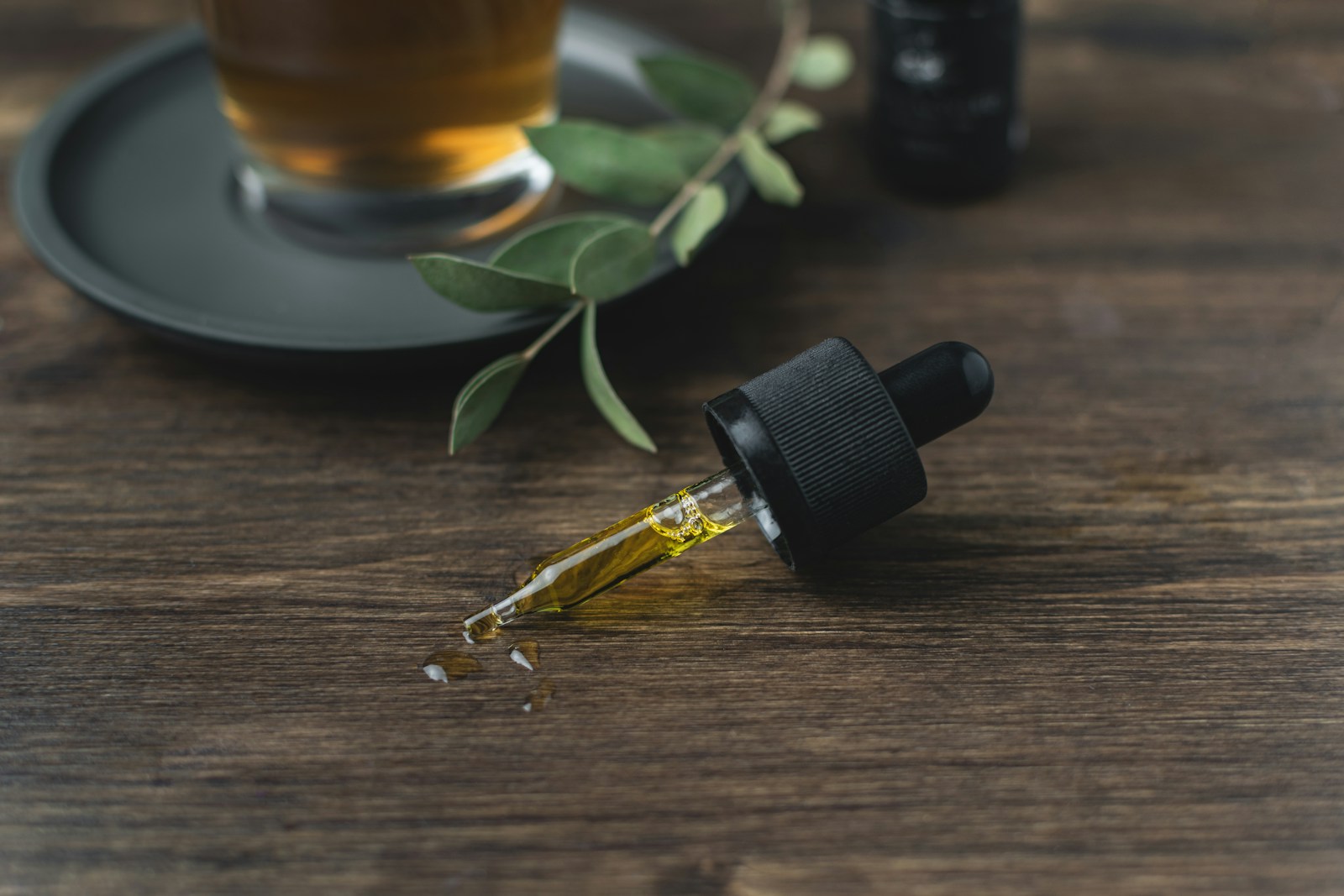
Essential oils are volatile organic plant oils, extracted from plants by distillation or cold pressing. People use them in a variety of ways in their homes including as a fragrance in diffusers or in cleaning products. Essential oils are highly toxic to cats, and they pose an ingestion risk, inhalation risk, and contact risk. You should never use diffusers with essential oils around your cats. You should also never put essential oils onto your cat’s skin. Contact with concentrated essential oils can cause liver failure, seizures, and even death in cats. You should avoid all essential oils around your cats to avoid any dangerous exposure risks.
8. Phthalates
| Risks: | Ingestion |
| Other Names: | Phthalic acid |
| Example Products: | Fabric softeners, air fresheners, carpet fresheners |
Phthalates are industrial chemicals that are often applied to plastics for softening effects, they are also commonly used in cleaning products for their fragrance. Exposure to phthalates can increase the risks of reproductive damage and cancer. Check air fresheners and cleaning products to see if they contain phthalates and switch to a phthalate free alternative.

Types of Risk and Dangers
According to the ASPCA, household toxicants like cleaning products are one of the top 10 toxins that pets are exposed to. Depending on the toxic ingredients cats can be affected by licking, ingesting, inhaling them, or if they have come into contact with your cat’s eyes. Cat’s are fastidious groomers so if they get anything on their fur or paws they will lick it off and ingest it. The signs will depend on what and how much of the toxin your cat has been exposed to as well as the route of exposure.
Here are the potential signs your cat may show linked to ingestion, inhalation, and contact with the toxic compound.
Ingestion
Ingestion is what happens when your cat eats, licks, or swallows harmful chemicals or products. If you believe your cat has ingested a harmful substance, you should contact a professional right away.
Signs:
- Abdominal pain
- Vomiting
- Diarrhea
- Drooling
- Lethargy
- Loss of appetite
- Disorientation
- Seizures
- Coma
Inhalation
Inhalation occurs when your cat breathes in a harmful chemical or substance. Many cleaning supplies have strong and pungent smells. If a cleaning product has a powerful scent, like bleach, it is an inhalation risk. Brief inhalation is usually not harmful but prolonged inhalation or repeat inhalation can lead to lung damage and respiratory issues in your cat.
Signs:
- Watery eyes
- Coughing
- Sneezing
- Increased respiratory rate
- Breathing difficulties
- Bluish coloration to gums

Contact
Contact occurs when a chemical physically touches your cat. Contact damage can occur on the skin, but it can also occur in the mouth when your cat licks off the chemical leading to the signs associated with ingestion.
Signs:
- Rash
- Redness
- Skin irritation
- Blisters or sores
- Chemical burns
- Hair loss
What to Do if Your Cat Is Exposed to a Harmful Product
If you know your cat has been exposed to a harmful cleaning product or they are showing any concerning signs then you should contact a vet straight away.
There are also two main pet poison hotlines that you can ring to and seek immediate guidance.
- Pet Poison Helpline (855-764-7661)
- ASPCA Animal Poison Control Center (888-426-4435)
Take your cat away from the source of the suspected poison and keep them inside in a calm area. Seek treatment as soon as possible and take the bottle or other information regarding the chemical your cat has been exposed to so your vet can choose the appropriate treatment.
Pet Safe Alternatives
Many cleaning supplies are riskier than people think, but the good news is that there are plenty of alternatives that are made especially to accommodate cats. You can look up pet safe cleaning supplies online including at large retailers. Pet safe cleaning supplies often use natural compounds instead of manmade chemicals. You can also use cleaners like vinegar, baking soda and lemon juice that pose fewer risks than more concentrated chemical products.
CNN compiled a list of pet safe cleaners, including cleaners that are safe for cats, that you can check out to get some ideas.
Our Favorite Enzyme Cleaner
The Hepper Advanced Bio-Enzyme Pet Stain & Odor Eliminator Spray is our favorite enzyme cleaner out there. It permanently removes even the very worst kitty stains and smells, leaving your home fresh and clean! Click here to learn more about this amazing product and get yourself a bottle.

- ADVANCED ENZYMATIC CLEANER - Penetrates the most stubborn smells and stains at the deepest molecular levels to dissolve any pet mess you encounter and lift it away at the source.
- FOR ANY MESS, ON ANY SURFACE - This pet odor eliminator cleans your carpets, floors, furniture, fabrics, and more. Whether it's urine, feces, vomit, or drool, you can erase all foul spots and smells!
- FRESH, NATURAL ODOR - Our unique formulation doesn't rely on dangerous or unpleasant chemical fragrances to get the job done. We eradicate smells and stains, not just cover them up.
At Catster, we’ve admired Hepper for many years, and decided to take a controlling ownership interest so that we could benefit from the outstanding products of this cool cat company!
How to Keep Your Cat Safe Around Cleaning Products
Don’t Clean Around Your Cat
Try not to use harsh chemicals around your cat. If you are cleaning the bathroom, make sure your cat is not in the room. Also, allow ample time for areas to ventilate or air out before letting your cat come back. If you clean your floors, lock your cat in a room where you are not cleaning and only let them out when the floors are dry and the room has aerated.
Never allow your cat to come in contact with cleaning supplies, don’t spray cleaning supplies on your cat or around your cat, and know the signs of problems so that you can react accordingly in case of an accident.
Lock Up Cleaning Supplies
You should keep all harsh chemical cleaners safely locked up. Keep them in a cabinet or box or on a high shelf where your cat cannot get to them. Cats are notoriously curious, and they have a habit of getting into things that they shouldn’t. Make sure that there is no way that your cat can spill cleaning supplies, lick cleaning supplies, or break into cleaning supplies. Keep them secure and keep your cat away when they are out or in use.

Conclusion
These cleaning products are dangerous to cats and should be avoided whenever possible. Cats are curious creatures and products can be harmful if they come into contact with their skin, are inhaled, or swallowed. It is important to know the signs of these types of danger so that you can call your veterinarian if you suspect that your cat has come in contact with any of these toxic products. You can slowly replace your harmful chemicals with cat-friendly alternatives so that you can clean without worrying about harming your cat by accident.
Sources
Featured Image Credit: Fotos593, Shutterstock
Expert cat care, straight to your inbox
News, insights, and useful advice, delivered to you.

No spam — unsubscribe anytime.
By signing up, you agree to our Terms & Conditions and Privacy & Cookies Policy.
How useful was this post?
Click a star to rate. You can leave written feedback afterwards. (We read all feedback.)
Grant is a freelance writer with years of experience writing about a diverse range of topics. He currently lives in his home state of Florida with his wife. His days are spent writing, raising a rambunctious son, and caring for eight animals (two horses, two donkeys, two goats, and two dogs). In his free time he enjoys slowly carving out a quaint hobby farm from the Southern scrub.