Get

In Your Inbox

Catster is reader-supported. When you buy via links on our site, we may earn an affiliate commission at no cost to you. Learn more.

7 Barn Cat Breeds: Felines to Keep on Your Farm (With Info & Pictures)
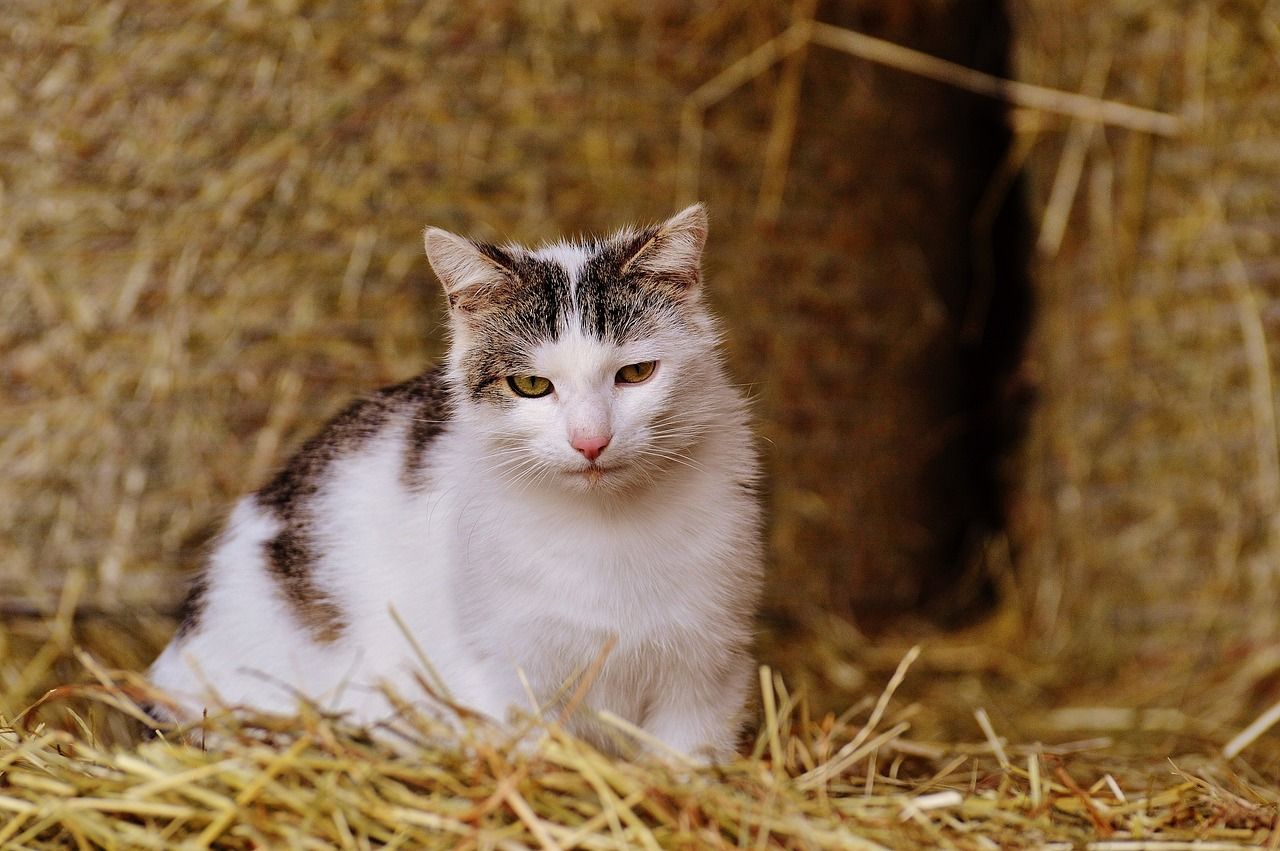
cat at a barn

Barn or farm cats are possibly the purest incarnations of a cat. The earliest domesticated felines invited themselves onto our land to take care of our vermin problem, and many today still prefer it to a traditional housecat life.

Not all cat breeds take well to life on the farm, but others are perfectly suited due to their history, temperament, and physical traits. If you’re interested in what types of cats are best suited to taking care of a vermin problem for you, look no further. Check out all the best barn cat breeds down below.

divider 2 cats

The 7 Barn Cat Breeds

1. Maine Coon

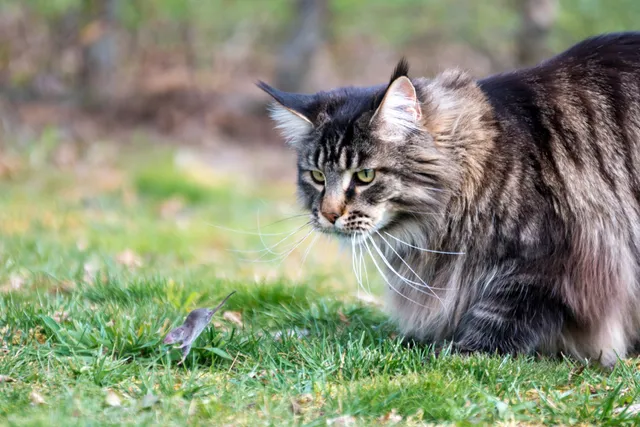
a maine coon cat hunting a mouse outdoors
Image Credit: greg.visuals, Shutterstock
Lifespan: 12–15 years
Weight: 11–25 pounds
Colors: Black, white, cream, red, blue, red

Maine Coons are large, fluffy cats that are well-known for their doglike personalities. They like solitude as much as the next cat and will gladly occupy themselves by hunting down rats but enjoy spending a lot of time with their humans too. Maine Coons do well as both housecats and part-time barn cats because of their affable personality and keen hunting instinct. Their thick, plush coat helps them stay comfortable in extreme cold, too.


2. Siamese

Siamese cat in the barn
Image Credit: Yuri Kravchenko, Shutterstock
Lifespan: 12–15 years
Weight: 8–15 pounds
Colors: Chocolate point, blue point, lilac point, seal point

Siamese are one of the most popular cat breeds in the world, with a trademark color point pattern that leaves their body lighter than their extremities. Keep in mind that there are just four recognized color point patterns in Siamese.

These elegant, inquisitive creatures do great as highly sociable barn cats, so they’re hardly a cat you can just let loose and expect minimal contact. Siamese are athletic, playful kitties that make excellent hunters to control vermin on your property.


3. American Shorthair

american shorthair cat
Image Credit: Oleksandr Volchanskyi, Shutterstock
Lifespan: 12–15 years
Weight: 6–15 pounds
Colors: Solid, tabby, tortoiseshell, calico, bicolor, tricolor

Descended from European cats brought to North America to protect food stores, the American Shorthair is one of the most diverse cat breeds in the world, and the 8th most popular cat breed in the world.1 These cats are diverse in personality as well as coloring, but most retain a curious, playful nature that makes them excellent hunters. An independent streak helps in that regard too, and they’re fairly low-maintenance farm cats to keep on your property.


4. Siberian

Siberian cat sitting on the hay
Image Credit: Nikolay Shargin, Shutterstock
Lifespan: 10–18 years
Weight: 15–20 pounds
Colors: Brown, red, blue, tabby, silver, white, black

Siberians are big, strong cats with long, triple-layered coats perfectly suited to cold and wet weather, though they love being near people too. This breed is sociable and not likely to bother your livestock or other pets but is definitely self-motivated enough to carve out their own niche on your land and set up shop as the local vermin hunter. They’re playful and sometimes described as a doglike breed and tend to live long lives. As implied by the name, the Siberian cat traces back to ancient, snowy Russia.


5. Chartreux

Chartreux cat lying on the ground
Image Credit: Katniss studio, Shutterstock
Lifespan: 12–15 years
Weight: 11–25 pounds
Colors: Black, white, cream, red, blue, red

The rare but instantly recognizable Chartreux hails from France, with a water-resistant blue-gray coat and distinctly aloof personality. They’re smart, active animals that are known to be quiet or mute, and their big muscular bodies make them great hunters for any farm. They’re pretty neutral towards both people and other pets, but don’t expect them to be extroverted.


6. American Wirehair

American Wirehair cat up close
Image Credit: Fernando Calmon, Shutterstock
Lifespan: 12–15 years
Weight: 8–15 pounds
Colors: White, black, smoke, chinchilla, gray, blue, white, cream, bicolor

The American Wirehair is an offshoot of the American Shorthair, traced back to a single litter of kittens born with a wiry, dense wool-like coat similar to a lamb’s wool. They’re prolific explorers but not the most energetic breed out there, but they do have a strong prey drive that makes them good at deterring mice or rats. Overall, they’re nearly identical to the shorthair cat.


7. Bengal

Bengal Cat on the tree
Image Credit: Seregraff, Shutterstock
Lifespan: 12–16 years
Weight: 8–15 pounds
Colors: Silver, snow, brown, blue, charcoal

For a more exotic barn cat, consider the mini-leopard Bengal cat. They’re the result of breeding a regular domestic cat with an Asian leopard cat, and the Bengal is a spectacular athlete with a wild prey drive that makes them ideal farm cats. Bengals are fiercely independent and intelligent, and with patience, some of them can even be trained to perform tricks like a dog.

divider 2 cats

Conclusion

Barn or farm cats are one of the most beneficial critters you can have on a farm, and they take care of vermin problems like it’s nobody’s business. In exchange for a comfy, warm space to sleep and some food, any one of the barn cat breeds above make amazing companions that double as pest control!


Featured Image Credit: Alexas_Fotos, Pixabay

Want content like this delivered to you?

Sign Up For Our Newsletter

News, insights, expert advice, and everything cat

* By submitting, you agree to our Terms & Conditions and Privacy & Cookies Policy.

How useful was this post?

Click on a star to rate (you can leave written feedback after clicking submit)

Help us improve Catster for pet parents!

Your feedback really matters.

What did you like about this post? Also how can we improve it?

Join the conversation

Leave a Reply

You’re very welcome to leave a comment or question. Please know that all comments must meet our community guidelines, and your email address will NOT be published. Let’s have a positive and constructive conversation.

Talk With A Vet Online

Peace of mind,
anywhere, anytime

Affordable vet advice

Valor the Blind Kitten Lives Up to His Name

Originally published on Jul 24, 2013 and republished in remembrance of Valor who passed away in May 2022. There was obviously something wrong...

How to Shave a Cat’s Bum: 6 Vet-Approved Steps

If you’re starting to notice an unpleasant odor following your cat, and if you’re starting to see unpleasant remnants in their nether regions,...

Can Cats Eat BBQ Sauce? Vet-Reviewed Facts

Firing up your grill for a barbecue dinner, lunch, or snack is a delicious way to enjoy a meal. However, most barbecues typically...

Burmilla Cat Breed Info: Traits, Personality & Pictures

The Burmilla is a rare breed because of how new they are to the world of purebred cats. In some parts of the...

More related

250+ Indian Cat Names: Great Ideas for Your Incredible Cat

Choosing your pet’s name is one of the best parts of pet ownership. If you’ve recently added a cat to your household, finding...

Will a Humidifier Help a Cat with Congestion? Vet Reviewed Facts & FAQ

We all have childhood memories of having a cold, being congested, and our moms dragging out and plugging in the humidifier to loosen...

Can Cats Take Human Antibiotics? Vet-Reviewed Health Precautions & Risks

No one likes to see their beloved cat in pain suffering from a pesky infection. How convenient would it be to be able...

7 Most Annoying Sounds Cats Make: Possible Causes & Prevention Tips

Cats are adorable pets and can be some of the best companions and roommates. They look cute and can make cute sounds. In...

Keep reading

Why Do Cats Trill When They Jump? 4 Vet-Reviewed Reasons

In the wild, cats remain fairly silent. Their purrs, hisses, growls, and yowls are mainly for communication, not something they do casually as they go about their day. So, why do our domestic kitties get so vocal when they jump?...

cream-colored-maine-coon-cat-jumping-over-the-couch_Nils-Jacobi_shutterestock

The 6 Best Freeze-Dried Cat Foods of 2025 – Vet-Verified Reviews & Top Picks

Freeze-dried cat food is the easiest way to feed your pet a natural raw diet that reflects what a cat would eat in the wild. Commercial wet or dry foods often contain extra carbohydrate-based fillers that provide bulk and calories...

cat eating food

How to Make a Cat Poop When Constipated: 10 Vet-Verified Tips

A constipated kitty is no fun. Usually, constipation is not a sign of something serious, though it can be very uncomfortable for the cat and can lead to secondary problems if it isn’t addressed. However, constipation can be a sign...

constipated cat in the litter box

Why Does My Cat Roll on Concrete? 8 Common Reasons

Cats are known for their quirky behaviors and love of throwing themselves down in sunny spots indoors or out. But have you ever wondered why your cat enjoys rolling around on rough, scratchy surfaces like concrete? As it turns out,...

a California Spangled cat sitting outdoors

Will a Cat Litter Deodorizer Work? Vet-Approved Facts & Info

There’s no doubt that people everywhere love cats. In fact, they outnumber dogs in some countries. However, there’s one thing that most people find unappealing about cats: their stinky litter boxes. Indeed, few things are more offensive to the nose...

man cleaning smelly litter box

How to Tell If You’re Allergic to Cats: 7 Signs to Look For

As pet parents, we adore our feline friends, and owning a cat is a truly wonderful experience. Even though cats can be aloof, moody, and have a habit of doing whatever they please, they can also be loving, cuddly, sweet,...

girl sneezing near cat

Why Do Cats Like Bathrooms? 10 Vet-Reviewed Reasons

Anyone who is a cat parent is familiar with their cat following them into the bathroom or making noise if the door is closed without them being let inside. So, why on earth do cats seem to love the bathroom?...

british shorthair cat peeps from the bathtub

Vestibular Disease vs. Stroke in Cats: What’s The Difference? Vet-Approved Insights

Strokes in cats are very rare. The symptoms that cat owners most often associate with a “stroke” in cats result from vestibular disease. However, veterinarians may describe the vestibular disease as a “stroke” to aid the pet parents in understanding...

vet holding burma cat