What Is a Barn Cat? A Comprehensive Vet-Approved Guide


In this article
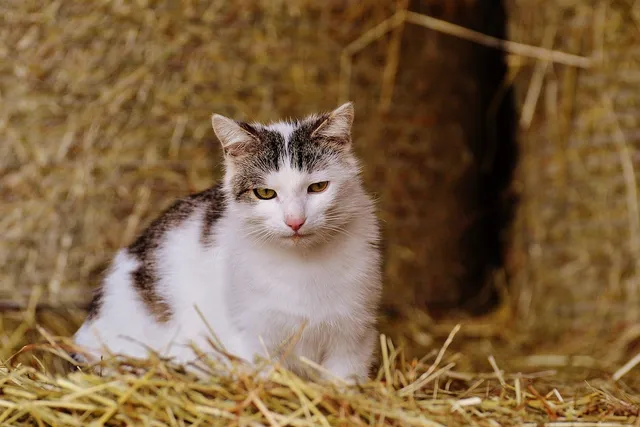
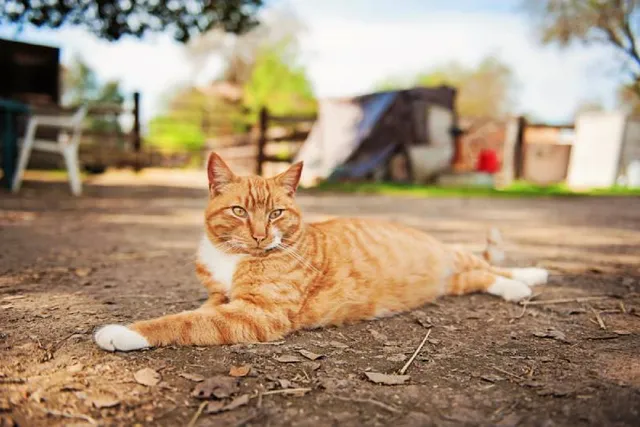
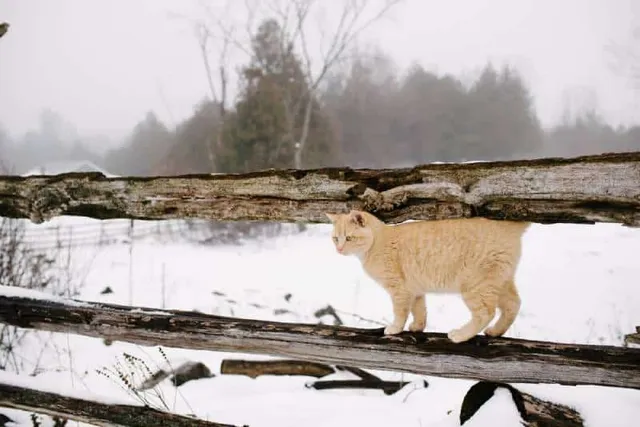
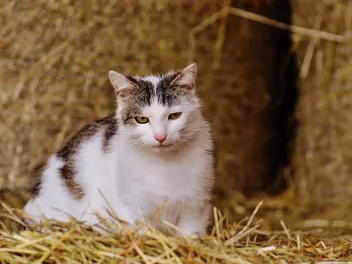
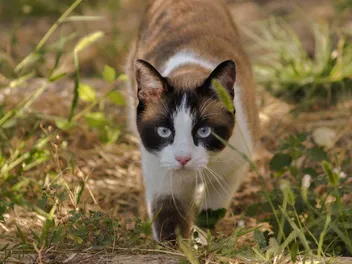
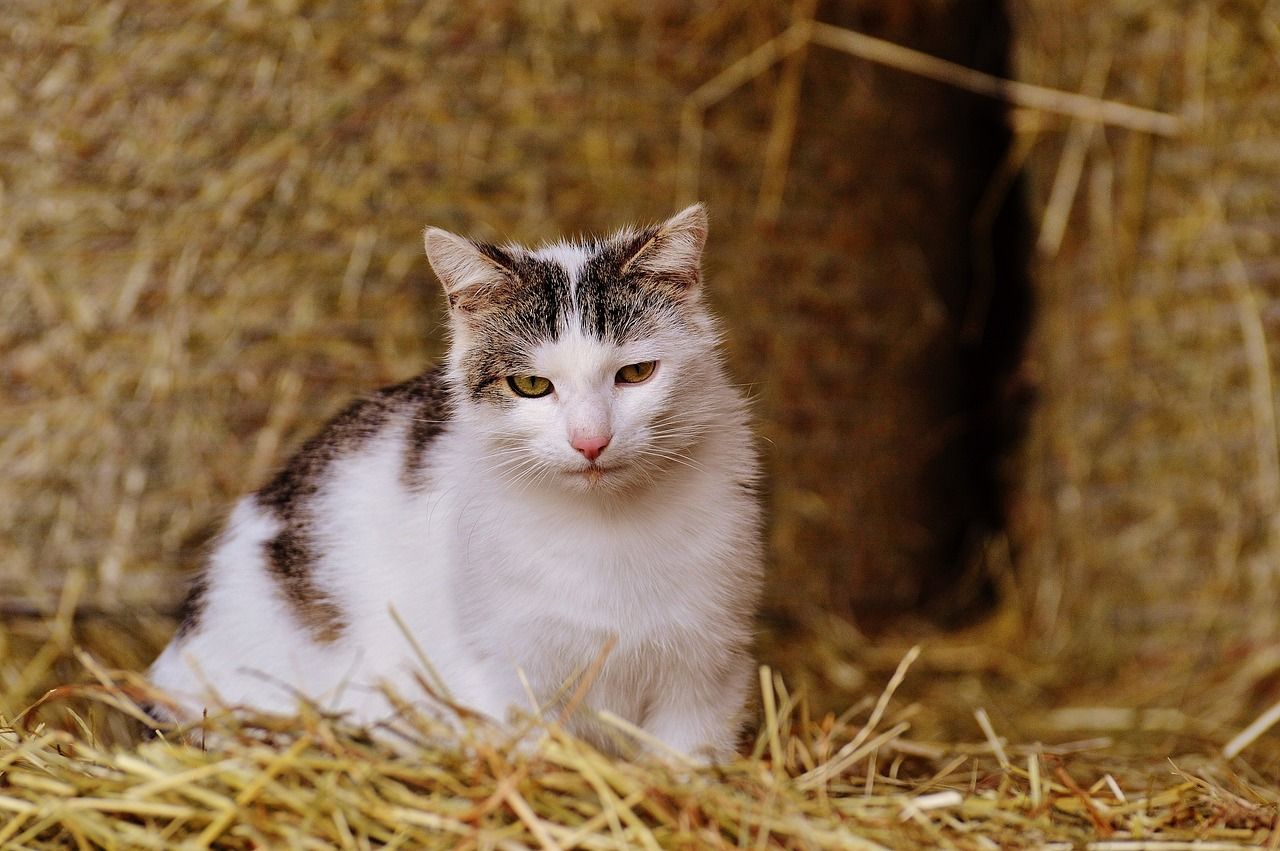
Many people have heard of barn cats, or farm cats, as they're sometimes called. They look like regular house cats, but it’s easy to wonder if they’re another breed altogether. According to genetics, they’re not. Barn cats are generally just feral or semi-feral mixed-breed cats that typically live in agricultural settings.
If you’re interested in learning more about these farm-dwelling felines, you’re in luck. This comprehensive guide has all the information about barn cats that you could ever want to know!

What Is a Barn Cat?
Barn cats are domestic cats that are usually mixed breeds, with few distinctive physical markers to sometimes set them apart from regular house cats.
Physical Appearance
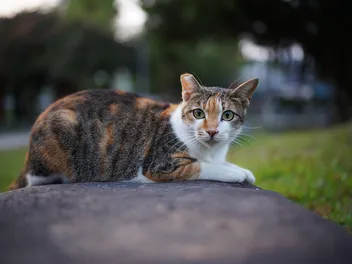
Barn cats are usually mixed breeds descended from various feral and stray cats, which may or may not include some purebred blood along the way. That gives them a variable appearance, though certain traits tend to prevail in barn or farm cats because they help them survive in their habitat. Let’s look at physical traits commonly found in barn cats. Don’t forget that these may not apply to all barn cats.
Common Barn Cat Physical Traits:
Personality & Temperament
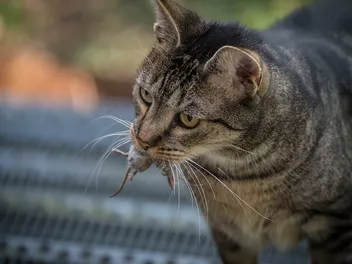
Barn cats have a wide range of personalities, ranging from friendly to completely wild, depending on where they live and how much human interaction their bloodline has had with humans. Generally speaking, though, barn cats are independent and self-sustaining solitary hunters. Their strong prey drive also displays itself in playfulness, but not necessarily toward humans. Rather, you’ll often see barn cats engaging in harmless hunting-like behaviors like stalking, which serves as good hunting practice.

Where Do They Live?
Barn cats historically gravitate to barns and other covered structures in agricultural areas. These help protect them from the elements, especially considering that cats like warm, cozy homes. Buildings like barns and sheds serve as valuable food sources because vermin are also drawn to humans, especially wherever food like grains or veggies are stored.
You can often find barn cats strolling fields, grain stores, and nearly anywhere that rodents may live or nest. When the cats urinate in their territory, those small pests can smell the ammonia and know to avoid it, further proving the usefulness of cats. Some barn cats are part-time house cats and may sleep inside, but that requires a flexible arrangement, such as a cat door, because of their nocturnal nature.
Where Do Barn Cats Come From?
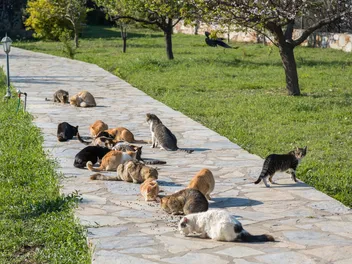
Barn cats come from all walks of feline life. Generally, barn cats are either feral cats that have happily found a new home or strays that ran away or were abandoned. Naturally, when these cats get together, they reproduce, which can easily create self-sustaining populations of barn cats that can serve multiple generations by culling nearby rodents.
Even if a farm owner doesn’t care for cats personally, they’d be hard-pressed to not let a cat or two hang out. It’s a mutually beneficial relationship, after all! Combined with the cat’s incredible hunting prowess and hardiness, it’s not hard to see why cats end up on farms all around the world.
History of Barn Cats
Barn cats were the first domesticated cats, with historical evidence suggesting they’ve been living alongside humanity as early as 7,500 B.C. There’s a bit more to it, but essentially, some breeds of small cats noticed we had a lot of food that attracted the small animals they ate. In true cat fashion, they allowed us to start living alongside them.
At first, cats were seen as little more than vermin, but that quickly changed when people noticed that more cats equaled fewer rats and other nasty vermin eating and polluting our food stores. Farm cats and so-called ship cats that do the same job on boats are closely related in history. Many farm cats were once ship cats that simply did the same job on their way to a suitable farm.

What Are the Different Types of Barn Cats?
The vast majority of barn or farm cats are mixed breeds from time spent in the wild, but not all. Some established pure breeds were either developed in agricultural settings or have traits and preferences that lend themselves well to a humble life on the farm. Let’s take a look at some pure cat breeds that do well as barn cats.
Cat Breeds Best Suited to Life on a Farm:
Advantages of Barn Cats
- They can slash rodent populations by hunting and marking their territory, which further deters rodents and other prey animals.
- They're relatively low maintenance—many people believe that barn cats need little to nothing from you and will generally take care of themselves. That being said, they’d definitely benefit from increased attention (especially from vaccinations).
- In a pinch, nearly any feral or stray cat transported to a farm will quickly adapt to farm life.
- They may provide companionship for humans or house cats.
- They help reduce diseased food stores by reducing notable disease carriers like rats.
Disadvantages of Barn Cats
- Depending on their personality, barn cats can be a nuisance to humans or livestock.
- Cats tend to dig, which could be a problem if you’re farming and not companion planting with catnip or mint.
- They can pose a health risk if they’re not vaccinated against diseases.
- Because of their harsh living conditions, barn cats almost always have shorter lifespans than house cats.
Conclusion
Barn cats may not always be pureblooded, but life on a farm alongside humans is almost always beneficial. The cat gets shelter and a steady food source, and they might even be friendly! Unfortunately, you’ll have to contend with some drawbacks if you’re interested in having a barn cat on your property.
See Also:
Sources
Featured Image By: Alexas_Fotos, Pixabay
Expert cat care, straight to your inbox
News, insights, and useful advice, delivered to you.

No spam — unsubscribe anytime.
By signing up, you agree to our Terms & Conditions and Privacy & Cookies Policy.
How useful was this post?
Click a star to rate. You can leave written feedback afterwards. (We read all feedback.)
Codee Chessher is a freelance writer with extensive knowledge on a variety of subjects that include travel, DIY, pets, and more. He has a colorful past but the written word was always his first love. He believes there's nothing a well-worded sentence can't accomplish!
When not writing, Codee enjoys reading fantasy novels, tackling DIY projects around the house, and memorizing useless pop culture trivia. He has lived in many places around the US, and most recently resides in northern Mexico.