How to Keep a Barn Cat From Running Away: 7 Easy Tips


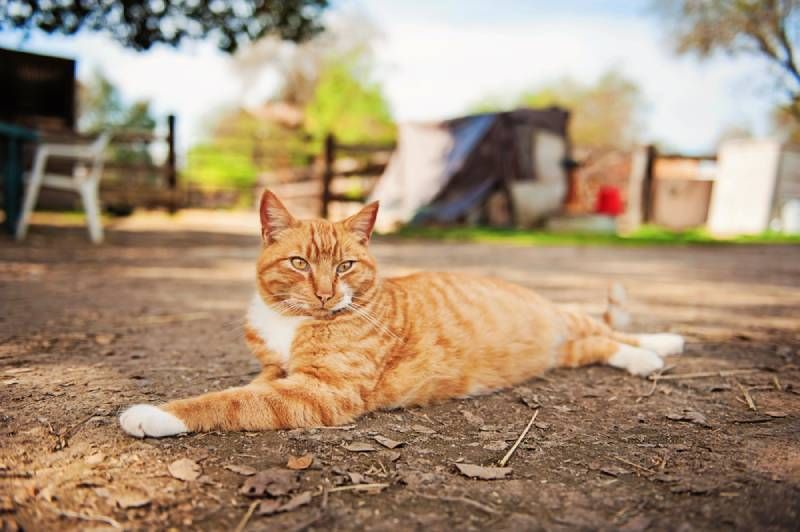
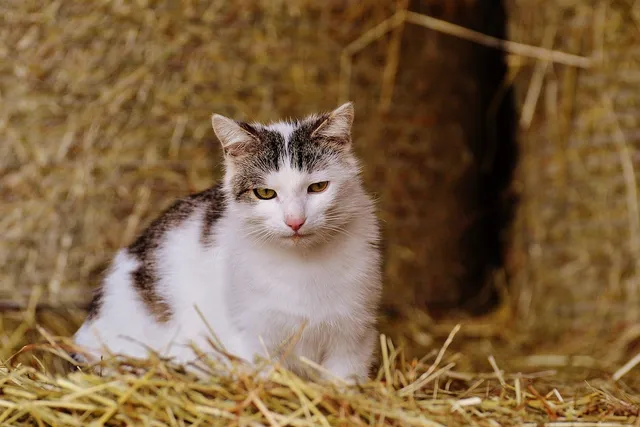
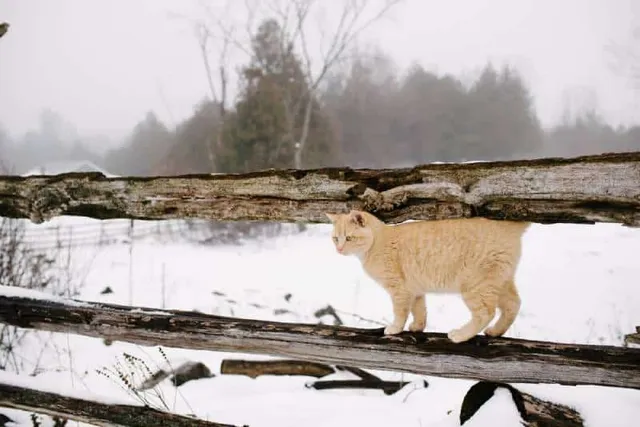
If you’ve ever lived on a farm, chances are you’ve had a few barn cats keeping tabs on the property, whether you meant to have them or not. Barn cats are feral or semi-feral animals skilled at controlling the vermin population. Some people believe that the original reason cats were domesticated was that they were needed to prevent rodents from consuming or contaminating crops meant for human consumption.
Whether you already have barn cats or are considering adopting some to help keep critters at bay, you’ll eventually need to learn how to keep your cats on your property. Read on to learn everything you need to know to prevent your vermin killers from running away.

The 7 Steps to Keep Barn Cats from Running Away
1. Adopt Them Young and Keep Them in Pairs
Kittens make the best beginner barn cats, as older kitties may be more likely to leave to try to return to wherever you adopted them from. The best kittens come from another farm as they’re already accustomed to outdoor life and won’t try to make your home their home.
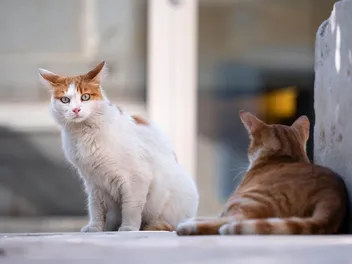
Adopting a pair may make them more likely to stick around your homestead as they’ll have a friend with them. You don’t have to stop at just a single pair, either. If you have a large farm, you’ll probably want to adopt a handful of barn cats to keep the vermin under control. It is important to ensure they all get spayed and castrated early so you can have your cat population under control.

2. Confine Them Initially
When you first bring your new barn cat(s) home, keep them confined for several weeks until they recover from the stress of the move. Failing to take this step may mean your new pest control partners disappear in search of their previous homes.
We recommend keeping them locked in a garage or shed where they don’t have access to the outdoors. Of course, you’ll need to ensure the area you’re confining them to is safe. It can’t be too hot or cold and needs enough space for them to feel comfortable.
Keeping them confined will also allow you to monitor them to ensure they’re healthy and do not bring a contagious disease that can pass to your other cats.
3. Socialize With Them
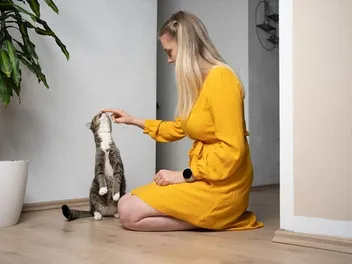
Though your barn cat may just be a means to an end, that doesn’t mean you have to treat them like they are disposable. Socialize with your new cats just as you would any other household pet. Talking to them during their settling-in period will help them learn your voice and understand that you don’t mean harm. If your barn cats aren’t afraid of you, they’ll be much less likely to want to run away. This is likely to work well with kittens, if you adopt an adult, they might still prefer to keep their distance, but you must at least try respectfully, without forcing it.

4. Feed a High-Quality Diet
You can’t expect to keep barn cats around if you don’t give them what they need to thrive. There’s a misconception that a well-fed cat will be a poor hunter, but this is not true. Hunting is coded into a cat’s DNA, so barn cats with a full tummy will still do their job; they’ll just be able to do it better if they’ve been fed properly.
There’s another common myth that barn cats don’t need to be fed cat food because they’ll be chasing and eating vermin all day. While it’s true that your cat will likely eat at least some of their prey, they still need a diet consisting of high-quality protein to thrive as a hunter. Choose high-quality food. Don’t put out more food than your cat will eat in one sitting and avoid using gravity feeders that can lead to overeating and obesity.
A well-fed cat will be a much more efficient vermin hunter because they won’t spend all their energy searching your yard for something to eat. When their nutritional needs are met, they’ll have plenty of energy for hunting. Plus, if your barn cat knows they will get a meal at home, they won’t feel the need to wander into your neighbor’s farmyard in search of food. We recommend reaching out to your vet for advice when choosing the perfect food for your cat.
5. Provide Shelter
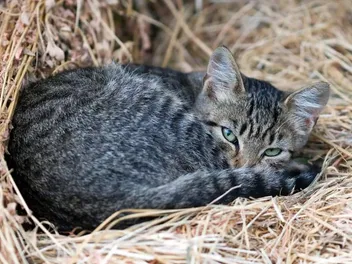
Even barn cats need a safe place to call home at the end of the day. They’re pretty good at finding a cozy spot in your barn or outdoor shed, but you’ll need to ensure these areas are open and easily accessible for them. Provide extra warmth with blankets or hay bales in winter.
Some farmers keep their barns open at night or install access points that allow their cats can come and go as they like. You’ll likely find this works well for your barn cats as they won’t particularly care for being locked up and may do their best hunting during the night hours.
The exception to this rule is if you have predators around your homestead. For example, bobcats and coyotes are a threat to cats in rural areas, so if you know you have them lurking around after dark, you may want to shut your cat in a shed or barn for the night.

6. Don’t Withhold Medical Care
Though you may consider your barn cats as employees and not pets, you still need to provide them with medical care. As mentioned beforehand, you should have them spayed and neutered to prevent any unwanted litters and, at the bare minimum, you must keep up with their rabies vaccinations. This will protect not only your barn cat from rabies but also your family and other pets.
7. Give Them Space
It’s important to remember that your barn cats are at the very least, semi-feral. Never force physical attention on them. Giving them space will keep you safe from potential attacks and prevent them from feeling threatened to the point where they feel they need to escape. Earning their trust comes with time and patience, but you shouldn’t ever expect your barn cats to be open to snuggles and pets.

Final Thoughts
Barn cats play a vital role on the farm. You and your farm cats will have a symbiotic relationship—you rely on them to keep vermin at bay, and they rely on you to provide them with the necessities of life. If you treat them right, they’ll stick around for many years to come. The key to keeping your vermin killer on your farm is to provide ongoing care. The cats won’t roam too far if they know they’re well cared for at home.
See Also: How to Train a Barn Cat: 10 Easy Steps
Featured Image Credit: Horse Crazy, Shutterstock
Expert cat care, straight to your inbox
News, insights, and useful advice, delivered to you.

No spam — unsubscribe anytime.
By signing up, you agree to our Terms & Conditions and Privacy & Cookies Policy.
How useful was this post?
Click a star to rate. You can leave written feedback afterwards. (We read all feedback.)
For Chantelle, writing and animals are the two driving forces in her life. Growing up on the Canadian prairies surrounded by pets, she now shares her home with five cats, two guinea pigs, and a bearded dragon. Chantelle, her husband, and their child pride themselves on being dedicated pet parent, even spending a fortune on wall-mounted cat shelves to provide their cats with an indoor jungle gym. When she's not snuggling with her cats or photographing their humorous moments, Chantelle is exploring the Rocky Mountains, rewatching her favorite Netflix series, and reading up on various random subjects.