How to Keep Barn Cats Warm in the Winter: 6 Vet-Verified Steps to Follow


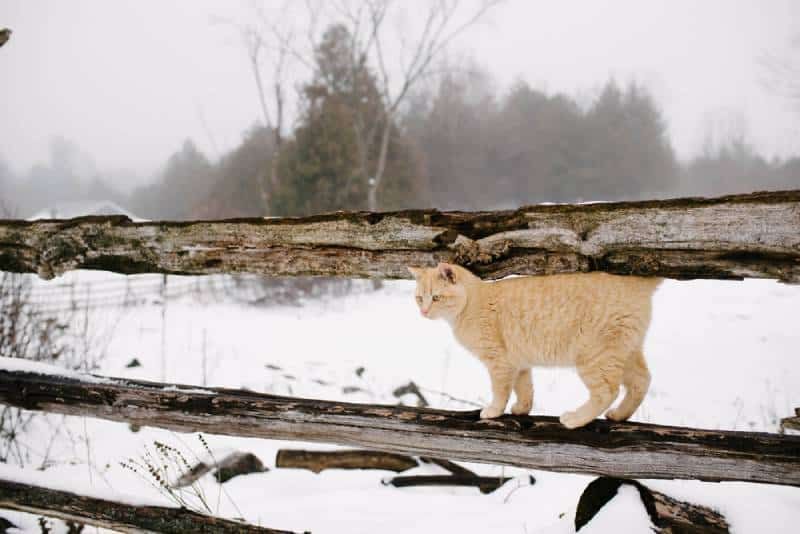
Cats are very resilient creatures that rise to the occasion in numerous circumstances. However, when temperatures start to drop and the earth starts to freeze, it becomes a very unfriendly place for our felines.
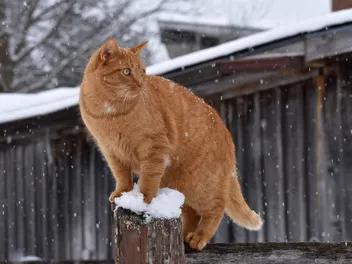
Whether you have an outdoor cat or feral kitties living in your barn or running around your neighborhood, you'll definitely want a way to keep them warm. Your contribution might be the make-or-break that gets them through the winter.
If you want to help barn cats in winter, we plan to show you many ways to keep your purring pals safe during snowy months.

The 6 Ways to Keep Barn Cats Warm in Winter:
Below, we rounded up some ways to keep your barn cats warm during wintertime. Even if they're not your cats, and there are a couple of homeless feral cats around your neighborhood, it's always a good thing to do to keep neighborhood kitties protected.
1. Offer Shelter
The most obvious thing you can do is create some type of shelter. There are tons of very cheap and easy DIY projects on the Internet that you can look through. You can make shelters out of totes and insulation, or you can get fancy and make them a heated pet box with a sealed door. Ultimately, you can get as creative as you’d like.
2. Offer Several Options
If you have a place under your porch, back deck, under a garage, or another little nook and cranny, you can always add some insulation, such a straw, in these areas so cats can seek refuge there as well. After all, a cat isn’t going to want to stay in one little tiny cat box all winter long when there’s a whole world to explore. The idea is to give them as many valuable spaces as necessary during this time. So, if there are any additional spaces where you can put a little nest, absolutely do so.
3. Choose a Proper Insulator
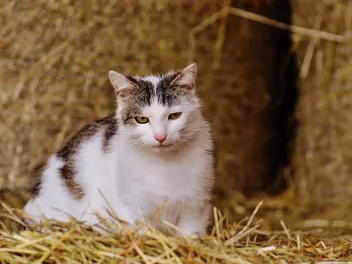
Always use proper insulation if you are making a cat box or shelter. For certain DIY setups, you can use house insulation, permitting it does not come in contact with the cat at all. Always make sure any materials you use are completely feline-safe and cannot get wet. If you just want to set up a space in a barn, straw makes great insulation, so you can add a pile of straw for your barn cats to keep warm provided that it isn’t going to get too cold.

4. Keep Away from Moisture-Holding Bedding
On that note, staying away from any moisture-holding bedding is a good decision. Straw is an incredible insulator, and it can get moldy if it's used for too long, so you'll need to change it out. However, it does not get soggy or break down with moisture. Other types of bedding, such as wood chips, can soak in moisture, making it colder, and making the cat more susceptible to upper respiratory infections, like pneumonia.
5. Provide Proper Food and Water
Food and water? What does that have to do with staying warm? A lot! Cats need to ingest enough calories to keep up with temperature regulation. If a cat is depleted of vital necessities, their bodies won’t be able to keep up properly.
6. Check on Them Regularly
Always make sure to check in on your kitty friends. You never know when they might need you. Keep an eye on them and always pay attention to things like body language and health signals. If they look like they are losing weight, losing hair, or showing any signs of illness, it's best to get them and take them to the vet, if possible. If you can't afford to do so, try to accommodate them as much as you can at home and keep them protected from the elements as much as possible.


Concerns for Cats in the Winter
There are quite a few concerns for cats outside in the wintertime, mostly for obvious reasons – it's cold! But here are some specifics.
Hypothermia
Hypothermia is a huge concern for any pet that spends time outdoors in cold weather. Cats are animals that naturally seek warmth, but their body temperature can drop dangerously low in cold, wet, or windy conditions—especially if they’re unable to find shelter. Kittens, elderly cats, and those that are sick or underweight are particularly vulnerable because they have more difficulty regulating their body temperature. When a cat becomes hypothermic, its body can quickly lose the ability to maintain normal function, which can be life-threatening without prompt warming and veterinary care.
Signs of hypothermia include:
Hypothermia is a medical emergency.
Frostbite
Frostbite is a real concern for cats exposed to freezing temperatures, especially when the weather is wet or snowy. Surfaces such as cement, pavement, and metal can become extremely cold and may contribute to tissue damage when a cat walks or lies on them. The ears, tail, and paw pads are the areas most commonly affected. Frostbite can range from mild (causing redness, swelling, and discomfort) to severe, where the tissue dies and may even require amputation. Preventing exposure to freezing temperatures and ensuring cats stay warm and dry is the best way to avoid frostbite.

Malnourishment
Malnourishment is a huge concern in wintertime, especially for feral cats. In the wintertime, the body uses a lot more calories to keep up with the body’s needs. The body requires a lot more energy to maintain temperature at this time, so cats will require a lot more food to keep them fueled. Even if you have a slew of feral cats in your neighborhood, it would be such a wonderful thing if you always left a supply of food out for them to consume. They could really use the extra boost this time of year.
Dangers of Being Hit
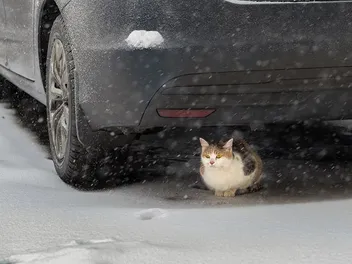
Cats have an even more increased risk in the wintertime of being hit by a car. That is because cats often seek refuge on top of, inside of, and on the tires of vehicles in the winter. When you're driving your vehicle, it's getting all nice and warmed up, serving as a wonderful hotbox for any cold kitty. When people start up their cars to leave in the morning, often they don't realize that there is a cat on their tire or in their engine. Once you start to go, it can cause the cat to leap or jump out while the car is in motion, which can cause injury and lead to death.
Should You Let Your Cat Outside in the Winter?
If you have cats of your own, you might wonder whether it’s a good idea to let them go outside during the winter. While this is ultimately a personal decision, it’s not recommended to leave cats outdoors in freezing temperatures. Cats can tolerate cool weather for short periods, but once the temperature drops below about 45 °F (7 °C), especially when it’s windy, wet, or snowing, they are at risk of hypothermia and frostbite. In many regions, winter temperatures fall well below this threshold, putting significant stress on a cat’s body. So, even if your cat seems eager to go out, it’s safest to keep them indoors as much as possible. If you do allow brief outdoor time, always check the weather, ensure it’s above freezing, and make sure your cat has access to shelter and warmth.

Conclusion
Wintertime can be a very stressful time for our feline buddies, especially those who aren’t lucky enough to have homes. You can easily create shelters for barn cats and outdoor cats by giving them heat, insulation, and basic necessities like food and water. It doesn’t have to be a horrible time for our fluffy pals. However, we always advocate that any cat be left in a warm heated environment all winter, as opposed to being let out into the elements.
Featured Image Credit: Liz Cooper, Shutterstock
Expert cat care, straight to your inbox
News, insights, and useful advice, delivered to you.

No spam — unsubscribe anytime.
By signing up, you agree to our Terms & Conditions and Privacy & Cookies Policy.
How useful was this post?
Click a star to rate. You can leave written feedback afterwards. (We read all feedback.)
As a freelance dog writer and passionate pet enthusiast, Ashley Bates is pursuing studies in animal therapy. A mother to four human children and 23 animal companions, Ashley is dedicated to volunteering at shelters, advocating for animal rights, and rescuing animals in need. Her goal is to spread awareness, provide education, and offer entertainment about pets to reduce homelessness. Ashley's specialties include dogs and cats.