Can Cats Go Outside in the Winter? Vet-Approved Tips for Indoor & Outdoor Cats


In this article
Whether your cat can safely go outside in the winter depends on more than their personality or breed. A cat’s ability to tolerate cold weather varies according to several factors — including the climate, type of home, age, health, and lifestyle. An active, healthy cat accustomed to exploring outdoors in a region with mild temperatures will likely cope much better than an elderly cat in an area with freezing temperatures.
We explore these factors here and go over tips on how to prepare cats for winter, whether you let your cat go outside or not.

Can Cats Go Outside in the Winter?
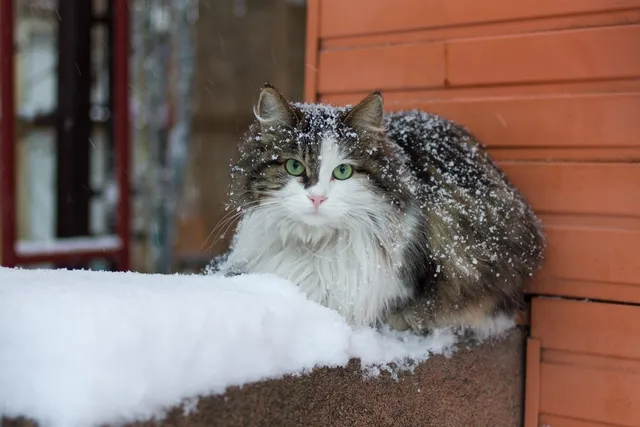
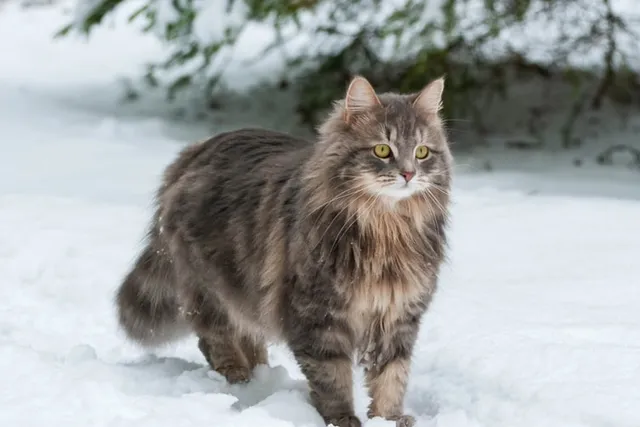
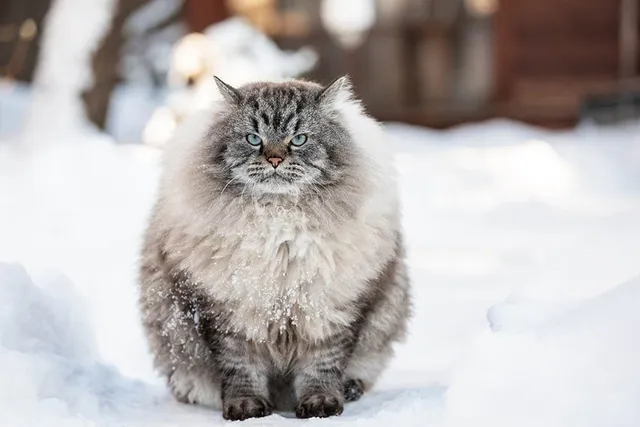
It depends on the cat’s breed, age, and health. Many cat breeds that were developed in cold areas have adapted to those areas and can be outside in low-temperature weather. However, a hairless cat does not fall into this category, for example.
Indoor cats that escape during the winter months have a lower survival chance. They might lose their way and have fewer survival skills. They may even be susceptible to hypothermia and frostbite.
The exact temperature outside also matters. When the weather dips below 45°F (or 7.2ºC), your cat may show signs of distress and early hypothermia. Cats should preferably have access to a warm place at all times. But in very cold weather, you may want to restrict your cat’s outside time to the warmest parts of the day only (or not at all).

If there is a freeze or cold weather warning in your area, the temperature likely isn’t safe for your cat. These warnings take wind into account, too, which can have a huge effect on hypothermia risk.
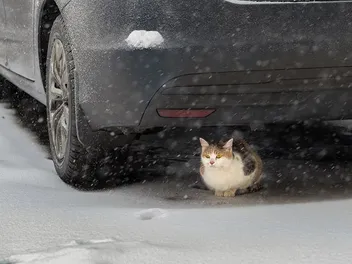
Precipitation can also leave your cat open to hypothermia. Rain, snow, and sleet can all make your cat wet, which limits their ability to regulate their own body temperature.
The 4 Tips on Preparing Outdoor Cats for Winter
If you have a feline that spends time outside, you’ll need to prepare them for the environment properly. These steps can help prevent cold-related injuries like hypothermia, which can be deadly.
1. Provide Access to Warm Shelter
All outdoor cats should have access to a warm, waterproof shelter, even if you live in a mild climate. Cats should preferably spend nights indoors, as nighttime tends to be much colder than daytime. However, shelter should still be provided so your feline can be somewhere protected at any point.
Line the shelter with straw for extra warmth. Don’t use blankets, as these can get wet and cause hypothermia. Straw stays insulating even when your cat is soggy. Place the shelter somewhere away from the wind and snow if possible.
Garages and porches are great places to put shelters, but you can also put them against your house for extra wind blocking.

2. Provide Food and Water
Cats that spend time outdoors in the winter may need extra food, as they will be burning more to keep themselves warm. You may need to invest in high-calorie food for the winter or even add in extra wet food.
Don’t forget to provide your cat with access to water at all times. It’s important that the water doesn’t freeze, which can be easier said than done in the middle of winter. Heated bowls can be helpful, but checking the water often can also prevent freezing. Anytime your cat goes outside, make sure they have access to fresh water.
3. Supervise Your Cat
You should monitor your cat closely in the winter. Outdoor cats tend to get ill more often in the winter, just like humans do. Most of these are minor, but outdoor cats are also more likely to develop cold-related illnesses like hypothermia.
Hypothermia and similar problems can be deadly if left untreated. The longer your cat goes without treatment, the more likely they are to develop side effects. Common signs of hypothermia include lethargy, cold limbs, pale mucous membranes, shivering, and loss of appetite.
That said, if your cat starts acting weird at all, it’s essential to take them to the vet promptly.
4. Do a Weather Check
Just because you let your cat go outside in the winter doesn’t mean you should let them do so all the time. If the weather takes a turn for the worse, it is a good idea to deny your cat outdoor access until it becomes milder.
Your cat doesn’t have a way to predict the weather, but you can give the forecast a quick check each day. Don’t let your cat outside if it’s going to stay below freezing for much of the day or if a strong winter storm is expected.
The 4 Tips on Preparing Indoor Cats for Winter
Even though they aren’t going outside, indoor cats must also be prepared for winter. Many will slow down in the winter due to the decreased daylight and colder temperatures, which can lead to unhealthy weight gain.
1. Keep Them Cozy
Many of the negative effects that indoor cats experience in the winter come from the cold weather. It’s important to keep your cat warm inside by providing plenty of cozy places for them to sleep. Heated cat beds and blankets in the sun are all solid options.
Of course, every cat has their own preferences, so keep your pet’s likes in mind when selecting bedding and setting up sleeping spaces.

2. Provide Enrichment
In the winter, cats usually become less active and spend more time resting. While it’s normal for them to nap more in winter, too little activity can lead to boredom and unwanted weight gain. Encouraging regular play and mental stimulation helps keep your cat fit and content, even when the weather keeps them indoors.
Invest in plenty of toys for your feline, and plan on playing with them daily. Using interactive toys even for only a few minutes a day can go a long way toward keeping your cat healthy.
You can also use puzzle feeders to keep your cat engaged when you aren’t available for play. Battery-powered toys may be necessary for cats that don’t tend to engage in play unless prompted.
Remember, every cat has their own needs and preferences. Some cat breeds don’t need as much movement as others.
Looking for toys that will cater to the many needs of your cat? The Hepper Hi-lo Cat Scratcher is one of our favorite cat products, and it will encourage your cat to get active. Its clever three-angle design offers multiple ways for your cat to climb, stretch, and exercise. Made of a sturdy plywood base and a replacement cardboard insert, this scratcher is an option that cats can enjoy for years to come. If your cat requires a little encouragement for self-play, the Hepper Catnip Mice Toy Set is a fantastic choice for their instinctual needs. Made with natural, bite-resistant hessian fabric and filled with organic catnip. Cats can satisfy their natural prey instincts while getting the physical activity they need to thrive.
| Image | Product | Details | |
|---|---|---|---|

|
Hepper Hi-Lo Cat Scratcher |
|
Check Price |

|
Hepper Catnip Mice Toy Set |
|
Check Price |
At Catster, we've admired Hepper for many years, and decided to take a controlling ownership interest so that we could benefit from the outstanding designs of this cool cat company!
3. Adjust Food as Necessary
Most cats tend to sleep more due to the increased darkness, and they may not burn enough extra calories to make up for this. This can lead to extra weight gain, which can cause health problems. Obesity is a serious issue in cats, so you should take care to prevent it.
However, other cats may sleep more due to the increased darkness, and they may not burn enough extra calories to make up for this. This can lead to extra weight gain, which can cause health problems. Obesity is a serious issue in cats, so you should take care to prevent it.
It’s hard to tell which way a particular cat will go. Therefore, you’ll need to keep an eye on your cat’s weight and adjust accordingly. When in doubt, speak with a vet.

4. Double-Check Safety
Indoor cats are at more risk if they get lost in the winter. The weather can make it much harder for them to survive, even for a couple of hours, until you can find them. Therefore, double-check escape routes like doors and windows. Take extra care to keep everything closed and locked.
While you’re at it, make sure toxic winter de-icing products are also kept away from your cat. Antifreeze is extremely toxic, but they are often attractive to cats and other animals.
Conclusion
Cats can go outside in the winter, but it depends on your area and your cat. Winter is more dangerous than summer in most areas, as there is a risk of frostbite and hypothermia. For this reason, you should take extra precautions during this time to ensure that your feline is kept warm and safe.
Indoor cats require different precautions than outdoor cats. These tips should help you keep your cat safe no matter where they’re spending their time.
Also see: Best Cat Harnesses - Reviews & Top Picks
Featured Image Credit: Dmitry Naumov, Shutterstock
Expert cat care, straight to your inbox
News, insights, and useful advice, delivered to you.

No spam — unsubscribe anytime.
By signing up, you agree to our Terms & Conditions and Privacy & Cookies Policy.
How useful was this post?
Click a star to rate. You can leave written feedback afterwards. (We read all feedback.)
Kristin is passionate about helping pet parents create a fulfilling life with their pets by informing them on the latest scientific research and helping them choose the best products for their pets. She currently resides in Tennessee with four dogs, three cats, two fish, and a lizard, though she has dreams of owning chickens one-day!