6 Natural Home Remedies to Treat Ringworm in Cats
In this article
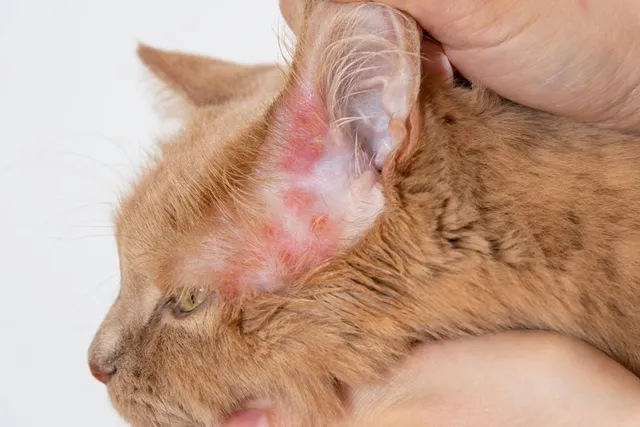
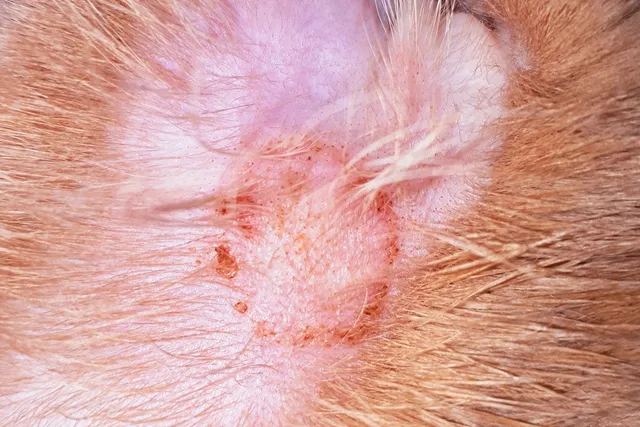
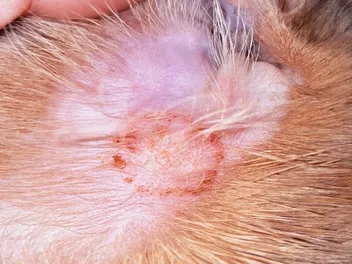
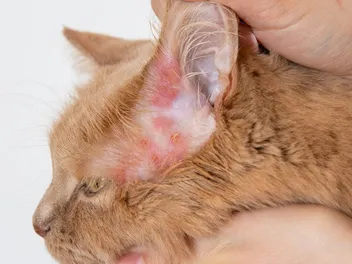
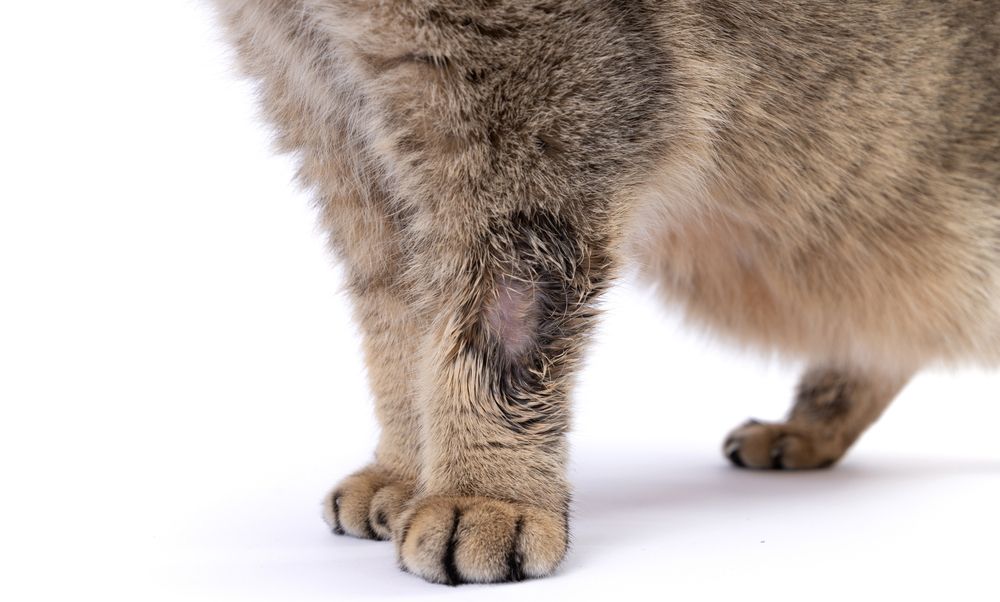
If you own cats long enough, sooner or later, you might see them: little lesions all over the animal’s skin, right below the fur.
That’s ringworm — and if you’re not careful, this highly infectious disease can spread all over your cat’s body, not to mention the other members of your family.
If you're looking to learn how to treat ringworm without going to the vet, you're in the right place. Fortunately, there are a variety of remedies you can use to stop this nasty visitor in its tracks.

The 6 Home Remedies for Ringworm in Cats
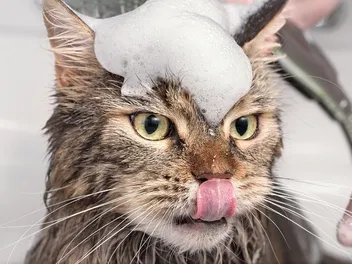
1. Soap and Water
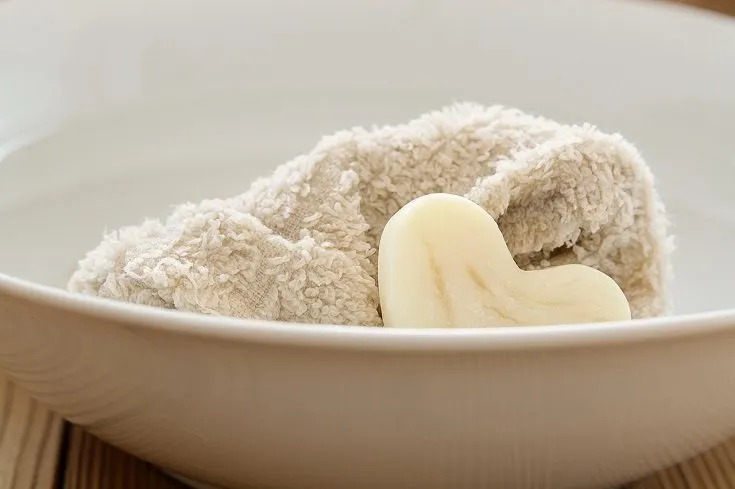
While this won’t actually treat the ringworm, it can stop it from spreading — and containing the infection should be your priority. However, this only works if you dry the area thoroughly after you’re done washing it, as the fungus thrives in moisture. Good luck getting your cat under the water, though.
2. Aloe Vera
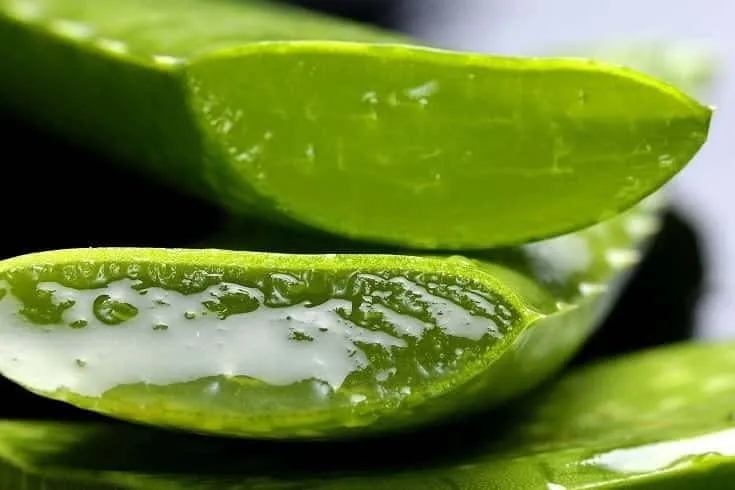
Aloe vera is full of antiseptic properties, and it’s been shown to have antifungal and antibacterial properties. Rub a little gel on the affected area a few times a day until it clears up. This remedy may cause suspicion in some people, as aloe is said to be toxic to cats1 — but only the exterior of the leaves, not the gel inside. Still, go easy on the application, as your cat can get diarrhea if they ingest too much.
Get in touch with a veterinarian for guidance and advice on the best course of action.
3. Apple Cider Vinegar
Another proven antifungal agent, apple cider vinegar is completely safe for use on cats. Simply take a cloth or swab, dip it in the undiluted vinegar, and wipe it across the affected area. You can do this up to three times per day.
4. Coconut Oil

Coconut oil has shown some promise in treating skin infections in humans, so there’s reason to believe that it could work on cats as well. You can apply the liquid oil directly to the skin up to three times per day. The best part is, even if it doesn’t work, your cat will have a shiny, beautiful coat from all the oil.
5. Lemongrass Oil

This essential oil can kill a variety of fungi, so it’s a good choice for stopping ringworm. However, it absolutely must be diluted first (coconut oil makes an excellent carrier oil), as unadulterated lemongrass oil can be toxic to felines.
6. Myrrh Oil
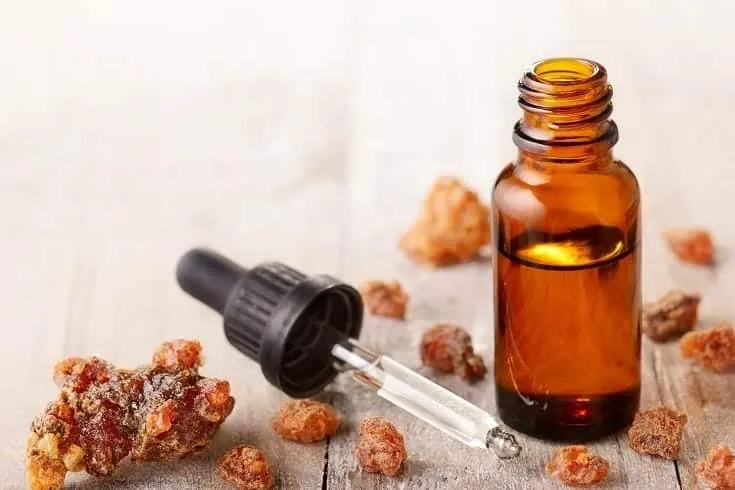
Made from the sap of a tree native to Africa and Asia, myrrh oil can be used to combat all sorts of skin infections. This is another essential oil that needs to be diluted, but if you make a poultice with it, you may be able to clear up ringworm patches in a matter of days.
What to NEVER Use
When searching for natural remedies, you’re likely to come across all sorts of recipes that promise to clear up ringworm in no time. However, do your research before using any of them, as many of the most popular cures are toxic to cats.
Examples of things that you should never give to or use on your cat include:
All of the above ingredients are extremely toxic, and many of them can kill your cat. However, there are a few other popular remedies that are safe but unlikely to prove effective, as they lack antifungal properties. These include:
These include:
What Is Ringworm, Anyway?
Ringworm is a fungal infection affecting the outer layers of the skin. It’s not actually caused by a worm; it gets that name because it causes a red “ring” on the skin.
These small lesions can sometimes be nearly undetectable on cats, as they’re small and covered by fur. However, these rashes are not dangerous and will often go away on their own after three or four months.
Until they do, though, the disease will remain highly infectious. It can be spread from cats to dogs and even humans via skin-to-skin contact. While not dangerous, the rashes can be incredibly irritating and unattractive, so it’s not something that you want to catch.
Do These Home Remedies Really Work?
In most cases, there haven’t been any studies done to test their effectiveness on cats. All you have to rely on is anecdotal evidence and somewhat related research. That’s a fancy way of saying that there’s no real evidence that they’re effective.
That’s why most vets would discourage their use, as they prefer other treatments like lime sulfur therapy. Many cat owners don’t like to use this treatment, though, because it smells horrible, can cause hair loss, and may discolor the skin.
There are also oral treatments available, but these are expensive and can cause undesirable side effects.
As a result, many people are drawn to natural home remedies like those shown above. You can try them if you like, but we recommend starting with the lime sulfur therapy if you definitely want to see results.
Sources
Featured Image Credit: Nadya Besoonov, Shutterstock
Expert cat care, straight to your inbox
News, insights, and useful advice, delivered to you.

No spam — unsubscribe anytime.
By signing up, you agree to our Terms & Conditions and Privacy & Cookies Policy.
How useful was this post?
Click a star to rate. You can leave written feedback afterwards. (We read all feedback.)

Christian started writing for a local newspaper as a teenager, and he's been involved in the publishing industry for most of his adult life. Combining his love of writing with a passion for animals, he is currently the Director of Editorial at Pangolia and the Editor-in-Chief at Catster.
Christian lives in the Philippines with his wife, son, and four rescue cats: Trixie, Chloe, Sparky, and Chopper.