What Does Ringworm Look Like on a Cat? Vet Approved w/ Pictures


In this article
It is never enjoyable when something is wrong with your cat. Whether it’s an upset stomach, a cut, or something more serious, neither you nor your pet are having a good time when they are ill. And when you hear the word “worm” regarding your cat, your mind likely comes up with a scenario that’s not very pleasant.
However, the good news is that there are no actual parasitic worms involved when it comes to ringworm infection. That still does not make it enjoyable for your cat, though, so you should be aware of what it looks like on a cat—even more so because your cat can pass it along to you!
Let’s go over what ringworm looks like on a cat. We will also give you the lowdown on how ringworm is treated and ways to help keep ringworm from spreading. Keep reading for more information and pictures of ringworm in cats.

What Is Ringworm?
Despite its name, ringworm is a fungal infection that affects the hair, nails, and skin and is not a parasite1. The fungi that cause this infection are known as dermatophytes—some dermatophytes only infect a single species, while others will infect several different species and spread from species to species.
And because most ringworm infections in cats are caused by a specific dermatophyte species known as Microsporum canis that also infects people and dogs2, you run the risk of getting ringworm from your affected pet.
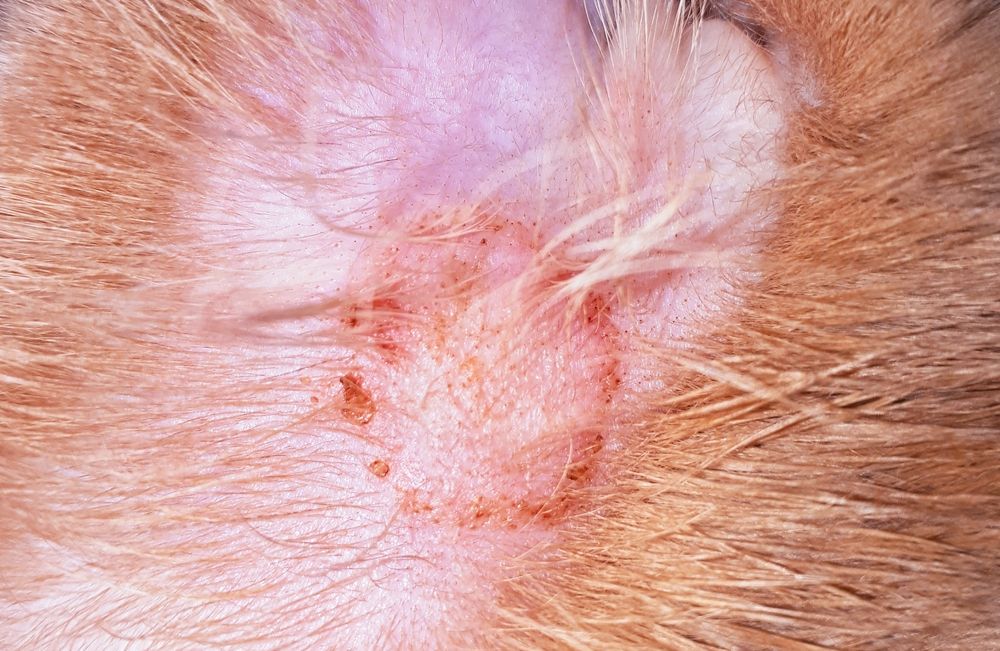
What Does Ringworm Look Like on a Cat?

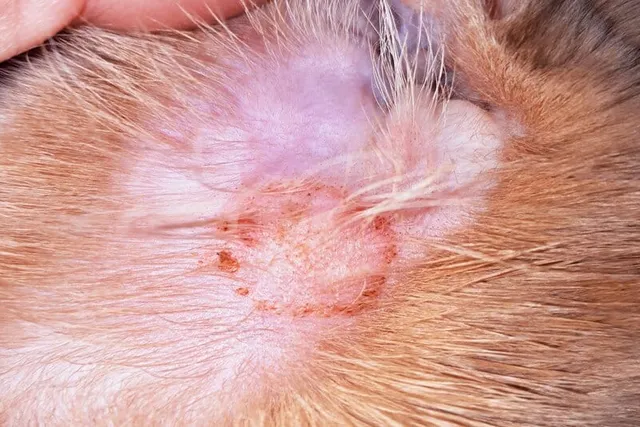
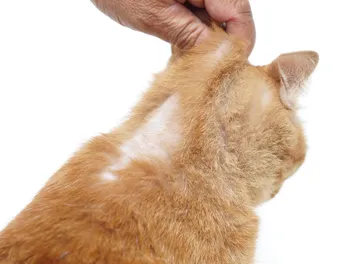
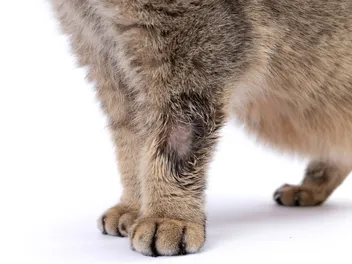
Ringworm gets its name from how it typically looks on human skin—a red ring around where the infection is located. In pets, you’ll normally see hair loss around the infected area. These lesions usually show up around the ears and head, front legs, or back (though they may show up anywhere on the body).
There may be more symptoms that appear other than hair loss, though. You might also see the following:
- Gray scaling on the lesions
- Dull fur
- Broken, stubbly hair
- Abnormal-looking nail beds or nails
- Itchiness
- Inflammation of the skin
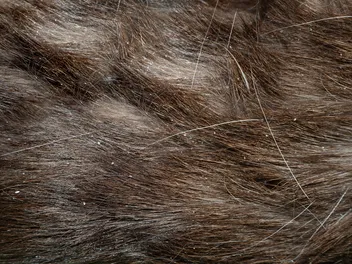
- Dandruff
- Changes in the color of the fur or skin
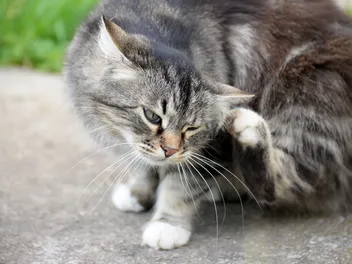
- Excessive grooming or scratching of infected areas
How Is Ringworm Treated?
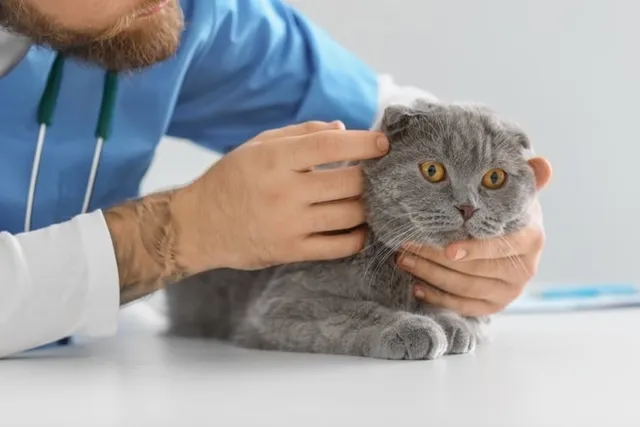
The first step in treating ringworm in cats is, of course, taking them to the vet for a proper diagnosis. Your vet will have several ways to determine if the infection is indeed ringworm. Some of the ways they’ll test for ringworm include:
- Wood’s lamp, which is a fluorescent lamp that will show the skin lesions as bright green if they are ringworm
- Fungal culture, which involves taking hair from your cat and monitoring for the growth of fungi
- Examination via microscope, which involves removing hair from your pet and viewing it through a microscope to locate spores
- PCR testing, which looks for fungal DNA
Once ringworm has been determined, there’s a combination of ways in which the infection is treated. First will be with oral antifungal medication—likely either Terbinafine or Itraconazole—which will work to stop the infection and keep it from proliferating. Then, topical treatments will be used to help stop the ringworm from spreading to anyone else in your home. These could be medicated shampoos or a sulfur rinse that works to disinfect your cat’s coat.
Finally, you’ll need to do some cleaning to eliminate any fungal spores in your home. This will include vacuuming and disinfecting carpets, sweeping and disinfecting floors, and washing any sheets, cat beds, or clothing that may be contaminated.

How Can I Stop the Spread of Ringworm?
If your cat has ringworm, there are a few things you can do to help prevent it from spreading to yourself or others in your home. For starters, your pet may need to be quarantined for some time while treatment occurs. You should also wash anything your cat has come into contact with recently, whether that’s toys, beds, clothing, or other items. It’s also a good idea to wash items such as bedding a couple of times a week while your pet is being treated to continue keeping your cat’s environment decontaminated.
Finally, one of the most vital ways to avoid ringworm contamination is to avoid petting or touching your cat while it’s in the treatment phase. If you can’t resist giving your cat some love, wash your hands incredibly well after touching them, and don’t touch any other part of your body, such as the face.
Conclusion
Recognizing what ringworm looks like on a cat can help you prevent this infection in its tracks before it spreads throughout your home. If you see that your pet has skin lesions with a red ring around them, consult with your vet to first make sure it actually is ringworm. Then, once you have a suspected or confirmed official diagnosis, treatment can begin.
During treatment, it’s important to decontaminate your home environment to prevent reinfection or the spread of infection among others in the home. It will be a bit of cleaning on your part, but well worth it to get rid of the ringworm!
Featured Image Credit: Yaya photos, Shutterstock
Expert cat care, straight to your inbox
News, insights, and useful advice, delivered to you.

No spam — unsubscribe anytime.
By signing up, you agree to our Terms & Conditions and Privacy & Cookies Policy.
How useful was this post?
Click a star to rate. You can leave written feedback afterwards. (We read all feedback.)
Misty Layne lives out in the woods in small-town Alabama with her two Siamese cats —Serafina and Jasper. She also has an array of stray cats, raccoons, and opossums who like to call her front porch home. When she’s not writing about animals, you’ll find her writing poetry, stories, and film reviews (cats, by far, her favorite writing topic, though!). In her free time, Misty enjoys chilling with her cats, playing piano, watching indie and foreign films, photographing abandoned places, and catching up on her never-ending TBR list.