Can Indoor Cats Get Ringworm? Vet-Reviewed Signs, Causes, Diagnosis & Treatment


If you’re a cat parent, you know how important it is to keep your feline’s health in good shape.
Since ringworm is a recognized skin condition in cats, you need to know if your cat can suffer from it and how you can help. But what exactly is ringworm? And can indoor cats get it? Since ringworm can be transferred by various methods, indoor cats are at risk of getting ringworm as well - however, they're considered at lower risk when compared to outdoor cats.
Read on to learn more about this condition in cats, how it occurs, what its signs are, and if your indoor cat can get ringworm or not.

What Is Ringworm?
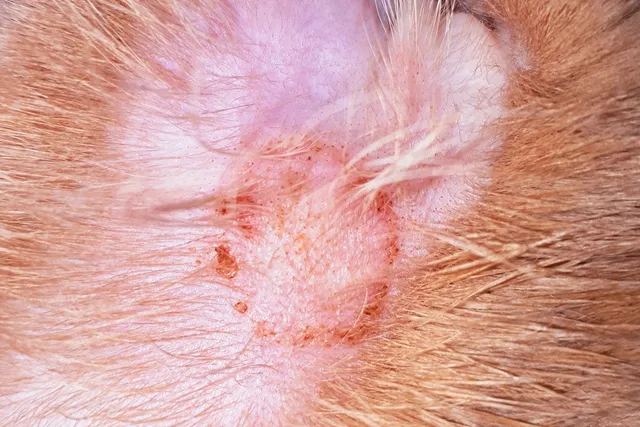
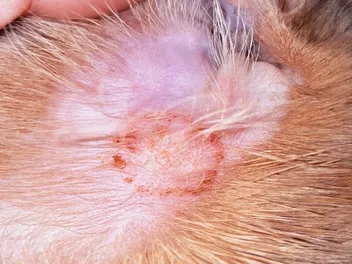
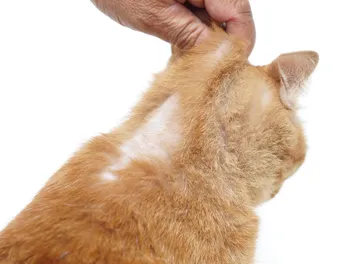
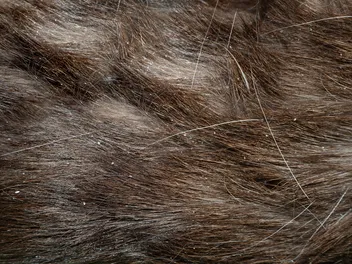
While many think of worms when they hear the word ringworm, this condition has nothing to do with worms. Ringworm is a skin condition1, also known as dermatophytosis, and it’s caused by a fungus that infects the hair, nails, and skin of your feline. The fungus lives on your feline, feeding off of hair shafts and spreading to the follicles, damaged follicles are lost - resulting in bald patches on your cat.
One of the biggest issues with this infection is that it’s typically highly contagious, although pets most at risk are those that are young or stressed.
Two species of ringworm are of interest in pet cats.
Ringworm species that are of interest in cats:

Can Indoor Cats Get Ringworms?
Indoor cats can get ringworm. There are several possible ways this can happen.
- Contact with infected animals - if you have other pets that venture outdoors, they may pick up fungal spores while outside and transfer them to your pet. The same risk applies if your pet comes into contact with a stray cat or accidentally ventures outdoors.
- Human to cat - when you go outdoors, you might pick up microscopic fungal spores without recognizing it. These might linger on your hands or body, and may transfer to your cat when you interact with them.
- Inanimate objects - fungal spores can be present on inanimate objects. The most common culprits are shoes; if you bring your shoes indoors you might be bringing in ringworm that can then infect your cat.
- Airborne spores - ringworm spores can transfer via circulating air and may enter your house or come into contact with your pet that way.
The infection rate is commonly low in indoor cats, and it’s much higher in outdoor and stray cats. However, since getting ringworm is still possible for indoor cats, you should observe your cat’s behaviors and notice skin changes that could indicate ringworm in time.
How Does Ringworm Occur in Cats?
Cats get ringworm when in contact with the fungus—if your feline touches an infected animal, person, or contaminated surfaces and soils, they could get ringworm. This fungus typically isn’t of much concern for a healthy cat.
The nature of this fungus allows it to thrive in the harshest conditions for a long time, which is how one animal/person can infect others.
Cats most vulnerable to ringworm are those that are young, stressed, outdoor-roaming, or in frequent contact with other animals in a confined space.
Factors That Increase the Risk of Infection:

Signs of Ringworm in Cats
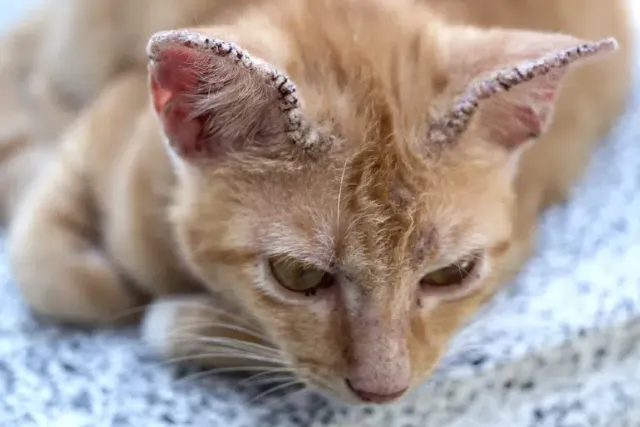
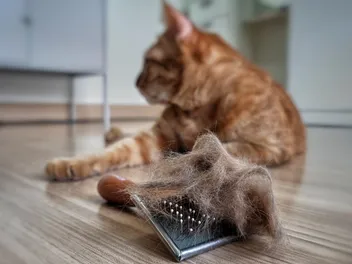
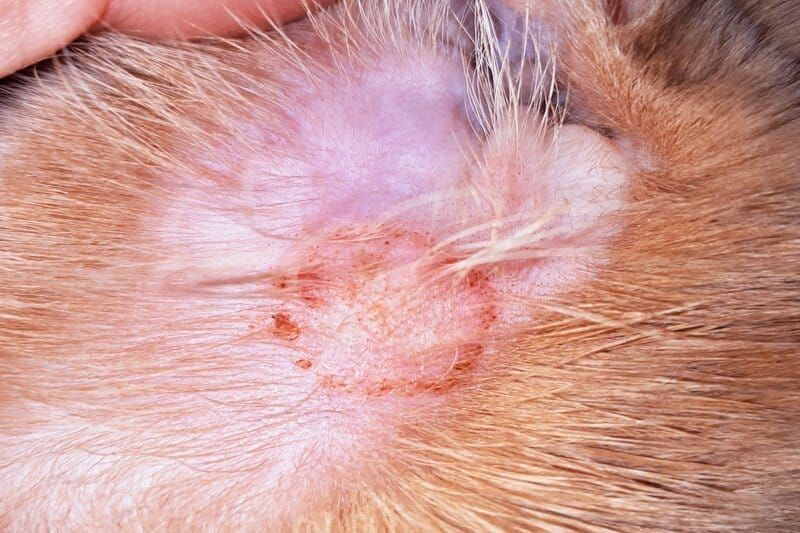
Sometimes, it can be hard to determine ringworm signs, as they vary due to different conditions. As this infection affects the skin and hair (specifically the hair shafts and follicles), that’s likely where you’ll notice the most changes and possible signs.
Signs of Ringworm:
One of the most significant issues with ringworm is that it resembles other feline skin conditions, which frequently makes it impossible to diagnose just by visual examination.
If a cat gets ringworm, the fungus will typically take 7–14 days to develop lesions, although that timeframe can be longer and take weeks. Some cats may never experience any signs, but they can transfer ringworm to dogs and humans. Healthy cats may sometimes be able to resolve this infection without any medication, however, medication is advised to prevent its spread and to expedite healing.
How Is Ringworm Diagnosed?
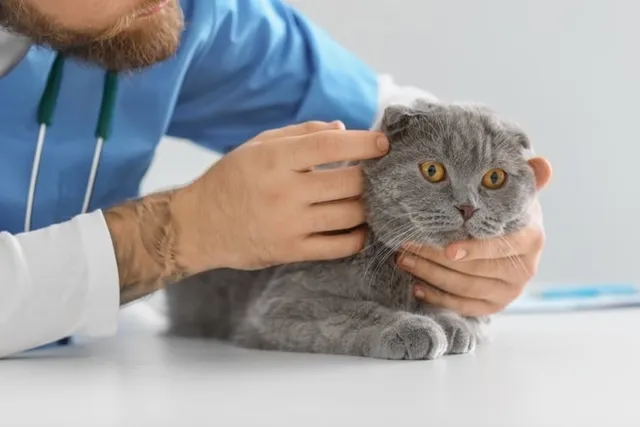
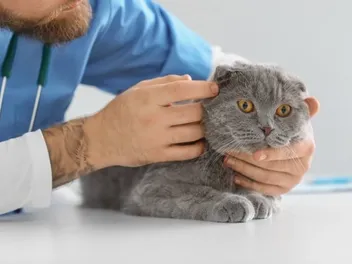
As ringworm cannot be diagnosed by visual examination alone, you might have difficulties realizing your feline has this problem on your own. However, if you notice any changes in your cat’s skin, you should take it to a vet check-up and see what’s happening.
Most of the time, the vet will perform one of the following procedures to diagnose ringworm:
- Wood’s lamp: The wood’s lamp is actually a fluorescent lamp that the vet uses to observe your feline’s skin. When a veterinarian puts the wood’s lamp near your cat, the lesions may fluoresce and glow green, showing your cat has ringworm. Although very rapid, this test is the least reliable as not all species of Microsporum will fluoresce under this lamp. Therefore, a positive Wood’s lamp test indicates infection, but a negative result does not rule out infection and requires additional tests.
- Microscopic examination: If the vet suspects your feline has ringworm, they will likely do a microscopic examination. The vet typically takes the hair that grows near the lesion and observes it under the microscope, looking for ringworm spores. This remains one of the most effective tests for ringworm.
- Fungal culture: When doing this test, the vet also takes the hair from the edges of the lesions. This test is great because it can allow you to find the source of the infection and ensure your cat doesn’t get in contact with it after the treatment. However, the fungus can take multiple weeks to develop, which can be tricky when you need to diagnose your feline’s condition quickly. Though the results take time, most veterinarians will use this method in conjunction with other examinations to confirm a diagnosis.
- Skin biopsy: This is one of the most accurate tests to confirm the presence of ringworm. However, it’s usually not used if microscopic examination of your pet’s fur yields a positive result to your veterinarian’s satisfaction. This is not used for most routine cases of ringworm infections, but might be indicated if the lesions around the “problem area” are of concern (for example, if the lesion also has tiny papules around it).
- Additional Laboratory Tests: In some cases, tests like skin biopsies are accompanied with additional tests, such as specific laboratory stains or a PCR test.

Ringworm Treatment
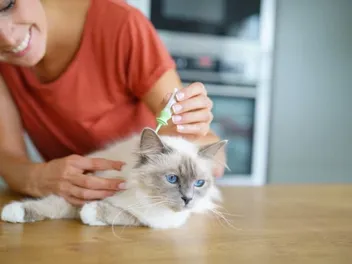
If your cat is diagnosed with ringworm, the vet will likely prescribe oral and skin medication for your feline. Your job is to ensure your cat doesn’t get infected again and stick to their treatment plan, so cleaning its environment and lowering the risk of a new infection is essential.
The skin medication for your feline typically comes in various forms, including:
These medications are usually used to expedite healing; the primary treatment is an oral, systemic antifungal drug appropriate for your pet.
You need to apply the topical products to your cat’s skin, particularly on the lesions, because they help the skin repair faster. Depending on your feline’s diagnosis, this type of treatment could take weeks or months for your cat to recover fully. It is considered standard practice for your veterinarian to have a follow up appointment to examine your cat after a period of about 2 weeks to adjust medications as necessary.
Conclusion
All cats can get ringworm, so even your indoor cat is at risk of this condition. Ensure you practice prevention measures, and if you suspect ringworm in your cat, you should take them to a vet for a check-up. The vet will help you determine what’s happening and prescribe the necessary medication.
Though most animals can often quickly bounce back from this infection once they are given appropriate treatment, additional rounds of medication and treatment might be prescribed for particularly vulnerable pets. It is best to follow your veterinarian’s lead on this matter.
Sources
Featured Image Credit: Yaya photos, Shutterstock
Expert cat care, straight to your inbox
News, insights, and useful advice, delivered to you.

No spam — unsubscribe anytime.
By signing up, you agree to our Terms & Conditions and Privacy & Cookies Policy.
How useful was this post?
Click a star to rate. You can leave written feedback afterwards. (We read all feedback.)
Christian started writing for a local newspaper as a teenager, and he's been involved in the publishing industry for most of his adult life. Combining his love of writing with a passion for animals, he is currently the Director of Editorial at Pangolia and the Editor-in-Chief at Catster.
Christian lives in the Philippines with his wife, son, and four rescue cats: Trixie, Chloe, Sparky, and Chopper.