Get

In Your Inbox

Catster is reader-supported. When you buy via links on our site, we may earn an affiliate commission at no cost to you. Learn more.

How to Treat Ringworm in Cats (6 Vet-Approved Tips)


Share

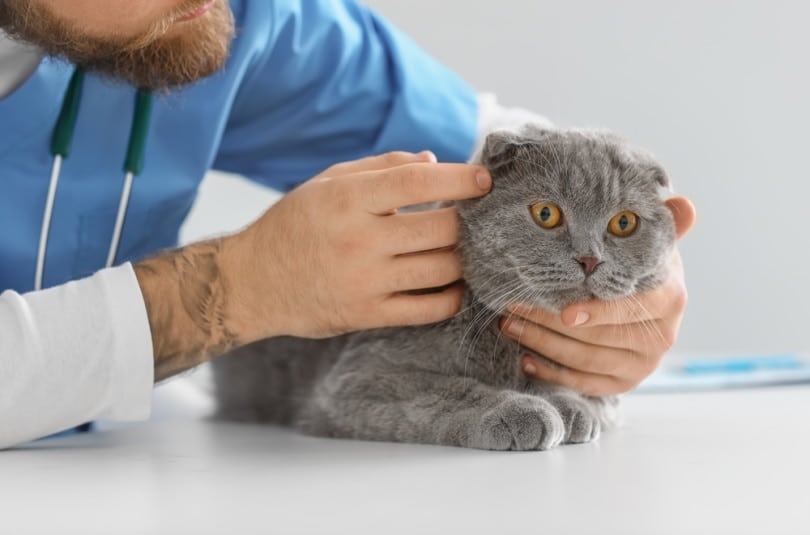
scottish fold cat checked by vet

Ringworm is a common fungal disease in mammals that can cause discomfort and irritation in cats. You can determine if your cat has ringworm by going to a veterinarian and having them complete a physical exam and any testing needed. Treating ringworm often consists of a mixture of topical treatment and oral medications.

It’s important to follow through with the treatment to ensure that your cat is completely cured. If you end the treatment earlier than the prescribed duration, your cat may start showing signs of ringworm again. Ringworm is highly infectious and should be treated thoroughly to prevent infecting other pets and people. Here are some tips and tricks for treating a cat with ringworm and helping them recover.

divider cat paw scratch oct 2024

The 6 Tips For Treating Ringworm in Cats

1. Topical Treatment

Veterinarians commonly prescribe a topical treatment for ringworm. The treatments can be creams, ointments, or medicated shampoos. Depending on the severity of the infection, topical treatments are typically used for several weeks to several months. Make sure always to wash your hands and disinfect any surfaces your cat has touched after you’ve applied the topical treatment.

Some cats benefit from being shaved if they have only one or two affected areas. This can help the ointment get absorbed more effectively. Remember only to shave your cat after you’ve received clearance from your veterinarian.

cleaning cat by shampoo on water bath
Image Credit: angnokever, Shutterstock

2. Oral Treatment

Cats will also require oral antifungal medication. It’s essential to monitor your cat’s condition after they have taken the medication. If you notice adverse side effects, notify your veterinarian right away.

Cats typically need to take oral medication for at least 6 weeks. The treatment can exceed this amount of time since some cats respond to medication differently.


3. Clean Your Living Space

Since ringworm spreads through fungal spores, it’s important to clean up your living space while your cat receives treatment. Cats can remain infectious for about 3 weeks after the start of treatment. It’s best to complete one deep cleaning and maintain cleaning regularly throughout the treatment course. Ask your veterinarian which disinfectant protocol and product to use.

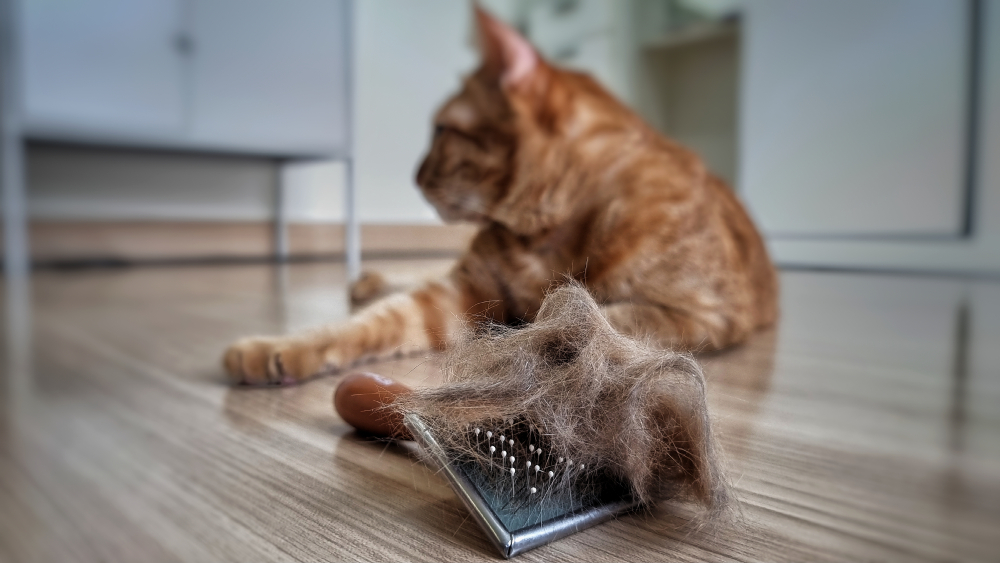
Fungal spores can spread with cat hair, so cleaning up and vacuuming hairs on your floors and furniture is crucial. After you vacuum, use a disinfectant to kill the live spores.

Woman vacuuming a blue couch
Image Credit: surachet khamsuk, Shutterstock

4. Quarantine Your Cat

Ringworms can be transferred from cats to humans and vice versa. So, you may need to quarantine your cat if they are a heavy shedder or if you live with young children or immunocompromised individuals. Having a designated room for your cat while they receive treatment can help prevent the spread of the disease.

It’s best if the room isn’t carpeted and doesn’t have upholstered furniture. Ensure your cat has everything they need in the room, including toys, a litter box, and plenty of hiding spaces.


5. Stay in Touch with Your Veterinarian

Since the treatment for ringworm varies from cat to cat, stay in touch with your veterinarian to ensure that your cat is recovering. Taking pictures of the affected areas to track the recovery or see if the signs have worsened can be helpful.

If you have pet insurance, check if your provider has a pet telehealth line. Some pet insurance companies offer this service, which can reassure you between visits to your veterinary care clinic.

If you need to speak with a vet but can't get to one, head over to PangoVet. It's an online service where you can talk to a vet online and get the advice you need for your pet — all at an affordable price!

Preventative wellness PGV mention keep cat healthy Preventative wellness PGV mention keep cat healthy mobile


6. Work with a Professional Groomer

Some topical treatments require bathing or shaving. If you’re having trouble bathing your cat with medicated shampoo, you can try enlisting the help of a professional groomer who has experience working with resistant cats.

Remember that groomers may not allow infected cats in their facilities due to health and safety concerns. However, some may do house visits or have a mobile grooming station.

divider single cat paw oct 2024

Signs of Ringworm

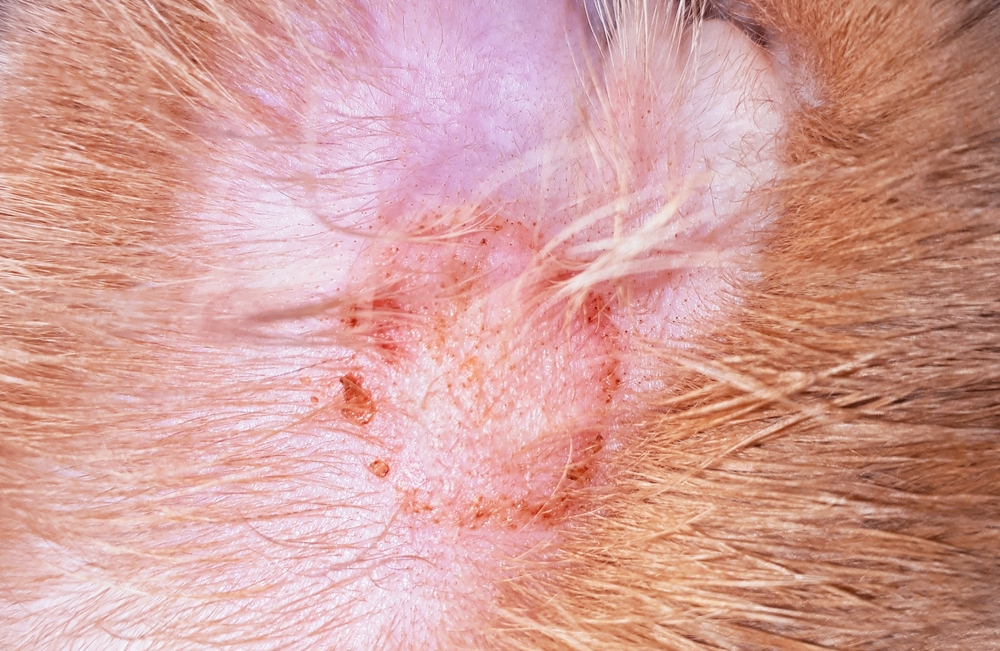
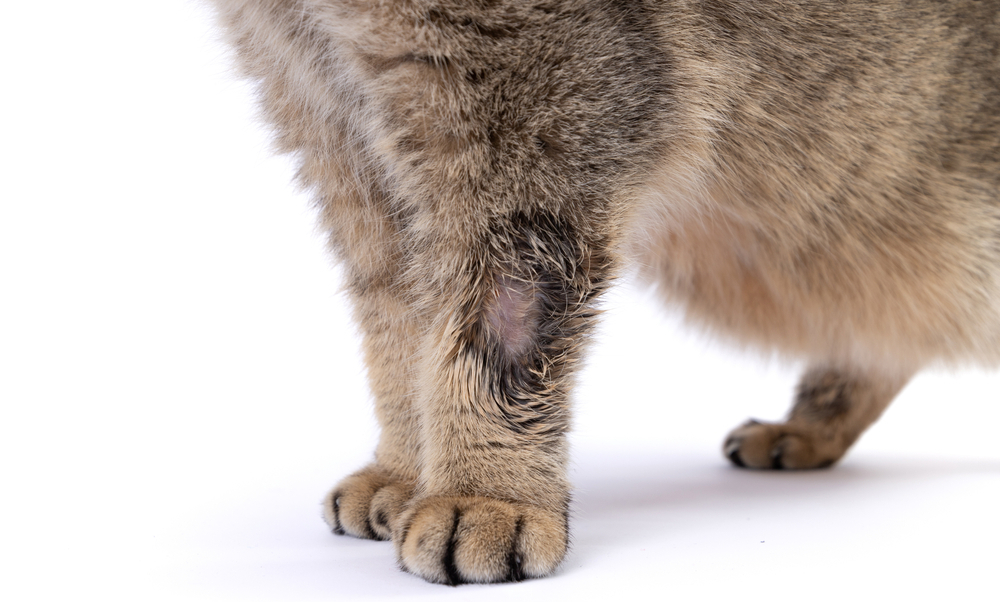
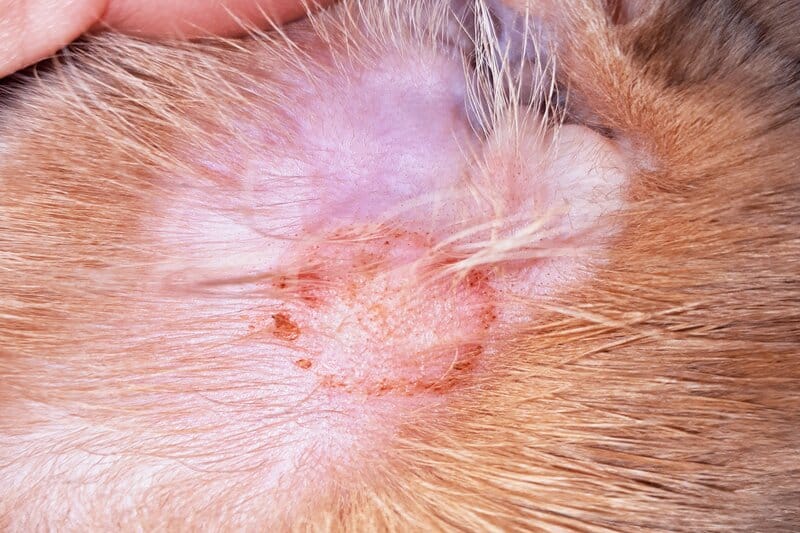
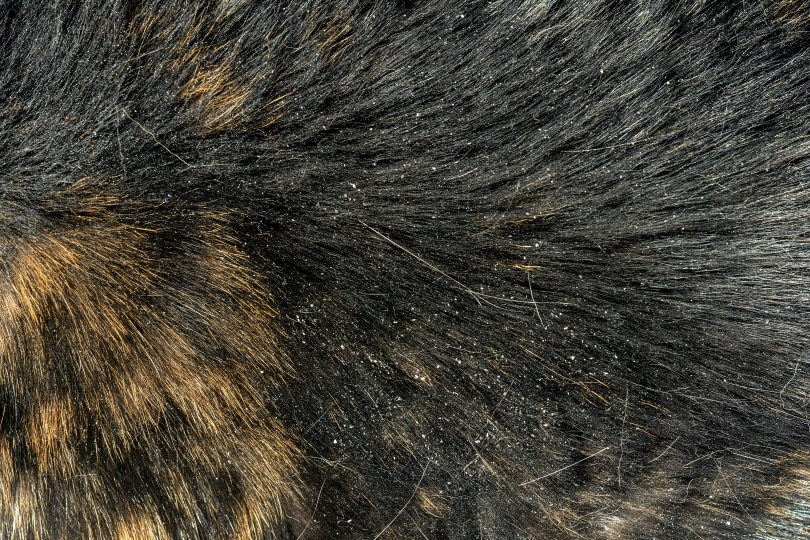
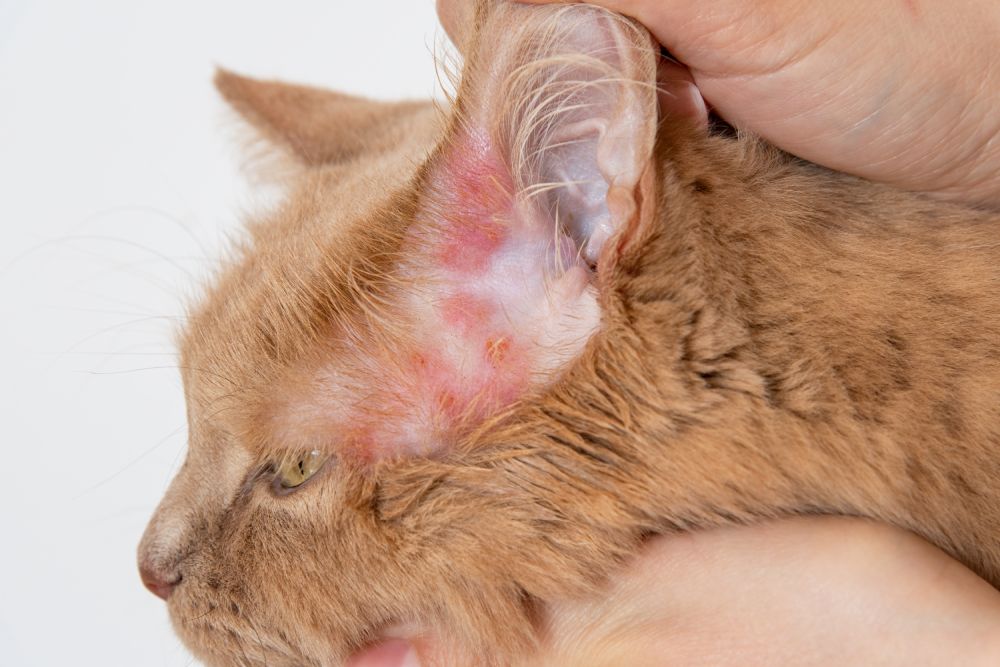
Cats can exhibit several signs of ringworm. The most common sign is circular areas of hair loss with scaling or crusty skin. Your cat’s coat may be brittle, stubbly, and discolored in affected areas.

Your cat’s skin may also be inflamed, and you might see increased dandruff. Cats can also self-groom and lick affected areas excessively. Due to the itchiness, they may scratch themselves more. It’s best to check your cat’s claws and nail beds because they can also get infected.

divider cat paw scratch oct 2024

Conclusion

If you suspect a case of ringworm, take your cat to your veterinarian as soon as possible so that you can start treatment immediately and help your cat fully recover. Ringworm can be a frustrating experience, and the treatment requires consistency and vigilance. It’s best to follow through and complete the treatment correctly the first time so it doesn’t reappear.


Featured Image Credit: Pixel-Shot, Shutterstock

Want content like this delivered to you?

Sign Up For Our Newsletter

News, insights, expert advice, and everything cat

* By submitting, you agree to our Terms & Conditions and Privacy & Cookies Policy.


How useful was this post?

Click on a star to rate (you can leave written feedback after clicking submit)

Help us improve Catster for pet parents!

Your feedback really matters.

What did you like about this post? Also how can we improve it?

Join the conversation

4 Responses

  1. My cat got over a severe case of ringworm in January, she's a Mainecoon so she had to be completely shaved and had twice weekly sulfur dips by a groomer. Today I found s small spot on her side that looks like ringworm so I took her to the vet and she is doing a PCR test. I won't get the results for a couple of days, but was wondering if there is any ointment I can put on that spot to treat it until we have the test results? This has been such a nightmare.

    1. Hi Susan M S, sorry to hear about your cat. Fungal infections are persistent, and treatments need to be extended. However, there is a possibility that what you are dealing with is something different, in which case a fungal treatment won't help. Your vet taking a sample for PCR is the right approach. Just be patient, once your vet has the results, she will advise you on the best treatment. In the meantime, you might want to take a look at: https://www.catster.com/cat-health-care/health-benefits-of-coconut-oil-for-cats/
      This could be an option, good luck!

  2. My cat has ringworm. I am actively disinfecting everything in my house. I read sheets would need to be washed every two days. How long would that have to be done? Through the treatment of the cat? Or just through the first part of the cats treatment?

    1. Nancy you are correct. You should continue disinfecting and washing bedding and fabrics regularly throughout the treatment of the cat and two weeks after infection is cleared. If you have any other questions about this fungus, feel free to ask the vets at www.pangovet.com.

Leave a Reply

You’re very welcome to leave a comment or question. Please know that all comments must meet our community guidelines, and your email address will NOT be published. Let’s have a positive and constructive conversation.


Catster's Digital Magazine is Back!

Vet-approved health & behavior advice

Real cat stories & community features

Chatting About the Rainbow Bridge, Euthanasia, and Laughter During Grief | Chatty Cattys, Episode 24

If you’ve ever felt the loss of a beloved cat, or are dreading the day when your pet crosses the rainbow bridge, you’ll...

The Simple Reasons Cats Refuse to Let Anyone Use the Bathroom Alone

Cats have an extraordinary talent for making themselves present in the most inconvenient places, and the bathroom ranks near the top of the...

A Paw-sitive Milestone: Canada Officially Becomes a Declaw-Free Nation

Canada has officially become a declaw-free nation. On May 25, 2026, a new regulation was filed in Ontario under the Provincial Animal Welfare...

The Surprisingly Simple Ways to Help a Cat With Hairballs

Cats spend an astonishing amount of time grooming. It is part hygiene routine, part comfort ritual, and part instinct that traces back generations....

More related

7 Fascinating Facts About the Brown Tabby Cat (Vet-Verified)

The brown tabby cat is a commonly found feline in household homes, and although they are common, they are no less beautiful. Almost...

8 Cat-Themed Cocktail Recipes For Feline Loving Party Guests

If you’re hosting a cat-themed cocktail party soon, you’ll need some tasty beverage recipes to serve at your gathering. Why not stick with...

Why Do Cats Move Their Kittens? 3 Vet-Verified Reasons for This Behavior

Despite being some of the earliest domesticated animals, cats retain most of their wild instincts. It’s why they hide their food, bury their...

Exotic Shorthair Cat vs Persian Cat: Key Differences (With Info & Pictures)

Exotic Shorthairs and Persians are often confused with one another. The reason is that the breed standards for both cats are nearly identical,...

Keep reading

Don’t Panic Yet: What Happens When Cats Eat Silica Gel Packs

If your cat just chewed on a “DO NOT EAT” packet, take a breath. This is one of the most common pet-parent panics, and it happens because cats insist on investigating anything crinkly, tiny, or mildly forbidden. Silica gel may...

silica gel

Why Do Cats Hide Their Toys? Vet-Verified Facts & Info

If you’re around cats long enough, you come to find that they sometimes bat, carry, or stash toys and small objects. Whether it’s their favorite toys, a treat, or even your car keys, if they like it, they may carry...

cat with toy on the cat house

How to Tell if Your Cat Is Depressed: 9 Vet-Reviewed Signs to Look For

Although cats have a reputation for being aloof, they can actually feel a range of emotions. When a cat experiences significant changes in their life, they can develop signs consistent with depression. Although they can’t tell us how they are...

a sad or sick american shorthair cat with ears dropped on the sides

Are Yucca Plants Toxic to Cats? Vet-Verified Ingestion Signs & Treatment

Yucca, a kind of desert plant, is a popular garden plant that thrives in warm, dry areas. They don’t need a ton of water to grow, and they are distinctive and beautiful, with a big spray of spike-shaped leaves. They...

Catster_Are Yucca Plants Toxic to Cats

Why Does My Cat Chew on Cardboard Boxes? 6 Vet-Reviewed Reasons

Some cats are chewers, and some not so much. Cats that enjoy a good chewing session might gravitate to cardboard boxes. They are everywhere and can be everything from your cereal boxes, to your moving boxes, to your goodies that...

playful tabby cat looking in cardboard box

Why Does My Cat Meow When I Sneeze? Vet-Reviewed Facts & Funny Videos

Most cats are devoted to their humans; they commonly hang out and spend lots of time with their favorite people. Some cats meow in response to their owners’ sneezes; if yours does, it may have led you to wonder, “Why...

Young Asian woman sneezing which suffering from first symptoms of cat's fur allergy

How to Tell Cat Gender By Face? 3 Vet-Approved Ways

Male and female cats can have physical and behavioral differences. Additionally, each faces its own unique health challenges, which can make it essential to know what sex you’re adopting. The only 100% reliable way of knowing a cat’s sex is...

close up amber smoke norwegian forest cat

How Long Do Russian Blue Cats Live? Vet-Reviewed Lifespan & Care Tips

You love your feline friends, but you’re aware they won’t be around for your entire life. However, some cats live longer than others, so certain breeds will be in your life for far longer than other breeds. Knowing how long...

Grey little cat breed Russian Blue Cat

Love Cats? So Do We! Join the Catster Community

Stay informed with expert pet care insights delivered straight to your inbox! Discover professional guidance on animal behavior, feeding tips, trusted product picks, and much more.


Sign up for the Catster Email Newsletter

Stay informed with expert pet care insights delivered straight to your inbox! Discover professional guidance on animal behavior, feeding tips, trusted product picks, and much more.