Can Cats Detect Mold? Facts & Health Risks Explained (Vet-Reviewed)


In this article
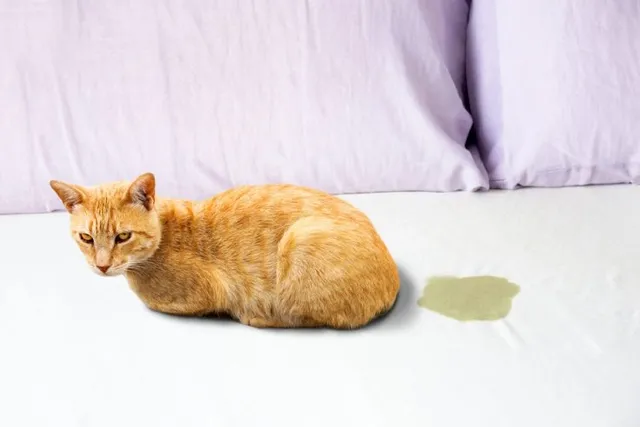
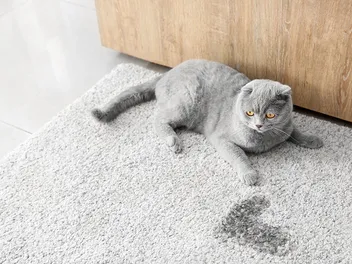
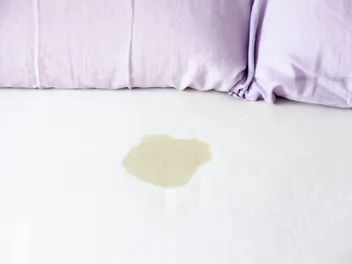
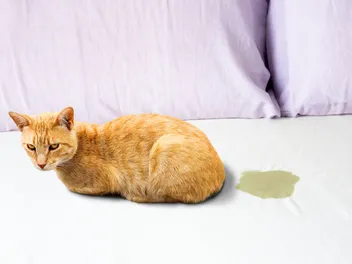
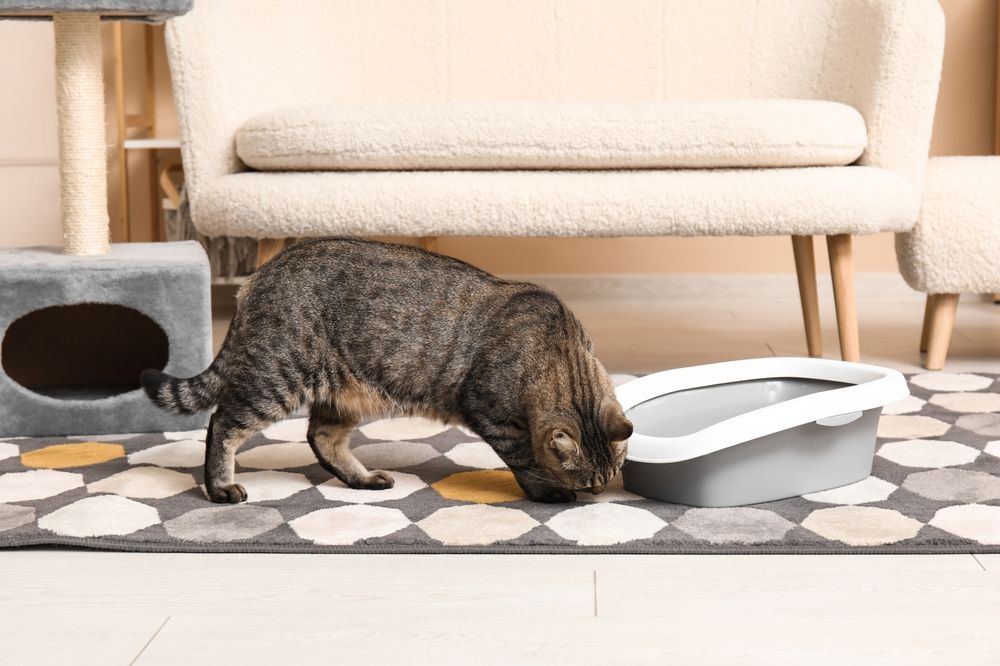
There is no clear-cut answer to the question “Can cats detect mold?” but there are ways your cat may be alerting you to the presence of mold in your home. For instance, your cat may be urinating in areas that are not the litter box. They may exhibit the possibility of mold through changes in their health.
Cats are overly sensitive to mold, which can affect their health. Read on to learn more about mold and your cats.

Urinating in Areas Other Than the Litter Box

As we all know, cats are territorial creatures and may urinate in an area that has the smell of urine from another animal. So, what does that have to do with mold, you ask? Cats may not be able to decipher the smell of urine from the smell of mold. Mold may smell like urine to a cat, so they may urinate on the mold as they would the urine of another animal.
Has your cat ever urinated on your latex bath mat? If your cat senses some mildew on the bathmat, they may urinate on it. It's not unusual for your cat to interpret leather in the same way.
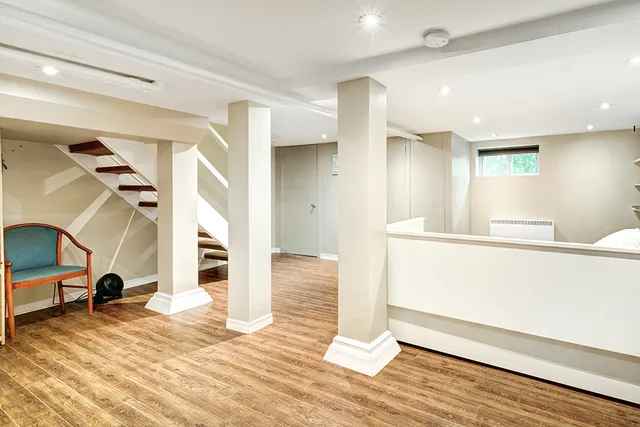
If you find your feline wandering off to urinate on the basement floor, it might be because another animal urinated there, but it could also be mold, and it should be removed immediately, so you or your pet does not get ill.
The Effect of Mold on Your Cat’s Health
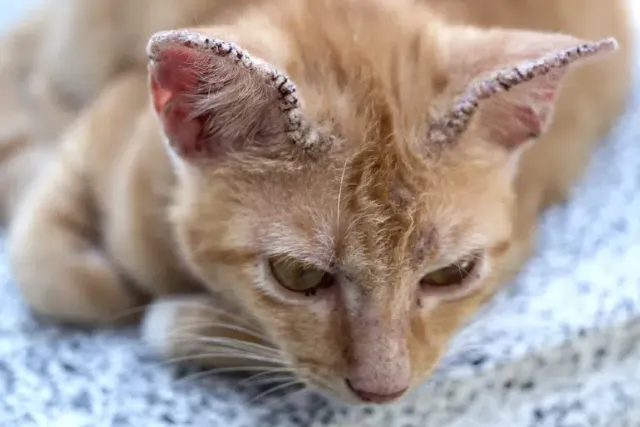
Several potential health concerns for your pet could result from mold, depending on the type of mold and the route of exposure. They include ingestion, inhalation, and allergies.
Ingestion: If your cat ingests food contaminated with fungus or one containing mycotoxins, they may exhibit serious gastrointestinal issues like vomiting, diarrhea, and decreased appetite, as well as neurological signs and liver damage.
Inhalation: Nasal discharge, wheezing, sneezing, coughing, lethargy, and respiratory distress, exhibited by rapid or labored breathing, may occur in case of inhalation.
Allergies: Licking, chewing, and scratching can become excessive and lead to sores and patches of hair loss due to allergies to mold and mildew, due to inhalation of the mold spores and other allergens, often referred to as atopy.
If your cat is showing any of these health concerns, seek the advice of a vet immediately.
Manage the Environment
To treat the environment, you may want to have a friend or family member keep the cat while you clean your home. It's recommended that you leave behind all the toys, dishes, blankets, and beds so you can clean or remove them from the home.
The next step is to clean anything that belongs to the cat. If it cannot be cleaned, replace it. To remove the mold, use a mixture of distilled water and soap, a commercial mold cleaner, dilute bleach, or vinegar. Wash all of your cat’s items and be sure to dry them thoroughly.
Items like beds, blankets, and pillows can be more difficult to clean, so you may want to replace them. It is recommended that you replace any fabric items that are over one inch thick. The room will also need to be cleaned down since mold spores are easily released into the air.

Preventing Mold Exposure
There are areas in your home that may be damp and more susceptible to mold growth. It may be a good idea to identify and keep your pet away from these areas until they can be professionally treated. For example, damp basements, garages, or areas that are known to have seepage.
How often do you clean your cat’s bowls and toys? All toys, food and water bowls, and plastic and rubber toys should be cleaned a minimum of once a week. Launder all pillows, beds, and blankets regularly to prevent mold growth.
To prevent mold growth on your cats’ kibble, keep it in an air-tight container. If you keep it in the original packaging, be sure to keep it tightly closed. Keep your pet away from things they should not be eating, such as spoiled food and garbage cans inside or outside of the house.
If your house is humid, you may want to invest in a dehumidifier to reduce the risk of mold. Another preventative measure is to keep an eye on baseboards, windows, drywall, and any other areas that may hold moisture so you can tend to them before it becomes a larger problem.
Conclusion
While we may not be able to say for sure that cats can detect mold, due to a lack of scientific evidence, we can say that if they find it, they may pee on it. We also know that the presence of mold can make your cat sick. So, it is important to keep their toys and other items clean and dry and try to restrict them from areas that are damp or susceptible to mold.
We also recommend that if your cat presents with any of the signs listed above, you should seek the advice of your veterinarian.
Sources
Featured Image Credit: Pixel-Shot, Shutterstock
Expert cat care, straight to your inbox
News, insights, and useful advice, delivered to you.

No spam — unsubscribe anytime.
By signing up, you agree to our Terms & Conditions and Privacy & Cookies Policy.
How useful was this post?
Click a star to rate. You can leave written feedback afterwards. (We read all feedback.)
Christian started writing for a local newspaper as a teenager, and he's been involved in the publishing industry for most of his adult life. Combining his love of writing with a passion for animals, he is currently the Director of Editorial at Pangolia and the Editor-in-Chief at Catster.
Christian lives in the Philippines with his wife, son, and four rescue cats: Trixie, Chloe, Sparky, and Chopper.