Why Is My Cat So Clingy? 5 Vet Reviewed Reasons for This Behavior


In this article
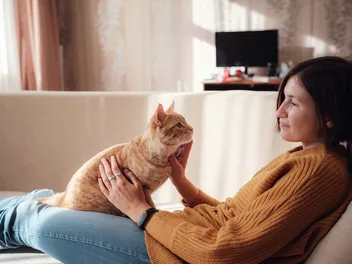
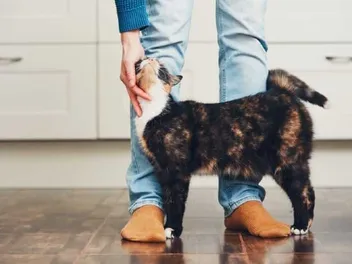
Cats are often praised for being incredibly low-maintenance pets. Besides finding food, cats practically do everything on their own, including bathing, going to the bathroom, and relaxing. Despite the normalcy of cats being independent, there are times when they can become overly needy.
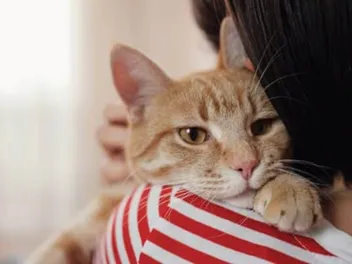
In most cases, an overly clingy cat is a sign that something is wrong, but the reason will differ from cat to cat. This article will discuss the reasons why your cat is so clingy and some things you can do to reduce your cat's clinginess.

Cat Clinginess Explained
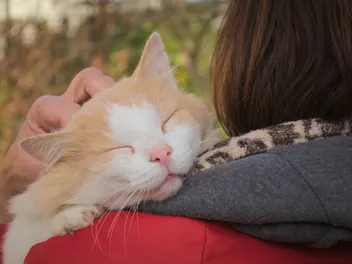
Cats certainly like their owners and become attached to humans. Nevertheless, cats are not particularly clingy like dogs or other pets are. You may have an issue whenever a cat becomes more clingy than usual or disrupts your everyday life.
Cat clinginess is often due to a health problem, anxiety issue, or new situation in the household. All of these reasons can be reduced with attentive care and action.

Signs Your Cat Is Clingy
If you are a new cat owner, knowing the difference between a typical cat and a clingy one can be challenging. Here are some common signs of an overly clingy cat:
The 5 Reasons Why Your Cat Is So Clingy
Above, we mentioned the most common reasons for a cat's clingy behavior. Let us look at the five most common reasons in more detail.
1. Separation Anxiety
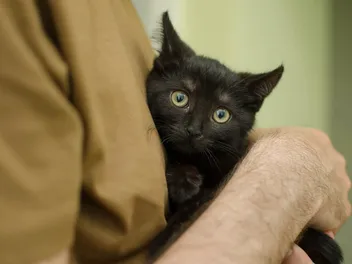
A cat can become overly clingy because they have separation anxiety or another issue relating to nervousness. Although cats do not tend to experience separation anxiety as severely as other pets, more sensitive cats can certainly have separation anxiety that manifests through clinginess.
The easiest way to prevent separation anxiety in cats is to pander to them when they are young. Cats with separation anxiety tend to feel insecure or unsafe during their earlier days. Playing with your cat frequently will do a lot to prevent this issue from coming up.
Those caring for anxious cats understand the struggles and discomfort that their companions feel on a daily basis. The innovative bowl shape of the Hepper Nest Bed provides nervous pets with support and its high sides offer a sense of security, diminishing stress and worry. To learn about how to the Hepper Nest can provide solace to your cat, click here.

- COMFY KITTY - Your cat or kitten will have an amazingly deep sleep in this self warming, nesting cat bed. The warm, fluffy cat bed lining provides calming stress relief for cats of all ages.
- PRETTY HOME - This round cat bed has a modern and unique design that’s perfect for a sleek indoor look. We don’t think of it as cat furniture but think of the Cat Nest as a “cat home”.
- SPACE SAVER - Reclaim your desk, window sill, or couch from kitten encroachment. This calming nest cat bed has an elevated, space-saving hideout so comfortable your kitty can't resist!
At Catster, we’ve admired Hepper for many years and decided to take a controlling ownership interest so that we could benefit from the outstanding designs of this cool cat company!
2. Health Problems
Many cats will go to great lengths to hide that they are injured or sick in any way, but not all domesticated cats do this. In contrast, some cats will do the opposite. They will become clingy because they are looking for safety and help from you.
If your cat is clingy due to health problems, you will likely see other signs of an illness. Weight loss, lack of appetite, lethargy, or seizures are common side effects associated with health problems.
Old cats will especially become clingy as they start to experience cognitive dysfunction. Cognitive dysfunction is when the cat starts losing sight, hearing, coordination, and other abilities. They become clingy for your guidance.
Not all clinginess is a sign of a health problem. Some female cats become clingy when they first become pregnant. Regardless of whether you think a health issue or pregnancy causes the clinginess, take your cat to a veterinarian ASAP to get to the bottom of the issue.

3. Stress
Cats like sticking to your routines. If you have a change that causes stress in their home, they may become clingy to regain some of that normalcy. If a new visitor comes into the home, a storm outside, or fireworks going off, your cat may become clingy for your protection.
The easiest way to determine if stress is the cause of your cat's clinginess is to pay attention to when they are clingy. If their clinginess is infrequent and random, it is likely because of a common stressful occurrence in your home. A consultation with a veterinarian can be helpful in indetifying this occurrence.
4. New Family Members
A more specific instance of a cat becoming clingy from stress is the introduction of a new family member. As we already mentioned, cats do not like to change their routines. Adding a new family member is a huge routine change that may cause your cat to feel stressed and less appreciated.
It is much easier to detect this as being the cause. Suppose your cat seemed to change after introducing a new family member. In that case, they are likely clingier because they feel stressed or less appreciated because of the new family member.

5. Boredom
Even though clinginess can be a sign of serious issues, it can also be a sign of boredom. Cats need a lot of mental stimulation. Boredom clinginess will often be in the form of constantly touching or trying to play with you.
How to Reduce Your Cat's Clinginess
Here are some ways you can care for your cat and help them to reduce their clinginess:
1. Give Them More Attention

Giving your cat more regular attention will do the trick in many cases. It is especially true if your cat becomes clingy after a new addition to the family or if it is boredom. Give them more attention and do so at the same time every day to get into a routine.
When you are giving them attention, try to incorporate mentally stimulating toys so that they are thoroughly entertained and engaged. Laser pointers, feather wands, and catnip toys are great for providing your cat with attention while making them use their brains.
2. Discourage Bad Behavior
Even though you should certainly give your cat more attention if they are clingy, you should not give in to every whim. If your cat is scratching or doing other annoying and possibly dangerous behavior, discourage the behavior by completely ignoring them.
Ignoring the bad behavior tells your cat that it does not work, and they will be less likely to do it. When you discourage bad behavior, do not punish the cat. Cats do not typically register punishment in the way that other animals do.
Instead, encourage them for the behavior you enjoy. Your cat will likely display those behaviors and stop doing the ones you want to discourage.
3. Take Them to a Vet

If you think your cat's clinginess results from a medical issue, take them to a veterinarian immediately. They may have an illness that needs to be treated. A female cat could also be pregnant.
If the veterinarian finds a health issue at the heart of the clinginess, treat the illness accordingly and be gentle with your cat. During the treatment, continue to give them attention.
4. Do Not Make Leaving or Entering Your Home a Big Fuss
For clingy cats with separation anxiety, try not to make a big fuss whenever you are leaving or entering the home. If you shower them with attention before leaving, they may become clingier because they see it as a sign that you are leaving. In contrast, making a big deal when you come home makes your entrance overly stimulating, forcing them to be stressed when you leave.
Instead, try to quietly slip out of your house and arrive in a much lower-key manner. Doing so will help keep the cat content, regardless of whether you are staying or going.
Conclusion
Cats can become clingy for many reasons. Separation anxiety, health problems, stress, a new family member, and boredom are some of the most common reasons for increased clinginess in a cat.
There are ways you can reduce your cat's clinginess. The exact treatment will depend on the reason why your cat is clingy. Remember to be patient and understanding no matter how you choose to reduce your cat's clinginess. Most of their world revolves around you. It makes sense that they can get a bit clingy occasionally.
Just be patient with your cat and show them love. Giving your fuzzy kitten more attention than usual can go a long way.
You might also like: Can Cats Burp? The Surprising Answer!
Featured Image Credit: Alek B, Pixabay
Expert cat care, straight to your inbox
News, insights, and useful advice, delivered to you.

No spam — unsubscribe anytime.
By signing up, you agree to our Terms & Conditions and Privacy & Cookies Policy.
How useful was this post?
Click a star to rate. You can leave written feedback afterwards. (We read all feedback.)
Christian started writing for a local newspaper as a teenager, and he's been involved in the publishing industry for most of his adult life. Combining his love of writing with a passion for animals, he is currently the Director of Editorial at Pangolia and the Editor-in-Chief at Catster.
Christian lives in the Philippines with his wife, son, and four rescue cats: Trixie, Chloe, Sparky, and Chopper.