Why Do Cats Invade Your Personal Space? 4 Vet-Reviewed Reasons


In this article
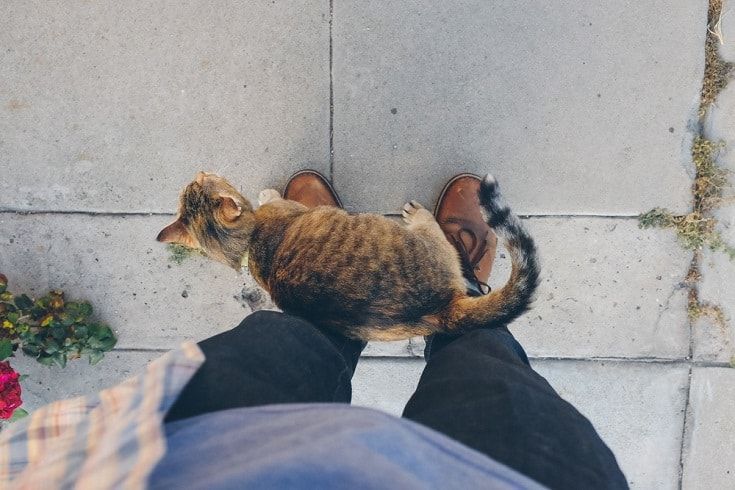
After thousands of years of domestication, it’s surprising that cats still haven’t adopted any social mores that direct their human owners. They’ll knock plants over without a second thought, scratch up furniture and rugs, or pee on the carpet if they don’t like their litter. And if you’ve ever felt trapped under the weight of a sleeping kitty on your lap, you know their sense of boundaries can be virtually non-existent.
Although inconvenient, cats never take over our space out of malice or negativity. Find out what’s driving your cat’s behavior with this look at four possible reasons your cats invade your personal space.

The 4 Possible Reasons Why Cats Invade Your Personal Space
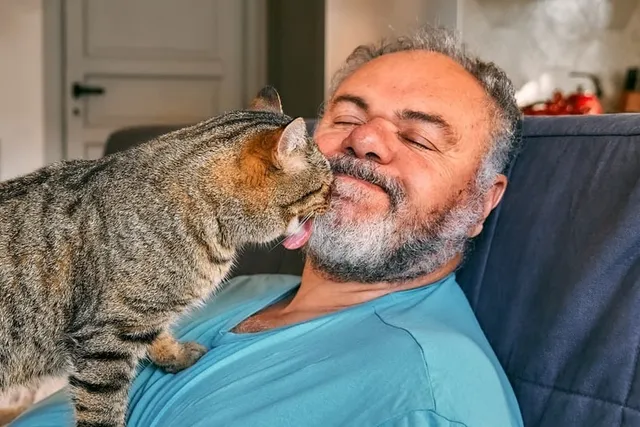
1. Affection and Attention
Cats can be social when necessary or convenient but generally appreciate their personal space. So, if they’re willing to define their territory with others, why do they have zero issues coming into yours?
As their owner, your cat doesn’t view you as they would a cat or any other pet. You aren’t competing for resources but providing them, giving your cat a few excuses to feel territorial toward you. If anything, they view you more as part of their territory, as their habit of rubbing their head against you might suggest.
Couple this with the fact that you, unlike other cats in the house, won’t react unpleasurably to their encroachment, and your cat has little reason not to invade your personal space. They may keep a distance from others but trust you, knowing you’ll offer them positive attention and affection.
Also, it doesn’t have to be your lap or your head where your cat plops down. They may lay on your keyboard, remote controls, car keys, or any other personal property you might need to ensure they get the attention they desire.
2. Comfort and Warmth
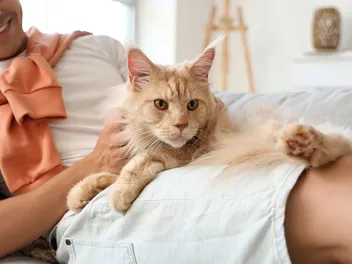
A purring cat in your lap is a comfy situation for you and your pet. Cats like to settle down in warm, soft, and familiar places, and your lap and belly often check all the boxes. If you’re relaxed on the couch and covered with a blanket, your cat will have trouble resisting the urge to jump up there with you.

3. Protection
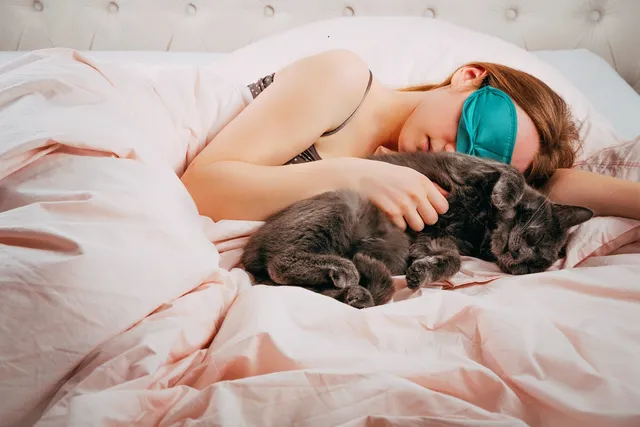
Sleeping makes cats vulnerable and encourages them to seek the safest places to rest. Tall perches often fit the bill, but for many cats, the safest (and most comfortable) place is with you.
4. You’re Promoting the Habit
Several factors, ranging from your cat’s past experiences, age, and early socialization to their personality, can influence their desire to be with you and constantly take over your personal space. Your interaction style can also be significant. Generally, cats stay closer to those who give them the attention they want, so primary caregivers may find their cats occupying their personal space more than the rest of the family’s.
Highly invested owners can foster a co-dependent relationship. Cats with one owner and little socialization may rely more on their owner, especially if the owner is ever-present.
Staying with their cat while they eat is one predictor of how an owner might foster more dependence and closeness with their cat. You may even notice that although your cat stays close to you, they’re less tolerant of other people and pets.


How to Keep Your Cat from Getting in Your Personal Space
Being survival-driven, cats enter our personal space primarily to fulfill their needs, whether it involves affection, security, curiosity, warmth, or comfort. In many instances, devising an alternative solution to meet their needs can keep them out of your personal space if it’s inconvenient.
1. Meet Their Needs
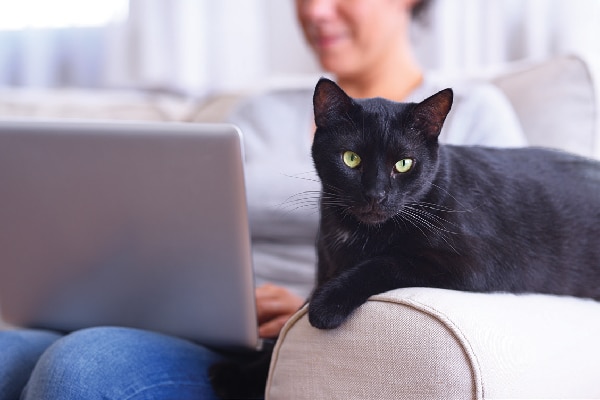
Sitting at your computer is when cats are notorious for invading your space, either leaping onto your lap or your keyboard to get in the way. While it’s no guarantee that your cat will never jump back into your personal space, you can try accommodating their basic needs in another way to persuade them to change their habits. Some ideas to keep your cat out of your space include:
- Setting up a comfortable cat tree nearby so your cat can look over your shoulder
- Make a soft, cozy spot near you, either in a box or a cat tree, with a heated blanket or heating pad underneath to make it more appealing
- Use a smaller desk or get a laptop stand to take up less space away from your cat
You can apply similar strategies if your cat always sleeps in your bed. Cats like high-up perches, like shelves, to watch over their surroundings and stay secure. Many also like boxes and baskets that you can transform into a warm, soft sleeping spot beside your bed.
2. Set Expectations
Setting standards will help your cat develop better habits and stay out of your personal space. Feeding at the same time daily and providing plenty of play and enrichment will keep your cat mentally stimulated and strengthen your bond while making the day predictable. When you set a consistent routine, your cat will get the hang of it and more easily follow your lead.
Your routine should include expectations and boundaries. Don’t allow your cat in your personal space if you don’t like it. You shouldn’t ever punish their behavior, but ensure you only give them rewards when they do what you want.
When your cat jumps on your lap at the computer, ignore them or remove them and give them a toy to play with on the floor. If you turn all your attention to them while they’re on your lap, they’ll learn that’s the best place to get what they want. The floor, their cat tree, or their bed should be more rewarding than your personal space.
3. Create Boundaries
You’ll sometimes have to endure your cat’s distress while they adjust to not being near you. Closing the bedroom door to keep them off your bed at night may cause some meowing or pawing at the door for several days or weeks.
It can be tough to hear, but you must stay consistent for them to settle into the routine. Just don’t forget to give them an equally enticing bed alternative to keep them happy, and tire them out with playing just before bedtime.

When Should I Worry About My Cat’s Attachment?
Many suggest cats develop attachments to owners in a way similar to dogs. Part of this attachment includes a desire to maintain proximity to you and distress when you’re separated. A hyper-attached cat is overly dependent, staying with you at all times and showing signs of anxiety when you go to work or run errands, such as:
- Inappropriate elimination around the home, sometimes on the bed
- Increased vocalization
- Destructiveness
- Over-grooming
You can manage anxiety to an extent with better practices at home. Maintaining a strict daily routine can decrease stress, as can more enrichment, such as more playtime and cat toys, shelves, trees, and scratching posts. Fostering independence is crucial, and these distractions can help your cat become less reliant on you for all their mental and emotional needs.
Anxiety issues should prompt a talk with a vet. Alongside adjustments in the home, they may suggest changes to their diet, pheromone diffusers, supplements, or medications to help ease your cat’s tension.

Conclusion
Cats invade our personal space for many reasons, primarily the need for attention and comfort, particularly if this behavior has been previously rewarded by us, through our attention, even if it’s negative attention. They find it pleasurable, and this often helps build their unique bond with their owners. Some of us may love our cat’s desire to snuggle, but there are plenty of times when we need distance. Thankfully, control is in our hands, and rewards and routine are the secrets to raising a well-mannered cat.
Featured Image Credit: Evan-Abram-McGinnis, Shutterstock
Expert cat care, straight to your inbox
News, insights, and useful advice, delivered to you.

No spam — unsubscribe anytime.
By signing up, you agree to our Terms & Conditions and Privacy & Cookies Policy.
How useful was this post?
Click a star to rate. You can leave written feedback afterwards. (We read all feedback.)
Nicole is a lover of all animals, especially of the feline variety. She's mom to four, three fur babies and a human baby. She and her husband, John, live on a large forest property down in New Zealand.
Their beautiful Burmese cat Baby (who is now 17 years old) was their first child, though he is now called Baby Cat since their human baby joined the party in 2022. The dogs Rosa and Mac also love cats, but the whole family agrees that King Baby Cat is enough cat for this household.
Nicole is the Director of Content Management at Catster and Pangolia. With a Bachelor's degree in Education and years of online experience, she shares her pet knowledge and the knowledge of other professionals with the world, aiming to improve pets and pet parents' lives.