Can Cats Burp? Vet-Reviewed Myths & Facts


In this article
Burping after consuming carbonated beverages is a gross but common occurrence in humans. But what about cats? Do cats burp? Can your kitty release a belch before they settle in for a nap?
Burping has not been commonly described or observed in cats, and there is a limited amount of scientific research that looked into the likelihood and possible causes of burping, belching, or eructation in cats. Here we’ll present the up-to-date information on this peculiar topic.

Why Burping Happens
Burping is your body’s way of removing excess air from your upper digestive tract. It’s commonly caused by swallowing too much air and having it accumulate in your stomach, or sometimes it’s the air that rapidly enters and then exits the esophagus, without getting into the stomach itself.1
We all swallow a varying amount of air while we eat. You can consume excess air by drinking or eating too fast, talking while you chew, drinking carbonated beverages that generate excess air in the stomach, or smoking. Medical conditions, such as acid reflux, inflammation of the stomach lining, or gastroesophageal reflux disease (GERD), can also cause chronic burping.2
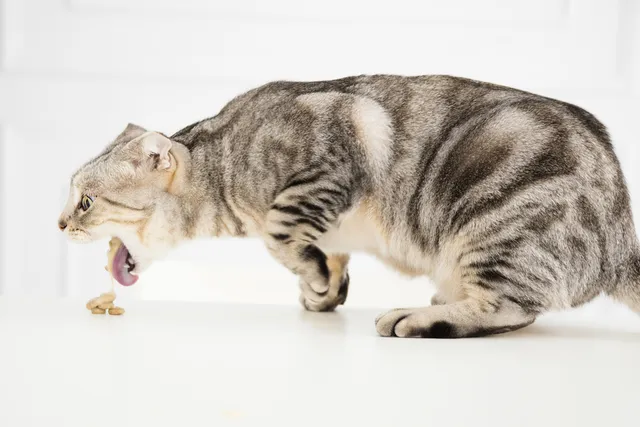
Cat burps are not commonly described in literature, although they may be possible. Oftentimes other sounds cats make, when they have a gastrointestinal or furball issue, or even an upper respiratory condition, may resemble a burp, while it’s actually a retch, cough, gag, heave, or something else.
Can Cats Burp?
A scientific paper published in 2017 has looked into the so-called supragastric belch when the air gets swallowed, and instead of ending up in the stomach, is rapidly expelled from the esophagus via a burp, so it never reaches the stomach. This can occur in cats as well as humans when certain nerve pathways and muscles are activated, but how common it is in felines, remains unknown.
Cats, unlike dogs, primarily breathe through their nose, unless it’s blocked in case of a nasal discharge or traumatic injury, or if they are struggling to breathe in which case they're forced to use their mouth. Open mouth breathing in cats is a serious and life threatening emergency. This difference between cats and dogs may be why burping is commonly described in canines.

Swallowing air due to various factors is something that occurs in both cats and dogs while eating. This is called aerophagia. The significance of this will depend on the volume of swallowed air, the amount of ingested food and size of one food bite, the speed of chewing and swallowing, the posture of the head and neck while eating, and many others. Burping or eructation as a result of excess air building up in the stomach, due to an underlying gastrointestinal issue, such as gastritis, esophagitis, gastric dilatation and volvulus, or secondary to breathing difficulties particularly in flat-faced dog breeds, is commonly observed and treated in dogs. However, cats remain a bit more of a mystery at this point.
Possible Medical Reasons Behind Excess Gas In The Digestive Tract
Although burping is not commonly described in cats based on the extensive literature review and is considered quite uncommon, which means the possible causes for it are also difficult to establish with certainty. Here we will look primarily into possible causes for excess gas building up in the digestive tract, as well as for the abnormal sounds cats can make.
Depending on the underlying cause, cats can produce many sounds that could resemble burping, but are indeed something else. If your kitty is producing sounds that appear like burping, or they are retching, heaving, coughing, gaging, experiencing a change in their meow, or are having any respiratory or digestive problems, get them checked out by your veterinarian promptly. Excessive air from the gastrointestinal tract in cats is more likely to be evacuated via flatulence.
Some of the possible underlying causes for excess gastrointestinal gas build up or burping-like sounds may include:
- Digestive Troubles: Dietary causes, infectious or parasitic gastroenteritis, esophagitis, food allergies, intestinal obstruction, inflammatory bowel disease, hairballs, or gastrointestinal cancer, are some of the potential causes for excess gas buildup. If you notice your pet experiencing vomiting, retching, reduced appetite, difficulty swallowing, lethargy, diarrhea, or a painful abdomen, bring them to the vet right away.
- Respiratory Troubles: Breathing difficulties can also cause an increased rate of aerophagia, or may lead to abnormal upper respiratory sounds that could be mistaken for cats burping. These may be caused by infectious causes, trauma, heart disease, nasal polyps and many more, and will warrant an emergency veterinary appointment.
- Nasopharyngeal Foreign Body: In some instances, if cats have a foreign material such as a grass blade at the very back of their throat, or entering their nasal passages from the throat, they can make strange gagging noises and have difficulty swallowing, which may possibly resemble burping. This requires a veterinary exam.Nasopharyngeal Foreign Body: In some instances, if cats have a foreign material such as a grass blade at the very back of their throat, or entering their nasal passages from the throat, they can make strange gagging noises and have difficulty swallowing, which may possibly resemble burping. This requires a veterinary exam.

Veterinary Treatment
If your cat is having any gastrointestinal or respiratory issues or they are making sounds that resemble a burp, they should be examined by a veterinarian. They will perform a thorough clinical exam, listen to your cat’s chest, and have a feel of their abdomen, in order to determine possible underlying causes. They may also take blood and perform X-rays or an ultrasound. After they have determined the exact cause of your cat’s illness, they will recommend appropriate treatment, which may be medical or in some cases surgical.
The Bottom Line on Cat Burping
Burping is considered quite uncommon in cats, and although there is some research that confirms it may indeed be possible, it’s not something that is commonly encountered or reported. It’s more likely that the sound your cat makes is mistaken for a burp, while it could be something entirely different. Either way, schedule an appointment with your vet so they can give them a thorough check up and determine the cause of their illness.
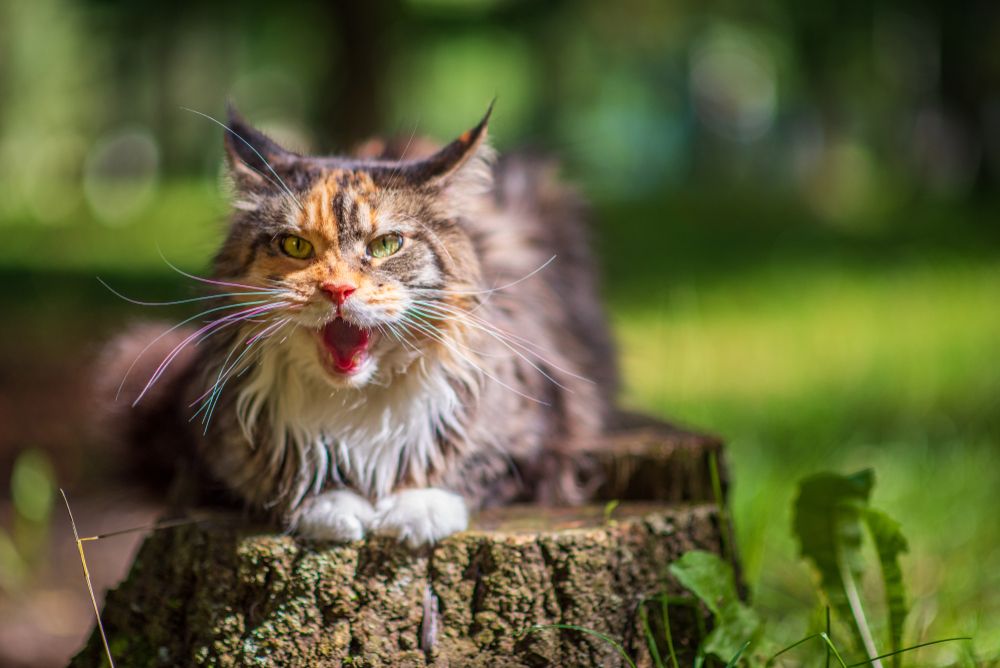
Featured Image Credit: shymar27, Shutterstock
Expert cat care, straight to your inbox
News, insights, and useful advice, delivered to you.

No spam — unsubscribe anytime.
By signing up, you agree to our Terms & Conditions and Privacy & Cookies Policy.
How useful was this post?
Click a star to rate. You can leave written feedback afterwards. (We read all feedback.)
Christian started writing for a local newspaper as a teenager, and he's been involved in the publishing industry for most of his adult life. Combining his love of writing with a passion for animals, he is currently the Director of Editorial at Pangolia and the Editor-in-Chief at Catster.
Christian lives in the Philippines with his wife, son, and four rescue cats: Trixie, Chloe, Sparky, and Chopper.