How Long to Quarantine a Cat With Ringworm? Vet Reviewed Facts You Need to Know


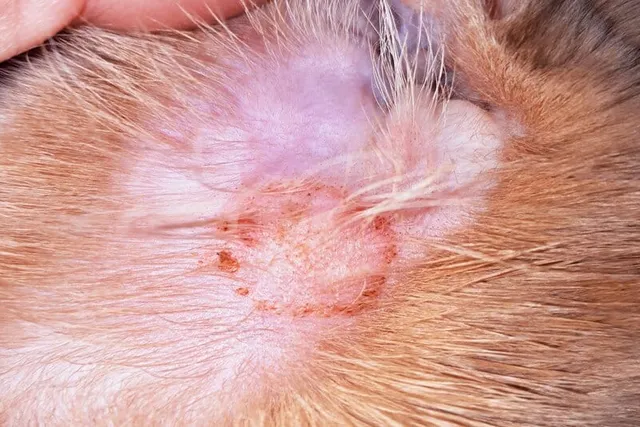
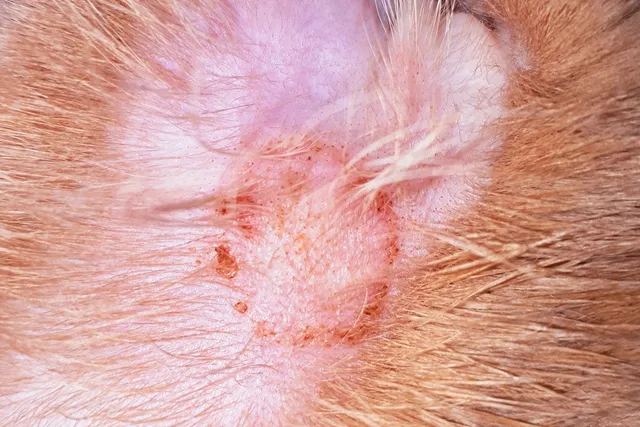
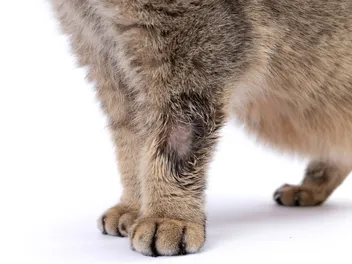
If you’re petting your cat and notice a strange, circular sore on its skin, you probably wonder what it could be. This round lesion is a tell-tale sign of a ringworm infection, which is a zoonotic fungal infection common in cats that typically has a quarantine period of between 3 and 6 weeks.
If you suspect your cat has ringworm and you'd like to find out more, read on below!

What Is Ringworm?
Despite its name, ringworm is a fungal infection caused by dermatophytes. Dermatophytes are a fungus that is specialized to infect several animal species' skin, hair, and nails, including cats, dogs, and humans. Despite different species of dermatophyte affecting various species of animals, one, in particular, is the most common cause of ringworm in cats.
Unfortunately, this species can also infect dogs and humans, making it very easy to spread.

Signs of Ringworm
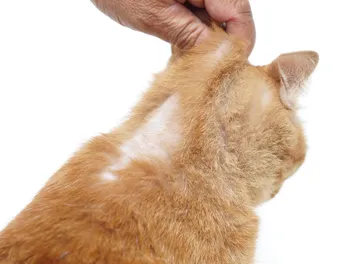
In cats, ringworm can be tricky to catch at the beginning of the infection. Some ring-shaped lesions can be very mild, and some cats can be symptom-free. However, owners can look out for other signs; cats affected with ringworm can develop patches of hair loss and scaly skin that can flake off into the coat.
The lesions and hair loss that occur with ringworm infections often show in the following places:
Owners should be aware that some cats can carry the ringworm fungus and be infectious without any signs at all, which seems to be especially common in longhaired cats. In addition, although these are common places for ringworms, please be mindful that the infection can appear anywhere on your cat's body, including their tail.
If your cat shows signs of the symptoms above or you suspect they might be suffering from underlying health issues, you should contact a vet.
How Is Ringworm Diagnosed?
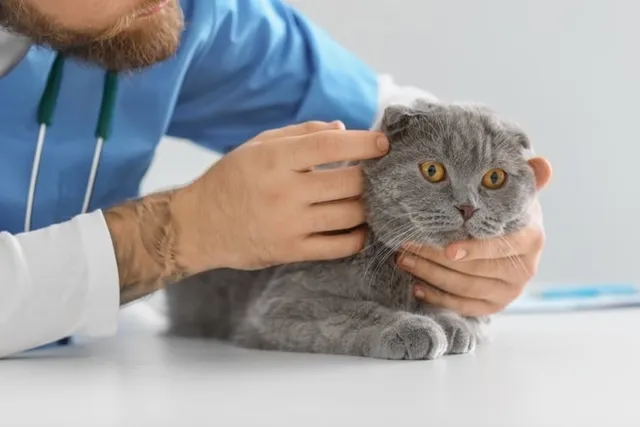
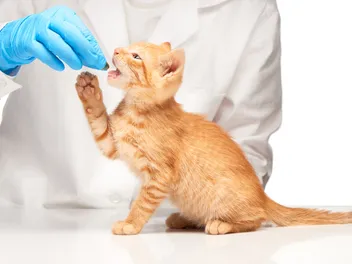
If an owner notices signs of ringworm and takes their cat to the vet, there are a few methods the vet may use to diagnose them.
The most likely first step a vet will take to diagnose ringworm (apart from taking the cat's medical history) is to pass a special lamp along their skin called a Wood's lamp. This lamp is handheld, doesn't touch the cat's skin, and is a painless procedure. In addition, the woods lamp will show most species of the ringworm fungus as glowing yellow-green, giving a clear indication of infection.
However, this method isn't always as effective since some species of dermatophyte don't glow under a Wood's lamp. There are additional steps the vet may take to help with a diagnosis, including an examination of the skin and taking a skin and hair scrape, which is then cultured in a lab. These tests can take up to 3 weeks to confirm a diagnosis.

Will My Cat Need to be Quarantined? For How long?
The veterinarian treating your cat for ringworm will discuss the recommended quarantine time for them, as factors such as age, immune function, and general condition can all affect the length of time a cat is infectious. Usually, cats will be contagious for around 3 weeks (with the correct treatment).
However, quarantine is typically advised for longer. Owners must follow any prescribed treatments correctly and until the end of treatment, without stopping unless the veterinarian asks them to. Not following the right treatment plan can disrupt recovery, and reinfections may occur.
Minimizing exposure to other pets or people is vital in preventing the spread of ringworm to other household members.
How Is Ringworm Treated? 3 Effective Ways
Treatment for ringworm in cats usually involves topical and oral medications, alongside deep cleaning and decontamination of the cat’s environment.
1. Topical Treatment
Topical treatment is applied to the affected areas of the skin and hair and comes in creams and ointments. Dips and shampoos may also be used in conjunction with this, but less commonly. When applying a topical treatment, thorough hand-washing should be observed to prevent the spread of infection.

2. Oral Treatment
Oral medications are given for around 6 weeks on their own, but topical and oral medications are usually given together. Oral antifungal medications will treat systemic ringworm infections and help clear the ringworm.
3. Environmental Cleaning
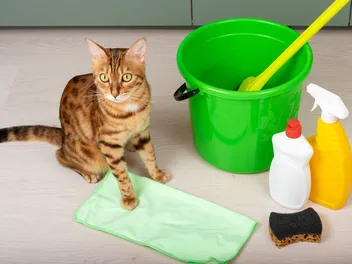
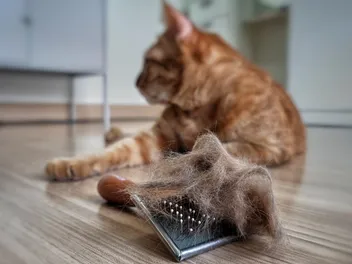
Ringworm infections can be tricky to manage, as the hair of an infected animal can spread far and wide. Removing all traces of contaminated hair from furniture, bedding, clothing, and flooring is imperative to stopping the spread of the fungus and possible reinfection.
Hard surfaces can be cleaned with a bleach solution to kill fungus spores. Clothing can be disinfected by placing it on two wash cycles of the hottest temperature at the longest duration possible.
Final Thoughts
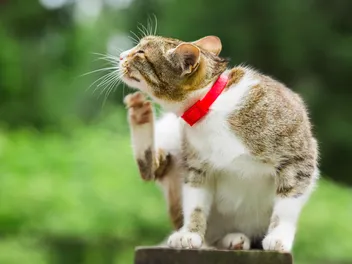
Ringworm is a fungal infection that can affect cats, dogs, and humans. It causes red, circular lesions, hair loss, scaling, and itchy skin, and it is a major cause of hair loss in cats. Treatment is essential, as ringworm is easily spread and is particularly easily transmitted to children.
Adherence to treatment plans helps cure ringworm without it coming back. Ringworm fungus spores can survive in the environment for up to 18 months, so deep environmental cleaning and an adequate quarantine period of at least 3 to 6 weeks are recommended, but this will depend on the veterinarian’s decision.
See Also:
Sources
Featured Image Credit: Natata, Shutterstock
Expert cat care, straight to your inbox
News, insights, and useful advice, delivered to you.

No spam — unsubscribe anytime.
By signing up, you agree to our Terms & Conditions and Privacy & Cookies Policy.
How useful was this post?
Click a star to rate. You can leave written feedback afterwards. (We read all feedback.)
Christian started writing for a local newspaper as a teenager, and he's been involved in the publishing industry for most of his adult life. Combining his love of writing with a passion for animals, he is currently the Director of Editorial at Pangolia and the Editor-in-Chief at Catster.
Christian lives in the Philippines with his wife, son, and four rescue cats: Trixie, Chloe, Sparky, and Chopper.