When Can Kittens Be Dewormed? The Safest Age & FAQ (Vet-Verified)

In this article
It’s an exciting time when you bring home an adorable kitten, but there are also less pleasant aspects, including worms!
Not all cats will get worms, but deworming your new pet is still crucial. Young kittens are more susceptible to common worms, which can be fatal if not treated. They can be dewormed as early as 3- 6 weeks old, and the schedule should continue regularly afterward.
In this article, we discuss the importance of deworming your kitten and how to identify the signs of an infection and provide you with a deworming schedule to ensure that your kitten grows up to be a healthy adult cat.

Kitten Deworming Age
You should consult your veterinarian regarding your kitten’s deworming schedule. Most kittens aren’t given to new owners until they reach 10 to 12 weeks of age, so you should be continuing a deworming schedule that has already started.
The standard deworming timeline is as follows:
It’s recommended to deworm outdoor adult cats once a month during the summer season, along with providing heartworm and flea prevention treatments.
Why Do Kittens Need to Be Dewormed So Often?
Frequent deworming is a process that follows the natural life cycle of worms, which typically lasts from 4 to 6 weeks. The worms start as larvae and develop into adults, reproducing and dying within this time frame. Administering deworming medication every 2 and then 4 weeks can eradicate all life cycles of the parasites. Kittens can handle preventative treatments after they reach 6 months of age.
How Are Kittens Dewormed?
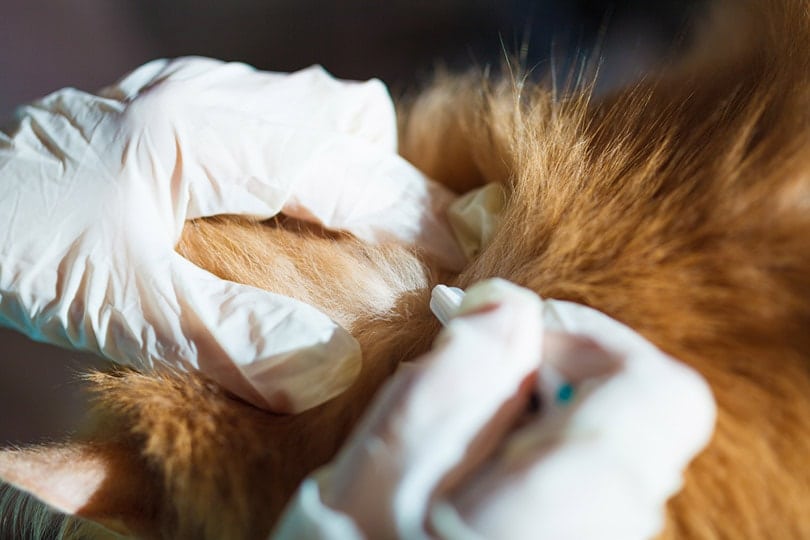
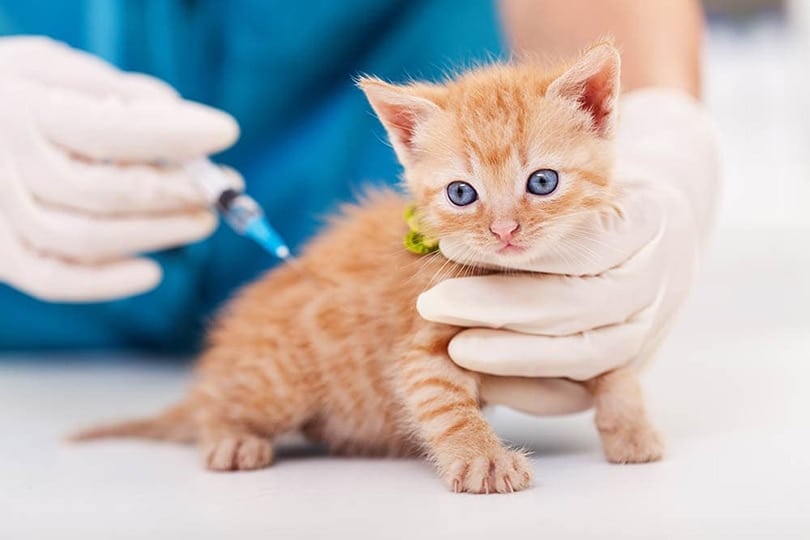
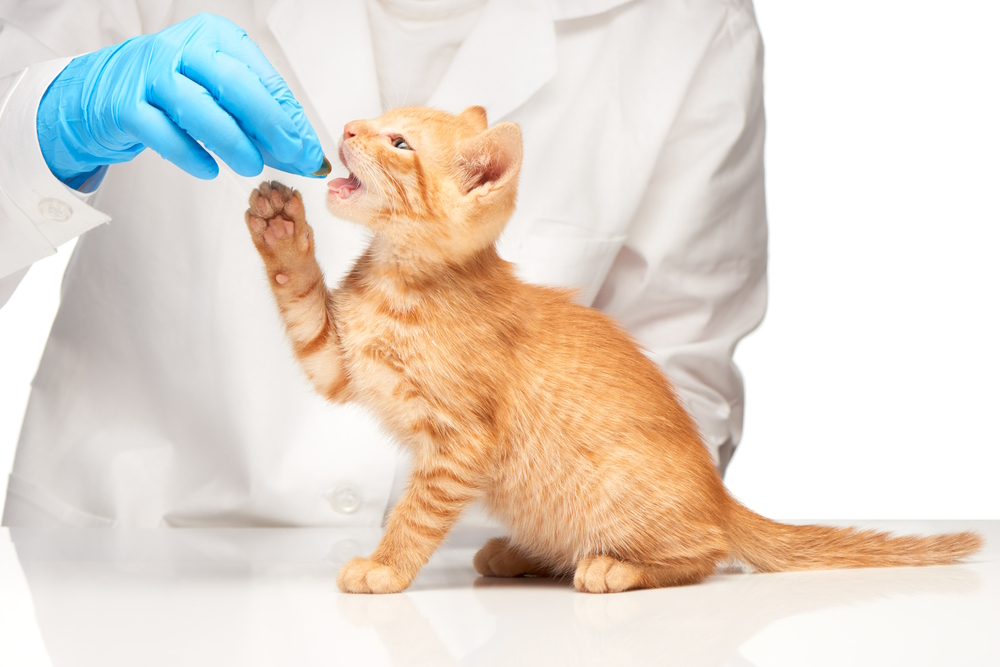
Generally, you should have your pet's deworming done by a veterinarian, or at least prescribed by a veterinarian. The type of medication used will depend on your kitten’s age, weight, and potentially your ability to administer different forms of medication.
What Kinds of Worms Can Kittens Get?
Roundworms

It’s quite common for kittens to contract roundworms from their mother's milk. A roundworm infestation can be fatal for kittens and senior cats, though adult cats can generally handle it.
Signs of roundworms in kittens include:
Hookworms
Kittens that go outside can also be infected with hookworms. They can contract these parasites by walking on contaminated soil and later licking their paws and fur.
Once inside the intestines, the hookworms can cause a range of signs, such as:
Tapeworms

Tapeworms spread when fleas ingest tapeworm eggs, so if a kitten has fleas, there’s a chance that they will have tapeworms. One of the main signs that your cat has tapeworms is seeing what looks like white rice on their butt or in their feces. These white bits are tapeworm segments.
Worms Are Serious Problems for Felines
Worms can pose serious health problems for all cats, but kittens are particularly vulnerable. This is especially true for rescue kittens, as they may already be malnourished, sick, and stressed.
Kittens that are not in good health must be dewormed, or an infestation can be fatal. Depending on the type of worm, a kitten can become anemic or severely dehydrated if they are repeatedly vomiting and experiencing diarrhea.
If they are infested with a large number of worms, this can cause an intestinal blockage, which can be fatal. In some cases, worms can impact a kitten's overall development and stunt their growth.
Consulting a veterinarian is recommended for the best course of action.
Frequent Asked Questions
Are There Any Side Effects From Deworming?
Side effects from deworming aren't common, provided that the kitten is receiving the right dose.
Common side effects can include:
Can Worms Infest Humans?

Unfortunately, certain worms can be passed to humans. This should help you stay on top of your pet’s deworming schedule! Although anyone can become infested, children, pregnant people, and immunocompromised individuals are the most susceptible.
Humans can swallow worm eggs, which in some instances can then migrate around and damage various organs, including the lungs and liver.
Do Indoor Kittens and Cats Need Deworming?
Indoor cats are still recommended to be dewormed, however the frequency is less than for outdoor cats. Additionally, it’s easy enough to bring in eggs on our clothing and shoes, which could then infest our indoor cat.
Fleas are also quite capable of hitching a ride on humans and animals. For example, dogs can bring in all kinds of unwanted visitors after their daily walks. Finally, mosquitoes can find their way into our homes, and they can transmit heartworm disease.
While this isn’t a common occurrence, it’s always better to be safe than sorry.
Can We Prevent Worms?
Deworming is the best way to keep your cat free of parasites. You’ll need to ensure that all dogs and cats in the home are dewormed regularly; your vet can help you figure out the frequency. You should use vet-approved monthly flea and heartworm treatments, as these will prevent roundworms and hookworms throughout the year.
Apart from that, it's also necessary to keep the litter box clean and maintain good hygiene practices. Keeping your cat indoors is highly recommended, as it reduces the risk of worm infestation and protects your cat from predators, injuries from fights, and getting hit by cars.
Conclusion
Worms are just plain nasty! But by following your vet's deworming schedule, you can prevent any potential problems in your cat. Along with deworming, your pet should stay up to date with flea and heartworm preventative treatments.
By being diligent and providing the necessary care for your kitten, you can help keep them in the best of health.
Sources
Featured Image Credit: Andrew Rafalsky, Shutterstock

Expert cat care, straight to your inbox
Vet-reviewed advice, behavior tips, and the best of Catster. Free, and you can unsubscribe anytime.
By signing up, you agree to our Terms & Conditions and Privacy & Cookies Policy.
Kathryn was a librarian in a previous lifetime and is currently a pet writer. When she was a child, she hoped to work in ZOOs or with wildlife in some way, thanks to her all-consuming love for animals. Sadly, she's not strong in the sciences, so she fills her days with researching and writing about all kinds of animals and spends time playing with her adorable but very naughty tabby cat, Bella. Kathryn is hoping to add to her family in the near future – maybe another cat and a dog.
Join the conversation
Ask a question, share your story, or send private feedback.