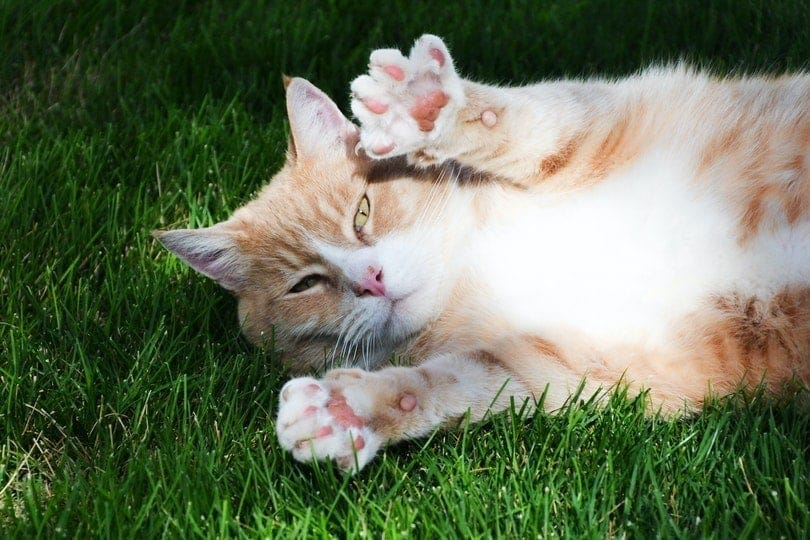
Do Cats Need Their Paw Fur Trimmed? Vet-Reviewed Tips, Facts & FAQs


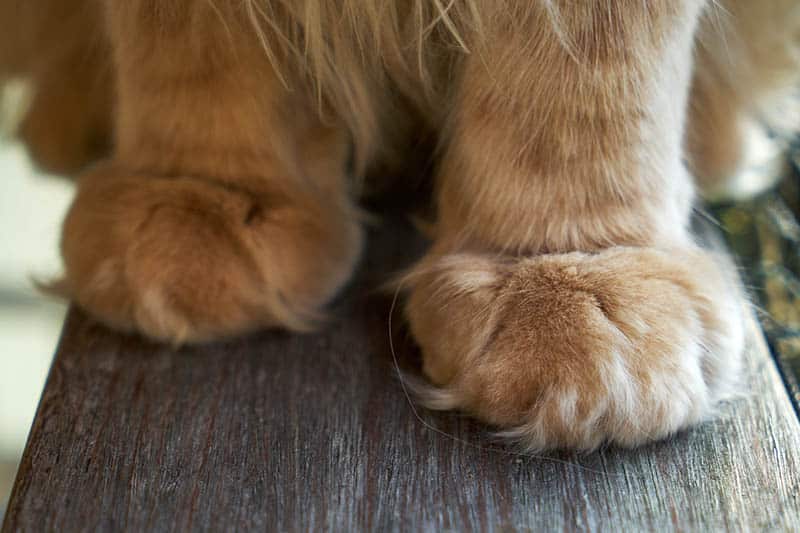
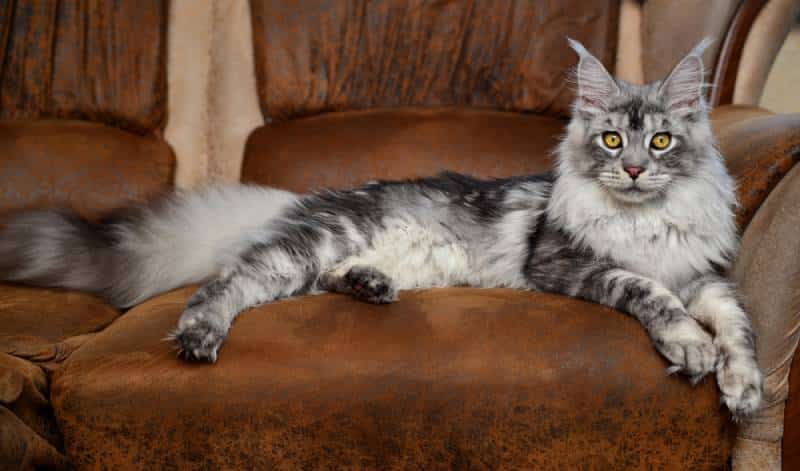
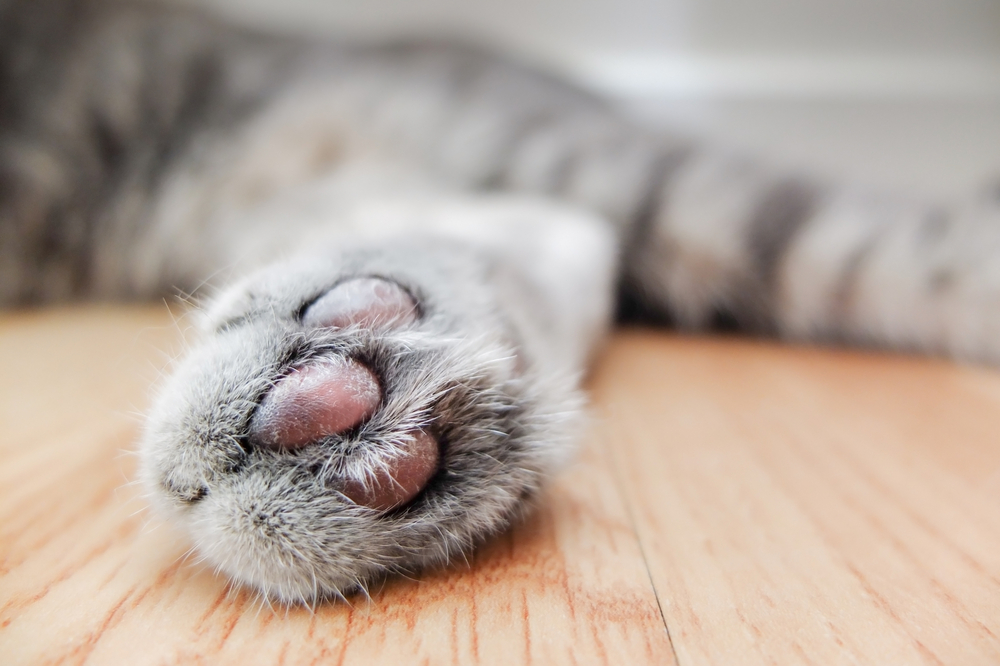
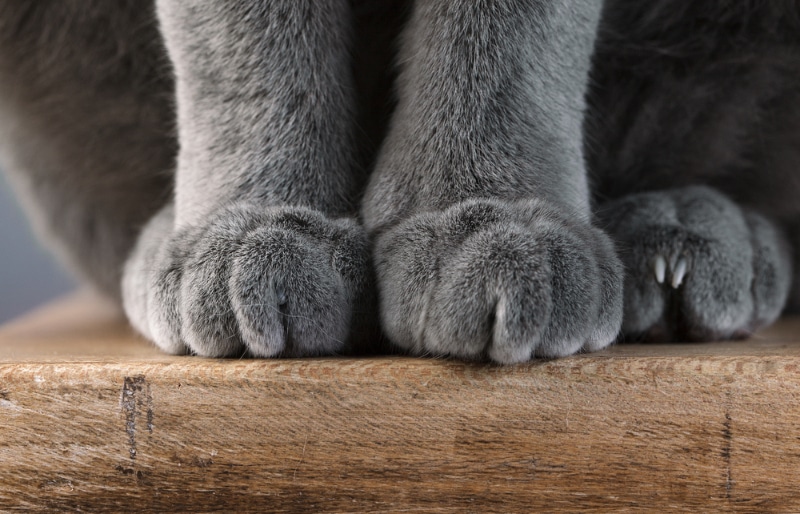
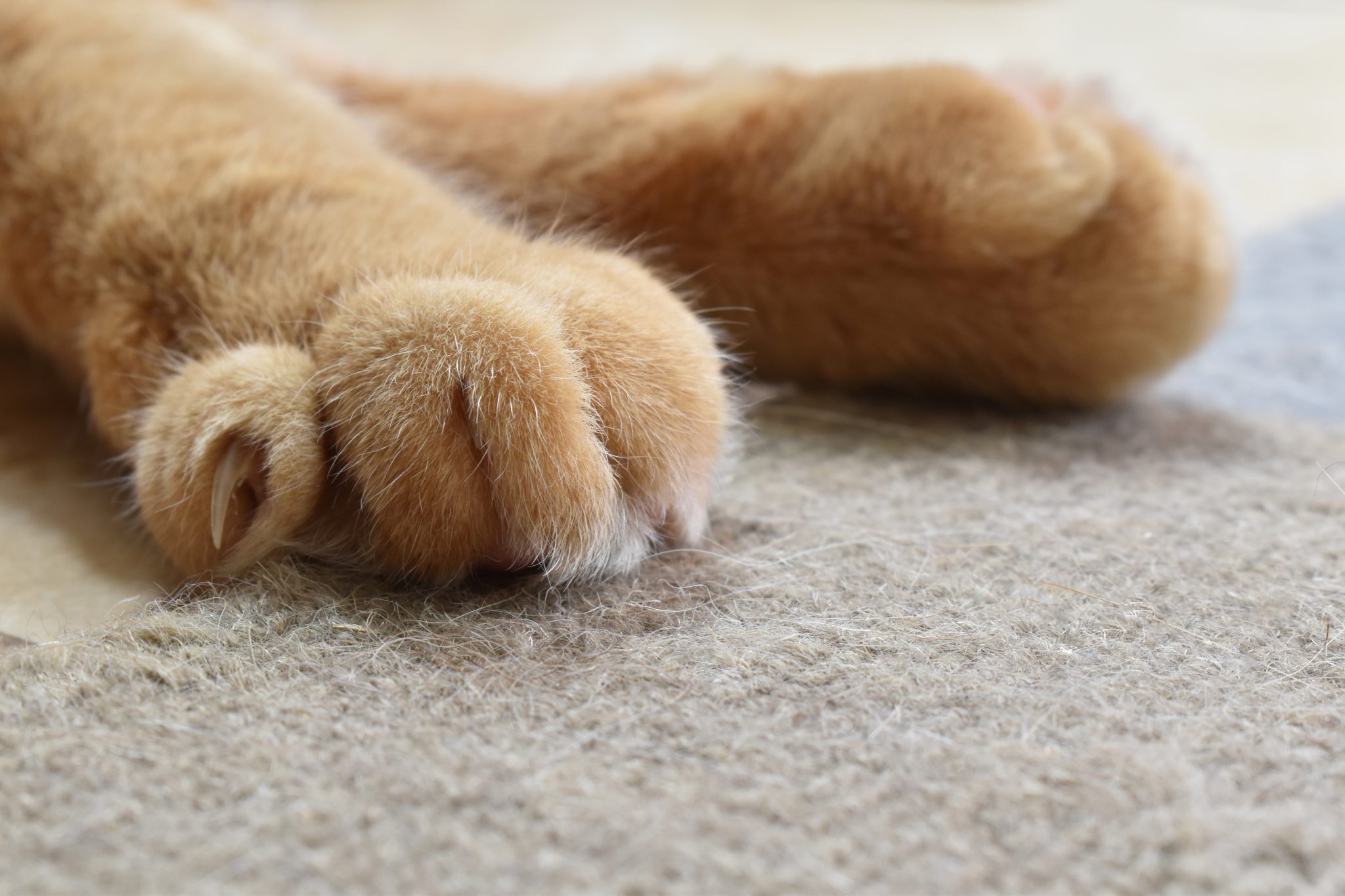
Although cats typically do a very good job of grooming themselves, some do require a little help with trimming fur, and all cats need help with other care and maintenance requirements. One area that causes some debate between owners is the hair on cats’ paws. Every breed of cat is different, and while those with short or medium-length coats rarely need to have their toe tufts trimmed, longer-haired cats like the Maine Coon can benefit from having the occasional trim.
With that said, unless the paw fur is causing a problem, you do not have to trim it. Your cat should be fine even if you leave the fur to grow.

To Trim or Not to Trim?
In most cases, there is no need to trim the fur on a cat’s paws. Groomers often trim the fur in this area, however, because it looks neater.
There are some instances where you should cut the fur:
Reasons to Trim
How to Trim?
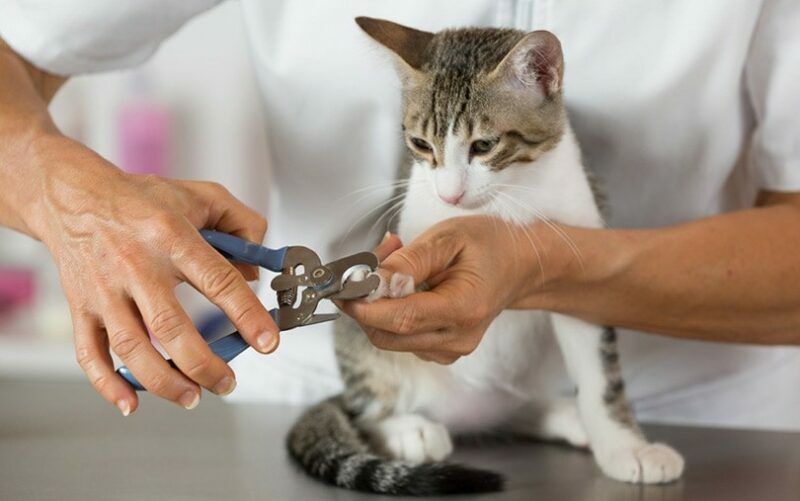
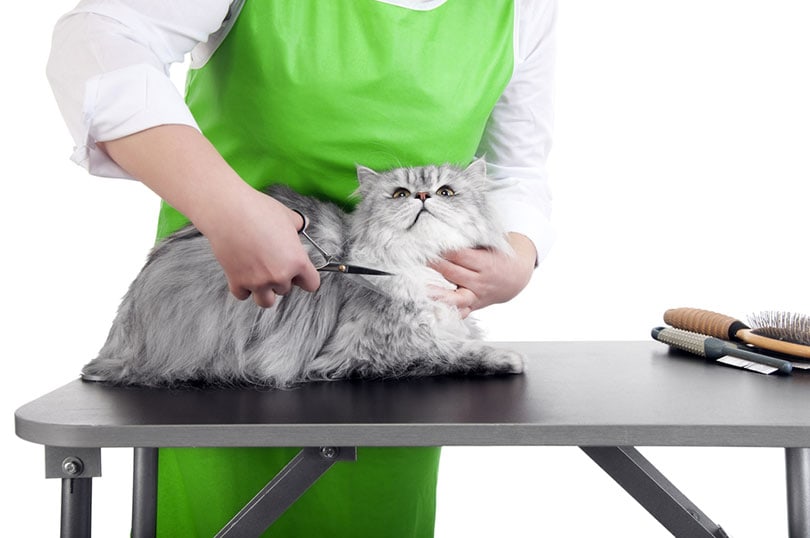
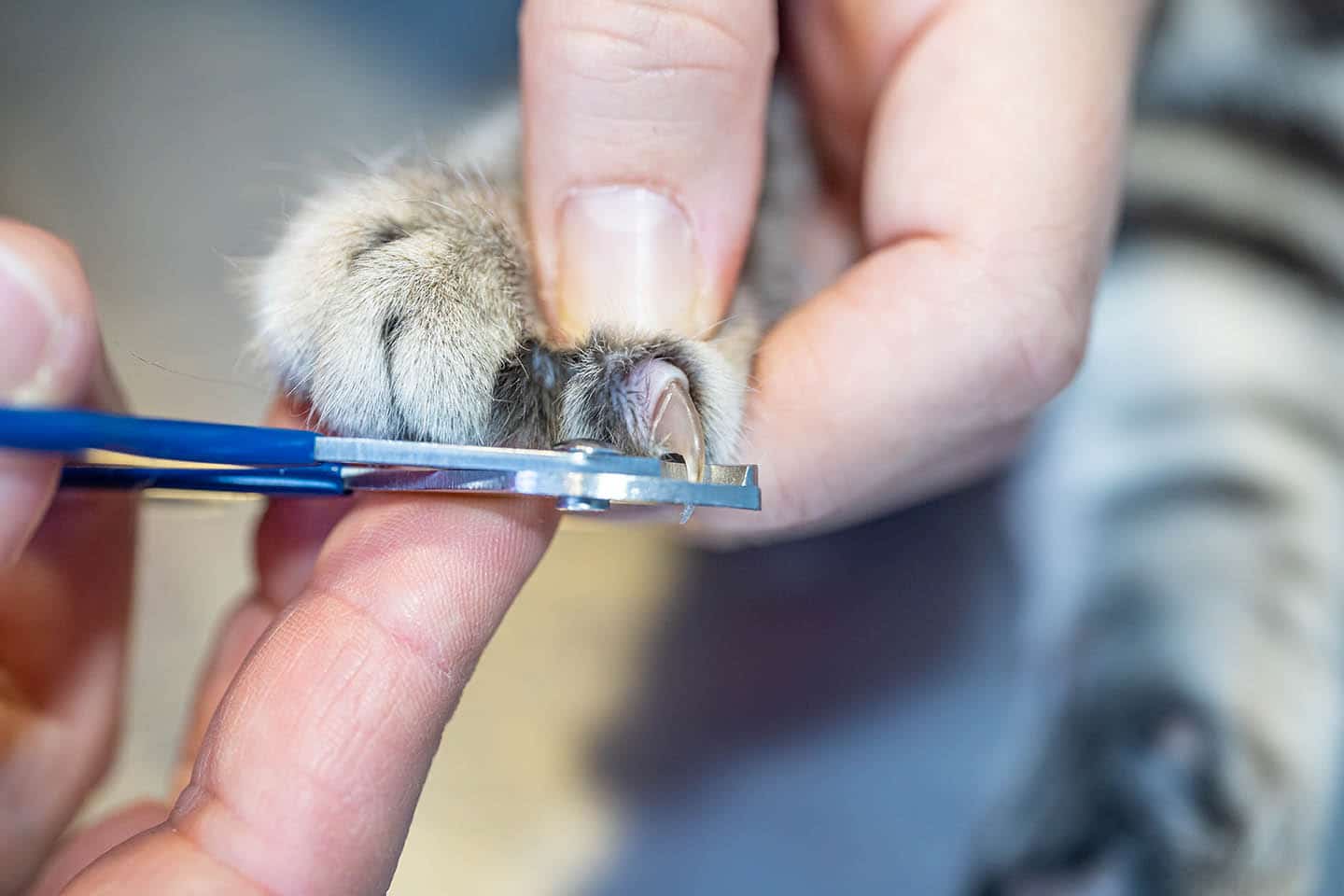
If you need to trim the toe tufts, because they are long, matted, or dirty, you can seek help from a vet or a professional groomer, or try and do it yourself if you feel confident and your cat is used to having their paws handled. You can use clippers or scissors. Cats should be used to having clippers turned on first and this is something best practiced from a young age, so they can get accustomed to the strange noise.
Clippers are safer in the sense that it’s unlikely that you will inadvertently cut the skin, but it’s still important to be careful and gentle. Using scissors can be more tricky and both techniques require the help of an assistant. Someone to hold the cat comfortably and keep the paw still, with the other person doing the trimming. If you’re using scissors, be more mindful that accidents could happen, if the scissors catch the skin. A way to prevent this is to double check before clipping the fur, and by holding the fur in your hand, with your fingers guarding the pads below, so you are cutting only up to your fingers. Be gentle and careful and only do this if you have experience with it and if your kitty tolerates it.


The 5 Tips for Cat Paw Care
While it might not be necessary to trim the toe tufts, there are other ways that you can help care for your cat’s paws, ensuring they are comfortable, healthy and that there is no risk of infection or other problems.
1. Provide Scratching Opportunities
Cats can do a good job of maintaining their claws with regular scratching on abrasive surfaces. Cats that go outdoors will often find trees, fences, and other hard surfaces on which to scratch. This not only maintains existing claws, but it helps to remove dead layers of the claw.
Scratching also offers stress relief and body stretching, and is a method of marking territory. If your cat does not go outdoors, ensure that they have scratching posts or scratching pads around the house.
One of our preferred scratchers, the Hepper Hi-Lo Modern Cat Scratcher, is a surefire way to keep your kitty out of trouble (or at least away from scratching the things they should not!). It's not only stylish, but it's functional as well. It's made of sturdy cardboard with a durable plywood and metal frame and can be set up in three different ways – high, low, or lower. The different positions encourage maximum engagement, exercise and stretching, and of course, intense scratching (they can throw their whole body into it).

- Premium Materials - Hepper's cardboard scratcher is made with dense, B-flute cardboard, and a metal core. Encased in a 1/2" plywood frame with gloss coating. Stable and beautiful, use after use
- High, Low and Lower - A single cat scratch pad won't keep your cat engaged. 3 unique positions keeps them coming back, and back, and back again. Finally, something to get them away from the couch!
- Activates Muscles - The Hi Lo isn't just a cat nail file to stop the chief cat couch scratcher. The deep cat scratcher wave encourages maximum musculoskeletal activation for a healthier workout
With the Hepper Hi-Lo, your cat gets to have a blast scratching like a maniac, and you don't have to worry about them causing so much chaos or scratching your stuff. There are even replacement cardboard pieces available, so you really can let your cat go to town on this, and know that it will be long lasting. Click here to learn more about this awesome scratcher.
At Catster, we’ve admired Hepper for many years, and decided to take a controlling ownership interest, so that we could benefit from the outstanding designs of this cool cat company!
2. Trim Claws
While your cat is good at maintaining their claws to some extent, they may need help sometimes, and this means that you may need to trim the claws. Trimming the claws is beneficial for you because it prevents long and painful claws from digging in and it means that your cat is less likely to damage furniture and floors.
Buy good quality clippers and start clipping the claws when your cat is a kitten, learning how to do it safely and confidently by receiving tips from a vet or professional groomer. This will make it easier to trim when they are older.
3. Clean the Paws
Things can get stuck in your cat’s paws, between their toes, and in the pads. Generally, your cat will be able to do a good job of removing most dirt and debris, but this does mean chewing and potentially gnawing. If you notice your cat has dirty paws or something is stuck to them, give them a clean with pet wipes or a damp cloth.

4. Check for Injuries and Sores
Paw cleaning presents a good opportunity for you to inspect the paws, claws, and the rest of the area for injuries and sores. Cats use their paws a lot, and if they walk on something sharp, sticky or something otherwise harmful, it can cause damage that limits mobility and causes pain when your cat tries to get around. Be gentle but look for abrasions, cuts, sores, rashes, and other possible problems.
If your pet is showing signs of injuries or sores, we suggest you speak to a vet.
5. Protect Against Extreme Temperatures and Harmful Substances
A cat’s paws are sensitive, and if they walk on surfaces that are extremely hot or cold, or if they walk through substances like bleach or strong cleaning fluids, insecticides, or other chemicals, they can get damaged. Cats will also lick them in order to reduce the pain and clean them, causing them to ingest any of the harmful substances they may have walked through. Damaged paws can lead to problems walking and general pain and will require veterinary care.
Wearing boots or socks is not something cats tolerate, as they need to have their paws, pads, and claws free when walking, jumping, playin,g and defending themselves. If the weather conditions are unfavorable, keep your kitty inside. Avoid any chemical spillage and clean any mishaps immediately, before your cat has a chance to walk through it.

Conclusion
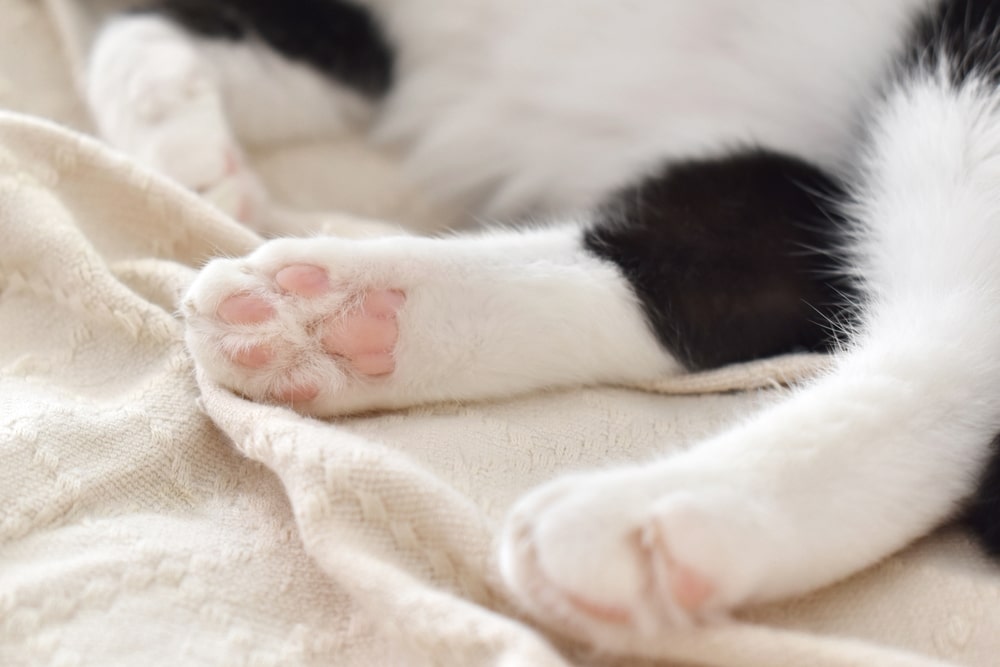
Cat paws are sensitive, and our feline friends need help protecting them from time to time. However, unless your cat is showing signs of discomfort or pain caused by the hair on their paws, also called toe tufts, there is no reason to trim the fur. If the fur does need trimming, you can do it yourself, or you can have a groomer do it for you, but be careful to avoid scaring your cat or inadvertently cutting the skin. Check the paws regularly, especially after very hot or cold weather, to ensure that they are in good condition.
You Might Also Be Interested In:
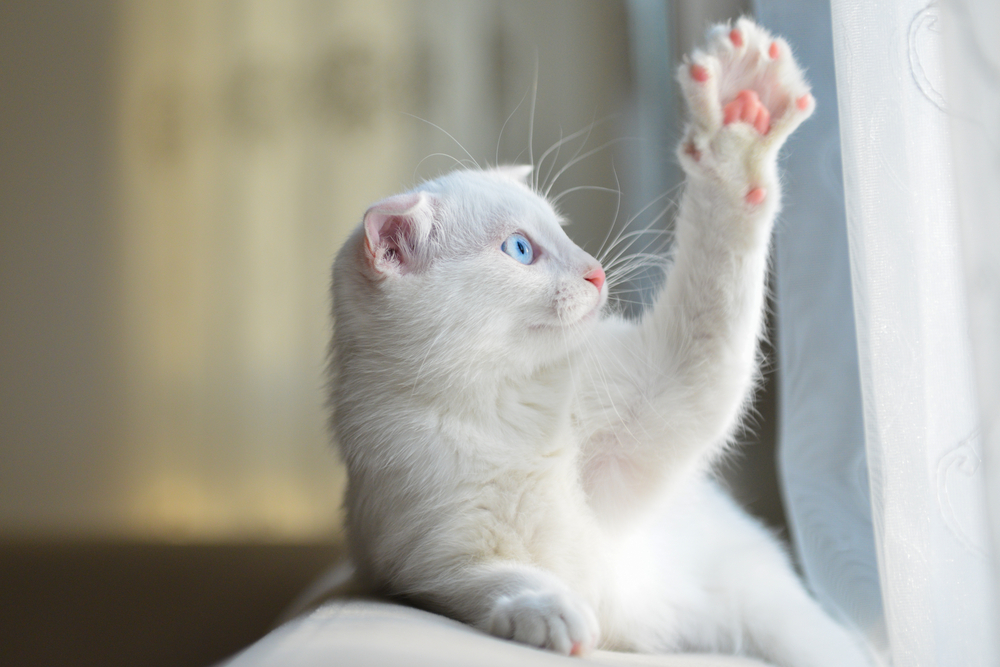
Featured Image Credit: Kirsten Kluge, Unsplash

Expert cat care, straight to your inbox
Vet-reviewed advice, behavior tips, and the best of Catster. Free, and you can unsubscribe anytime.
By signing up, you agree to our Terms & Conditions and Privacy & Cookies Policy.
Christian started writing for a local newspaper as a teenager, and he's been involved in the publishing industry for most of his adult life. Combining his love of writing with a passion for animals, he is currently the Director of Editorial at Pangolia and the Editor-in-Chief at Catster.
Christian lives in the Philippines with his wife, son, and four rescue cats: Trixie, Chloe, Sparky, and Chopper.
Join the conversation
Ask a question, share your story, or send private feedback.