Do Cat Paw Pads Grow Back? Vet Approved Facts & FAQs


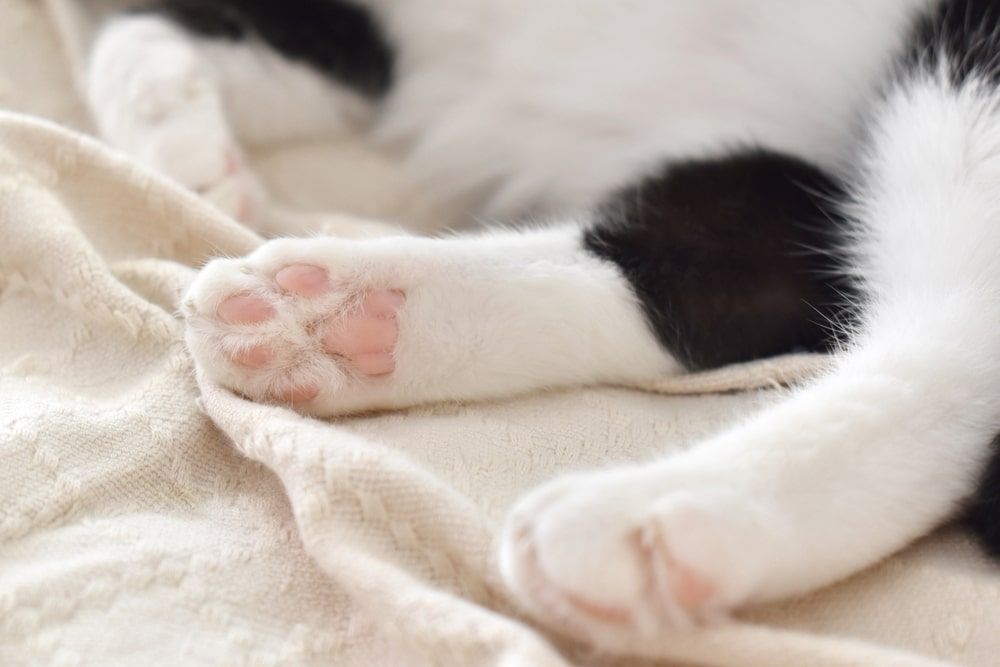
Cats are curious, active creatures adept at using their sharp eyes, noses, and ears to explore the world. But they also use information gathered from the hyper-sensitive nerves in their whiskers and paws! Cat paws are packed with delicate nerve endings that allow cats to feel the subtle movements of mice and other scampering prey.
Because cats' paws are constantly in use, they are quite vulnerable to injuries. Outdoor cats are at heightened risk of foot pad injuries, as they're more likely to walk over caustic materials or sharp objects that cut their paws than indoor pets. They're also more inclined to suffer footpad-related injuries during fights. Indoor cats often injure their paw pads by walking over hot surfaces or stepping on something sharp.
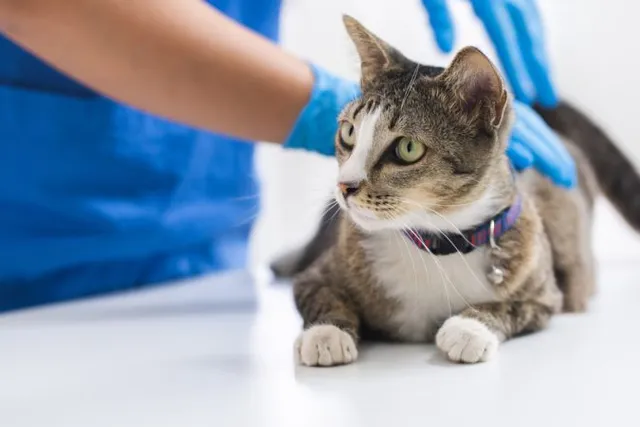
Most foot pad injuries heal within 10–14 days or so. However, severe burns often require months of extensive care. Read on for more information about cat paws and what to do if your pet injures itself.

Is It Common for Cats' Paw Pads to Fall Off?
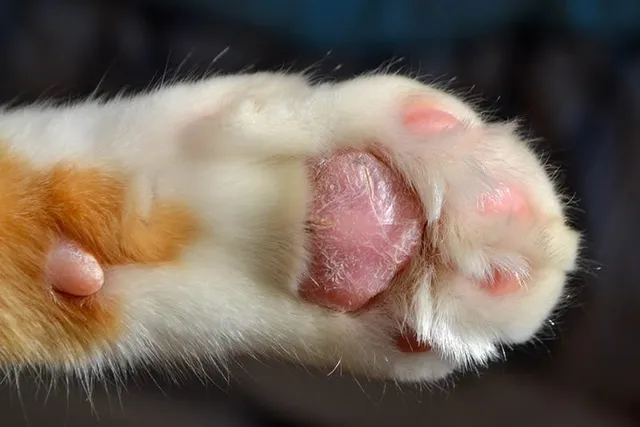
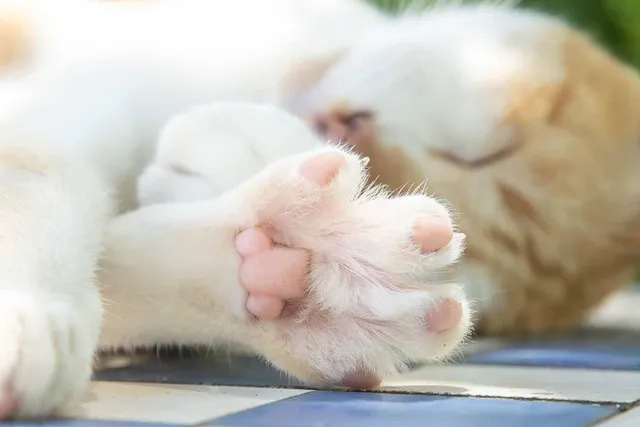
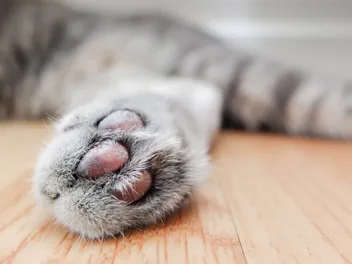
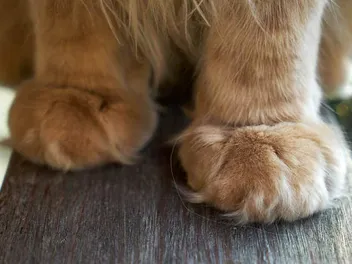
No. It's a pretty rare occurrence. Most cats have five pads on their front paws and four on their back feet. Cats' paws have a tough outer layer of skin, with tender nerve endings and blood vessels underneath.
The underlying tissues often become inflamed and infected if an injury is deep or traumatic enough, leading to the eventual sloughing off of the injured tissue. But that doesn't mean your cat's paw pad detaches or falls off! The peeling away of damaged tissue is part of the healing process! It's clearing the way for healthy new tissue beneath to grow.

How Do Cats Injure Their Paws?
Cat paw injuries consist primarily of burns and cuts. Cats often end up with burnt paws after walking through caustic chemicals such as bleach or after spending too much time walking on hot surfaces during the summer. Cuts occur when cats walk over sharp items, such as broken glass. However, fights are a common cause of severe paw injuries, and outdoor cats are at increased risk of injuring their pads.
What Should I Do if My Cat Has a Burn on Their Paw?
The first thing you want to do is to determine the severity of the injury, which can be done by ascertaining the depth of the burn. First-degree burns usually result in red skin, singed hair, and minor pain. With second-degree burns, you often see blisters and redness, which tend to cause more pain than first-degree injuries. Third-degree burns are full thickness, and there's damage to the underlying tissues. The skin around the edges of the wound may also appear charred.
First and second-degree chemical burns need to be rinsed with water. You can use a bit of dish soap to remove oily material that will not come off the skin. Keep injuries caused by exposure to hot surfaces under cool running water for 20 minutes.
Most owners can treat first-degree burns at home if the injury doesn't cover much of their pet's body. Don't use disinfectants such as alcohol or peroxide on the wound; both are far too harsh for cats. Nor should you apply human burn ointments, butter, or olive oil. Your veterinarian can prescribe appropriate medications if your cat's skin becomes uncomfortable and itchy during healing.
Cats suffering from second- or third-degree burns must be seen by a veterinarian. Wrap the injury in a clean, wet cloth to keep your cat comfortable until it can receive medical attention. Third-degree burns are excruciating and usually require hospitalization and possibly surgery.

How Do Veterinarians Treat Paw Burns?
Many cats don't need veterinary care for first-degree burns. If they do, it mainly involves getting a prescription for a topical salve to reduce itching. Veterinarians often prescribe antibiotics, pain medication, and ointments to treat second-degree burns.
Not all second-degree burns need to be bandaged, but some do, and they require regular dressing changes. Third-degree burns almost always lead to hospitalization, as impacted cats need extensive supportive care. Treatment includes the administration of IV antibiotics, pain medication, and fluids. Third-degree burns require daily bandage changes and debridement, which usually needs to take place under sedation.
What Should I Do if My Cat Has a Paw Laceration?
Wrap your cat in a towel and take a look at the wound. Use tweezers to remove anything stuck in your pet's paw. Don't attempt to remove or dig out deeply embedded foreign objects, as the process is likely to hurt your cat. If you can't easily remove whatever is in your pet's foot, head to the veterinarian for help.
Once you're sure there aren't any foreign bodies in your cat's paw, clean the cut with running water, soap, or betadine. Place a clean towel over the wound and apply pressure to reduce bleeding. Once the blood stops flowing, apply a loose bandage to keep the area clean. Change the dressing at least once a day. Take your pet to the veterinarian if you can't get an injury to stop bleeding after applying pressure for 10–15 minutes.

How Do Veterinarians Treat Paw Lacerations?
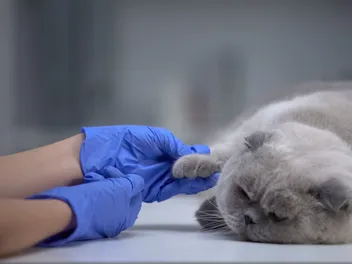
Your veterinarian will begin with a physical exam to evaluate the injury. Veterinarians will suture cuts as needed and sometimes prescribe medications to relieve pain and prevent infections from developing. Cats that have lost a substantial amount of blood may be in shock and require inpatient treatment.
Final Thoughts
If you have a cat at home, there is a good chance you will have to deal with an injured paw or two throughout your buddy's life. While these injuries are pretty common, many have the potential to become serious if not addressed quickly and appropriately.
While paw pads rarely fall off, they do become injured and infected. Regular paw inspections allow you to keep an eye on your cat's paw health and intervene when needed.
Related Reads:
Sources
https://www.justanswer.com/pet-cat/63y9p-long-does-cat-s-paw-pad-regrow.html
https://www.pawschicago.org/news-resources/all-about-cats/kitty-basics/cat-senses
https://www.purina.co.uk/articles/cats/kitten/play/cat-senses
https://www.petmd.com/cat/emergency/accidents-injuries/e_ct_burns
https://vcahospitals.com/know-your-pet/first-aid-for-torn-footpads-in-cats
https://www.petplace.com/article/cats/pet-health/footpad-injury-in-cats
Featured Image Credit: Maliflower73, Shutterstock
Expert cat care, straight to your inbox
News, insights, and useful advice, delivered to you.

No spam — unsubscribe anytime.
By signing up, you agree to our Terms & Conditions and Privacy & Cookies Policy.
How useful was this post?
Click a star to rate. You can leave written feedback afterwards. (We read all feedback.)
Lorre Luther is a writer who is firmly convinced that cats are smarter than humans. She left her law career in the United States and moved to the Netherlands to follow her dream of becoming a writer. Lorre currently lives in Rotterdam, she enjoys traveling and greatly appreciates the beauty of nature. Lorre has a spot for animals and admires the intelligence of cats.