Get

In Your Inbox

Catster is reader-supported. When you buy via links on our site, we may earn an affiliate commission at no cost to you. Learn more.

How to Treat a Burned Cat Paw Pad: 6 Vet-Approved Tips

Share

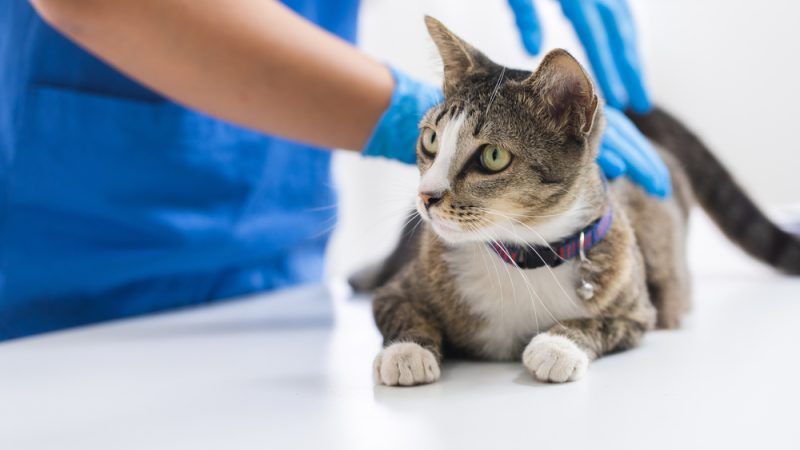
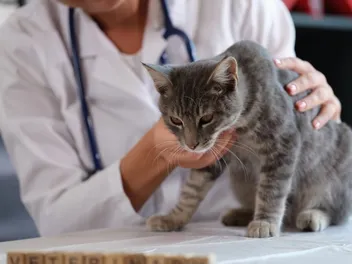
vet checking up tabby cat

Given how curious, fearless, and agile they are, cats have a way of getting into things that they shouldn’t. Add the fact that cats love warmth but cannot distinguish dangerous hot surfaces from safe ones, and you have a recipe for disaster in the form of a burned paw pad.

While you can’t completely prevent the situation, knowing how to treat a burned cat paw pad can at least help ease your kitty’s pain, prevent complications, and speed up the healing process.

Review these tips on what or what not to do when your beloved pet has burned their paw.


divider 3 paws

If your cat has burned their pads or paws, get in touch with your vet straight away. The info in this article has been reviewed by a veterinarian but is not a replacement for a veterinary clinical exam and appropriate treatment. We aim to provide helpful tips, but the majority of these cases require prompt veterinary attention.

How to Treat a Burned Cat Paw Pad

1. Know the Signs of a Burned Paw Pad

Like many animals, cats are very good at hiding their pain.

But there are some signs that your cat is in pain from a burned paw pad, including:
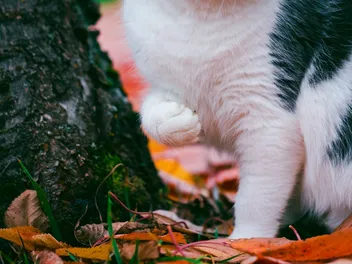
  • Limping or holding up the affected paw
  • Crying or meowing in pain
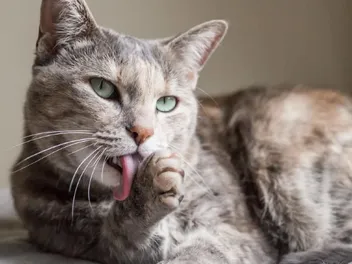
  • Licking or chewing at the paw
  • Avoiding putting weight on the paw
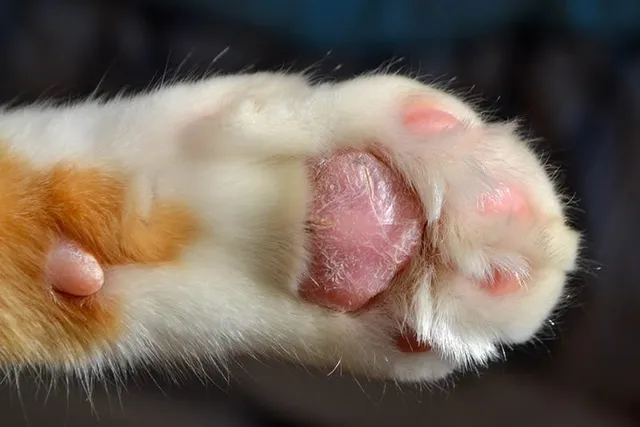
  • Swelling or redness in the paw
  • Blisters or open wounds
  • Charred fur or blackened skin
  • Lethargy and hiding
  • Reduced appetite

Also, look for subtle changes in behavior, since it can take a day or two for burn damage to become visible. For instance, a normally rambunctious cat that starts hiding or becomes withdrawn may be in pain. Got a cat that loves to swat while playing? A burned paw pad may make them less likely to engage in this type of activity.

Get in touch with a veterinarian for guidance and advice on the best course of action.

If you need to speak with a vet but can't get to one, head over to PangoVet. It's an online service where you can talk to a vet online and get the advice you need for your pet — all at an affordable price!

PangoVet_Mention-in-Content for PangoVet2 save money

2. Identify the Type of Burn

There are three common types of burns your cat can get:
  • Thermal: These burns come from contact with a hot object, such as a stovetop, radiator, or hot pavement.
  • Chemical: Chemical burns come from contact with chemical fumes or certain substances, including acidic substances like bleach, drain, house cleaning products, gasoline, or battery acid. This is extremely dangerous, as it not only damages the skin but can also poison your cat if they ingest it by licking.
  • Electrical: Electrical burns are caused by exposure to electrical currents, such as chewing on an electrical cord.

The type of burn will dictate what you need to do next. All burns need immediate medical attention, but certain types require specific first aid. The vet will also need to know the type of burn in order to provide appropriate treatment.


3. Assess the Severity of the Burn

Just like with humans, burns in cats are classified according to their severity:
  • First-degree or superficial burns: These affect only the outer layer of skin and are similar to mild sunburn in humans. The skin will be red and painful, but it will be intact. Blisters usually don’t develop since the burn doesn’t go deep enough to cause them.
  • Second-degree or superficial partial thickness burns: These burns damage the outer layer of skin and some of the tissue layers underneath. The skin will be red and painful, and there may be blisters.
  • Third-degree or deep partial thickness burns: These are the most serious type of burn, affecting all layers of skin. The skin may be blackened and charred, and there may be blisters, open wounds, and severe pain. Your cat may also go into shock.

Fourth-degree or full-thickness burns are also possible, but they are so severe that they cause damage to the tissues underneath the skin, such as tendons, muscles, and bones. These burns are rare in cats, but when they do happen, they’re life-threatening, and you need to take them to the vet ASAP.

a red domestic cat bites its owner's hand
Image Credit: Irzhanova Asel, Shutterstock

4. Apply Appropriate First Aid

First-degree burns in cats may be initially treated at home, but any burn that blisters or breaks the skin should be seen by a vet.

That said, there are some things you can do to help your cat in the meantime:
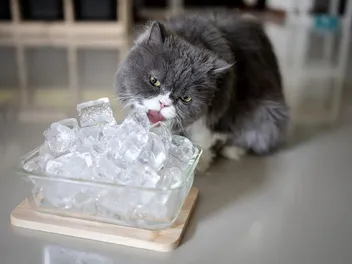
  • Cool the Burned Area: Only do this for first-degree burns or second-degree burns that aren’t blistered. Hold the paw under cool (not cold) running water for 3–5 minutes. If your cat won’t tolerate this, soak a clean cloth in cool water, and gently squeeze it above the burn. Don’t use ice, as this can further damage the tissue.
  • Dry the Area and Keep It Clean: Once the area is cooled, dry it off very gently if possible, and keep it clean. This may be difficult, as most cats don’t take kindly to having their paws handled, especially when they hurt, but it’s important to prevent infection. If your cat is extremely agitated, you may want to quarantine them in a clean, quiet, and safe area. This will help minimize their contact with dirty surfaces without you having to hold them down.

5. Take Your Cat to the Vet

Despite the paw’s small surface area, burns are painful for your cat. Severe and deep tissue burns can sometimes cause a cat to go into shock, dehydrate, or suffer organ damage.

Depending on the type of burn, there can also be other issues, such as chemical burns to the eyes or respiratory irritation from smoke inhalation. For these reasons, it’s always best to take your cat to the vet straight after a burn injury, regardless of the cause or severity.

The vet will give your cat strong pain medication and may prescribe antibiotics if there’s any risk of infection. They may also need to give your cat IV fluids to prevent dehydration. Some burns require regular bandaging and wound cleaning. More serious burns may require surgery to remove dead tissue or skin grafts to cover open wounds.

Some cats may also need oxygen therapy if they suffer from smoke inhalation and may need their eyes flushed out.

cat's paw being bandaged by vet
Image Credit: VGstockstudio, Shutterstock

6. Observe Your Cat for Complications

Burnt paw pads can cause several complications in cats, even with proper treatment. The most common one is an infection, which can cause your cat a lot of pain and may lead to tissue necrosis and sepsis if it’s not treated quickly. Look out for signs of infection, such as excessive licking, redness, swelling, malodor, or discharge from the burn site.

Cats can also develop scars or contractures as the burn heals. Scars are permanent and may cause your cat discomfort, while contractures happen when the skin around the burn heals in a way that pulls the tissue underneath tight. This can make it difficult for your cat to move their paw or use their claws and may require surgical correction if it’s severe.

Finally, some cats may develop behavioral problems after a burn injury. They may become more aggressive or withdrawn and may start to exhibit signs of anxiety or stress. If you notice any changes in your cat’s behavior, talk to a vet about possible ways to help them cope.

divider 1 paws

What NOT to Do If Your Cat Has Burned Paw Pads

Burns affect cats differently than humans. Usual interventions for a burned hand or skin in people, for instance, can be quite dangerous and even lethal to cats.

Avoid these interventions for a cat with burned paw pads:
  • Don’t use ice. Ice can cause frostbite and further damage the tissue.
  • Don’t put any ointments, lotions, or other products on the burn unless the vet tells you to. Some human products can further irritate the skin or may be toxic to cats, as they will lick them off.
  • Don’t try to remove any dead skin yourself. This is a job for a professional and can only be done under sedation or anesthesia when the cat is pain-free. Attempting to do it yourself can cause even more damage.
  • Don’t give your cat any pain medication unless it’s prescribed by a vet. Cats metabolize drugs differently than humans, and some medications that are safe for us can be toxic or even fatal to them. A vet will prescribe appropriate and safe painkillers for your cat.
  • Never put your cat in a tub of water. This could cause them to panic and make their injuries worse.
  • Never try to force your cat to eat or drink. If they’re in pain, they may not have an appetite, and forcing them to eat or drink can make them vomit, which can further dehydrate them.

divider 3 paws

Conclusion

While seeing your beloved cat in pain is incredibly distressful, try your best not to panic. Most cats recover well from mild to moderate burns with proper treatment. Even the most severe burns will heal properly with timely veterinary intervention.

As a pet owner, however, you need to be ready for anything. Be sure to keep the number of your local emergency vet clinic handy, and familiarize yourself with the signs of burn injuries in cats so you can act quickly if your cat is ever hurt.

With a little preparation, you can rest assured knowing that you are ready to help your cat in case of an emergency.

Related Reads:


Featured Image Credit: mojo cp, Shutterstock

Want content like this delivered to you?

Sign Up For Our Newsletter

News, insights, expert advice, and everything cat

* By submitting, you agree to our Terms & Conditions and Privacy & Cookies Policy.


How useful was this post?

Click on a star to rate (you can leave written feedback after clicking submit)

Help us improve Catster for pet parents!

Your feedback really matters.

What did you like about this post? Also how can we improve it?

Join the conversation

Leave a Reply

You’re very welcome to leave a comment or question. Please know that all comments must meet our community guidelines, and your email address will NOT be published. Let’s have a positive and constructive conversation.


Talk With A Vet Online

Peace of mind,
anywhere, anytime

Affordable vet advice

Do Cats Cause Schizophrenia? Scientists Find a Link – Here’s What It Means

Being a fierce advocate (and occasional recipient of) mental health support and awareness, the term ‘crazy’ is not one I like to fling...

One in 100 Cats Gets Diabetes – Here’s How to Catch It Early

One in every 100 cats develops diabetes.1 That’s not a rare, unlucky condition reserved for cats with obvious health problems. It’s common enough...

Dramatic Rescue Turns Into Dramatic Reunion

What started as a routine call for the RSPCA became a heroic, five-hour rescue featuring one trapped and traumatized cat, an emotional family...

Ask Dr. Paola – Help! How Do I Know if it’s Ear Mites! (May 4, 2026)

Welcome to our “Ask Dr. Paola” series, where every Monday we bring expert advice straight from Dr. Paola Cuevas (MVZ) to help our...

More related

10 Surprising Facts About Cat Urination (Vet-Verified)

This article has been reviewed by a qualified veterinarian using information available at the time of review. It is designed to provide general...

10 Best Dry Cat Foods in the UK in 2026: Reviews & Top Picks

Whether you feed your cat a combination of wet and dry food or just dry food, getting the right kibble is important. It...

Anisocoria in Cats: Causes & Care Guide (Vet Answer)

Cats are known for their beautiful eyes. They even have special pupils that change shape! When fully open (dilated), their pupils are round,...

Why Does My Cat Stare at Me Without Blinking? 5 Vet-Reviewed Reasons

For as much as we might try to meow back and forth with our cats in an attempt to communicate, our efforts are...

Keep reading

Why Do Kittens Sometimes Die Suddenly? Vet-Verified Causes & Facts

Having a litter of newborn kittens in your house can be a cause for celebration, but it can sometimes also cause heartache. These tiny little bundles of fluff are incredibly fragile, and sometimes you might wake up to find that...

newborn kitten in man's hand

How to Stop a Cat From Overeating: 9 Vet-Approved Tips & Tricks

Everyone wants their furry feline family member to be happy and satisfied, and your cat having a fulfilled and healthy appetite is part of them living a well-balanced life. However, a good appetite doesn’t mean they should be consuming more...

persian cat eating dry food

Do Cats Need Fresh Air? Improving Your Cat’s Health & Happiness

Have you ever spent a day or two too long indoors and started to go a little stir-crazy? Did you know that your cats can absolutely feel the same way if not provided enough enrichment and physical and mental stimulation?...

cat having fun on a sunny day in the lawn

What Do You Do if You Find a Stray Cat? 4 Vet-Reviewed Steps to Take

Stray cats are common in almost every part of the world. As such, it’s not rare for you to run into a stray cat. You might even have one staying near your house that you repeatedly notice. It could even...

cat sitting on the fence

What Essential Oils Do Cats Hate – The 7 Worst Options (Vet Reviewed)

It’s generally recommended for cat owners to keep their cats away from essential oils. Essential oils can be extremely harmful to cats because they contain very high concentrations of chemicals that are toxic to them. Most cats aren’t fans of...

black and silver portable speaker beside green leaves

6 Alternative Types of Natural Cat Litter: Vet Approved Options

If you’re searching for a new cat litter or natural alternative to the traditional clay litter, you are in the right place. Many cat owners (and some cats) don’t care for the clay-based litters—either the feel of these litters or...

woman cleaning cat litter at home

Why Does My Cat Hold My Hand? 4 Common Reasons (Vet-Verified)

A pet holding your hand is a sign of love, affection, and playfulness, and it is usually associated with dogs. But cats can be equally as interested in communicating with us on a physical level, sometimes placing their paw in...

Black cat with paw on a girl's hand

Redford Naturals Cat Food Review of 2026: Recalls, Pros & Cons

Review Summary The store brand for Pet Supplies Plus, a national pet store chain, Redford Naturals, offers both wet and dry cat foods for owners who want the best for their pet but don’t necessarily want to break the bank...

Redford Naturals Cat Food Review

Love Cats? So Do We! Join the Catster Community

Stay informed with expert pet care insights delivered straight to your inbox! Discover professional guidance on animal behavior, feeding tips, trusted product picks, and much more.


Sign up for the Catster Email Newsletter

Stay informed with expert pet care insights delivered straight to your inbox! Discover professional guidance on animal behavior, feeding tips, trusted product picks, and much more.