Get

In Your Inbox

Catster is reader-supported. When you buy via links on our site, we may earn an affiliate commission at no cost to you. Learn more.

How to Moisturize Cat Paws: 6 Vet Approved Tips & Tricks

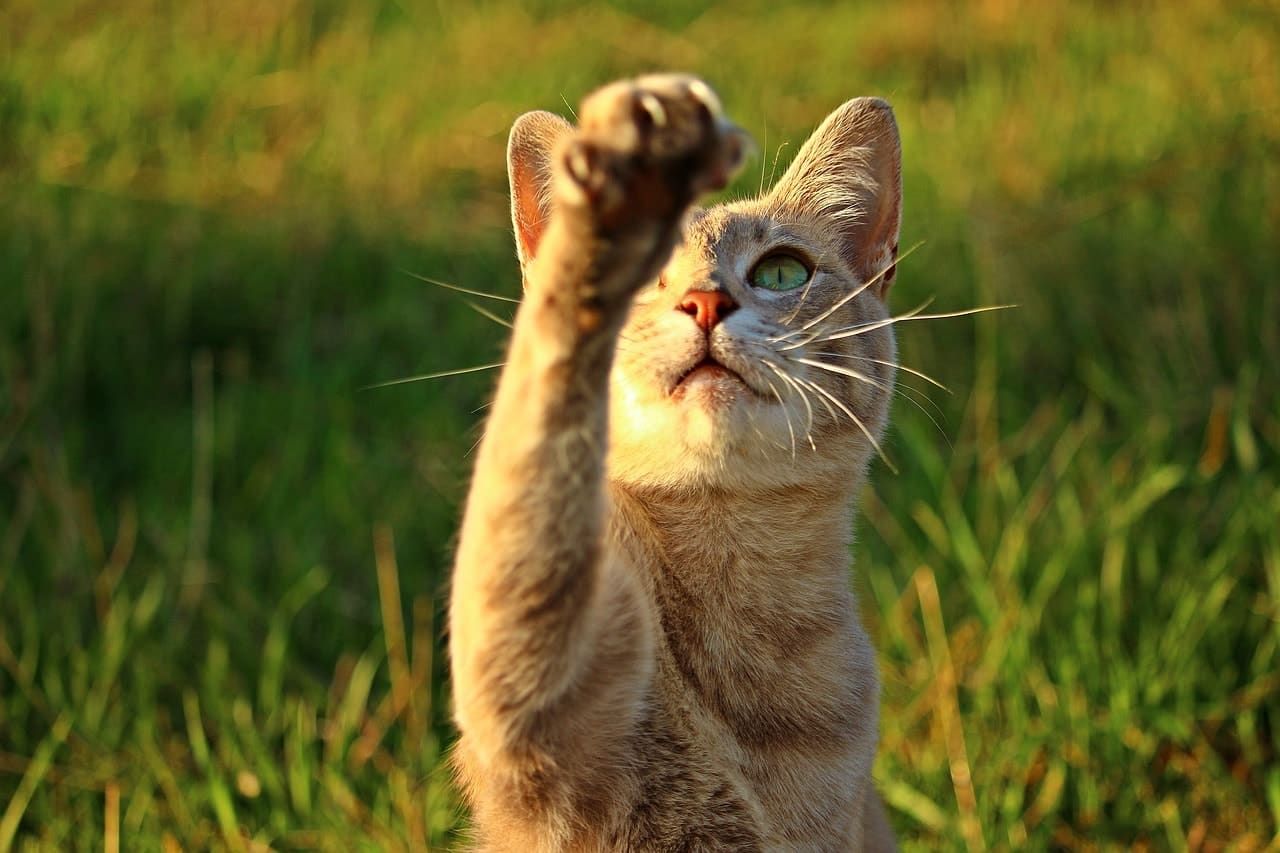
cat reaching its paw out

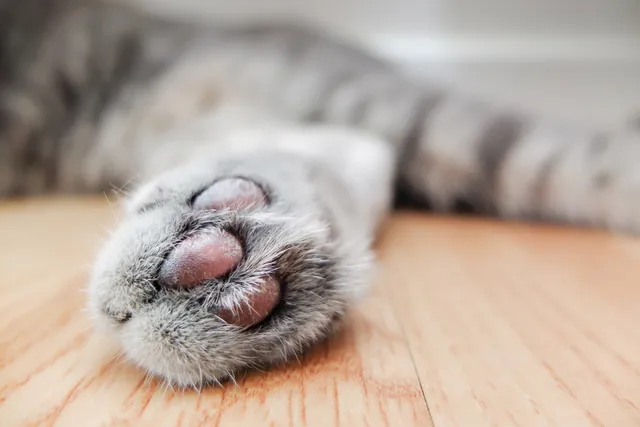
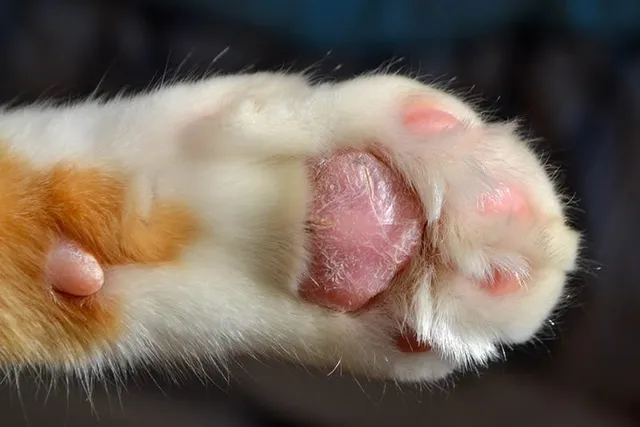
Your cat’s paws are an important tool for navigating the world. Each paw pad has a cluster of nerve receptors that relay information about their surroundings, which can be compromised if they become dry and cracked. The discomfort may also prevent your cat from walking, running, and jumping.

Fortunately, there are some steps you can take at home to keep your cat’s paws healthy, moisturized, and feeling good. After cleaning your cat’s paws, try one of these cat-safe moisturizing methods.

divider 3 paws

The 6 Tips for Moisturizing Cat Paws

1. Petroleum Jelly

high angle view of man hand use white petroleum jelly
Image Credit: Towfiqu ahamed barbhuiya, Shutterstock

Commonly known by the brand Vaseline, petroleum jelly is a mixture of mineral oils and waxes that can be used for minor cuts, scrapes, and scratches, as well as to keep skin moist. It’s safe for use on cat paw pads, which you can do two or three times a week to moisturize.

It’s important to apply a light layer. Your cat will still lick their paws, and excessive petroleum jelly can cause stomach upset. Avoid adding anything to the petroleum jelly, such as essential oils, which can be toxic.


2. Olive Oil

olive oil
Image by Steve Buissinne from Pixabay

Olive oil is a home moisturizer that can be safe and effective for your cat’s paws. It’s rich in oleic acid, linolenic acid, linoleic acid, omega fatty acids, and vitamins A, D, E, and K for moisturizing your cat’s paws. Used regularly, olive oil can heal cracked or dry paws, especially in extreme weather conditions, like a hot summer or extremely cold winter with de-icing on surfaces.

Massage warm (not hot!) olive oil into the paw pads as needed to restore moisture. If your cat was outside or walking on dirty surfaces, such as the litter box or a garage floor, clean their paws before applying the oil.


3. Coconut Oil

coconut and coconut oil
Image Credit: Thasneem, Shutterstock

Like olive oil, coconut oil is a good moisturizer for cracked paws and has a boost of natural antibacterial properties. Cracked and dry paws can get infected, but coconut oil can create a barrier and reduce the risk of infection.

Better yet, coconut oil is completely safe when ingested by cats. It absorbs into the skin quickly, but you should avoid adding too much. If your cat licks excessively, the coconut oil can lead to stomach upset, diarrhea, or vomiting.


4. Fish Oil
Fish Oil
Image Credit: dangdumrong, shutterstock

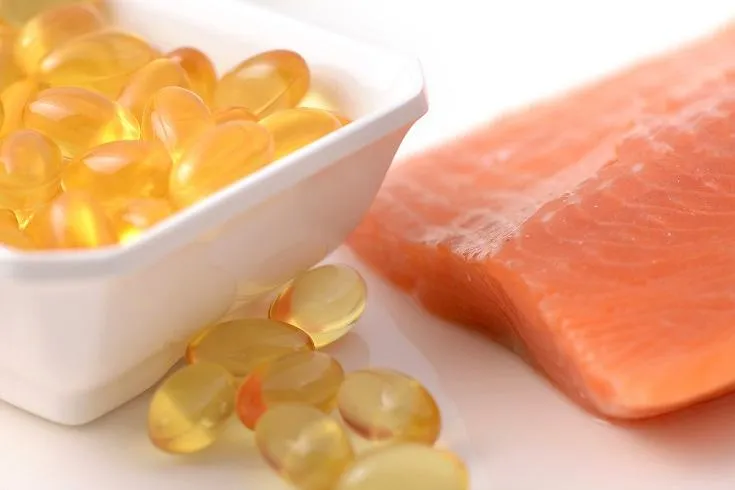
Fish oil is another option for moisturizing your cat’s paws after cleaning. And if your cat licks it off, it has diet benefits with the omega fatty acid content. Cats can’t produce omega-3 fatty acids on their own, so they must get it through their diet.

Like the other remedies, use as needed to keep your cat’s paws hydrated. Rub a thin layer into your cat’s paws a few times a week after cleaning their pads.


5. Zinc

Zinc is not a topical remedy, but when added to your cat’s diet, it can prevent dryness and cracking. According to the Journal of Nutrition, cats with a dietary zinc deficiency have poorer coats, slow hair growth, and scaly skin.

If you want to add zinc to your cat’s diet, speak with your vet about the appropriate dosage and to ensure it’s safe for your cat. It may take a few weeks before you see improvement, so continue with topical remedies in the meantime.


6. Stay Indoors

Bengal cat pawing at the window
Image Credit: Vikki, Pexels

Though cats can develop dry, cracked paw pads from litter boxes and basement or garage floors, they are at an increased risk for paw issues if they are allowed outside. Cats may encounter toxic or irritating substances outside, such as deicers or pesticides, that can harm the paw pads. The best solution is to keep your cat indoors only.

divider 3 paws

Why Is It Important to Care for Cat Paws?

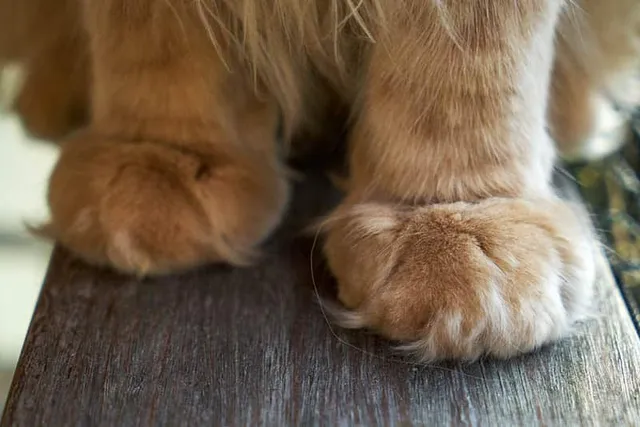
Your cat’s paws are like our feet but with some extra utility. We use our feet to walk, run, and jump, but cats do all that and more. They use their paws to understand their surroundings, often walking across different surfaces. Over time, contact with a dirty litter box, rocky ground, wet or muddy lawns, hot or cold surfaces, or sharp objects like thorns can harm their paws.

Your cat does a good job of keeping itself clean with grooming and licking, but that presents a risk with their paw pads. Anything they have come in contact with through their pads, such as road salt or deicers, pesticides, or other toxic substances, can now be ingested.

Regular paw care not only keeps your cat’s paws healthy and comfortable, but it can minimize your cat ingesting anything harmful during routine self-grooming. You also have an opportunity to inspect your cat’s paws for injuries, sores, cuts, or abrasions before they become serious.

divider 3 paws

Conclusion

Cats are pretty good at caring for themselves, but sometimes they need some help. If your cat is having issues with dry or cracked paw pads, you can moisturize them with any of the remedies on this list. Keep your cat indoors and ensure you are feeding a healthy diet to prevent issues from developing.


Featured Image Credit: JoyNik, Shutterstock

Want content like this delivered to you?

Sign Up For Our Newsletter

News, insights, expert advice, and everything cat

* By submitting, you agree to our Terms & Conditions and Privacy & Cookies Policy.


How useful was this post?

Click on a star to rate (you can leave written feedback after clicking submit)

Help us improve Catster for pet parents!

Your feedback really matters.

What did you like about this post? Also how can we improve it?

Join the conversation

2 Responses

  1. Would Silica type cat litter be a cause of dry and cracked paw pads. We’ve used this litter for over a year. He is strictly indoors and about to be 2 years old.

    1. While silica litter is known to be very absorbent, it is not commonly cited as a direct cause of cracked pads. However, persistent dry and cracked paw pads are not normal and should not be ignored. The cause could be anything from a nutritional deficiency to a systemic skin disorder or an underlying condition like an autoimmune disease. If you wish to discuss this with one of our vets, you can find them at www.pangovet.com

Leave a Reply

You’re very welcome to leave a comment or question. Please know that all comments must meet our community guidelines, and your email address will NOT be published. Let’s have a positive and constructive conversation.


Talk With A Vet Online

Peace of mind,
anywhere, anytime

Affordable vet advice

Where Do Cats Like to Sleep? 5 Typical Places

If you are a cat owner, you know how much cats love to sleep. Most cats sleep up to 16 hours a day,...

Ask Dr. Paola – Food Changes, Diabetes & Rescue Cats (December 15, 2025)

Welcome to our “Ask Dr. Paola” series, where every Monday we bring expert advice straight from Dr. Paola Cuevas (MVZ) to help our...

Can Cats Eat Cashews? Vet Approved Facts & FAQ

Cashews are small and delicious and can be the perfect snack. Humans love them, and they seem like a great treat for cats...

How to Make a Cat Feel Better After Vaccines: 3 Vet-Approved Tips

Vaccines are vital for any cat’s long-term well-being and quality of life, but for a short period after receiving them, shots can cause...

More related

How Far Can Cats Fall Without Hurting Themselves? What Science Says

It’s no secret that cats enjoy climbing. As owners, it has the potential to cause a great amount of anxiety to watch our...

Can a Cat Predict the Weather? Facts & FAQ

Throughout history, there have been various strange beliefs about cats, including the idea that cats can predict the weather. Many ancient cultures had...

Why Is My Cat’s Nose Raw? Vet-Reviewed Causes & Treatment

A cat’s nose is extremely sensitive. It is one of the only parts of the body that is not covered in protective hair....

What Is Cat Nuzzling? 4 Vet-Approved Behavior Explanations & Info

For most cat parents, it warms their hearts for their cat to climb up in their lap and nuzzle their necks or anywhere...

Keep reading

My Cat Has a Limp Tail, What’s Wrong? 5 Vet-Reviewed Possible Issues

Cats are expressive creatures, especially through their body language. Felines give many clues about their feelings and communicate widely using various parts and positions of their bodies. Their tails, for example, are used to display their mood. An upright tail...

cat tip tail

How Does My Cat Know When I Wake Up? Vet-Verified Morning Habits Explained

Cats evolved as solitary hunters but can become very social with humans they trust. Once they find owners worth loving, they can’t get enough of them. If you’re lucky enough to have a cuddly cat, they’ll likely curl up with...

teenager cat owner cuddling with pet cat

Why Do Cats Meow & Yowl? 10 Vet-Approved Reasons Behind the Behavior

Your cat’s meow can have many different motives, and there is usually no reason for concern. Cats will meow when they’re hungry, full, happy, sad, and everything in between, and this sound is used to convey their emotions and intentions...

cat sitting on wooden floor

Why Does An Adult Cat Go Limp When You Grab Their Scruff? Vet-Verified Reasons & FAQ

When mother cats want to move their kittens, they gently bite the skin on their necks to lift them. The kittens almost always react the same way: They go completely limp. There’s even a scientific name for this inert, lifeless...

Owner grabbing a cat by the Scruff

Can a Cat Sense Fear? Vet Reviewed Answer

We all know that cats do an excellent job of comforting us when we’ve had a rough day. All we need is to sink our fingers into their soft fur and feel their purr rumbling under our hands to feel...

white cat under the bed

How Many Treats Can I Give a Cat Per Day? Vet-Approved Quantity & FAQ

Cats love treats, and many owners love giving their cats treats. Some cats become completely unmanageable if you do not give them treats. Other cats will beg for treats at all hours of the day. The result is that many...

maine coon cat having treat

My Cat Has Never Had a Hairball, Is That Normal? Vet-Reviewed Facts & FAQ

You may hear other cat owners complaining about finding a hairball on the carpet and talking about it like it’s just another part of cat ownership, and for many people, it is. However, some cats don’t have hairballs. If your...

Dry cat hairball

Do Cats Have Scent Glands in Their Paws? Vet Approved Facts & FAQ

Cats use scent in various ways to communicate with other cats and, indirectly, with humans. Cats have scent glands throughout their body that are used in different ways, including in their paws. These interdigital glands can be frustrating for some...

red tabby cat showing its paw pads

Love Cats? So Do We! Join the Catster Community

Stay informed with expert pet care insights delivered straight to your inbox! Discover professional guidance on animal behavior, feeding tips, trusted product picks, and much more.


Sign up for the Catster Email Newsletter

Stay informed with expert pet care insights delivered straight to your inbox! Discover professional guidance on animal behavior, feeding tips, trusted product picks, and much more.