Get

In Your Inbox

Catster is reader-supported. When you buy via links on our site, we may earn an affiliate commission at no cost to you. Learn more.

My Cat Has a Front Paw Limp, What’s Wrong? Vet Approved Advice

Share

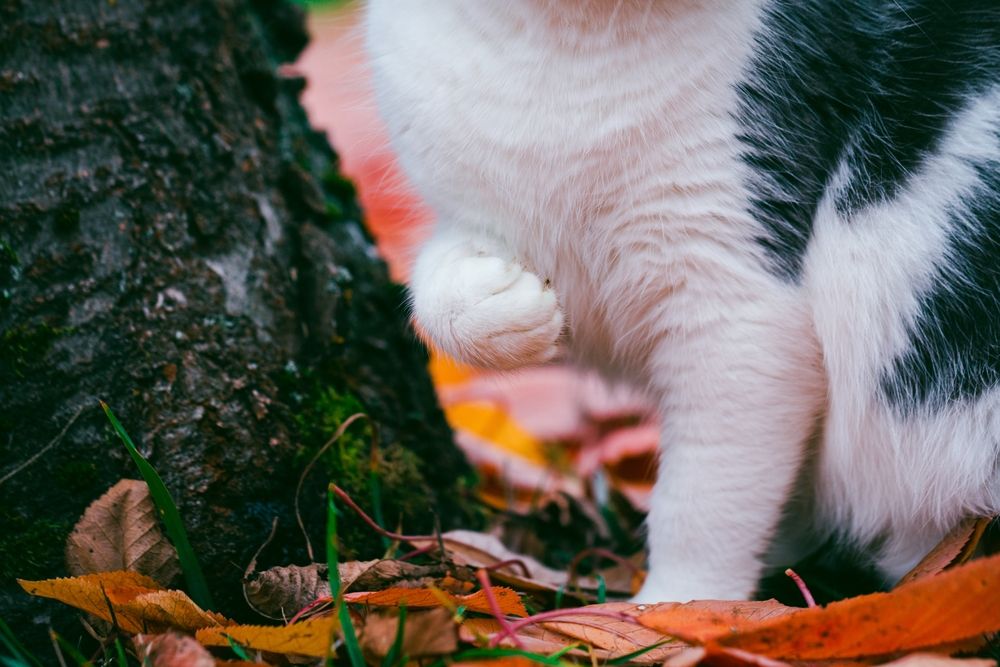
cat sitting in park with one front leg lifted up

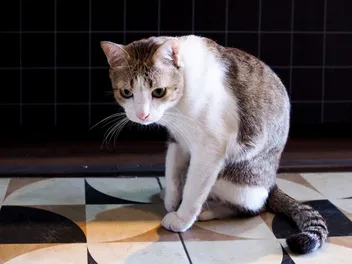
When you notice your cat limping or favoring a certain leg, it can trigger your alarm bells. The good news is that, in many cases, a limp is often temporary and may resolve on its own. In other cases, it may be a sign of a more serious injury that requires attention from a vet. There are a lot of potential culprits here, so bear with us. Before we go over how to inspect your cat’s paw, let’s break down some of the most common reasons a cat may limp just below.

divider 3 paws

Potential Causes of Cat Limping

  • A thorn or other foreign object stuck in the paw
  • Falling, landing poorly, or being hit by moving objects/animals
  • Burns from a hot surface, such as asphalt in direct sunshine or an electric burner
  • Ingrown claw/nail
  • Insect bite
  • Pulled/strained muscle
  • Abnormal bone development
  • Bone fracture
  • Cancerous tumors in the paw or leg
  • Infections from bites, flea bites, or other skin-level irritants
  • Arthritis
  • Nerve damage or neurological conditions

Inspecting a Cat’s Limping Paw

red cat with a swollen paw
Image Credit: Vovantarakan, Shutterstock

There are many potential causes for your cat’s limp, so the next step is to inspect the leg and determine the best course of action to take. Sometimes, all you have to do is keep a close eye on them and make sure they don’t get into any more trouble, and in other cases, you may need to go to a trusted vet for diagnosis and treatment. First, let’s give you some handy tips for safely inspecting your cat’s paw without causing them further pain.

  • If you see any obvious severe deformations in the paw or leg, this may signal a bone fracture or dislocation that calls for medical attention.
  • Do not attempt to touch your cat’s hurt paw if they seem defensive.
  • For very skittish cats, we suggest one person hold them to restrain them during your inspection while another person takes a closer look at the paw.
  • Have tweezers handy in case there’s a foreign object embedded in the paw, and carefully pry the object loose if it seems feasible to do it yourself.
  • Use a clean, damp cloth to clean blood or dirt away from the injury site if there is one.

When to Visit a Vet for Your Cat’s Limp

Veterinary Surgeon Woman Applying Medical Bandage On A Cats Leg
Image Credit: Prostock-studio, Shutterstock

As we said above, limps can sometimes clear up on their own with little to no intervention. It can be hard to tell when your cat’s limp merits a trip to the vet and when it’ll be okay on its own. For a clearer idea of when you should definitely be alarmed and go to the vet, peruse our quick list of severe signs to look out for in limping cats.

Visit Your Cat’s Vet if You Notice These Signs:
  • If the limp persists for more than a day or two.
  • If there’s an open wound on the paw or leg.
  • If the leg is obviously broken or dislocated.
  • If your cat is yowling or frequently vocalizing due to pain.
  • If you notice a bite on the paw/leg.
  • If they are too painful or distressed to allow you to look at the leg.
  • If your cat is showing any other signs of illness or injury, such as lethargy or inappetence
  • If you suspect they may have been hit by a car

If in any doubt, chat to a vet and they will be able to advise you on the best course of action.

If you need to speak with a vet but can't get to one, head over to PangoVet. It's an online service where you can talk to a vet online and get the advice you need for your pet — all at an affordable price!

PangoVet_Mention-in-Content for PangoVet2 save money

How To Transport an Injured Cat to the Vet

If your cat has a significant injury (like a broken leg) or is extremely painful or distressed, do not be tempted to transport them without a cat carrier. This may seem like the kindest thing to do, but if they become scared, they may lash out or run away. The best thing to do is line a pet carrier with a towel or blanket so they are less likely to knock the painful leg against the sides. If you only have a very small carrier, don’t fret – smaller is actually better in this case, because it will stop them from moving around too much.

If they have injured a front paw, place them in the carrier bottom first to avoid knocking the foot. This is generally a much easier way to get your cat into a carrier anyway.

Be careful! If they are in pain, even the most placid cat may bite or scratch.

divider 3 paws

Conclusion

Cats are active and curious creatures, and it is inevitable that they will, at some point, come to you limping. Limping can be due to something minor, like a prickle or thorn, or a serious injury to their leg.

Minor limps will sometimes heal up by themselves, but if you notice serious signs, like obvious wounds or fractures, an urgent trip to the vet is in order. If your cat is only slightly lame, you might want to monitor them for a day or two to see if it resolves on its own, but if things aren’t getting better, it is time to visit the vet.


Featured Image Credit: Robert Petrovic, Shutterstock

Want content like this delivered to you?

Sign Up For Our Newsletter

News, insights, expert advice, and everything cat

* By submitting, you agree to our Terms & Conditions and Privacy & Cookies Policy.


How useful was this post?

Click on a star to rate (you can leave written feedback after clicking submit)

Help us improve Catster for pet parents!

Your feedback really matters.

What did you like about this post? Also how can we improve it?

Join the conversation

Leave a Reply

You’re very welcome to leave a comment or question. Please know that all comments must meet our community guidelines, and your email address will NOT be published. Let’s have a positive and constructive conversation.


Talk With A Vet Online

Peace of mind,
anywhere, anytime

Affordable vet advice

Do Cats Cause Schizophrenia? Scientists Find a Link – Here’s What It Means

Being a fierce advocate (and occasional recipient of) mental health support and awareness, the term ‘crazy’ is not one I like to fling...

One in 100 Cats Gets Diabetes – Here’s How to Catch It Early

One in every 100 cats develops diabetes.1 That’s not a rare, unlucky condition reserved for cats with obvious health problems. It’s common enough...

Dramatic Rescue Turns Into Dramatic Reunion

What started as a routine call for the RSPCA became a heroic, five-hour rescue featuring one trapped and traumatized cat, an emotional family...

Ask Dr. Paola – Help! How Do I Know if it’s Ear Mites! (May 4, 2026)

Welcome to our “Ask Dr. Paola” series, where every Monday we bring expert advice straight from Dr. Paola Cuevas (MVZ) to help our...

More related

Zelda Likes Her Water Shaken, Not Stirred (with Video)

Hi, I’m Dr. Karyn! Read my introduction to learn more about me and meet my five hilarious cats: Clutch, Cyril, Alex, Zelda, and...

My Cat Is Sneezing Blood, What Do I Do? Our Vet Explains the Causes & Care Guide

If you notice your cat sneezing blood, it should be a cause for concern. Cats can sneeze blood for many reasons: blocked nasal...

How Do Cats Fall Asleep So Fast? Vet-Reviewed Feline Sleep Cycle

So, we’ve probably all used the term “catnap” to describe a short stretch of sleep that we take during the day. Perhaps it’s...

Selkirk Rex Cat Info: Pictures, Temperament & Traits

The Selkirk Rex is one of the only four cat breeds with wavy fur, the others being the Cornish Rex, Devon Rex, and...

Keep reading

Can Cats Have CBD Treats? Vet-Verified Safety & Benefits Explained

You might’ve noticed all the hype about CBD (cannabidiol) in recent years. Maybe you’ve even tried it yourself. In people, CBD has been shown to help reduce or prevent seizures in some childhood epilepsy disorders as well as relieve insomnia...

Can Cats Have CBD Treats

How Much Do Cat Vaccines Cost? 2026 Price Guide

One important task that we can do as cat parents is to make vaccinations a priority. An initial round of vaccinations will keep your kitten healthy as they grow into adulthood, but vaccinations should not stop there. There is a...

ginger cat having vaccination

Why Are My Cats Fighting All of a Sudden? 5 Vet-Approved Reasons & Tips

There is something so disheartening about two best pals turning into enemies. If your cats have always gotten along but seem to be at each other’s throats all the time now, you know there has to be a reason. Sometimes,...

cats fighting

Does Health Monitoring Cat Litter Work? Vet Reviewed Facts & FAQ

Approximately 46.5 million households in the United States own a cat, and if you’re part of this statistic, chances are you’ve stumbled across an advert for health-monitoring cat litter. The product changes color in response to the presence of specific...

Domestic ginger cat looking at litter box

Why Is My Cat Obsessed With the Toilet? 6 Possible Reasons

Seasoned cat owners know our feline friends are prone to unique behaviors and quirky habits. One of the most puzzling cat fascinations you might observe may also leave you feeling slightly disgusted. Some cats just seem to love the porcelain...

black and white cat sitting on the toilet bowl

4 Natural Home Remedies to Treat Cat Vomiting: Vet-Approved Methods

Caring for a cat is usually full of cute and rewarding moments, but it’s another story entirely if they experience vomiting. The underlying cause can be one of a variety of reasons, but no matter what, it’s no fun to...

sad, bored or sick cat

Pet Poison Prevention Week: When It Is & Vet Approved Safety Tips

National Animal Poison Prevention Week (NAPPW) is an annual event that occurs during the third full week in March, and in 2024, it runs from March 17 to 23. The event is designed to educate pet owners on the substances...

cat with pill bottle

Does Alcohol Kill Fleas on Cats? Vet-Reviewed Effectiveness & Safety Explored

Disclaimer: The information about these products has been fact-checked by one of our licensed veterinarians, but the purpose of this post is not to diagnose illness or prescribe treatment. The views and opinions expressed are not necessarily those of the...

isopropyl alcohol

Love Cats? So Do We! Join the Catster Community

Stay informed with expert pet care insights delivered straight to your inbox! Discover professional guidance on animal behavior, feeding tips, trusted product picks, and much more.


Sign up for the Catster Email Newsletter

Stay informed with expert pet care insights delivered straight to your inbox! Discover professional guidance on animal behavior, feeding tips, trusted product picks, and much more.