6 Natural Home Remedies to Treat a Cat Wound (With Pictures)


In this article
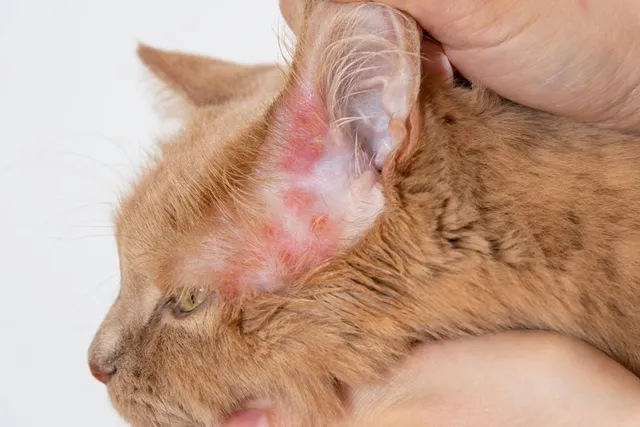
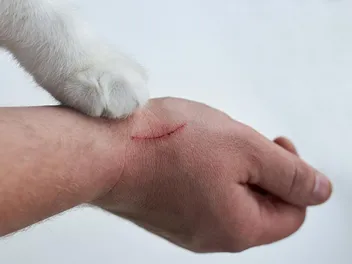
Whether your cat is an indoor or outdoor cat, she is likely to pick up scratches and scrapes at some point in her life. The most common type of injury is that of a scratch or bite from another cat, and feline nature means that she is likely to try and hide her injury. However, if left, a simple scratch can turn into an abscess, can become infected, and it can lead to more serious problems. But this doesn’t mean that you should take your cat to the veterinarian every time they pick up a simple injury.
Below, we have highlighted some of the ways in which you can naturally treat cat wounds to help them heal and without veterinarian assistance.

The 6 Natural Remedies to Treat a Cat Wound
1. Use Water and Soap

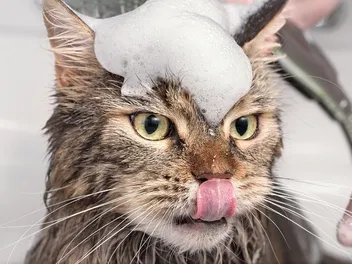
The first and simplest home remedy is to ensure that the wound is properly cleaned. This means removing dirt from the wound and then cleaning with warm water and a gentle soap, just as you would a cut or scrape on a human. However, you need to ensure that you have all the wounds, which may mean ruffling your injured cat’s fur. Get help with this. Ensure that you have somebody to hold the cat while you search, or you could be treating your own skin abrasions.
2. Try Calendula Tea for Itchy Skin

Cats have a tendency to adventure. They traipse through long grass and undergrowth. They climb trees, and they get into potentially dirty areas and holes. Whether manmade or natural, skin irritants are everywhere, and this can leave your otherwise perfectly healthy cat with a rash and painful skin. Calendula officinalis is known for its soothing properties. You can safely dilute calendula by making tea with this flower, and the tea can be applied to your cat’s itchy skin.
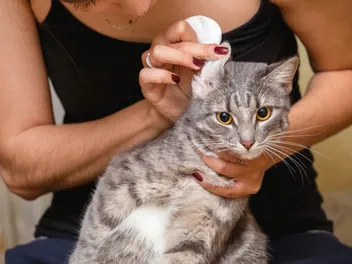
Always allow the tea to cool first, and then apply it to irritated areas of the skin using cotton wool or a clean cloth.
It can also relieve inflammation when given as a liquid extract, although you may need to combine it with other ingredients to make it more palatable.
Calendula is considered safe for use topically and internally, but you should avoid buying extracts if you do not know what other ingredients are included in them. You can get safe extracts from some veterinarian practices, and you do not need a prescription.
You might also be interested in: Natural Home Remedies for Itchy Skin in Cats
3. Colloidal Oatmeal Soak for Itchy Skin
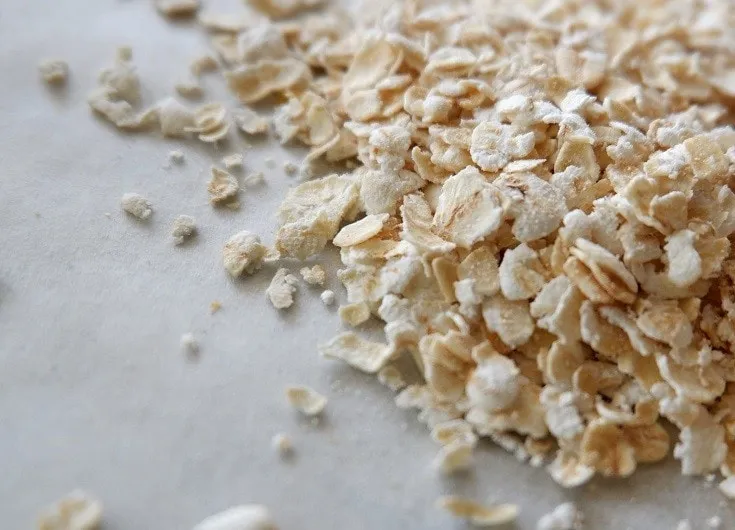
Colloidal oatmeal contains the bran, germ, and endosperm that breakfast oatmeal typically lacks. It’s a shame because the bran, germ, and endosperm make oatmeal excel as an exfoliant, cleanser, and moisturizer for dry, irritated skin.
To use:
As a bath: Fill a tub with warm water and add 1 cup of ground oatmeal under the running water. Mix in the oatmeal and have your cat soak in the water for 10 minutes.
As a wrap: Mix 1 cup ground oatmeal and 4 cups warm water in a container. Carefully pour the mixture over your cat’s fur and massage it into the wound. Let sit for 5 minutes and rinse thoroughly.
4. Fish Oil for General Coat and Skin Health
Fish oil is a popular supplement amongst humans and adults. The oil comes from coldwater fish, like salmon, and is loaded with omega-3 fatty acids. Fish oil has a wide range of uses, but its most notable are for skin allergies and dermatitis.
This supplement is generally safe as long as you don’t give more than the allotted dose, but some medicines interfere with fish oil like anticoagulants, doxorubicin, and non-steroidal anti-inflammatory drugs (NSAIDs).
To use:
Apply one dose to your cat’s food once per day. Never give two doses or extra doses on any given day.
In some cases, animals can have negative side effects like vomiting, diarrhea, and even delayed wound healing. It’s best to consult with a veterinarian first if you can.
5. Add Aloe Vera Gel to Burns and Other Wounds
We humans aren’t the only ones that can benefit from using aloe vera, especially on cuts and burns. Cats are inquisitive and they tend to roam everywhere, including on cookers and hot surfaces. Aloe vera can be effective in treating first degree (mild) cat burns, but if your cat has suffered a serious burn, it is vital that you seek veterinarian care.
Note: If you use a fresh aloe vera plant, you should only use the crystal center part and get rid of the rind and latex layer, which are toxic to cats. You can also use a natural aloe vera gel. Make sure that there are no other additives in the gel. Apply it several times a day, until the acute burn has healed. Your cat is likely to lick the aloe vera, which could cause mild stomach issues. This remedy is a last resort.

6. The Cone of Shame
Although not a tincture, the cone of shame is very effective in keeping animals away from wounds. Sometimes, all a wound needs is time to heal. When your cat licks and bites at a wound, it only makes things worse. Your cat won’t like it, but put that cone on them—it’s for their own good!

When Do I Need to Visit the Vet?
There is an art to treating certain wounds. A vet should always evaluate open, bleeding wounds for proper cleansing, stitching, and bandaging. Otherwise, the wound could become infected. If your cat is bleeding heavily, or the bleeding won’t stop, you should get professional help too. Also, if your cat won’t let you near the wound to apply aloe or any other remedy, you should take her to your vet clinic because they will be able to get a close look and ensure the best recovery option.
Interestingly, some wounds are best left open to heal with proper medication and cleansing, but a veterinarian should be the one to determine this.
Conclusion
Treating a cat wound is difficult, stressful, and heartbreaking. No one wants to see their kitty in pain. It’s even worse when a trip to the vet is out of reach. Hopefully, this post gives you some calm during the storm.
Remember, a veterinarian needs to evaluate a serious wound. Check out your local shelter and low-cost clinics if this is out of your budget.
See also:
Featured Image Credit: YuSafa, Shutterstock
Expert cat care, straight to your inbox
News, insights, and useful advice, delivered to you.

No spam — unsubscribe anytime.
By signing up, you agree to our Terms & Conditions and Privacy & Cookies Policy.
How useful was this post?
Click a star to rate. You can leave written feedback afterwards. (We read all feedback.)
Christian started writing for a local newspaper as a teenager, and he's been involved in the publishing industry for most of his adult life. Combining his love of writing with a passion for animals, he is currently the Director of Editorial at Pangolia and the Editor-in-Chief at Catster.
Christian lives in the Philippines with his wife, son, and four rescue cats: Trixie, Chloe, Sparky, and Chopper.