Get

In Your Inbox

Catster is reader-supported. When you buy via links on our site, we may earn an affiliate commission at no cost to you. Learn more.

How To Clean A Cat’s Wound – 7 Vet Approved Steps

Share

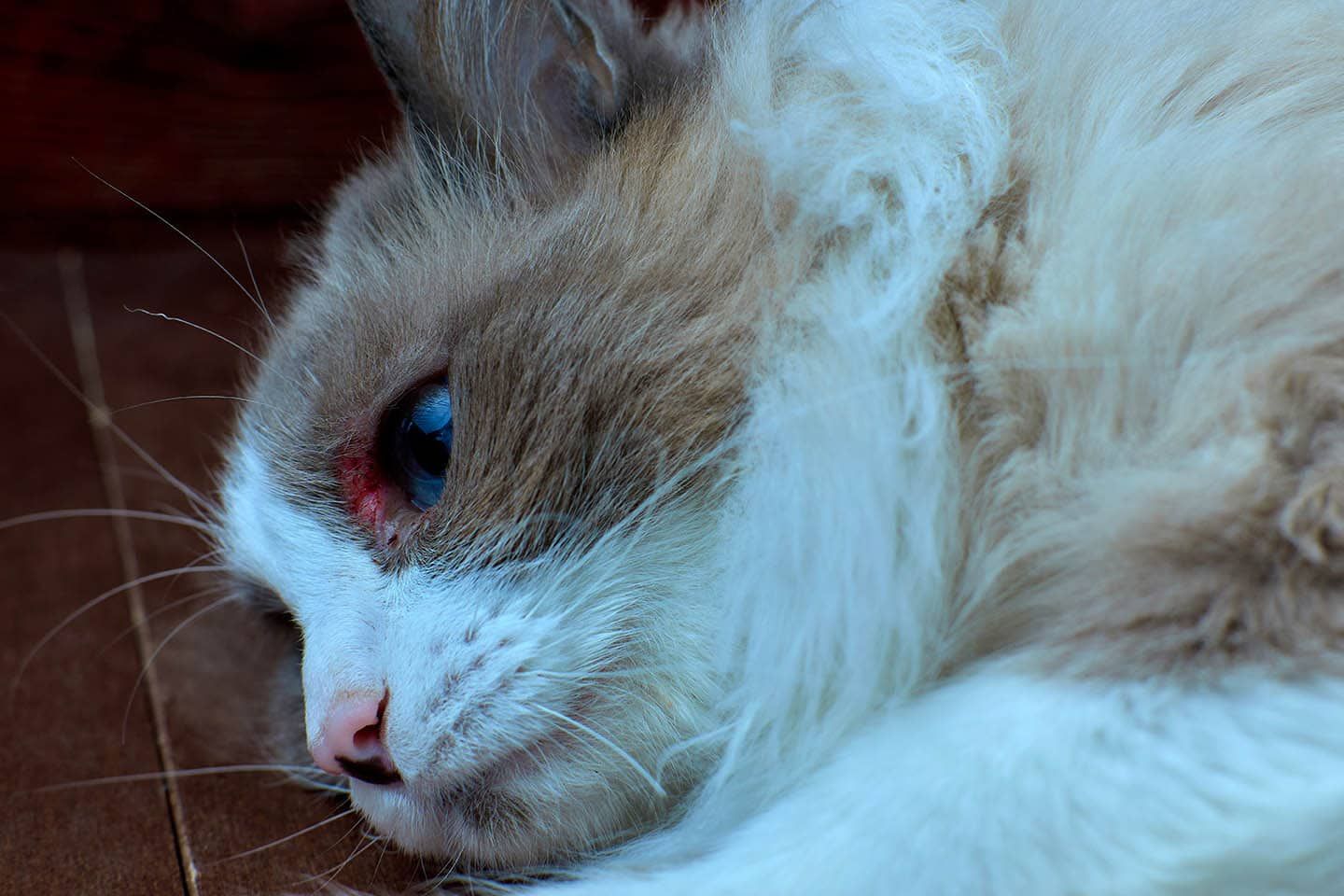
cat with eye wound

It’s awful when our fur babies get injured, no matter how big or small it may be. However, some injuries are minor enough—such as scratches or tiny cuts—that they don’t warrant a trip to the vet. If your cat gets one of these minor wounds, do you know how to clean and treat it at home? If not, you absolutely should.

That’s why we’re here with these tips and tricks on caring for any minor injuries your cat may get properly. The process is relatively simple and will only take a few minutes at most (not including the time it takes to calm your kitty down first). Read on to find out seven tips and tricks for cleaning a cat’s wound!

divider single cat paw oct 2024

Before You Begin

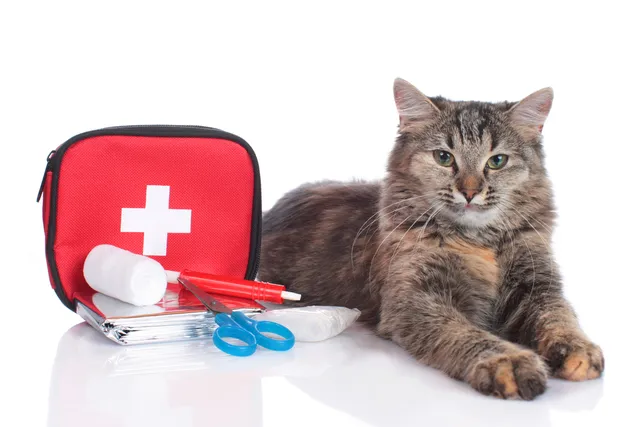
Before you clean out and take care of your pet’s wound, you’ll need first to gather a few supplies. There’s not much, and you should have everything lying around the house.

Here’s what you’ll need:
  • Towel
  • Cotton balls
  • Saline solution
  • Syringe
  • Disinfectant (either pet wound disinfectant or diluted hydrogen peroxide)
  • Bandages

If you don’t have a saline solution on hand, you can easily make one with salt and water.

divider single cat paw oct 2024

The 7 Steps to Clean a Cat’s Wound

Now, it’s time to clean out your cat’s wound! Here’s what you need to do, step-by-step.

1. Secure Your Cat

This is where the towel comes in. You can’t clean out your pet’s wound if they’re fighting you, so burrito them up in the towel. This way, your kitty can’t accidentally scratch you, and it should help them feel a bit more secure. If you have another person handy, it might be easier to grab them to help, but you can do it on your own.

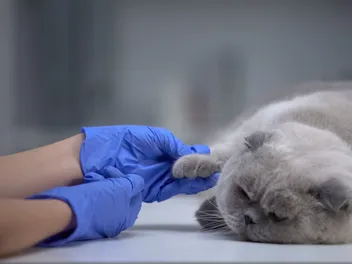
person holding wounded cat
Image Credit: Elena11, Shutterstock

2. Examine the Wound to Ensure It’s Something You Can Deal With

You probably won’t get a great look at your pet’s injury until you get them bundled up, so it might be that the issue actually is something that will require a vet visit. Wounds that are deep or gaping will definitely need a vet visit, but something like a scratch or cut should be fine for you to handle.


3. Apply Pressure

If the wound is bleeding, apply pressure with a cotton ball until it stops.


4. Use the Saline Solution

Once bleeding has stopped, it’s time to use the saline solution to clean it out. You don’t want to just pour it on your cat, so instead, use the syringe to flush out the injury. Do this a few times to make sure it’s been properly cleared of dirt and debris.

close up cleaning cat's wound on the leg
Image Credit: Saira Areepunth, Shutterstock

5. Disinfect the Wound

Now, it’s time to disinfect the wound. Apply with a cotton ball or follow any instructions on the bottle on how to apply it.


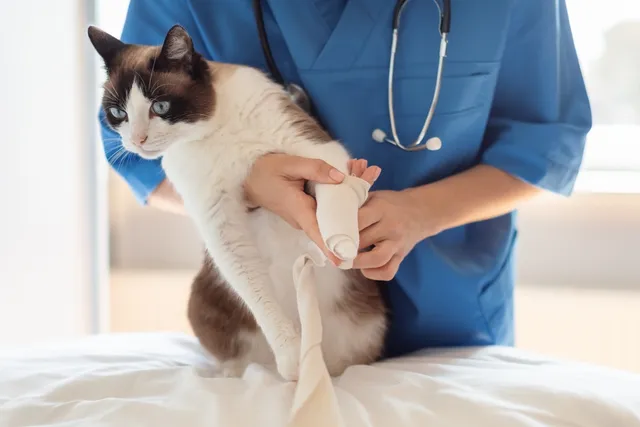
6. Bandage if Needed

If your pet’s wound is very minor, it’s best left unbandaged (though you’ll need to keep an eye on them so they don’t constantly lick it—investing in a cone of shame might be necessary). But if it’s a less minor injury, bandaging it would be ideal. Just be careful not to wrap a bandage too tightly around your pet, as this could cause decreased circulation.

putting bandage on cat's wound
Photo Credit: NONGASIMO, Shutterstock

7. Follow Up

Keep an eye on your kitty’s injury. Over the next several days, you’ll need to check in on the wound to ensure it’s healing properly and hasn’t become infected. If the wound isn’t healing as it should, you’ll need to take your pet to the vet to have them checked out. Signs of an infection can include:

  • Redness
  • Pus
  • Hot to the touch
  • Foul odor
  • Lethargy

If you’re concerned about your pet’s well-being, we recommend you contact a veterinarian.

divider cats oct 2024

Final Thoughts

Our feline friends will get the occasional injury. But if it’s something we can handle at home, we can save them the trauma of a vet visit on top of the pain. Cleaning out and treating minor injuries is quite easy, and you should have what you need to do it on hand. So, next time your kitty has a minor scrape or scratch, use these tips to flush the wound of dirt and debris, disinfect it, and bandage (if needed).

Be sure, though, that the wound is something that it’s okay to treat at home. Wounds that are deep or gaping should always involve a trip to the vet! If you do treat a minor wound yourself but see that it isn’t healing properly or has become infected in the days after, you’ll also need to visit your vet as soon as possible. When in doubt about whether a wound is something you can treat, talk to your vet, as they will have the best advice.


Featured Image Credit: eremeevdv, Shutterstock

Want content like this delivered to you?

Sign Up For Our Newsletter

News, insights, expert advice, and everything cat

* By submitting, you agree to our Terms & Conditions and Privacy & Cookies Policy.


How useful was this post?

Click on a star to rate (you can leave written feedback after clicking submit)

Help us improve Catster for pet parents!

Your feedback really matters.

What did you like about this post? Also how can we improve it?

Join the conversation

Leave a Reply

You’re very welcome to leave a comment or question. Please know that all comments must meet our community guidelines, and your email address will NOT be published. Let’s have a positive and constructive conversation.


Catster's Digital Magazine is Back!

Vet-approved health & behavior advice

Real cat stories & community features

Weird Cat Behaviors That Actually Make Perfect Sense

We have been sharing our lives with cats for thousands of years, yet we still find ourselves genuinely stumped by what they get...

The Dream of Talking to Cats Just Got Closer to Becoming a Reality

If you’ve ever wished your cat could simply tell you what they wanted, you’re not alone. From the meow that wakes you before...

Kizzy: The Feline Princess With a Purpose

We were first introduced to Miss Kizzy after she won a licky-treat challenge hosted by Professor Fluffovich, our resident feline research specialist. While...

Chatting With Sally About Mission Meow & Helping Cat Rescue Organizations Collaborate | Chatty Cattys, Episode 24

In this episode of Catster’s podcast, Chatty Cattys, Nicole and Dr. Karyn sit down with Sally Williams, the founder of Mission Meow, for...

More related

Can Cats Eat PopTarts? Vet-Reviewed Facts & FAQ

“Curiosity killed the cat” is a phrase that couldn’t be truer about some cats. It seems like you can’t leave them alone for...

Cat Trap Fever – Meet the Mother/Daughter Team Tackling Cat Overpopulation (with Video)

Have you ever looked at a problem and thought to yourself, “But what could I do?” or “How much difference can one person...

How to Stop a Cat From Scratching Doors: 7 Vet-Reviewed Tips

Scratching is a natural behavior for cats. When they scratch your door, however, it can be annoying and may cause damage that you...

Will a Cat Eventually Come Down From a Tree? Vet-Approved Tips to Help Them

Cats are extremely athletic animals and exceptional climbers. While climbing is a great way for a cat to burn excess energy and get...

Keep reading

7 Best Kitten Foods for Diarrhea in 2026 – Reviews & Top Picks

If you have a kitten with diarrhea, it can be a scary experience. Diarrhea can dehydrate your kitten and rob it of important nutrients it needs to grow into a healthy cat. In some cases, you can improve the situation...

American cat kittens eating

Is Sandalwood Incense Safe for Cats? Vet-Verified Facts and Safety Guide

Sandalwood incense is a common way for people to freshen up their homes and keep their living areas smelling nice. However, it isn’t safe to use around cats. Sandalwood essential oil is known to be toxic to cats, and the...

Catster_Is Sandalwood Incense Safe for Cats

Is Vaseline Safe for Cat Paws? Vet Reviewed Facts & FAQ

Vaseline is a type of petroleum jelly that is commonly used as a method to trap moisture in the skin. It is also used for makeup removal and has been shown to help small cuts and wounds during the healing...

Catster_Is Vaseline Safe for Cat Paws

Can Cats Eat Table Scraps? 6 Vet-Reviewed Things to Consider

You know how hard it is to say no to your beloved kitty when they’re looking up at you at the dinner table with their big eyes, begging for a taste of whatever it is you have on your plate....

Can Cats Eat Table Scraps

My Cat Is Obsessed with Food, Is Something Wrong? Vet-Verified Facts

Some cats like to eat more than others. But if your cat can’t seem to get full regardless of how much they gulp down and are constantly jumping up onto your kitchen table to shove their face into the food...

Hungry cat sitting next to bowl of food at home kitchen and looking at camera

Can Cats Eat BBQ Sauce? Vet-Reviewed Facts

Firing up your grill for a barbecue dinner, lunch, or snack is a delicious way to enjoy a meal. However, most barbecues typically involve cooking meat, which is likely to interest your cat. Most meat, particularly if it isn’t seasoned,...

Can Cats Eat BBQ Sauce

Can Cats Eat Mashed Potatoes? Vet-Verified Nutrition Facts & Safety Guide

Anyone who has owned a cat knows what it’s like to have a curious nose lingering near their dinner plate. After all, how dare you try to eat something without offering them a bite! Most of the time, after inspection,...

Can Cats Eat Mashed Potatoes

Do Cats Hold Grudges? Vet-Reviewed Feline Behavior & FAQ

Few things are more upsetting to a cat owner than when their pet acts as if they were angry with them after they unintentionally hurt their pet, like stepping on their tail. While hiding under the bed after getting their...

portrait of an emotional angry cat

Love Cats? So Do We! Join the Catster Community

Stay informed with expert pet care insights delivered straight to your inbox! Discover professional guidance on animal behavior, feeding tips, trusted product picks, and much more.


Sign up for the Catster Email Newsletter

Stay informed with expert pet care insights delivered straight to your inbox! Discover professional guidance on animal behavior, feeding tips, trusted product picks, and much more.