Is Neosporin Safe for Cats? Vet-Reviewed Advice

In this article
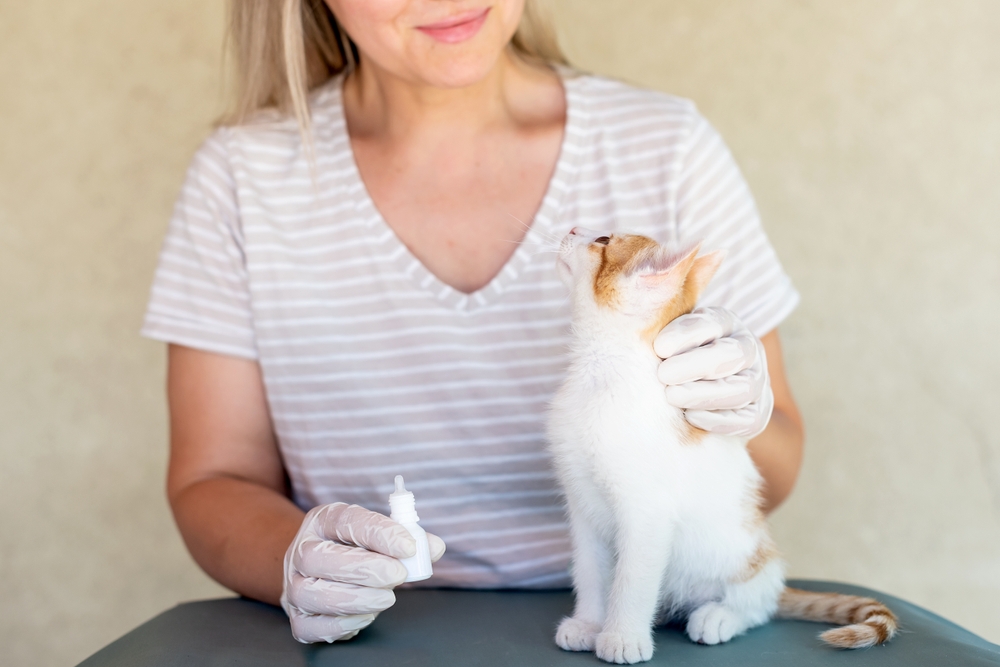
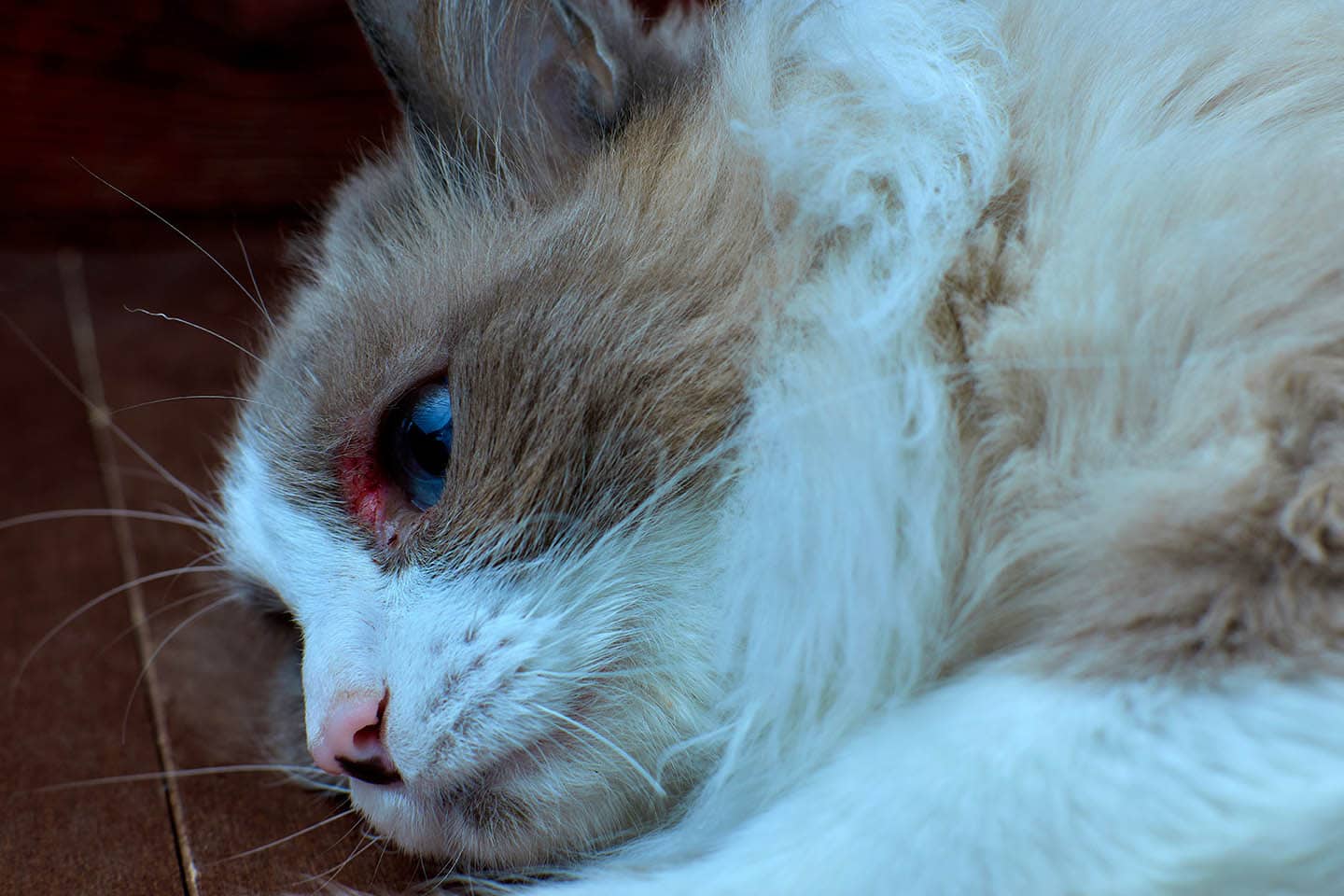
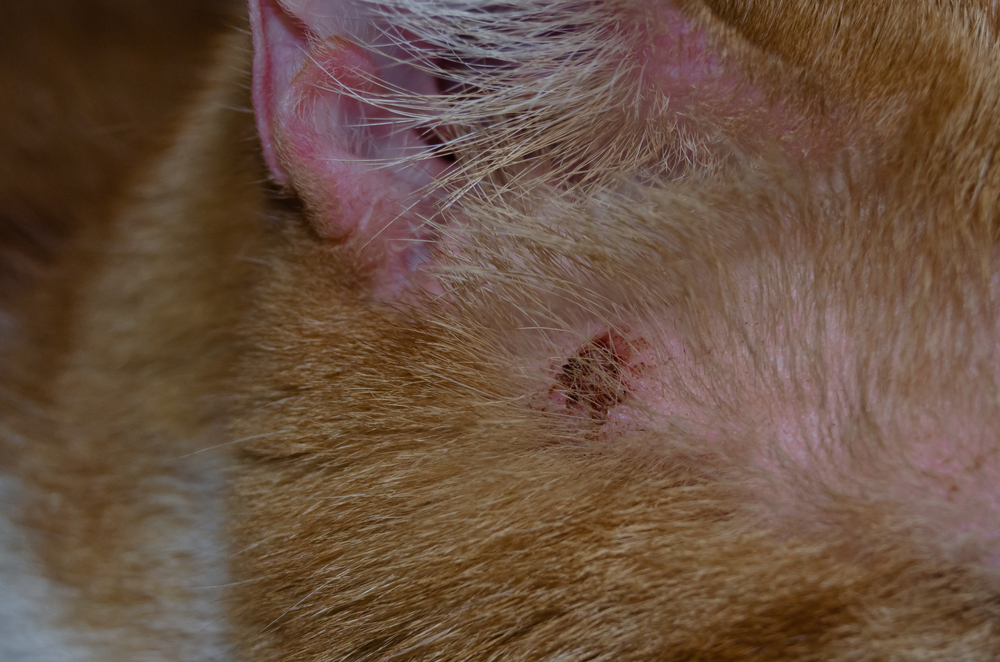
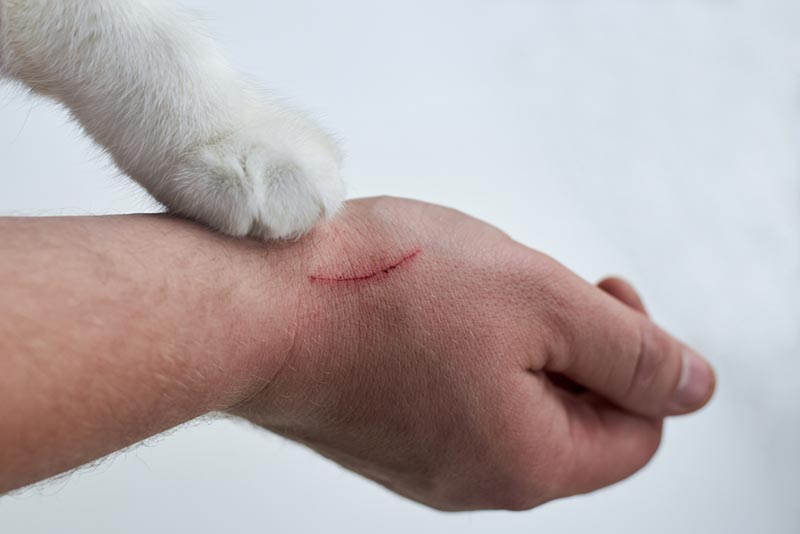
Neosporin is one of the go-to medications in most of our medicine cabinets. For surface cuts and scratches, this triple-antibiotic ointment can work wonders to prevent infections and help them heal. It is also used as a treatment for certain skin infections and even mild burns and abrasions. We all know that our feline friends can suffer from skin issues the same way we do, and it’s natural to wonder whether we can use human medication on our pets. Cats are especially prone to minor skin abrasions from scratches and bites from other cats, as well as the sometimes dangerous places that their adventurous nature takes them. So, is Neosporin safe for cats?
The answer is no, you should not use Neosporin on cats. It is not tailored toward feline use, and there are concerns about its safety when used for cats.
In this article, we explore what exactly Neosporin is, what it’s used for, the potential harms and benefits of using it on your cat, and better alternatives.

What Is Neosporin?
Neosporin is the brand name used for a topical ointment that is used to treat minor wounds, scratches, burns, and skin infections, but it is available under several other names. The product contains neomycin, bacitracin, and polymyxin, a triple dose of antibiotics that works by preventing the growth of potentially harmful bacteria. Thus, it is only suitable for bacterial skin infections and will not work for fungal skin infections.
The original ointment also contains cocoa butter, cottonseed oil, cottonseed oil, sodium pyruvate, tocopheryl acetate (vitamin E), and petroleum jelly. These products are used as a base for the antibiotics and may vary depending on the manufacturer.
Can You Put Neosporin on a Cat?
Neosporin is easily and widely available as an affordable over-the-counter medication, so most of us have it lying around at home. This makes it tempting to use for any minor wounds or scratches that our cats may have, but there are a few things to consider first.
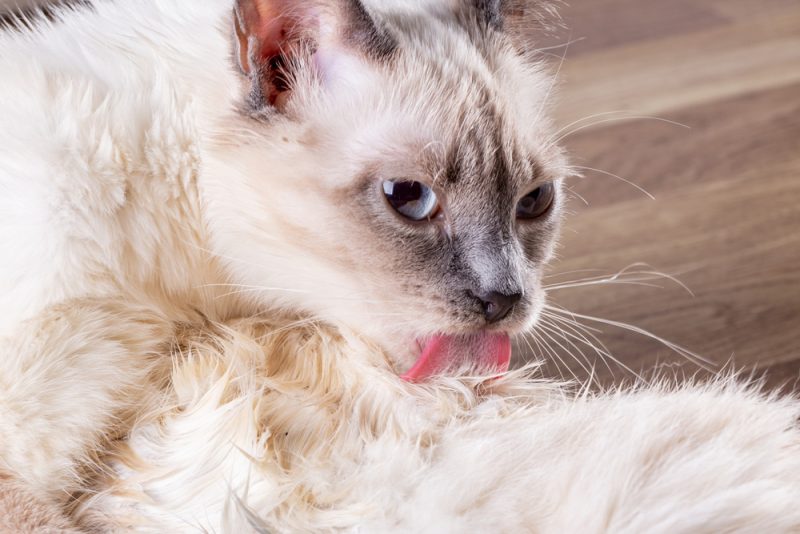
When applied topically, Neosporin can cause an allergic reaction to your cat. If ingested, it can cause serious issues. Cats love to lick themselves and do it constantly to clean their coats. They’ll likely do it even more over an injured area, and if you’ve just applied Neosporin, there’s a good chance that they will lick most of it off. It’s almost impossible to keep a constant watch on any cat, let alone an injured one, as cats are expert escape artists. Even if your cat is locked up in your home, they can find somewhere to hide and lick all the ointment off of their wound.
Neosporin Side Effects for Cats
If your cat does not have an allergic reaction to Neosporin but manages to lick off some of it, there can be potentially serious adverse health effects, depending on the amount they ingest. This is why we do not recommend using Neosporin on your cat’s wounds.
The main ingredient in Neosporin to be concerned about your cat ingesting is the antibiotic neomycin, which can cause vomiting and diarrhea and reduce your cat’s appetite. Neosporin also has zinc, and when ingested in large amounts, this substance is toxic and can be potentially fatal for your cat.
Another active ingredient of Neosporin that could be dangerous to your cat is polymyxin B. Even small amounts have been known to cause anaphylaxis in cats, a potentially life-threatening allergic reaction. In a study involving over 60 cats, after different ophthalmic medications containing polymyxin B were used, anaphylaxis occurred in more than half the cats with this ingredient in their treatment.1 Although most of the cats survived and no causal association was proved, the administration of the antibiotic preceded anaphylaxis in all cats.
Besides polymyxin B, certain varieties of Neosporin have “pain-relief” chemicals in them, like pramoxine hydrogen chloride, which is also found in some anti-itch pet medications, but your cat shouldn't be ingesting these either.
Safe Neosporin Alternatives?
If you’ve decided that using Neosporin on your cat is not worth the risk, while there are no real Neosporin alternatives, other options are available. After all, you still want your cat to have relief from pain and heal quickly. We recommend taking your cat to the vet as soon as possible for a thorough check-up.
There are antimicrobial sprays and topical creams available that can provide relief and may do the trick for minor abrasions. Of course, you should always consult a vet first because a wound that seems minor to you may be more serious than you think.
Conclusion
While Neosporin is likely in your first-aid kit, you should know that it can be dangerous for your cat, especially if ingested, and it will be difficult to keep your cat from licking it. For this reason, we advise against using it for your cat, and instead, you should consult a vet. Many cat-specific products are available on the market. Whatever a vet recommends, remember that it is best to cover the wound effectively or put an e-collar on your cat to prevent them from licking it.
Sources
Featured Image Credit: VGstockstudio, Shutterstock

Expert cat care, straight to your inbox
Vet-reviewed advice, behavior tips, and the best of Catster. Free, and you can unsubscribe anytime.
By signing up, you agree to our Terms & Conditions and Privacy & Cookies Policy.
Christian started writing for a local newspaper as a teenager, and he's been involved in the publishing industry for most of his adult life. Combining his love of writing with a passion for animals, he is currently the Director of Editorial at Pangolia and the Editor-in-Chief at Catster.
Christian lives in the Philippines with his wife, son, and four rescue cats: Trixie, Chloe, Sparky, and Chopper.
Join the conversation
Ask a question, share your story, or send private feedback.