What Can I Give My Cat for Pain at Home? Our Vet Discusses 10 Home Remedies

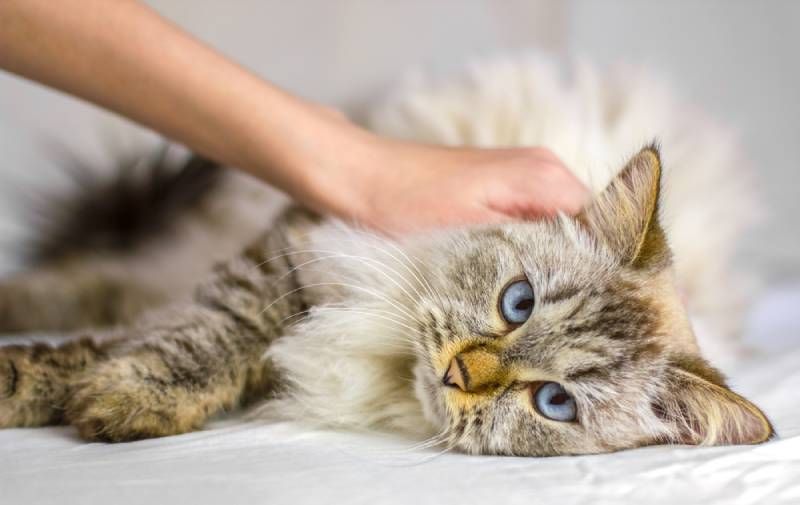
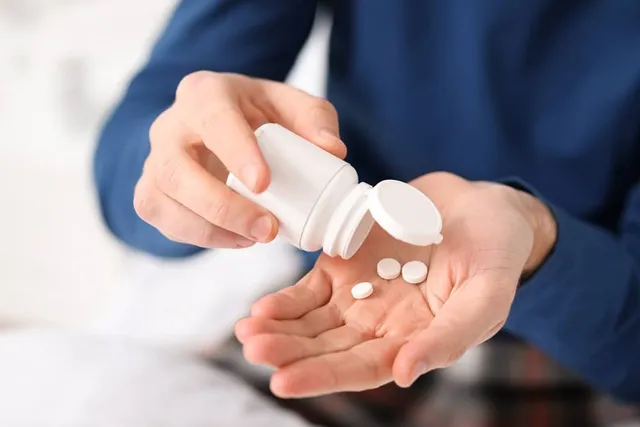
Alleviating your cat's pain is generally achieved through the use of pain medications prescribed by a veterinarian. However, there are other ways to help manage your cat's pain that can be used in conjunction with medications or used separately. Adding supplements to your cat's diet or trying home remedies should always be discussed with a veterinarian first. Never attempt to give your cat over-the-counter pain medications without consulting with a veterinarian, as these can be deadly to cats.
The following list is what you can attempt at home to help your cat's pain in the short term, but if signs do not improve or if they worsen, you need to take your cat to a veterinarian for an examination.

The 10 Vet-Approved Home Remedies You Can Give to a Cat That Is In Pain
1. Omega-3 Fatty Acids
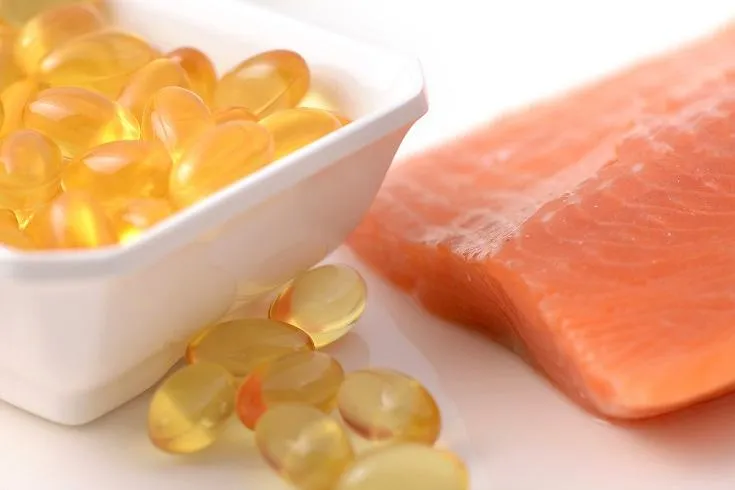
Omega-3 fatty acids are best known to be contained in fish oil. They help prevent and improve inflammation, especially for arthritis. Fish oil can also help resolve other inflammatory conditions, such as skin disease.
2. Glucosamine and Chondroitin Sulfate
These compounds are often used together to help decrease inflammation and pain. Glucosamine has mild anti-inflammatory properties that are helpful for joint inflammation due to conditions like arthritis. Chondroitin aids in the prevention of cartilage destruction. Both glucosamine and chondroitin can increase the production of joint fluid, which protects (lubricates) the cartilage and bones from friction and erosion during movement. A lack of sufficient joint fluid can lead to osteoarthritis.
3. Curcumin
Curcumin is the active ingredient in turmeric, a common spice that may decrease inflammation and pain. This anti-inflammatory supplement can be particularly useful for arthritis and joint pain.
4. CBD

Cannabidiol (CBD) is produced from hemp (cannabis) but lacks the compound tetrahydrocannabinol. While there is limited research on the risks and benefits of CBD use in cats and animals overall, it seems to have the potential to help manage pain. Despite many health claims for its use, CBD is not approved by the Food and Drug Administration to treat specific conditions in animals, so it should be used cautiously.
5. Heat Therapy
Heat increases blood flow to painful areas and can decrease joint stiffness and pain and provide relief to sore muscles. Always test heat sources on your arm before applying it to your cat, and make sure there is a towel covering the heat source to help protect your pet from burns. A hot water bottle filled with warm water or a microwave-safe pet warming disk that your cat may cuddle up to are examples of warming devices that you can safely use. Only use a heating pad on the lowest heat setting, and ensure that your cat can move away from it if they get too hot. Heating pads should also be used cautiously because they can cause thermal burns and heat stress.
6. Cold Therapy
Cold therapy, such as the use of a covered ice pack or a bag of frozen veggies, decreases blood flow, lessens swelling and the pain associated with swollen and inflamed tissues, and can numb painful areas. Always place a towel or washcloth between the cooling device and your cat's skin, as it can cause frostbite. This therapy can be applied for 10–15 minutes at a time, twice daily, for pain.
7. Water Therapy

If tolerated, your cat may benefit from water therapy. Placing your cat in a tub and gently swirling warm water around their sore joints and muscles can help improve circulation and decrease pain. Not all cats will like water therapy, though, so it is important to be aware of your cat's emotional state when trying this remedy.
8. Epsom Salt Soak
Warm Epsom salt soaks can help relax muscles, decrease pain and swelling, and loosen stiff joints, but only if your cat tolerates the water soak. Epsom salt baths should not be used if open wounds or sores are present, as they can cause stinging and irritation.
9. Massage
Gentle massage may benefit your cat by promoting circulation, relaxing stiff and sore muscles and joints, reducing swelling, and improving flexibility. It can also help release feel-good endorphins, which can alleviate stress and pain in your cat.
10. Soothing Environment

Certain stimuli and stress can negatively affect your cat if they are in pain. Similarly, if you were in a hospital bed and the environment around you was loud and chaotic, you would have difficulty recovering. Creating a calm, quiet, relaxing, and distraction-free environment can help your cat heal and ease their stress. It can also alleviate pain and improve your cat's well-being and emotional state.
Set up a warm, dimly-lit room or area where your cat can relax. Offer hiding areas where your cat can feel more comfortable and secure. Spraying a cat pheromone spray on bedding or towels (not directly on your cat) or using a pheromone diffuser may help reduce signs of stress. Softly playing classical music or music specifically developed for cats can promote relaxation. Stay calm and use a gentle, soothing voice and slow deliberate movements around your cat.
Consulting a veterinarian is recommended for the best course of action.
Conclusion
Treating your cat's pain at home should be done cautiously and under the supervision of a veterinarian. While these remedies may help, they may also have no effect or may worsen the signs that you see in your cat. Certain supplements may interfere with other medications that your cat may be on, so it is always best to discuss any home remedies with a veterinarian before administering them. If your cat's pain does not improve or worsen, an examination and further pain management may need to be prescribed by a veterinarian.
Featured Image Credit: Olesya_Alexandrova, Shutterstock
Expert cat care, straight to your inbox
News, insights, and useful advice, delivered to you.

No spam — unsubscribe anytime.
By signing up, you agree to our Terms & Conditions and Privacy & Cookies Policy.
How useful was this post?
Click a star to rate. You can leave written feedback afterwards. (We read all feedback.)
Dr. Stacie Grannum DVM (Veterinarian)
Dr. Stacie Grannum was born and raised in Arizona. When she was five, an encounter with a tiny animal changed her life forever. A baby bird fell high from its nest, and Dr. Grannum diligently cared for it. Sadly, despite her attempts to save the little birds life, the little bird did not survive. From this heartbreaking loss came a new ambition, carving the path that Dr. Grannum followed. She knew that she wanted to pursue a career in veterinary medicine. She worked hard toward that goal and dedicated her time to pursuing her dream.
Today, her focus is on pet health, particularly wellness and preventive medicine. She also enjoys writing about pet health and is eager to share her knowledge with other pet lovers.
In 2014, Dr. Grannum earned her Doctor of Veterinary Medicine Degree from Colorado State University.