Cat Owner’s Manual for Pain Part 2: Misconceptions and Treatments
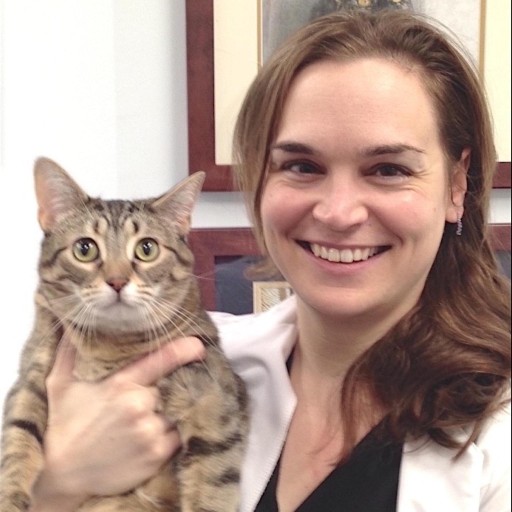
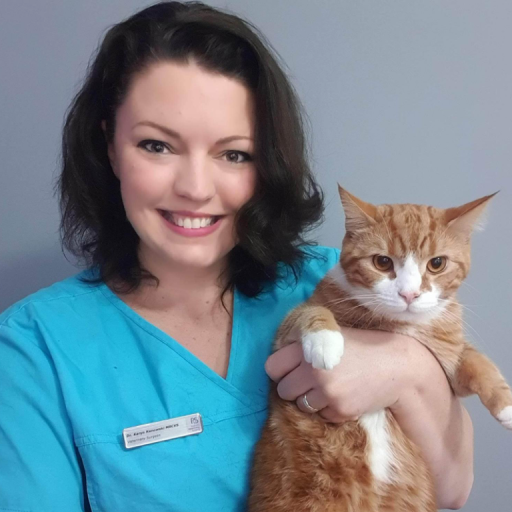
Hi, I’m Dr. Lauren! Read my introduction to learn more about me and my two adventurous cats, Pancake and Tiller.
In the continuation of this two-part series on Pain in Cats: an Owners’ Manual (you can read the first part on Recognizing Pain here), we look at the misconceptions of feline pain, which abound. As well, we can touch on the action items that can help you be the best advocate for pain in your cat, and resolving it. To recap, you are the best advocate (or advo-cat) for your feline, so the more knowledge you have, the better we as vets can help you address any concerns. So, let’s jump straight in.

Common Misconceptions About Cats In Pain
There are a lot of misconceptions about pain and how it shows in cats. In part, this is because they are fantastic at hiding pain. In large part, this is because they can be fairly subtle with their body language and the signals they send.
Misconception: Cats always show when they are in pain.
Truth: Actually, many don’t, or do so very subtly.
Misconception: A purring cat is a happy cat.
Truth: Cats purr when nervous, and in pain, as well as when they are happy.
Misconception: Because they are eating, they can’t have pain.
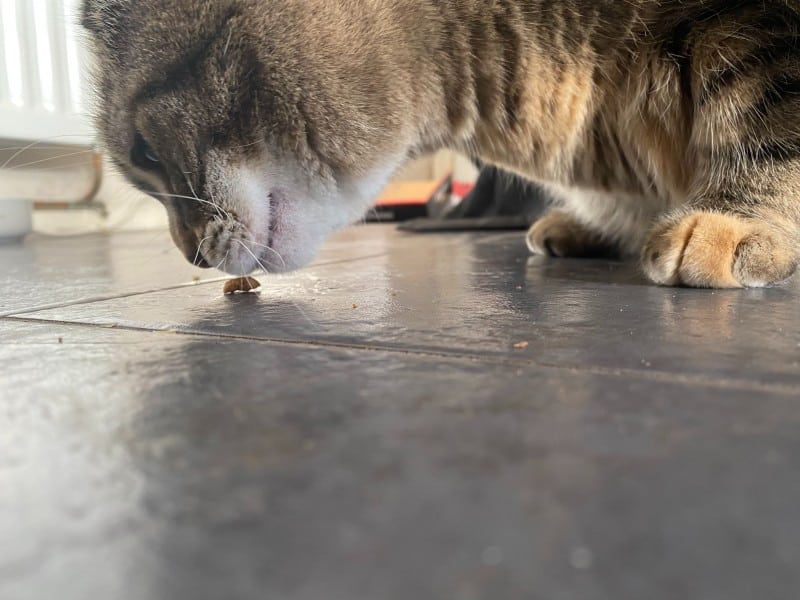
Truth: This is a very common misconception I discuss with clients. Cats will eat well in spite of some pretty terrible dental disease. So never use this as an indication that their dental health is fine, or that they don’t need dental care. Routine annual examinations are critical to detect these issues early! Some of the patients I see with the healthiest appetites have teeth literally falling out of their mouths!
Misconception: Pain is normal in certain situations.
Truth: Any pain should be investigated, even if your cat has recently had major surgery. Cats don’t need to be in pain, due to the many treatment options that are available in modern feline medicine. A painful cat is not necessary, and does not help the healing process (by keeping them quiet)—that’s a myth. In fact, research in humans shows that pain delays healing , and we believe this to be true in cats, as well.
Misconception: Using opioids prescribed for my cat can cause constipation or opioid addiction.
Truth: In clinical practice, opioids seem to almost never lead to constipation in the cats I’ve worked with. So, if your vet prescribes them, use them as directed. Similarly, many clients I’ve worked with are concerned about their cat developing an opioid addiction: it doesn’t work that way in cats.
Misconception: Human pain medications are OK for use in cats.
Truth: Without a doubt, they aren’t. Use what your vet prescribes, and nothing else.

What To Do If You Think Your Cat May Be In Pain
Now that we’ve covered the common causes in feline pain at home, how to recognize them, and the misconceptions around pain, let’s get to the real crux of the matter. Once you identify pain in your cat, what do you do next? This is the critical part of the equation, as it allows your cat to receive the treatment they need.
Getting an appointment for pain in your cat:
Take video: a video is a great tool to capture the behavior you are seeing at home, which is often not replicated in a clinic!
Next, speak to your vet clinic, and book an appointment. Critical tip: Provide them with the video before an appointment (either via email, or a file-sharing service such as Gmail Drive) so they have the opportunity to see it before your cat’s appointment. Professional secret: we will often share such videos with colleagues in the clinic and view it together, which means you will often be getting second and third opinions on your video, which is all the better for your cat (and free of charge to you!)
Do research beforehand, on what your cat is displaying, and what tests or treatments might be available. Bring a written list of questions, so you don’t forget to ask them. Expect that bloodwork may be needed, as may additional imaging such as x-rays. Sometimes, this can not all be done at the same appointment.
Attend the appointment.
If you have concerns, and they aren’t addressed, it’s ok to ask for a second opinion! Seriously, I’ve never met a vet that minds. We want you, and your cat, to get the best care, and to be happy with the outcome. Sometimes you don’t bond well with a vet, or like their approach, or simply need things explained in a different way. Or you think you see something they don’t. Remember, you know your cat better than we do - so don’t hesitate to advocate for them.

Top Tips for Pain Treatments in Cats
Lastly, I wanted to share some tips from a veterinarian’s perspective, that can help you better manage pain in your cat. These are things that as a professional, I’d love for you to know, but often don’t have time to fully discuss in an appointment. Or, sometimes, we discuss it, but given the amount of information that cat owners have to process in any given appointment, I’m surprised anything is remembered!
Know that many feline medications come in a liquid, and a pill form - so decide if one will be easier for your cat. If in doubt, I recommend pills (aka tablets), as they can sometimes be put into food, which skips the need to pill your cat. (Churus are an amazing tool to hide pills for cats, by the way!) On the other hand, if you are giving liquid, the volumes are often fairly large, and if your cat spits it out, then you don’t know if you need to repeat the dose, and if so, how much.
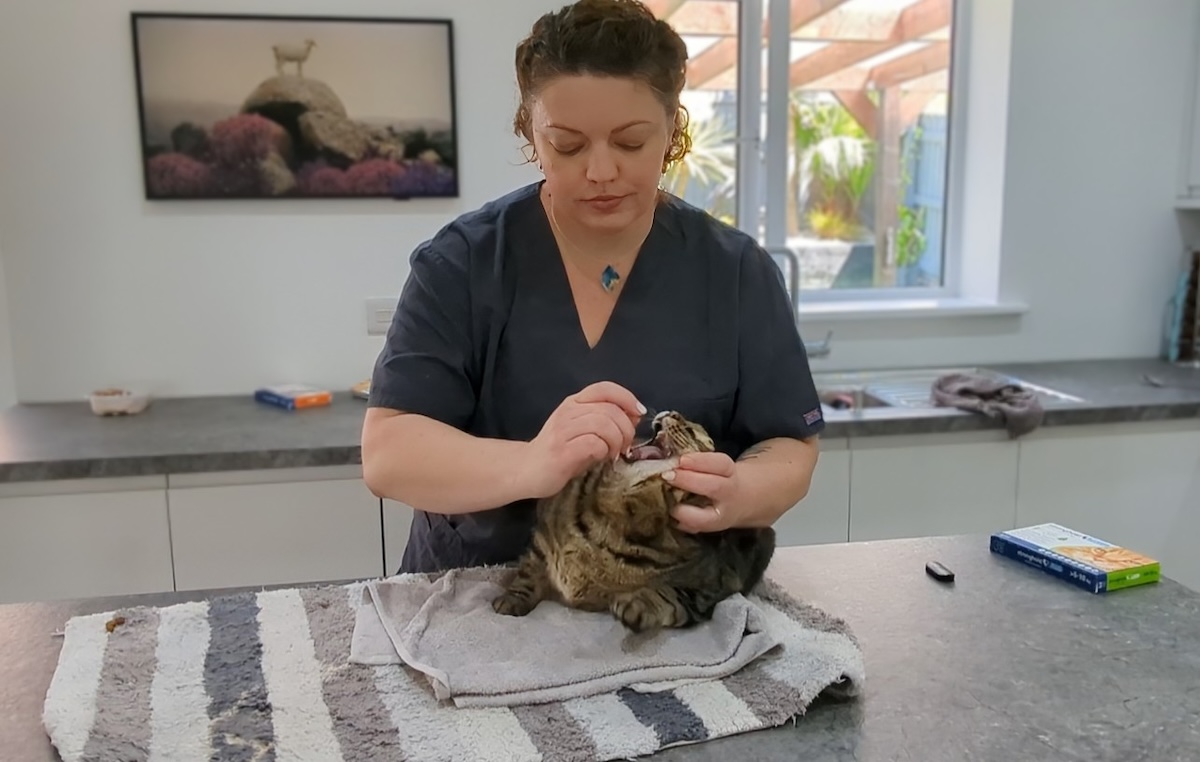
Here is a good video for pilling your cat. This is the method I use myself—a cat facing away from me is easier to work with. Also, tilting their head up slightly opens their mouth naturally, making it easier to give the medication.
Transdermal patches are also an option for some medications, so are injections. For cats that hate having their mouths touched, these can be better alternatives!
Quick-dissolving tablets are another option for some medications, but I’ve not had good success as a professional getting cats to understand the theory of these! So, I often avoid these.
Not all pain meds work well for all cats. If your cat has been prescribed something, and you don’t feel it works, don’t hesitate to ask for a different option. Similarly, if a medication causes vomiting or diarrhea, speak with your veterinarian to find another option.
Generics vs Brand Name medications: Much as in people, there shouldn’t be much in the difference…. But sometimes, there is. We don’t fully understand why, as the active ingredients are the same. Sometimes, additional additives may be the culprit, sometimes not. But if you feel a brand name medication works better than a generic brand or vice versa, don’t hesitate to request the alternative form.
In the end, cats are lovely mysteries, and as cat owners, we want nothing but the best for them. I hope this Cat Owners Manual on Pain is informative, and allows you opportunities to best advocate for your feline.
This article is a part of Dr. Lauren, Pancake, and Tiller's series.
See Also:

Expert cat care, straight to your inbox
Vet-reviewed advice, behavior tips, and the best of Catster. Free, and you can unsubscribe anytime.
By signing up, you agree to our Terms & Conditions and Privacy & Cookies Policy.
Dr. Lauren Demos DVM (Veterinarian)
As a veterinarian, Lauren is eager to share her experience in emergency medicine and cats, with our readers. She loves sharing helpful, real life tips for having cats as part of your life, and what to do in critical situations with your pets.
Lauren is a vet with over a ten years of experience in cats and dogs, along with infectious diseases. She enjoys teaching, and lectures for students, pet owners, and clinicians, on various topics.
Lauren received her degrees from Murdoch University, in Perth.
Join the conversation
Ask a question, share your story, or send private feedback.