12 Common Cat Vaccine Side Effects And How To Avoid Them (Vet Answer)

In this article
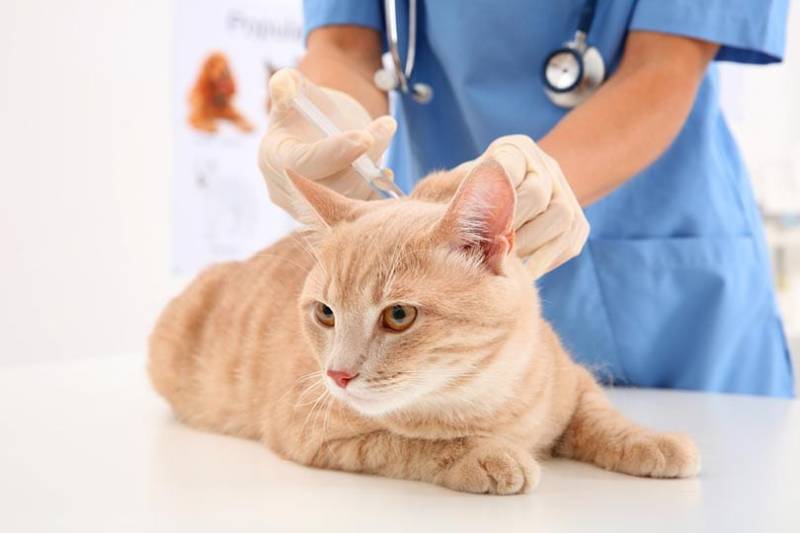
Vaccinations are a vital part of our pets' healthcare. They prevent our cats from picking up nasty diseases in their environment and spreading them to other cats. Vaccinations are an easy and effective way of preventing disease, and the benefits of using vaccines far outweigh any potential side effects. Many serious diseases such as rabies, feline distemper virus, and feline leukemia virus can be prevented by giving our cats a yearly injection.
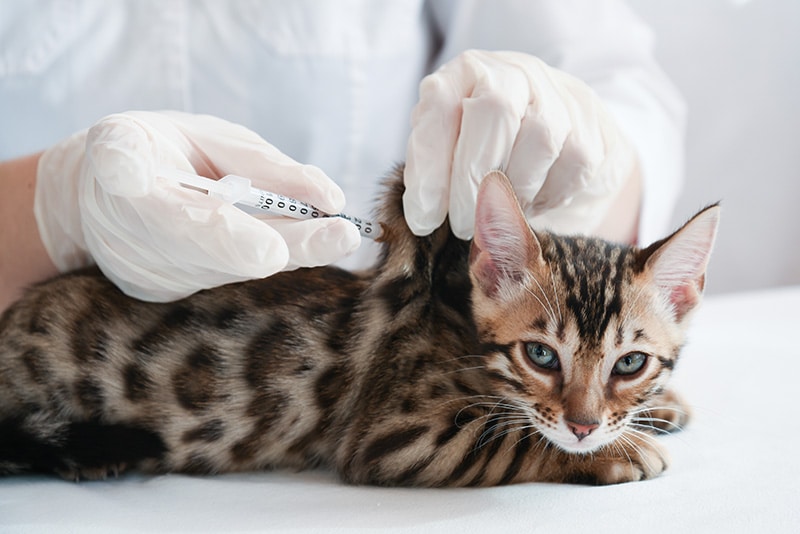
When we give a vaccination to our cats, we give a small amount of the virus—an amount that is small enough that it will not make the cat ill. This is to allow the immune system to create antibodies to fight the disease. When your cat has made antibodies, they will have immunity so if they are exposed to the disease again, they will be able to fight it off without becoming ill.

Adverse Reactions Explained
As with all medications, it is possible for your cat to have an adverse reaction to their vaccinations. It is important to remember that vaccine reactions are very rare. Most domestic cats are vaccinated, and reports of vaccine reactions involve only a very small number of these vaccinated cats. Most vaccine reactions are very mild and will resolve on their own without any veterinary intervention required.
When cats do experience a vaccine reaction, the effects can be modest and self-limiting, or very serious and life-threatening. It is more common that owners will see a reaction in the first few hours after the vaccine has been administered, although some can occur days or weeks afterward. If you are worried about your cat having a reaction to a vaccine, or if they have underlying health issues, speak to a vet before booking them in for their vaccination. The vet will be able to advise you on any potential risks.
In recent years, there have been many negative reactions to vaccinations documented in the media. Owners need to remember that the benefits of vaccinations massively outweigh the risks of vaccination reactions. Vaccination programs for cats have been so successful that some of the diseases that vets vaccinate against are rarely seen. Vaccinations should be given wherever possible to all cats.

Common Vaccine Side Effects Seen in Cats
1. Mild Tenderness or Pain at the Injection Site
This is commonly seen due to the fact the vaccine is administered via a small needle that pierces the skin. A very small local reaction can happen in the skin surrounding the area. This side effect usually resolves within a day or two. Your cat may try to lick or paw at the area.
To help your cat, you may avoid touching it and stroking them in these areas for a few days afterward to prevent any unnecessary trauma or discomfort.

2. Low Energy (Lethargy)
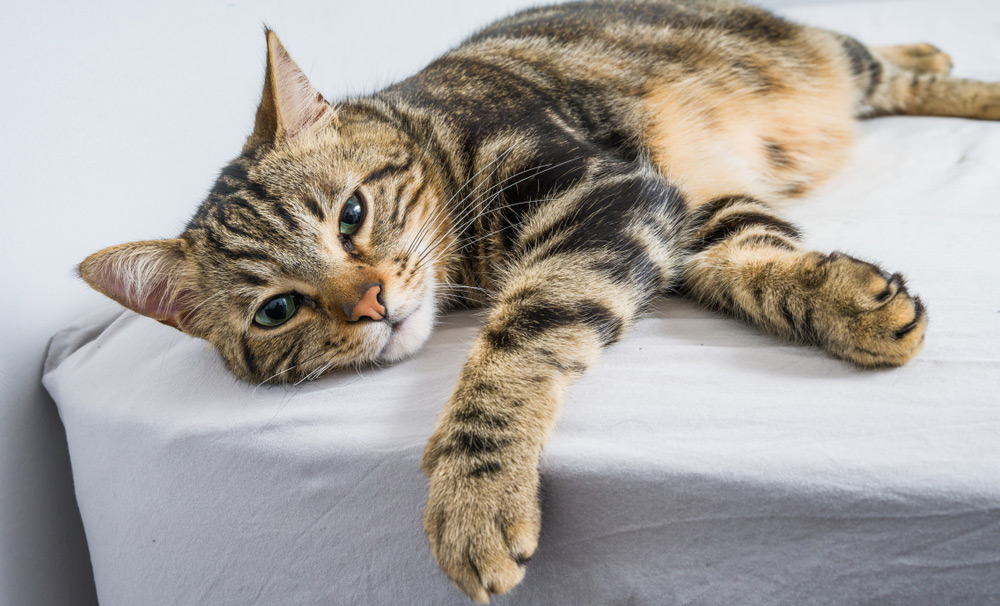
You may notice that your cat is less active than usual for a few days after the vaccination has been given. This is especially noticeable in kittens after their primary and secondary vaccines. If your cat seems quieter and more subdued, keep a close eye on them and ensure they are eating and drinking. It may be necessary to spend more time with them, giving them more attention and letting them sleep as much as they need to while they recuperate.
If they are off their food or not drinking, and the lethargy continues, get back in contact with the vet as there may be something else going on that needs addressing.
3. Decreased Appetite
Some cats will go off their food or have a reduced appetite for a couple of days after being vaccinated. This can be worrying, especially as cats are prone to a syndrome called fatty liver disease or hepatic lipidosis. This phenomenon occurs when fat builds up inside the liver cells. This typically results after a period of not eating. If a cat is off their food for longer than a couple of days or if they stop eating completely, get back in contact with the vet to arrange for them to be checked over.
Owners can help at home by tempting cats with their favorite foods. Food can be warmed to make its aroma more powerful. Owners can also attempt to hand-feed cats.

4. Fever
A low-grade fever can be a relatively common side effect of the vaccine. Cat vaccinations stimulate your cat's immune system so that it makes antibodies to the diseases it is being exposed to. This can cause mild clinical signs of the disease such as fever as the body deploys its usual defense mechanisms.
A slight increase in temperature can be seen as a side effect but if it persists for more than a day or so, you need to contact the vet to have your cat examined again. A vet will usually check that your cat does not have any illnesses before they have the vaccine, it is not recommended to give your cat a vaccine if they already have a temperature.
Serious Side Effects
All of the reactions above are usually very mild and only present as a short-term issue. Many owners will not even notice their cat experiencing some of these clinical signs. More serious side effects include:
5. Facial Swelling
Sometimes cats can have an allergic reaction to a vaccine. One obvious and often alarming sign of this is swelling of the face. This is an emergency situation as the swelling can affect the airways and esophagus, blocking them and causing suffocation. If you see this sort of reaction in your cat, they require immediate veterinary attention.

6. Hives
Hives are itchy raised swellings that form on the skin and can be an indication of an allergic reaction. If you run your hand over your cat's body you will be able to feel them. If hives are present, it is recommended that you seek veterinary attention.
7. Breathing Difficulties
This can be another sign of an allergic reaction. If your cat suddenly starts struggling to breathe after their vaccination, this is a life-threatening emergency that requires immediate veterinary attention.

8. Vomiting
Acute onset vomiting can unfortunately be another sign of an allergic reaction to the vaccine. There are many other causes of vomiting, so it is always best to have your cat checked out to get to the bottom of the cause.
9. Diarrhea
Cats can experience diarrhea after having their vaccination. This can occur due to activation of the immune system causing temporary irritation in the digestive tract. Also, the stress of a visit to the vet and receiving the vaccination can cause digestive issues such as diarrhea.

10. Itching
Some cats can experience itching after vaccinations. This can be across their whole body, or just localized to a specific area such as their face. This can be another sign of an allergic reaction and may progress to other, more serious, signs such as the ones listed above. If you see itching as a clinical sign, contact a vet and monitor your cat closely.
11. Shock
In a very small number of cases, vaccines can cause anaphylactic shock. This is a life-threatening condition that occurs when there is a sudden drop in the cat's blood pressure due to effects on the circulatory system.

12. Cancer
Slightly different from the side effects above, cats can experience a specific reaction called a feline injection site sarcoma. This is an extremely rare cancer that can develop after a cat has had an injection. It is a malignant cancer that is locally aggressive. It can occur with any injection; it is not unique to vaccination injections.
It is seen in less than 1 in 10,000 cats. Researchers initially thought that it occurred due to certain compounds in the vaccine, however, now this is not thought to be the case. Injection site sarcomas can occur with any type of injection, including microchip implantation and subcutaneous fluid administration.
How to Avoid Side Effects of Vaccines
Unfortunately, a lot of the vaccine side effects and reactions are out of our control. It may not be possible to completely avoid side effects. However, there are some important steps owners can take to minimize the risks and help their cats recover after their vaccines.
Some tips include:
Conclusion
Cat vaccine side effects are extremely rare, and most cats tolerate their vaccines very well. A small minority of the cat population does experience side effects, but most of these are mild and do not require further veterinary attention. The side effects typically include pain at the injection site and a temporary reduction in appetite. In rare cases, there can be more severe side effects seen. It is very important for owners to monitor their cats after vaccination, especially after the primary injection.
The benefits of vaccination far outweigh the risks. Vaccinations provide essential protection against life-threatening diseases.
Featured Image Credit: Africa Studio, Shutterstock

Expert cat care, straight to your inbox
Vet-reviewed advice, behavior tips, and the best of Catster. Free, and you can unsubscribe anytime.
By signing up, you agree to our Terms & Conditions and Privacy & Cookies Policy.
Dr. Emma Chandley, BVM MRCVS (Veterinarian)
Dr. Emma is an experienced vet who is happy to share her expertise and knowledge about cats with readers. Her passion is surgery but she will happily talk about anything animal-related. Dr. Chandley graduated from The Royal Vet College and since then she has worked in general practice in Great Britain. Dr Chandley has completed a postgraduate certificate in Small Animal Surgery and has also gained Advanced Practitioner status in the same discipline. She enjoys developing her skills in animal behavior, nutrition, and clinical pathology as well.
Join the conversation
Ask a question, share your story, or send private feedback.