Can Kittens Eat Adult Cat Food? Vet-Approved Timeline & Transition


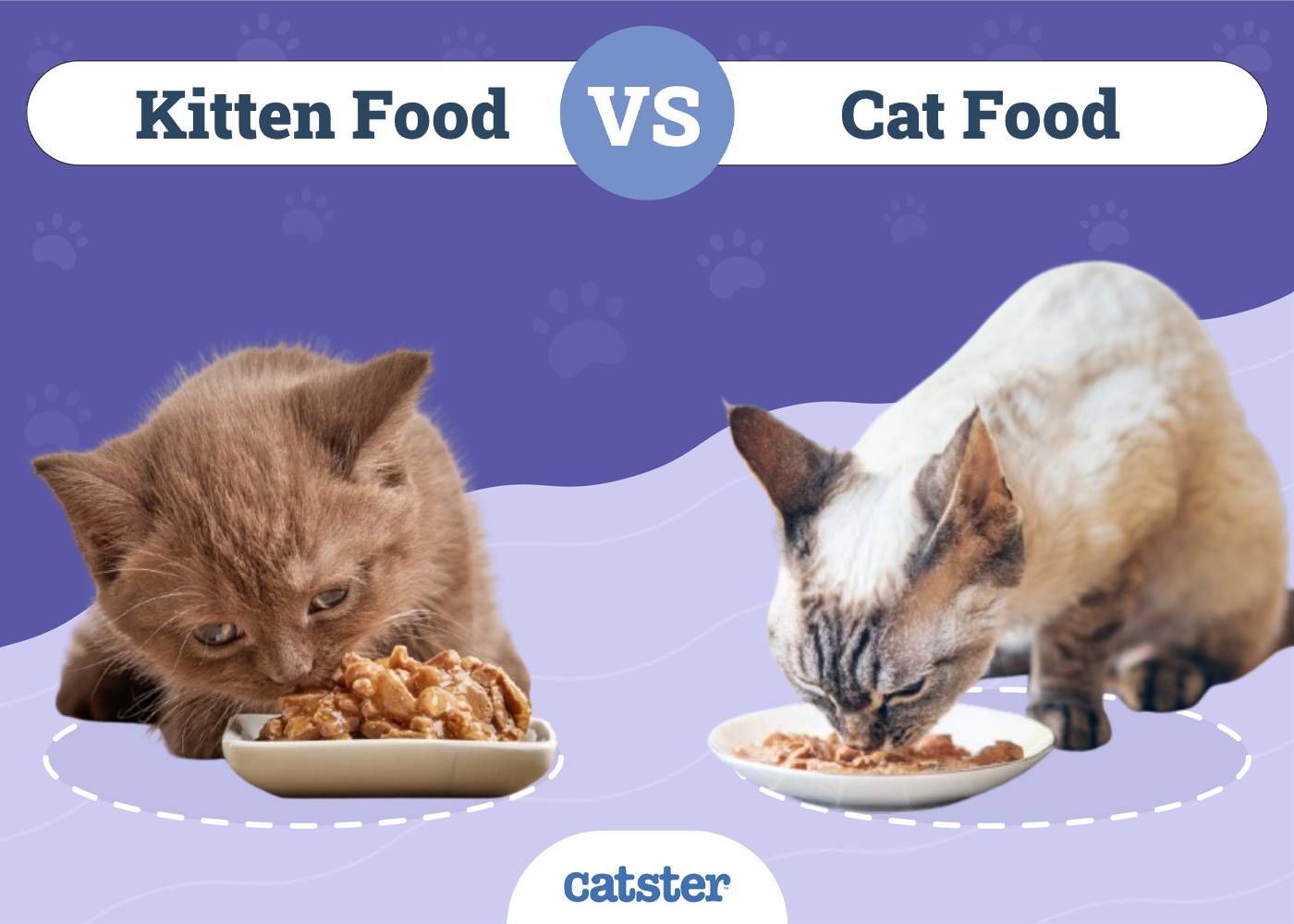
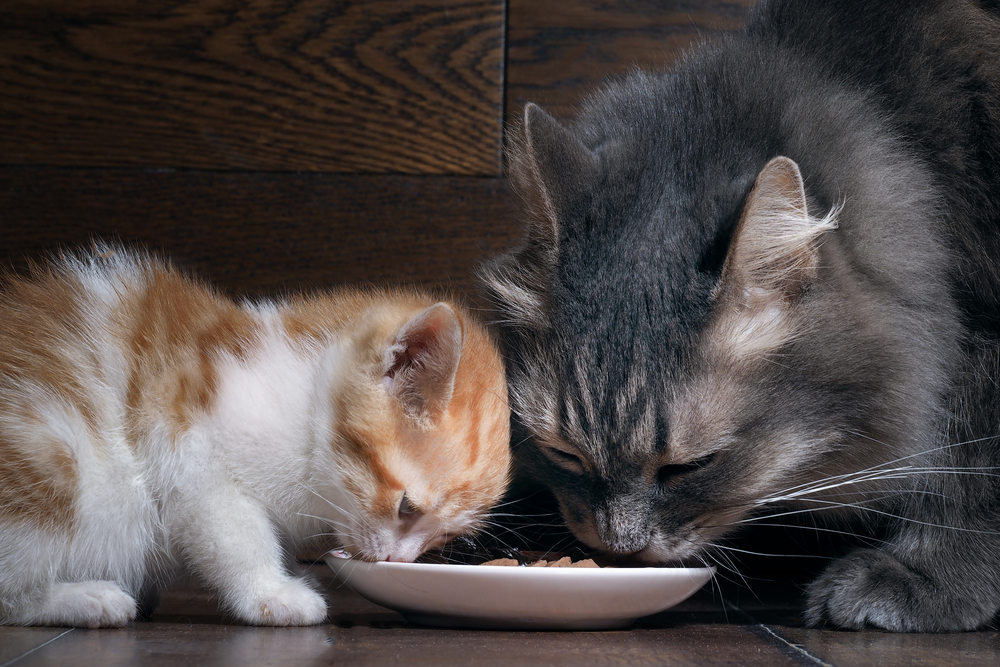
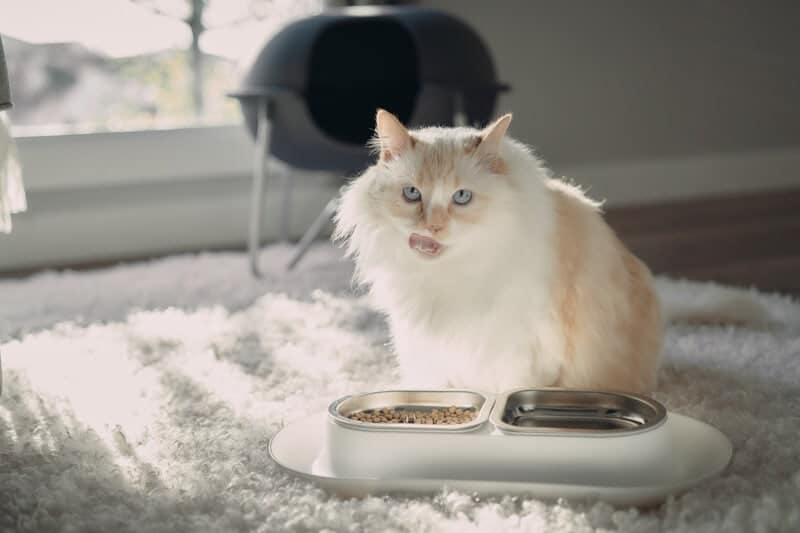
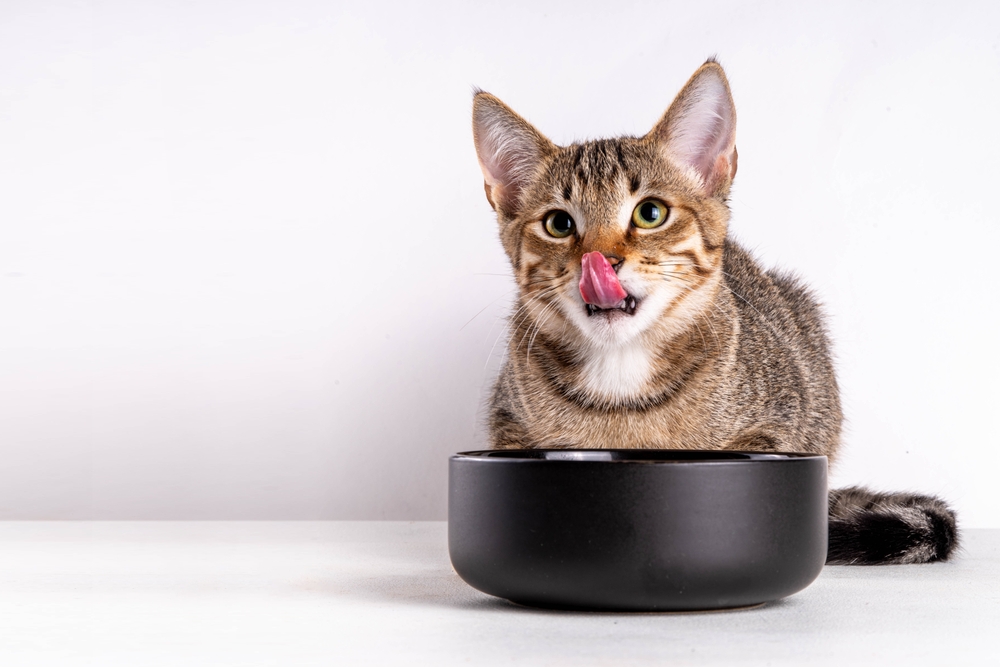
If you have a multi-cat home, you may encounter your new kitten lapping up some of your adult cat's food, or perhaps you accidentally picked up adult cat food instead of kitten food and only realized once the bowl was emptied. But can Kittens eat adult cat food? The nutritional needs of a kitten are different from an adult cat, so it's important to have a diet to support their needs. While a small amount of adult cat food won’t do any harm, you shouldn’t feed your kitten adult cat food regularly.

Can Kittens Eat Adult Cat Food?
The simple answer is no; kittens shouldn’t eat adult cat food. Kittens have different nutritional needs than adult cats, so they need appropriate food to support their needs.
The First 4 Weeks
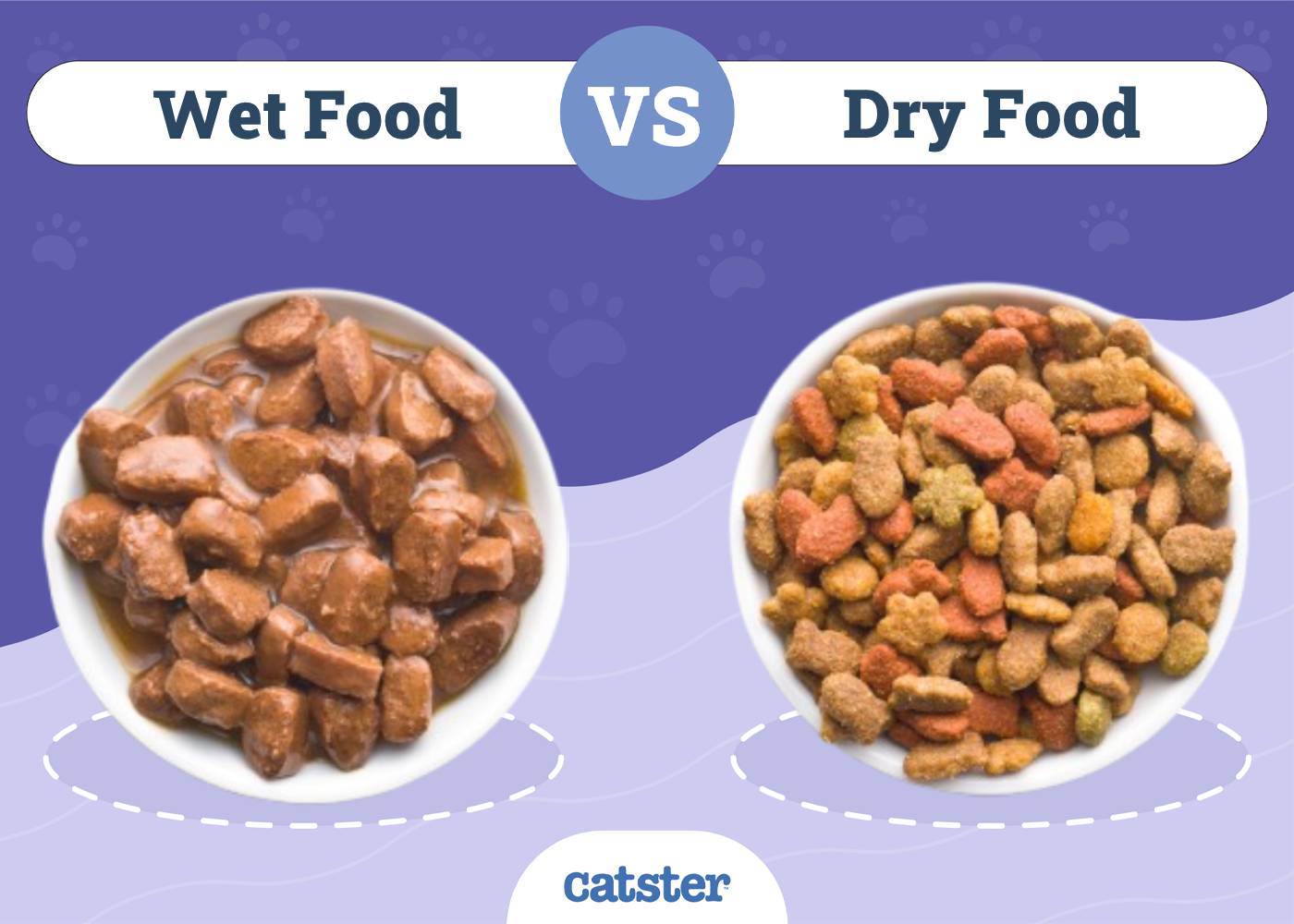
For the first four weeks of life, kittens obtain everything they need from their mother's milk, and at about 4 weeks, they will begin to wean, and solids can slowly be introduced. Wet food is often preferred since they may struggle with dry food initially. In 2 months, your kitten should be fully weaned on solid food.
At 6 Months
During the first 6 months of life, kittens experience their fastest growth period. Until they are 4 months old, their brains, muscles, bones, tendons, and connective tissues develop rapidly. In fact, kittens can gain up to 50 times more body weight in their first year of life. That is why feeding a kitten food continuously is recommended until their growth slows down.
The 2nd Phase
The second kitten phase, which lasts from four months to around a year, begins once kittens have completed the hyper-accelerated growth. Again, your kitten needs to eat a kitten formula for their growing needs at this stage to make sure they are less susceptible to illnesses.

What Is the Difference Between Adult Cat Food and Kitten Food?
When kittens are still young, they require up to 30% of protein on a dry matter basis,1 and kitten food will provide the correct amount of protein for them. Adult cats only require 25%–26 % protein on a dry matter basis. These are the minimum amounts of protein that experts recommend, but many cat and kitten foods available now have a considerably higher protein content.
Fat is another essential nutrient for growing kittens due to its energy capacity. Fat is also utilized to absorb and store fat-soluble vitamins, such as preformed vitamin A, and is an important component of flavor and palatability.
Young, fast-growing kittens require far more energy than adult cats to support their growth, and fat provides 2.5 times more energy than protein and carbohydrates. Kitten food will also contain appropriate levels of omega-3 fatty acids EPA and DHA, which are essential for retinal and brain function.
What Happens if Your Kitten Eats Adult Cat Food?
If your kitten eats a small amount of adult food, there is no need to worry. However, you shouldn't feed your kitten adult food regularly. Therefore, always keep a sizable supply of kitten food available and try to keep your kitten away from your older cat’s bowl. Try to maintain consistency with their brand as well. There are a few brands that offer an all-ages food but most commercial cat foods are life-stage based.
If your kitten continuously eats adult cat food, they can gain weight and experience stomach upset, diarrhea, and vomiting.

When Can Kittens Eat Adult Food?
Generally, kittens shouldn’t eat adult cat food until they reach 90% of their adult weight. This will usually happen at around 10–12 months. The exception can be made with larger breeds, like Maine Coons which will eat kitten food for longer.
They should have kitten food until they reach the age of 18 months to 2 years because they don't mature until then. It is always best to consult with a veterinarian before changing your kitten's food or transitioning them to adult food.
How to Transition From Kitten Food to Adult Cat Food
Transitioning your cat to adult food at around 12 months is ideal, but it is highly recommended to check in with your vet before doing so. It is best to transition over 7–10 days to slowly introduce the food without upsetting your cat's stomach. You can start with a small amount of adult cat food added to a large portion of kitten food and gradually change the ratio until it is only adult cat food. Here is an example of how you can make the transition from kitten food to adult food:
- Day 1–2: ¼ adult cat food with ¾ kitten food
- Days 3–4: ½ adult cat food with ½ kitten food
- Days 5–7: ¾ adult cat food with ¼ kitten food
- Days 8–10: Adult cat food only
Ensure you monitor your cat's health and behavior to determine if they are enjoying the new brand and that the transition is not causing stomach issues.

How to Choose a Cat Food to Keep Your Cat Happy and Healthy
Quality food is essential when it comes to the health and well-being of your kitten, and the kitten food you select should provide enough protein, fat, vitamins, and minerals in the ideal proportions.
Choosing cat food might be confusing if you're a new cat parent, but here are some tips for choosing the best kitten food:
- Choose a brand that is formulated specifically for kittens.
- Choose a food that contains real meat. It should be the first ingredient on the list and be a quality protein such as chicken or beef.
- Look for kitten food with the Association of American Feed Control Officials (AAFCO) logo. It tells you whether the food is complete and balanced for the stage of your life your pet is in.
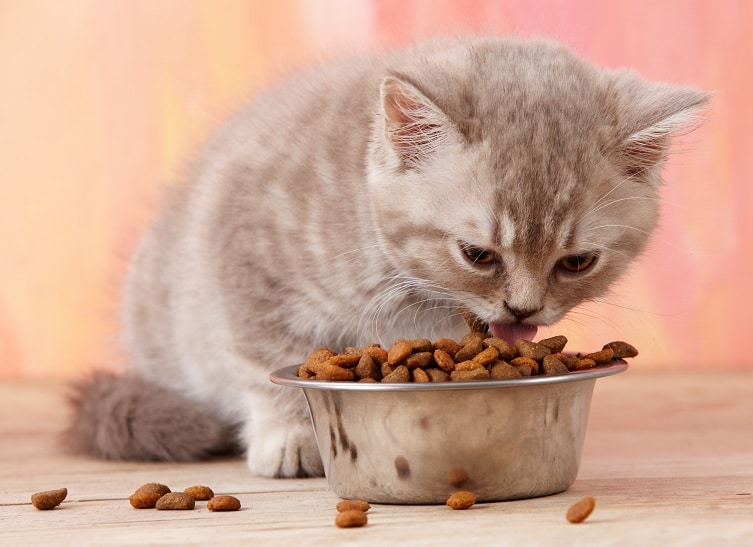
- Provide your kitten with a mixture of kibble and wet food.
Conclusion
While a small amount of adult cat food won't harm your kitten, your kitty shouldn't eat adult food regularly. A kitten has specific dietary needs due to its rapid developmental phase, and kitten food includes all the proper nutrients in the right proportions. You can start transitioning your kitten to adult food at around 12 months, but you should consult your veterinarian first for brand recommendations.
Sources
https://www.petmd.com/cat/centers/nutrition/slideshows/tips-for-choosing-kitten-food
https://www.hillspet.com/cat-care/nutrition-feeding/changing-cat-food
https://www.royalcanin.com/za/cats/kitten/kitten-development-from-birth-to-adulthood
https://www.petmd.com/cat/nutrition/cat-nutrition-what-makes-nutritional-cat-food
Featured Image Credit: MaraZe, Shutterstock

Expert cat care, straight to your inbox
Vet-reviewed advice, behavior tips, and the best of Catster. Free, and you can unsubscribe anytime.
By signing up, you agree to our Terms & Conditions and Privacy & Cookies Policy.
Christian started writing for a local newspaper as a teenager, and he's been involved in the publishing industry for most of his adult life. Combining his love of writing with a passion for animals, he is currently the Director of Editorial at Pangolia and the Editor-in-Chief at Catster.
Christian lives in the Philippines with his wife, son, and four rescue cats: Trixie, Chloe, Sparky, and Chopper.
Join the conversation
Ask a question, share your story, or send private feedback.