Do Cat Paw Pads Change Color? Vet Approved Facts & FAQ


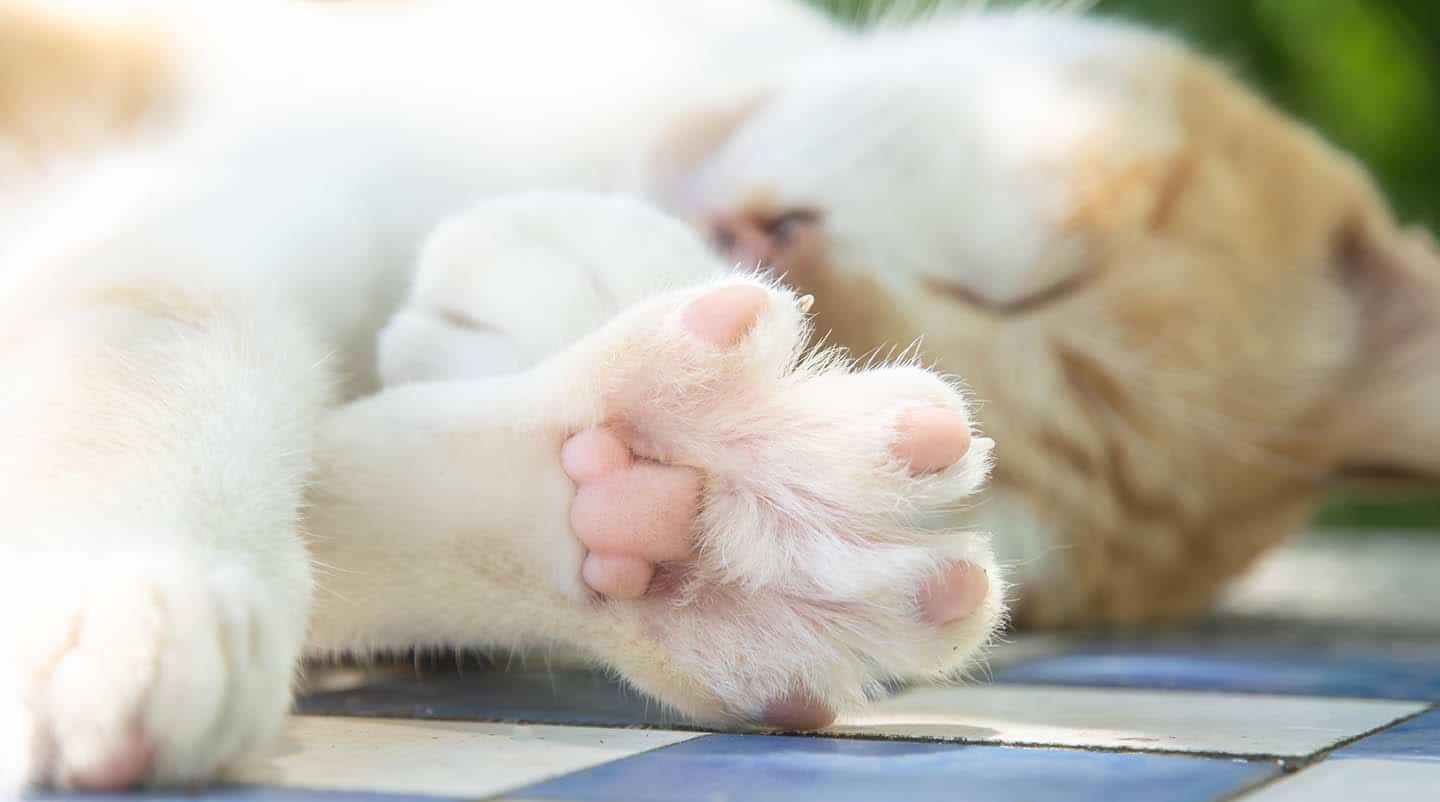
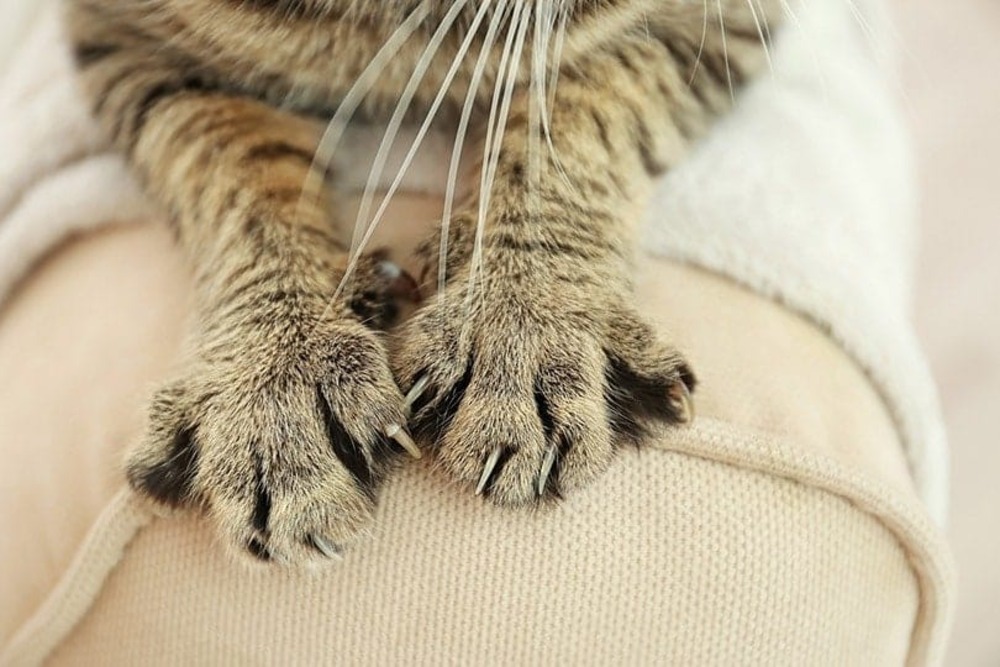
Lovingly referred to as toe beans by many people, a cat’s paw pads tend to be one of the most endearing features of a feline. They are soft, supple, and super cute when a cat stretches them out after a cozy nap.
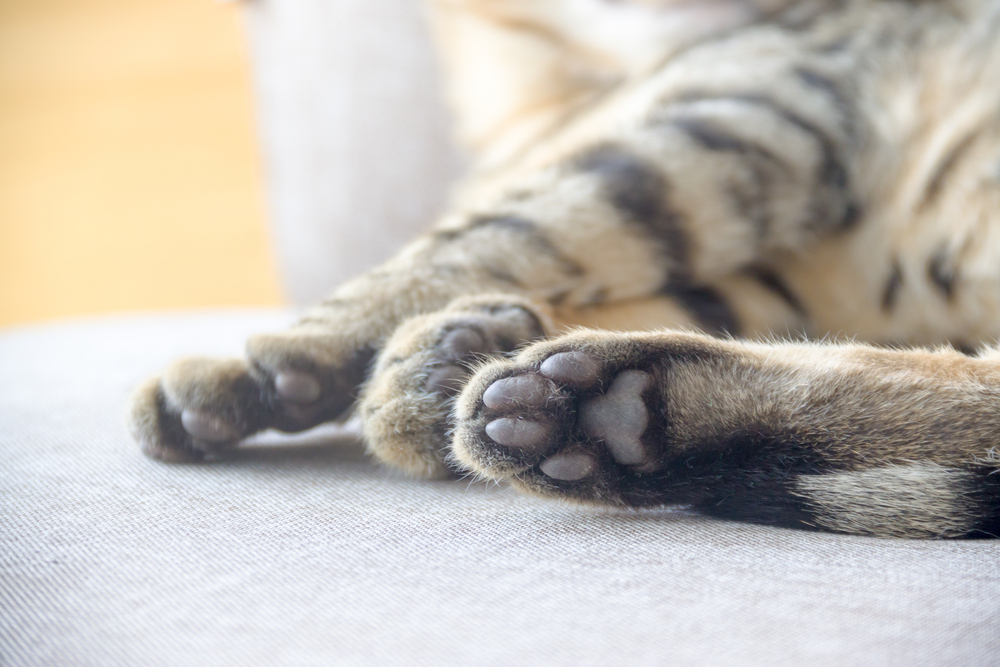
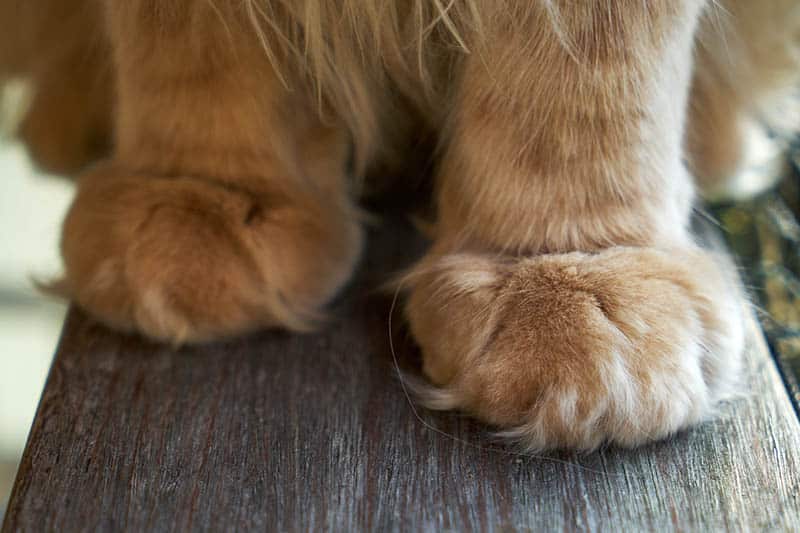
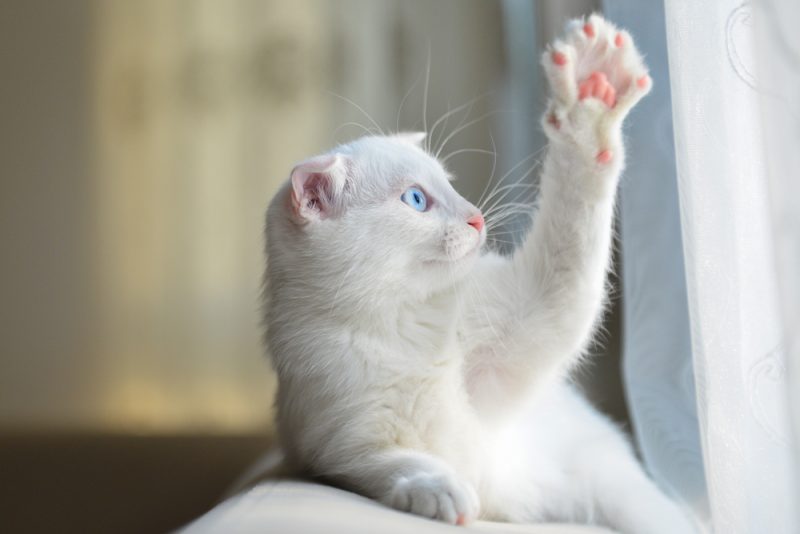
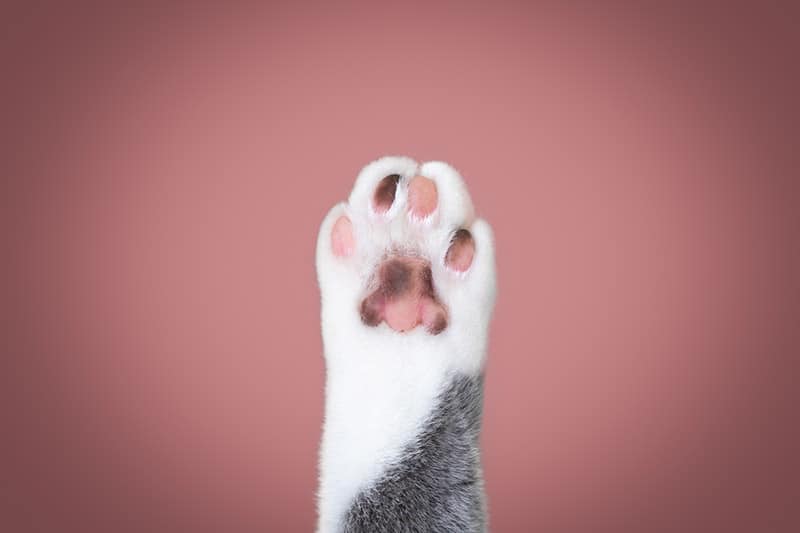
Paw pads come in different colors. Some are pink, others are black, and some are gray or even spotted. However, once a kitty is born, the color of their pads will not normally change; they will stay the same for the rest of their life. If the appearance of your cat’s paw pads changes, there is likely a reason for it that must be addressed. Here’s what you should know.

What Exactly Are Paw Pads?
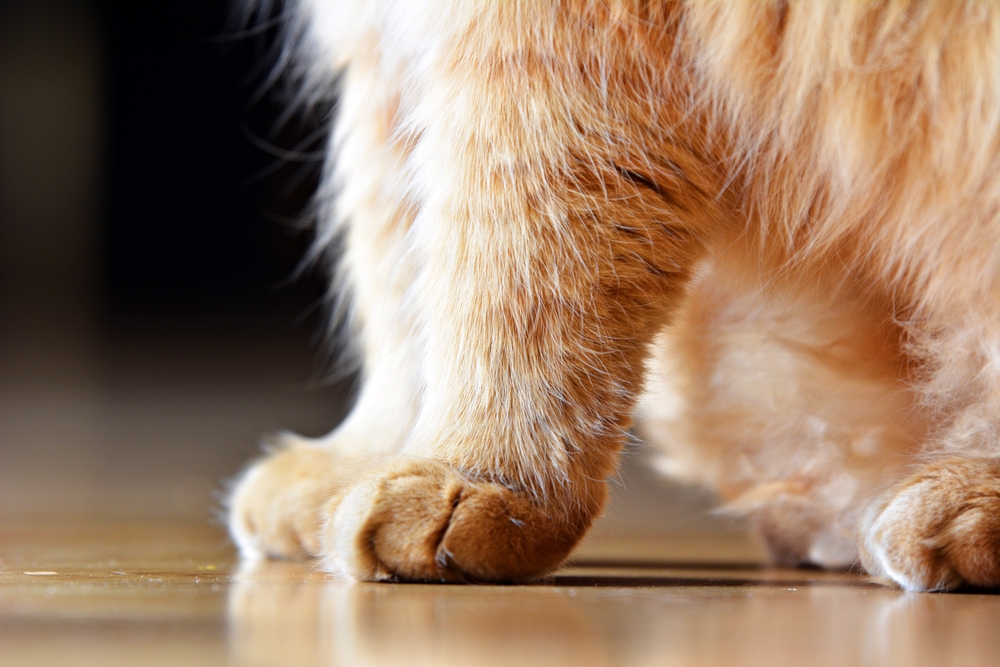
We know what paw pads look like, but what are they for? A cat’s paw pads are like the bottoms of our own feet. They are cushions of thick tissue that are tough to help withstand abrasions from the surfaces a cat walks on. Paw pads act as a shield between the harsh environment and the soft, delicate tissue of a cat's paw.
Every cat paw consists of separate digital pads, four on the back paws and five on the front (typically). They also have a bigger metacarpal/metatarsal pad that sits just behind the digital pads. Each pad is situated to help support the weight of a cat when they move around and provide cushioning and shock absorption. The front legs also have a carpal pad higher up the leg that is responsible for traction, assists with safe jumping, and aids in slowing down skidding motions. Paw pads are covered in skin that is pigmented in different colors, including white, pink, black, gray, and spotted.

What Purposes Do Cat Paw Pads Serve?
Besides shock absorption and protection, a cat’s paw pads serve many purposes. Another important job that they do is to help insulate the feet so a cat can withstand moderately hot and cold temperatures when outdoors. This is not to say that a cat’s paw pads cannot get burned or frostbitten, but the paw pads can withstand extreme weather conditions much better than the skin on the rest of the feet.
Paw pads also provide tactile information to cats so they can sense vibrations that could mean a predator or enemy is approaching and where they are approaching from. The pads also provide a cat with everything that they need to know about the surfaces that they are walking on. If a surface is sharp, hot or cold, or painful, a cat will avoid that surface and move elsewhere.
Why Would a Cat’s Paw Pads Change Color?
A cat’s paw pads should not change color during their life unless there is an underlying problem that forces the change. Here are the common reasons that a cat’s paw pads might change color and what can be done about it.

1. Injuries
Injuries can cause a cat’s paw pad color to change. These color changes usually come in the form of darker pink, red, purple, and black colors. Insect and animal bites, overgrown claws, and cuts from sharp objects and rough surfaces can all contribute to injuries that might change the color of a cat’s paw pads.
Sometimes, other signs of injury, such as limping and excessive licking of the paw or foot, are present. The treatment depends on the type of injury affecting the paw pad. If you suspect that your cat has injured their foot and/or paw, it’s important to schedule a checkup with your veterinarian as soon as possible.
2. Anemia
Anemia is a condition in which red blood cells in the body are insufficient either due to increased loss or decreased production. Red blood cells carry much-needed oxygen to all the tissues in the body. When a cat has anemia, their tongue and gums might become lighter or even white. They are likely to become lethargic, weak, and disinterested in food. Once your veterinarian determines the cause of anemia, they can develop and prescribe a treatment plan.
Another potential sign your cat is suffering from anemia is lightening of the paw pads. Pink pads can turn white, for example. Cats with naturally white paw pads that have anemia won’t be as visibly noticeable in the paw pads.
If you are concerned about the health and well-being of your pet, seek veterinary advice for the best course of action.
3. Vitiligo
Like humans, cats can develop vitiligo in their adult years, which is a rare yet harmless condition that’s considered to be hereditary. Vitiligo is the depigmentation of the skin, which includes the skin on cat paw pads. It’s thought that it develops when an animal’s body cannot properly produce melanin cells. Once it develops, it is not contagious.
Vitiligo can make a cat with black paw pads develop lilac, pink, or even white pads. The point is that dark-colored paw pads could turn lighter in color if the cat has vitiligo. Fortunately, this condition produces no pain or health problems and is simply cosmetic. Therefore, there is no need to worry about treating the condition.
4. Plasma Cell Pododermatitis
This rare condition is when the paw pads become inflamed with plasma cells, a regular component of the immune system. These plasma cells normally produce antibodies to fight infections. However, with plasma cell pododermatitis, plasma cells flood the foot pads often without a known infectious cause.
Signs of plasma cell pododermatitis include mushy, swollen paw pads and a pillowy pad shape. They may also change to a purplish color and be lame on that foot. Veterinarian-prescribed antibiotics are typically necessary for several months to help rid a cat of this potentially painful condition.
5. Cancers
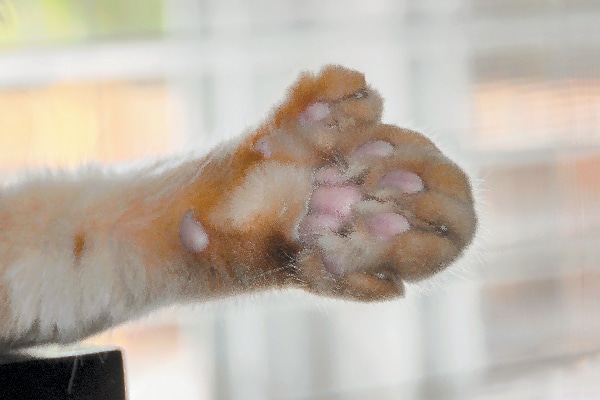
Some types of cancer can affect the foot and paw pads. The most common types are melanoma and squamous cell carcinoma. These may appear as raised, colored masses on the paw pads or other parts of the foot. Cats may limp or lick the foot excessively. If you notice any changes to your cat’s paw pad color or texture, see your veterinarian as soon as possible.
Final Thoughts
While a cat’s paw pads should stay the same color throughout their life, there are a few reasons that color changes might happen at some point. It is always a good idea to consult with a veterinarian to determine the cause of the color changes so it can be effectively and properly addressed. Sometimes, the changes can be reversible. Other times, the color changes indicate and can help diagnose health problems that may not have been noticed otherwise.
See Also:
Sources
Featured Image Credit: Jumnong, Shutterstock

Expert cat care, straight to your inbox
Vet-reviewed advice, behavior tips, and the best of Catster. Free, and you can unsubscribe anytime.
By signing up, you agree to our Terms & Conditions and Privacy & Cookies Policy.
Rachael has been a freelance writer since 2000, in which time she has had an opportunity to research and write about many different topics while working to master the art of fusing high-quality content with effective content marketing strategies. She is an artist at heart and loves to read, paint, and make jewelry in her spare time. As a vegan, Rachael is obsessed with helping animals in need both in her community and anywhere in the world where she feels she can make a difference. Animals also happen to be her favorite topic to write about! She lives off the grid in Hawaii with her husband, her garden, and her rescue animals including 5 dogs, a cat, a goat, and dozens of chickens.
Join the conversation
Ask a question, share your story, or send private feedback.