Does Diatomaceous Earth Kill Fleas on Cats? Vet-Reviewed Effectiveness & Safety


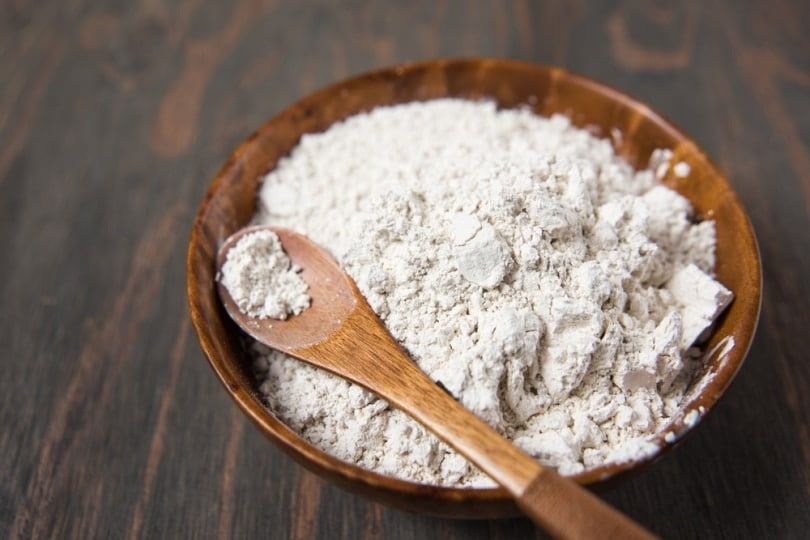
Diatomaceous earth—a powdery substance made from fossilized algae—is growing in popularity as a chemical-free pest control method. But is it safe for pets?
While diatomaceous earth is effective at killing fleas and can be used as part of an integrative flea removal treatment, it is not recommended to apply it directly over your cat’s coat. If used correctly, diatomaceous earth is one of the best ways to kill fleas and immature larval forms in difficult-to-access spaces. However, before you proceed with this option, talk to your veterinarian first if it is the best choice for your pet’s condition and overall health status.

Why Does Diatomaceous Earth Work?
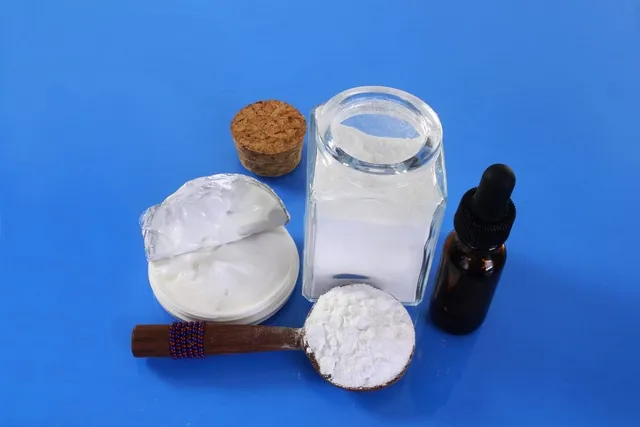
Diatomaceous earth is essentially powdered fossils. These tiny fossils have microscopic sharp edges that cut through the exoskeleton of fleas and other insects. Diatomaceous earth does just that—it gets beneath fleas’ exoskeletons and dries them out, killing them. Because it works by dehydrating pests, it is called a mechanical killer, meaning that pests can't build up immunity. Keep in mind that while Diatomaceous earth can kill larva and adult fleas, it does not affect fleas' eggs, or pupae, so more than one application will be needed in conjunction with your cat’s treatment to break the cycle.
Food-grade diatomaceous earth also won't cause harm to cats, dogs, or people if a little bit gets ingested. As you know, your cat will lick off anything that gets stuck to their paws or coat, so we can’t stress enough how incredibly important this detail is.

Safety and Risks
All that sounds pretty good, so it's not a surprise that many people are turning to diatomaceous earth for their pest control problems. However, there are some things to keep in mind when you're deciding if it's the best option for you.
First, although diatomaceous earth is not poisonous, it is very irritating and does have some considerable health risks if you breathe it in. For that reason, it's best to avoid putting it on your cat. As an added precaution, if your cat has asthma or other respiratory problems, you should avoid using diatomaceous earth in general. And you should definitely be wearing a mask when applying it.
Diatomaceous earth can also be harmful to pets, as it will also mechanically dry and irritate their skin.
Not all diatomaceous earth is created equal! It is very important to make sure you are buying only food-grade diatomaceous earth for flea control. There are three types of diatomaceous earth: food grade, feed or livestock grade, and industrial grade. Food-grade diatomaceous earth is the only type that is tested for heavy metals to make sure that they are at safe levels. Food-grade is also the only kind of diatomaceous earth that is safe enough to be edible. Industrial-grade diatomaceous earth is especially dangerous because it has extra sharp crystals that can be dangerous to your pet.
How to Use Diatomaceous Earth
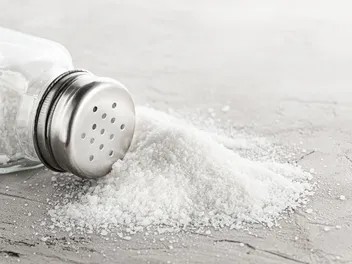
If you’ve decided to use diatomaceous earth to help you get rid of a flea infestation, applying it is easy. Put your pet somewhere else and wear a protection mask. Use a shaker or something similar so you can sprinkle a light coating over the difficult-to-reach areas where these pesky critters hide. You might want to do this on a rotation and use the shaker to dust over your carpets, floors, and furniture wherever you think that fleas or flea eggs might be located.
Pay special attention to your cat's favorite resting places. You can also use a slightly heavier dusting outside to kill any fleas in your yard. Note that diatomaceous earth only works when dry, so if you live in a very humid environment or try to apply it on a rainy day, it won’t be effective.
Leave the diatomaceous earth in place for at least 24 hours (preferably closer to 48) so that it can kill any fleas and eggs. It is better not to allow your pets access to the treated areas during this time. The product excess can be vacuumed away from carpets or areas where your cat likes to hang out.

Last Thoughts
It’s no wonder that fans of diatomaceous earth sing its praises! It is a relatively safe and highly effective part of a flea extermination treatment. That makes it a great choice for owners who prefer to keep a pesticide or harsh chemical-free home. Just make sure to buy food-grade diatomaceous earth and apply it properly to minimize risk to you and your cat. While it is generally safe, consult your veterinarian first to see if it is a good choice for your pet.
Related Reads:
Does Febreze Kill Fleas on Cats Safely? Vet Approved Fact & FAQ
Does Cornstarch Kill Fleas on Cats? Vet Approved Facts & FAQ
Featured Image Credit: Anna Hoychuk, Shutterstock
Expert cat care, straight to your inbox
News, insights, and useful advice, delivered to you.

No spam — unsubscribe anytime.
By signing up, you agree to our Terms & Conditions and Privacy & Cookies Policy.
How useful was this post?
Click a star to rate. You can leave written feedback afterwards. (We read all feedback.)
Chelsea Flake Mortensen is a writer with a passion for cats. Growing up, she spent quite a bit of time around cats, along with a variety of other interesting pets. Chelsea holds a BA in English and Creative Writing from Brigham Young University.