Get

In Your Inbox

Catster is reader-supported. When you buy via links on our site, we may earn an affiliate commission at no cost to you. Learn more.

Does Cornstarch Kill Fleas on Cats? Vet Reviewed Effectiveness & Alternatives

Share

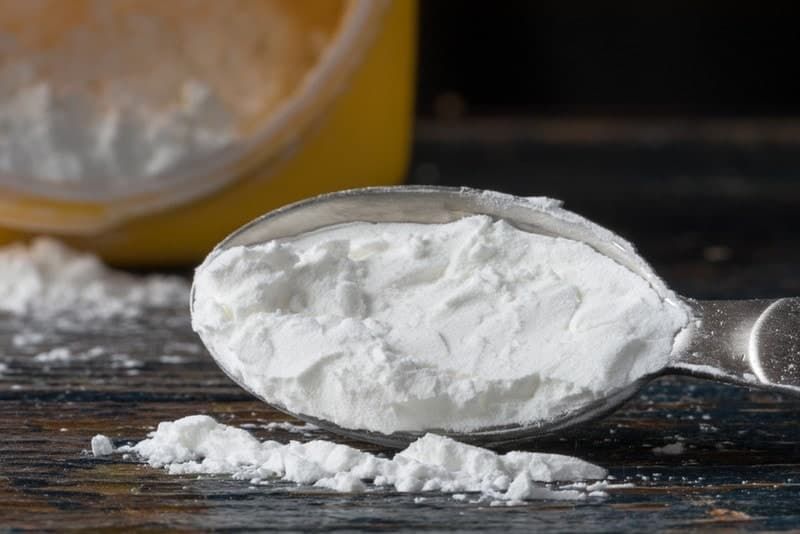
Cornstarch in a spoon

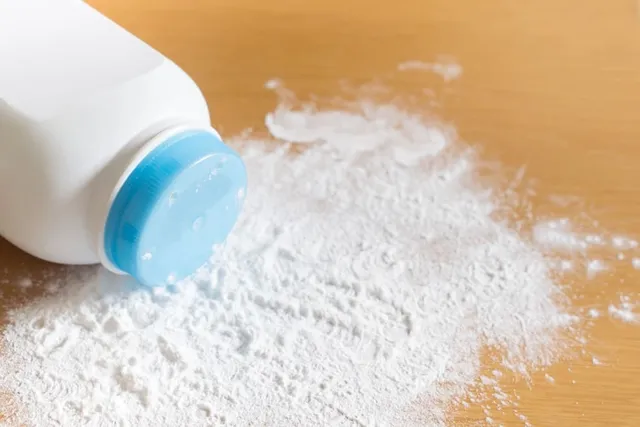
Preventative flea and tick medications are highly effective at eliminating these pests, but some owners prefer “natural” home remedies to keep fleas and ticks away. Cornstarch is a fairly common and popular method, along with other powders, but cornstarch is not effective in killing fleas on cats.

Read on below to find out more.

divider 1 paws

What Is Cornstarch?

Cornstarch is a common ingredient made from the starchy portion of corn kernels, the endosperm. It’s used in cooking and baking to thicken gravies, sauces, marinades, and soups.

It’s also gained a reputation for being a multipurpose ingredient that can be used around the house for everything from deodorizing to wound care. Unfortunately, very little scientific research backs up any of the claims about cornstarch as a natural remedy, especially when it comes to flea treatment and prevention.

cornstarch in a bowl beside a corn
Image Credit: Halil Ibrahim Mescioglu, Shutterstock

Can Cornstarch Kill Fleas?

No, there’s no evidence that cornstarch can kill fleas. It’s one of many purported home remedies for flea prevention, including diatomaceous earth and apple cider vinegar, but none of these options have proven effective at all, let alone as effective as vet-approved methods.

Though cornstarch is generally safe, it offers no benefits as a flea preventative for your cat—not as a topical remedy or as a treatment for your cat’s bedding, furniture, or in your household. And there’s no evidence, anecdotal or otherwise, to suggest that cornstarch is a remedy for ticks, which are another issue for domestic cats.

Do Cats Need Flea and Tick Prevention?

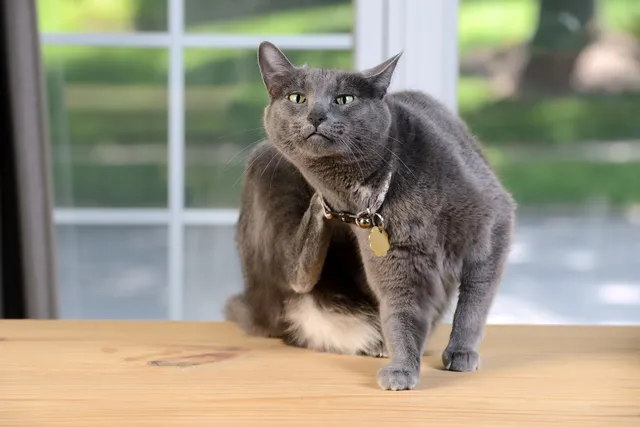
Flea and tick infestations are one of the most common issues for pets, including cats. Though some owners believe that indoor cats don’t need monthly flea and tick preventative medication, it is essential to your cat’s health.

These parasites are ectoparasites, which means they live on the outside of the host animal. Both fleas and ticks survive on blood from the host—your cat—and leave tiny bites and saliva behind. This saliva can trigger allergies, infection, dermatitis, itching, and in severe cases, anemia, abscesses, paralysis, or death.

In cats, fleas and ticks can transmit potentially life-threatening diseases, including:
  • Lyme disease
  • Bartonellosis
  • Rocky Mountain spotted fever
  • Anaplasmosis
  • Babesiosis
  • Tapeworms

To make matters worse, some of these diseases are zoonotic diseases, which means they can be transmitted from cats to humans.

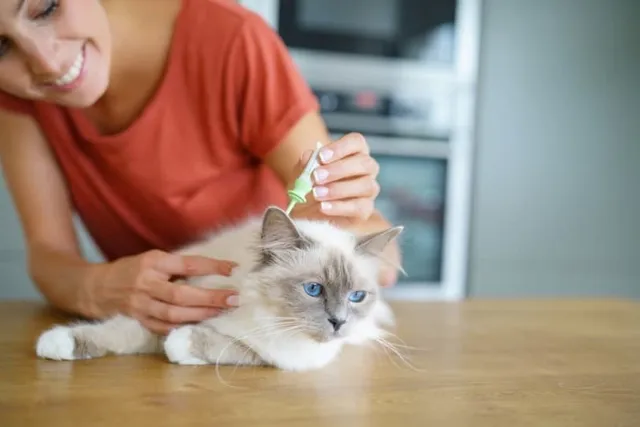
applying flea treatment to cat
Image Credit: Csaba Deli, Shutterstock

divider 1 paws

What Flea and Tick Preventatives Are Available for Cats?

Medications for flea and tick prevention have come a long way. You can get repellants, dips, baths, topical preventatives, and oral preventatives, all of which address specific species and different stages of the parasite life cycle.

Though preventatives are available for both cats and dogs, they’re not interchangeable. Some preventatives are only suitable for dogs and may be toxic to cats, so don’t share medication amongst your pets.

Some preventatives are available at pet stores or livestock supply stores, but these aren’t a good choice for your cat. It’s important to discuss parasite prevention with your vet to explore your options, consider any possible adverse reactions with different medications, and choose the appropriate product for your cat.

divider 1 paws

Conclusion

Cornstarch is one of many home remedies that provide a “natural” solution to flea and tick control. Unfortunately, it’s not effective on fleas or ticks, leaving your cat (and you) susceptible to health conditions that can be spread by these tiny pests.

Instead of taking a chance with natural alternatives, work with your vet to find a flea and tick preventative that’s appropriate for your cat and provides reliable pest protection.

See Also: 


Featured Image Credit: Michelle Lee Photography, Shutterstock

Want content like this delivered to you?

Sign Up For Our Newsletter

News, insights, expert advice, and everything cat

* By submitting, you agree to our Terms & Conditions and Privacy & Cookies Policy.


How useful was this post?

Click on a star to rate (you can leave written feedback after clicking submit)

Help us improve Catster for pet parents!

Your feedback really matters.

What did you like about this post? Also how can we improve it?

Join the conversation

Leave a Reply

You’re very welcome to leave a comment or question. Please know that all comments must meet our community guidelines, and your email address will NOT be published. Let’s have a positive and constructive conversation.


Catster's Digital Magazine is Back!

Vet-approved health & behavior advice

Real cat stories & community features

Ask Dr. Paola – My Cat Loves Eating Grass, But It Makes Her Vomit! (June 29, 2026)

Welcome to our “Ask Dr. Paola” series, where every Monday we bring expert advice straight from Dr. Paola Cuevas (MVZ) to help our...

Learning to Speak Cat with Anthony Smith

Many cat lovers know me through Learn to Speak Cat and Cattitude – Doggonit, cartoons that explore the often mysterious, occasionally mischievous, and...

Weird Cat Behaviors That Actually Make Perfect Sense

We have been sharing our lives with cats for thousands of years, yet we still find ourselves genuinely stumped by what they get...

The Dream of Talking to Cats Just Got Closer to Becoming a Reality

If you’ve ever wished your cat could simply tell you what they wanted, you’re not alone. From the meow that wakes you before...

More related

Ask Dr. Paola – Help! My Cat Suddenly Has Dandruff! (March 30, 2026)

Welcome to our “Ask Dr. Paola” series, where every Monday we bring expert advice straight from Dr. Paola Cuevas (MVZ) to help our...

Why Is My Cat Obsessed With the Toilet? 6 Possible Reasons

Seasoned cat owners know our feline friends are prone to unique behaviors and quirky habits. One of the most puzzling cat fascinations you...

Why 2026 Is Being Called the “Year of the Cat”

Cats Are Finally Getting the Attention They Deserve Cats are having a major cultural moment, and the numbers help explain why. According to...

How to Use a Flea Comb on a Cat: 4 Vet-Reviewed Steps

Cats are wonderful pets and generally don’t require much help from humans in the grooming and self-care department. However, our feline companions sometimes...

Keep reading

My Cat Doesn’t Chew His Food: Vet-Reviewed Concerns & FAQ

While it’s important for humans to thoroughly chew our food before swallowing, for many other mammals—cats included—this is not usually the case. Humans eat a wide variety of different foods, from tough plants, seeds, and nuts that need to be...

cat after eating food from a plate

Rare Cannabinoid Company Hawaiian Choice Pet CBD Oil Review 2026: A Detailed Look

By now you’ve no doubt heard about the benefits of CBD for humans. You’ve probably also heard that this hemp product can be beneficial for dogs. But what about cats? Believe it or not, all mammals (and most other animals,...

Rare Cannabinoid CBD Pet Oil

How to Tell if Your Cat Has Separation Anxiety: 8 Vet-Reviewed Signs to Look For

You may have heard about dogs having separation anxiety, but this condition can affect cats, too. If you’re wondering if cats can have separation anxiety, they can. While cats may seem more aloof than dogs and not appear to be...

man hugging a cat

Skoon Cat Litter Review 2026: Recalls, Pros & Cons

Skoon Cat Litter is a brand of non-clumping cat litter that’s made with diatom pebbles, which is more environmentally friendly than other litter options. Diatom pebbles are also especially absorbent and porous, helping Skoon litter control odors and remain virtually...

Skoon Cat Litter Review

My Cat Keeps Walking Away From Her Kittens, Is It Normal? Vet-Approved Reasons & Facts

Kittens are challenging for queens and their owners. When they’re small, kittens are vulnerable to many dangers, such as not eating enough, getting too cold, and getting sick, so it’s common for us to worry about them! Newborn kittens are...

American shorthair cat kitten sitting

How Long Do Cats Live? Feline Lifespan Facts Explained (Vet Approved)

We’ve all heard that cats have nine lives. But how much of that is actually true? Do cats seem to escape brushes with death regularly? If the cat lives an expected average of years, how long is that usually? According...

Silver Tabby Norwegian Forest Cat

Can Cats Eat Dill? Vet-Reviewed Facts & FAQ

Are you looking for a cheap and effective treat for your cat? Or are you worried because you just caught your cat chowing down on your dill plant? Either way, you’ve come to the right place. Dill is safe for...

Can Cats Eat Dill

The 6 Best Freeze-Dried Cat Foods of 2026 – Vet-Verified Reviews & Top Picks

Freeze-dried cat food is the easiest way to feed your pet a natural raw diet that reflects what a cat would eat in the wild. Commercial wet or dry foods often contain extra carbohydrate-based fillers that provide bulk and calories...

cat eating food

Love Cats? So Do We! Join the Catster Community

Stay informed with expert pet care insights delivered straight to your inbox! Discover professional guidance on animal behavior, feeding tips, trusted product picks, and much more.


Sign up for the Catster Email Newsletter

Stay informed with expert pet care insights delivered straight to your inbox! Discover professional guidance on animal behavior, feeding tips, trusted product picks, and much more.