Get

In Your Inbox

Catster is reader-supported. When you buy via links on our site, we may earn an affiliate commission at no cost to you. Learn more.

Is Cancer Common in Cats? Our Vet Explains

Share

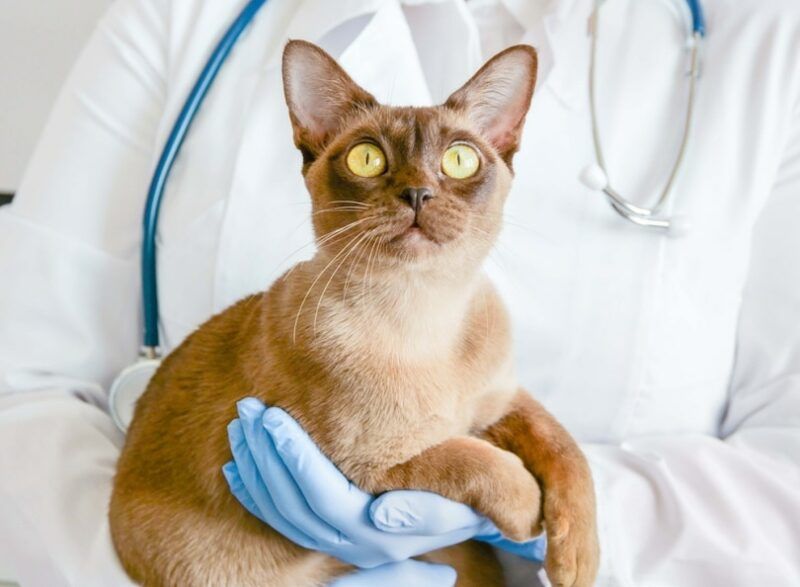
vet holding burma cat

Unfortunately, cats can get cancer, just like every other species, humans and animals alike. Like in people, cancer in cats is less common in younger cats and more common as cats get older, especially after the age of 10 years.

There are two main types of cancerous growths: malignant, which means the cancer tends to be invasive or cause negative impacts on the body, and benign, which represents a growth that may not be normal but tends to be non-invasive and generally not harmful to the individual.

Generally, cancer is one of the top 10 diseases seen in cats over the age of 10 years. There are a variety of different types, and understanding the common ones is a good starting point for further education. So, let’s take a look at them.

divider 2 cats

Lymphoma

This is a cancer that most often affects the gastrointestinal tract, which means the stomach or the intestines. It can be of varying severity. For instance, low-grade lymphoma can be responsive to a few different medications and therapies, though not indefinitely. High-grade, or more malignant, lymphoma can require intensive treatment and not be very responsive to treatment at all.

Other treatment options might include vitamin supplements (in particular, B12) or probiotics. A vet can discuss how these may play a role in your cat’s therapy.

If you have a question about your cat's health or behavior, why not Ask a Vet for Free with Catster. Our veterinary team answers reader questions and provides trusted advice to help you better understand your cat.

askavet on catster

Skin Cancers

Skin cancer in cats may not be the most common cancer, but it is common enough—especially in sunny environments—that it is worth knowing about.

Squamous cell carcinomas arise predominantly from sun exposure and are therefore more common in areas where cats, especially white or light-coated cats, get lots of sun exposure.

Mast cell tumors are another common form of skin cancer in cats. These cells are normally found in the feline skin but can cause issues like itching or act like growths or masses, particularly around the face and trunk/arms of the body.

Many mast cell tumors in cats are benign, but some can cause widespread issues, so it is best to identify them early.

Skin disease in a cat
Image Credit by: Vlamin, Shutterstock

Kidney Cancer

This is not always a common issue in cats, but since felines are prone to kidney issues in general, it is one to be aware of.

The most common feline kidney cancer is lymphoma, which often presents with one kidney being larger than the other. This then impacts the kidney function. In general, this is one of the more difficult feline cancers to treat.

Fatty Cancers — Lipomas

Although fatty cancer, or lipomas, fall under the term of a cancer, they are generally growths of fat that cause no concern. These tend to be more common in dogs but are certainly seen in cats, especially as they age.

Lung Cancer

Lung cancer in cats can be quite severe and often presents with very little warning. Some cats show signs of coughing, while other cats show weight loss.

Many cats show no clinical signs at all, and the lung cancer is captured on X-rays that are performed entirely for other reasons. Some of these cancers can, therefore, take a long time to actually cause illness. In general, they are difficult to treat.

vet doctor examining cat in x-ray room
Image Credit by: PRESSLAB, Shutterstock

Oral (Mouth) Cancer

Oral cancers in cats seem to be increasing, though they generally cause issues in older cats. The cancers in the mouth tend to be very invasive, even into the bone of the jaw, and often cause severe pain for cats.

Young cats can develop cancer related to viruses. The likelihood of this depends on the geographic location of the cat, as well as their prior history. Outdoor cats, especially those in areas where vaccination is not common, are more likely to develop these issues. Feline leukemia virus is a prime example of a virus causing cancer, particularly in the lymph tissue, of young cats.

What Are Signs My Cat Has Cancer?

Common clinical signs in cats with cancer include:

  • Weight loss
  • Loss or decrease in appetite
  • Drooling
  • Vomiting
  • Decrease in activity/lethargy
  • Bad breath

divider 2 cats

Conclusion

No one ever wants to hear that their cat has cancer. But with regular vet check-ups to monitor weight and get a good physical exam, you can stay on top of your cat’s health.

Many cancers can be detected early, which gives your cat a better chance of fighting them. Cancer is something that can surprisingly be detected earlier than most pet owners appreciate. So, being proactive, getting your cat an exam, and sharing any concerns with your vet are great options that go a long way in keeping your cat healthy!

See Also:


Featured Image Credit: Elpisterra, Shutterstock

Want content like this delivered to you?

Sign Up For Our Newsletter

News, insights, expert advice, and everything cat

* By submitting, you agree to our Terms & Conditions and Privacy & Cookies Policy.


How useful was this post?

Click on a star to rate (you can leave written feedback after clicking submit)

Help us improve Catster for pet parents!

Your feedback really matters.

What did you like about this post? Also how can we improve it?

Join the conversation

Leave a Reply

You’re very welcome to leave a comment or question. Please know that all comments must meet our community guidelines, and your email address will NOT be published. Let’s have a positive and constructive conversation.


Catster's Digital Magazine is Back!

Vet-approved health & behavior advice

Real cat stories & community features

Ask Dr. Paola – My Cat Loves Eating Grass, But It Makes Her Vomit! (June 29, 2026)

Welcome to our “Ask Dr. Paola” series, where every Monday we bring expert advice straight from Dr. Paola Cuevas (MVZ) to help our...

Learning to Speak Cat with Anthony Smith

Many cat lovers know me through Learn to Speak Cat and Cattitude – Doggonit, cartoons that explore the often mysterious, occasionally mischievous, and...

Weird Cat Behaviors That Actually Make Perfect Sense

We have been sharing our lives with cats for thousands of years, yet we still find ourselves genuinely stumped by what they get...

The Dream of Talking to Cats Just Got Closer to Becoming a Reality

If you’ve ever wished your cat could simply tell you what they wanted, you’re not alone. From the meow that wakes you before...

More related

Is Chamomile Poisonous to Cats? Vet Approved Facts & FAQ

Many cats love to explore the great outdoors—stalking mice, or hiding among the flowers and shrubs of your garden, nibbling away at any...

9 Best Medication for Cat Allergies (2026) – Reviews & Top Picks

Allergies occur when the immune system is sensitive to a particular substance. The allergens may not affect your other pets, you, or human...

8 Best Cat Beds in 2026 – Reviews & Top Picks

Cats take legendary naps. As crepuscular creatures, they’re likely to “cat nap” through most of the day and then become active around the...

Oneisall Review 2026: Our Vet’s Expert Opinion (Cat Water Fountain, Automatic Feeder & Air Purifier)

When your cats are as spoiled as mine are, you’re always on the lookout for new and interesting ways to improve their health...

Keep reading

How to Treat a Cat’s Broken Nail: Vet-Approved Care Tips & FAQ

Cats are curious creatures and sometimes get into accidents, which can lead to injuries like a broken nail. If your cat has injured its nail, it’s important to know how to properly treat the wound in order to help your...

Vet looking for swelling in cat paws, pododermatitis prevention, health checkup

Sphynx Cat Health Problems: 6 Vet-Reviewed Issues

Sphynx cats first came about in the 1960s as a result of a genetic mutation. Ever since cat owners have been in love with the unique look and personable nature of the hairless breed. Like other purebred cats, Sphynx cats...

Catster_Health Problems of Sphynx

Can Cats Produce Tears? Vet Approved Facts

When you think of your cat being able to produce tears, what you really might be asking is can cats cry? After all, when we see a very emotional movie or have a tragic event happen to us in our...

close up of cat with eye discharge

How Far Apart Can Kittens Be Born? Vet Verified Facts

The amount of time a cat is in labor varies, but most kittens can be born between minutes to about an hour apart. Sometimes, mother cats can go into interrupted labor and stop straining between 24 to 36 hours before...

mother cat and its kittens

What Do Cats Like to Eat for Breakfast? 6 Vet-Approved Food Choices

What cats eat for breakfast is usually what they eat during the rest of the day. But if you’re uncertain whether your cat is enjoying their breakfast or you’re just looking to switch things up, you can try a few...

What Do Cats Like to Eat for Breakfast

Can Cats Eat Palm Leaves? Vet-Approved Facts & FAQ

Palms are common plants that are easy to care for and pleasing to the eye. They are distinguished by their large leaves, known as fronds, that give off a tropical vibe. Palm plants are used to decorate home and office...

Can Cats Eat Palm Leaves

Can a Cat Overheat? Vet Approved Signs & How to Help Them

Due to their desert-dwelling ancestors, cats are often believed to not be affected by hot weather. While their normal body temperature is higher than our own—101.0°F to 102.5°F—cats are no better at handling overly hot weather than humans are. Cats...

cat stretching a rocky beach and a beautiful sunset over the ocean

How to Train a Cat Not to Bite: 8 Vet-Approved Tips & Tricks

Is your cat constantly biting you? You are not alone. The behavior is typical for kittens and adult cats, but they do it for different reasons. Adult cat bites are painful and potentially dangerous, but bites from kittens shouldn’t be...

a young tabby cat bites a womans feet

Love Cats? So Do We! Join the Catster Community

Stay informed with expert pet care insights delivered straight to your inbox! Discover professional guidance on animal behavior, feeding tips, trusted product picks, and much more.


Sign up for the Catster Email Newsletter

Stay informed with expert pet care insights delivered straight to your inbox! Discover professional guidance on animal behavior, feeding tips, trusted product picks, and much more.