Mouth Cancer in Cats: Vet-Reviewed Signs & When to Euthanize


One of the most difficult parts of pet ownership is making end-of-life decisions. Knowing when to euthanize a beloved animal companion is never easy, and there’s no right answer for every situation. Personally, I’ve had to make that choice three times, and for each pet, my reasoning was different.
Unfortunately, some medical conditions don’t leave you much time to decide, and mouth cancer in cats is often one of them. Mouth cancer typically impacts the cat’s ability to eat and breathe as it progresses, and it’s generally time to euthanize once that happens. In this article, we’ll discuss some specifics about mouth cancer in cats and factors that may impact when to euthanize.

Mouth Cancer in Cats: The Basics
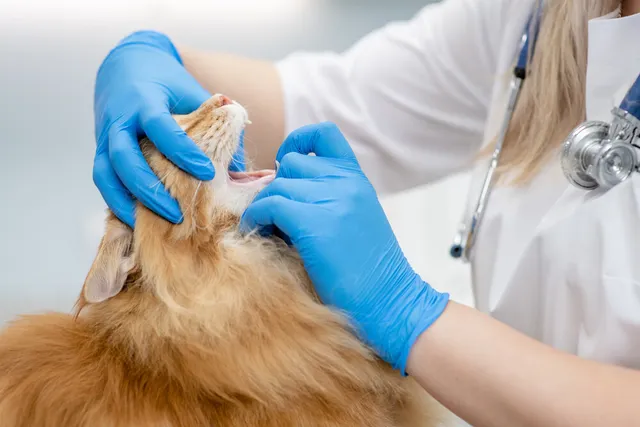
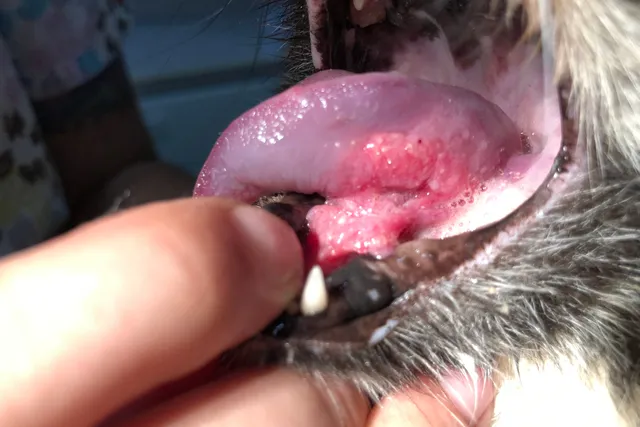
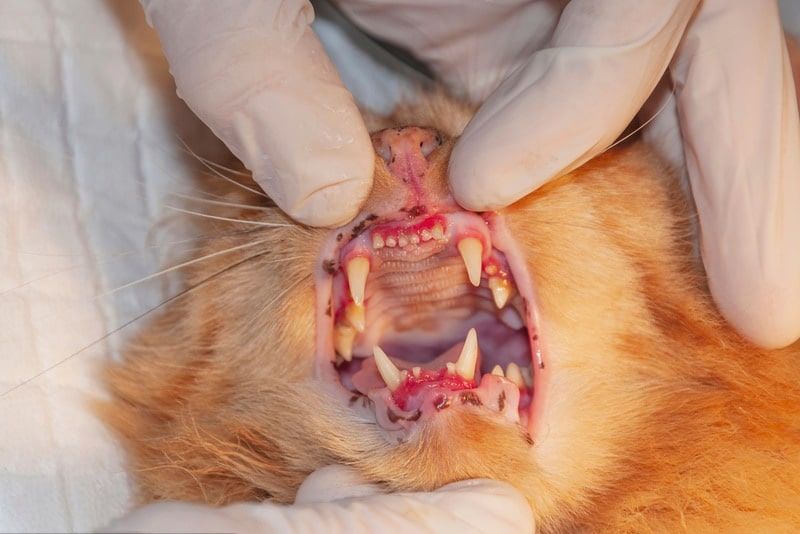
The most common type of mouth cancer in cats is a tumor called oral squamous cell carcinoma.1 This tumor is typically found in older cats and grows from the gums or under the tongue, eventually infiltrating the bones of the jaw. Unfortunately, because of the location of this cancer and a cat’s tendency to hide illness, these tumors are rarely found early enough for successful treatment.
Signs of mouth cancer in cats include:
- Difficulty eating
- Weight loss
- Painful mouth
- Blood from the mouth
- Bad breath
- Face or jaw swelling
- Loose teeth
Possible treatments for mouth cancer in cats include surgery, chemotherapy, or radiation. Even with treatment, this cancer typically has a bad prognosis and progresses quickly. Owners may choose just to keep their cat comfortable until it’s time to euthanize.
If your cat shows signs of the symptoms above or you suspect they might be suffering from underlying health issues, you should contact your vet.
Factors That May Impact When to Euthanize a Cat With Mouth Cancer
If a cat with mouth cancer is reluctant or unable to eat, a feeding tube may be an option for some owners, especially if treatment such as radiotherapy is going to be pursued. Your vet can discuss the pros and cons of using a feeding tube. Feeding tubes allow you to get medications, food, and water into your cat without touching its painful mouth.
Keeping your cat fed and comfortable may keep their quality of life acceptable longer before it’s time to euthanize them. However, it’s essential to remember that if your cat isn’t eating, it’s most likely because they’re in pain. Even if the feeding tube can technically prolong their life, you’ll need to consider the quality of that time too.
Depending on the tumor’s location, mouth cancer may eventually disrupt your cat’s breathing. Once that happens, there’s typically little you can do to fix it, and your decision to euthanize may become more apparent.

Evaluating Your Cat’s Quality of Life
For any decision to euthanize, the timing typically comes down to evaluating the pet’s quality of life. Is your cat still engaged and interested in their daily routine and interacting with you? This evaluation will be different for each owner.
Veterinarians have also developed an end-of-life scale using numbers that may help some owners make their decision. This scale looks at seven categories, including pain, nutrition, cleanliness, ability to move around, and how the pet interacts and responds to the owner. Owners score each category on a scale of 1-10, with an overall score over 35 indicating an acceptable quality of life.
Once a cat has more bad days than good, it’s probably time to discuss euthanasia with your vet. This numbers system won’t work for every owner, but it does offer an objective way to help evaluate your cat’s quality of life if you’re struggling to make your final decision.

Conclusion
Mouth cancer in cats is typically a fast-moving disease that quickly affects functions like eating and breathing. Because of that, knowing when to euthanize a cat with mouth cancer can be more straightforward than other medical conditions, but that doesn’t make the choice any easier. If you’re like me, you’ll struggle with knowing when to euthanize, and when you do make the decision, you’ll probably second-guess yourself too.
These feelings are normal, even though you may know in your heart that you made the kindest choice for your painful cat. Ask your veterinarian about support resources or groups if you are struggling. Knowing you aren’t the only pet owner who feels the same way can be helpful as you work through your grief.
See also:
Sources
Featured Image Credit: mojahata, Shutterstock
Expert cat care, straight to your inbox
News, insights, and useful advice, delivered to you.

No spam — unsubscribe anytime.
By signing up, you agree to our Terms & Conditions and Privacy & Cookies Policy.
How useful was this post?
Click a star to rate. You can leave written feedback afterwards. (We read all feedback.)
Elizabeth Gray is a lifelong lover of all creatures great and small. She got her first cat at 5 years old and at 14, she started working for her local veterinarian. Elizabeth spent more than 20 years working as a veterinary nurse before stepping away to become a stay-at-home mom to her daughter. Now, she is excited to share her hard-earned knowledge (literally--she has scars) with our readers. Elizabeth lives in Iowa with her family, including her two fur kids, Linnard, a husky mix and Algernon, the worldʻs most patient cat. When not writing, she enjoys reading, watching all sports, and spending time outdoors with her family.