Get

In Your Inbox

Catster is reader-supported. When you buy via links on our site, we may earn an affiliate commission at no cost to you. Learn more.

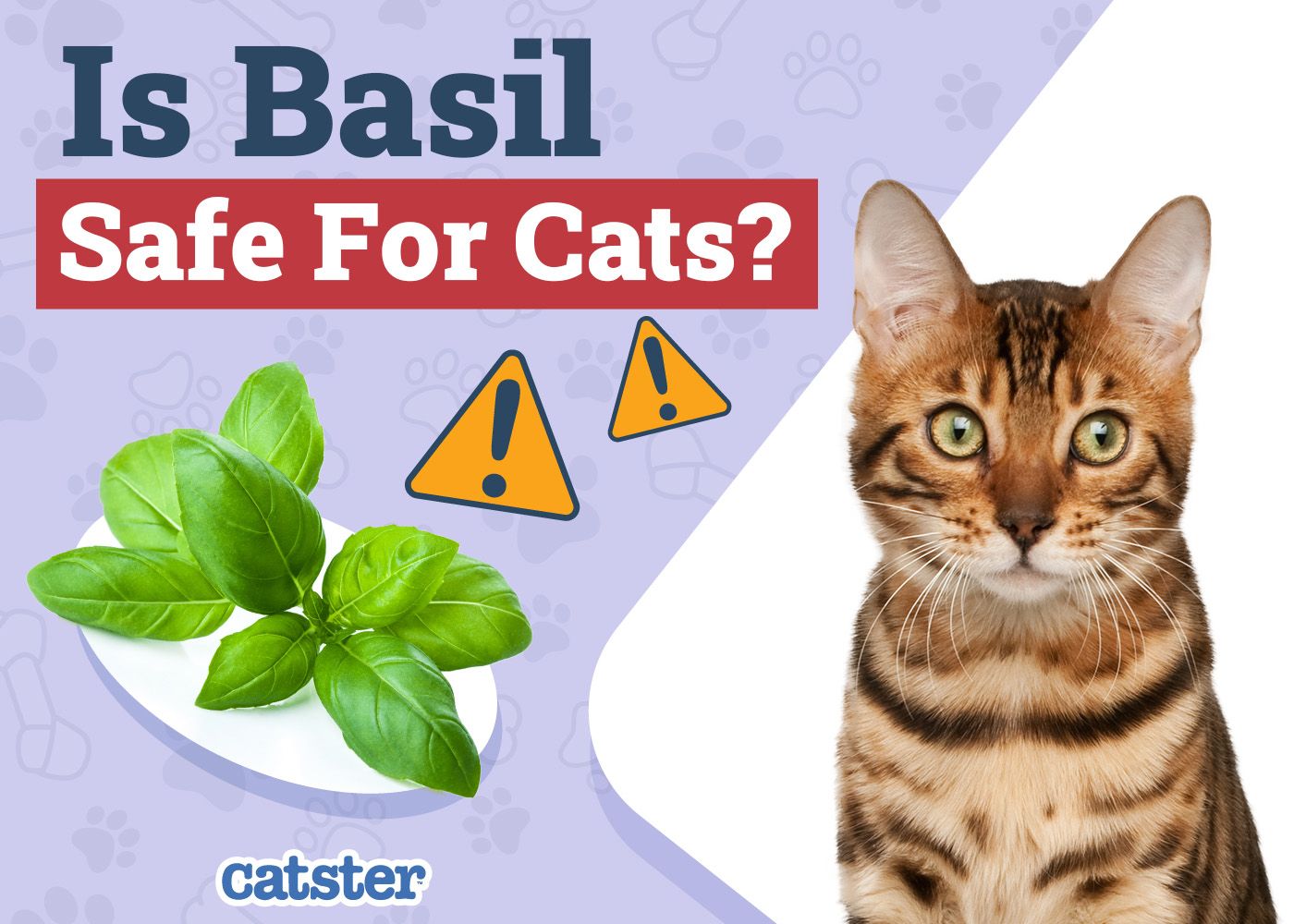
Is Basil Safe for Cats? Vet-Verified Nutritional Facts & Safety Guide

Share

Catster_Is Basil Safe for Cats

Basil (Ocimum basilicum), also known as sweet basil, is a member of the mint family. It is native to India but grown across the world, especially as a culinary herb. It is used heavily in Italian cooking and is the basis of pesto. It’s regularly used to spice up pizzas and is cooked as an accompaniment for fish, pasta, and meat dishes. It is also known to contain antioxidants like lutein and beta-carotene, which can protect your body’s cells.

Basil is considered healthy for human consumption, but is it good for our feline friends, or is basil safe for cats? Basil is not considered poisonous or toxic for cats. It is safe for cats to consume basil, though it is worth noting that this member of the mint family is considered unappealing to most cats.

divider 1 paws

Can Cats Eat Basil?

bowl of basil
Image Credit: Pixabay

Although basil is not toxic to cats, it doesn’t really offer any nutritional benefit to them either, so there is no benefit to feeding this culinary ingredient to your pet cat.

Cats are obligate carnivores, which means that they need to eat meat and that they do not gain a lot of benefit from eating many plant-based foods.

Since basil is safe for cats you don’t need to worry if they steal a little bit from the pot or your plate, there is no known benefit to feeding it to them.

divider 1 paws

Other Herbs That Are Safe for Cats

Cats can eat basil but there aren’t too many herbs that are considered beneficial for your cat, as cats require a meat-based diet. That said, here are some herbs that are safe for cats and that may offer some benefits.

Please note that if you are planning to give any herbal supplement to your cat, you should always consult with a vet first.

If you need to speak with a vet but can't get to one, head over to PangoVet. It's an online service where you can talk to a vet online and get the advice you need for your pet — all at an affordable price!

PangoVet_Mention-in-Content for PangoVet2 save money

Not all herbs are safe for cats, and certain preparations may contain plant extracts that are toxic to your pet.

1. Valerian

valerian plant
Image Credit: DEZALB, Pixabay

Valerian (Valeriana officinalis) is a large plant with white flowers. The root of this plant is sometimes used in cat toys as an alternative to catnip. It is a potent stimulant for cats, and it can make them feel euphoric. For people, it can have quite a different effect, and the smell of valerian root has been likened to that of body odor.


2. Witch Hazel

witch-hazel
Image Credit: manfredrichter, Pixabay

Witch hazel (Hammamelis virginiana) is an anti-inflammatory that can be used in people to help alleviate the itching and irritation that is caused by allergies. It enjoys a similar use in cats, too, and can help reduce itching and even be used to combat feline acne. It should be diluted and should be sprayed or rubbed on the area. It should not be fed to your cat.


3. Echinacea

echinacea
Image Credit: matthiasboeckel, Pixabay

Echinacea is another herb that can benefit humans and their feline friends. This particular herb is useful because it helps strengthen the immune system so it can help prevent your cat from getting ill. It can be bought as a cat supplement.


4. Licorice

licorice
Image Credit: gokalpiscan, Pixabay

Licorice root (Glycyrrhiza glabra) is another herb that like witch hazel, can be used to alleviate the itching and skin inflammation caused by allergies. It can also help beat the signs of a cold, as well as digestive issues.


5. Cat’s Claw

cat's claw
Image Credit: Dirgon, Pixabay

Cat’s claw (Uncaria tomentosa) is a supplement that comes from a tropical vine. It can fight allergies and allergic reactions, fights and prevents disease by modulating the immune system, and is another herb that may help improve your cat’s digestion and digestive system.


6. Catnip

potted catnip plant
Image credit: Ilia Baksheev, Shutterstock

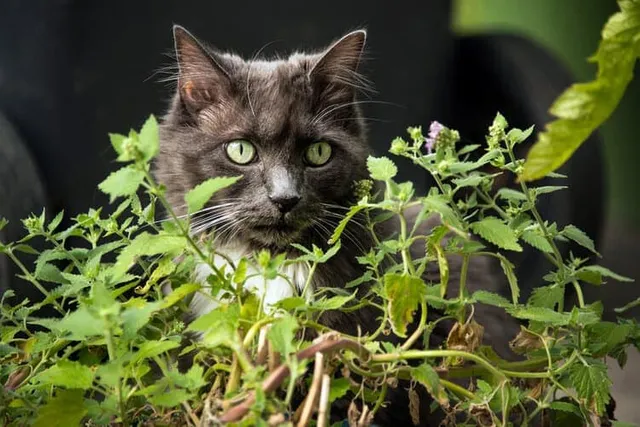
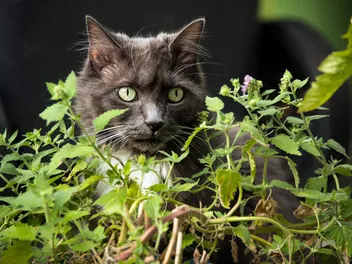
The benefits and effects of catnip (Nepeta cataria) are well known. It is a stimulant and a member of the mint family like basil, but it contains the compound nepetalactone, which can drive your cat wild. Not all cats react to catnip, but you will know if this is the case with your cat. Too much catnip can induce vomiting and diarrhea, so consumption should always be moderated.

divider 1 paws

What Herbs Are Dangerous for Cats

Not all herbs are safe or beneficial for cats. You should avoid growing the following if your cat tends to eat as a means of investigating, and you should keep an eye on your feline friend if they have wolfed any of these ingredients down.

1. Garlic

garlic
Image Credit: stevepb, Pixabay

Garlic is one of the better-known toxins for cats and dogs. Onions and chives are also members of the Allium family, and these are all toxic to cats. In fact, you should also avoid giving leeks to your cat because if ingested, they can cause digestive upset and red blood cell damage, leading to anemia and even death.


2. Chamomile

Chamomile Flowers
Image Credit: cocoparisienne, Pixabay

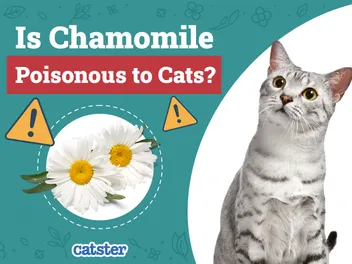
Chamomile is a human relaxant often said to be safe for cats. However, this is misleading because Roman chamomile (Chamaemelum nobile) is toxic, and it can cause contact dermatitis in your cat and may even lead to gastrointestinal upset.

divider 2 cats

Is Basil Toxic to Cats?

Basil is a member of the mint family and is very popular as a culinary herb for humans. It even offers some health benefits. While it isn’t toxic for cats, it also offers minimal benefit and little nutritional benefit for the obligate carnivores. While you don’t need to stop growing it in the herb garden and shouldn’t worry if your cat has eaten any off your plate, it is unlikely that your cat will enjoy or even appreciate the flavor of the herb.

See also: 


Featured Image Credit: Pixabay

Want content like this delivered to you?

Sign Up For Our Newsletter

News, insights, expert advice, and everything cat

* By submitting, you agree to our Terms & Conditions and Privacy & Cookies Policy.


How useful was this post?

Click on a star to rate (you can leave written feedback after clicking submit)

Help us improve Catster for pet parents!

Your feedback really matters.

What did you like about this post? Also how can we improve it?

Join the conversation

2 Responses

  1. that's good information, actually I made my own wet food for my cat, and put thai basil on it, why? bcs at that time his breath is so stink (but usual odor like strong fishy odor) bcs mint is not common, I try to search other herb to solved stinky breath problem for my cat, and so I decided to put basil when I cook my cat's food, surprisingly his bad breath is got milder.

    1. Hi Anna, thanks for sharing your story and experience. We are glad to hear you enjoyed our post and that basil helps manage your cat's breath. We might find this post useful: Why Does My Cat’s Breath Stink?- https://www.catster.com/cat-health-care/why-does-my-cats-breath-stink/ Best wishes, and thanks for reading us.

Leave a Reply

You’re very welcome to leave a comment or question. Please know that all comments must meet our community guidelines, and your email address will NOT be published. Let’s have a positive and constructive conversation.


Talk With A Vet Online

Peace of mind,
anywhere, anytime

Affordable vet advice

Why Healthy Cats Still Vomit Sometimes (And How to Respond)

A cat that just vomited needs a specific kind of care, and the feeding decisions you make in the next few hours actually...

Scientists May Have Found the Missing Piece in Feline Kidney Disease

One of the most upsetting parts of caring for an elderly cat is the knowledge that there is a very high chance that...

Ask Dr. Paola – Help! I Am Worried My Cat Isn’t Getting Enough Water! (April 6, 2026)

Welcome to our “Ask Dr. Paola” series, where every Monday we bring expert advice straight from Dr. Paola Cuevas (MVZ) to help our...

The 10 Common Causes of Sudden Death in Cats (And Which Ones Are Preventable)

Most cat owners don’t think much about heart disease, internal hemorrhage, or viral infections until they’re staring at an empty bed. Sudden death...

More related

Is Sedum Poisonous to Cats? Common Houseplants Examined & Vet-Reviewed

When it comes to succulents and cats, you can never be too careful. The last thing you want is something growing in your...

Does Massage Help Constipation in Cats? Vet-Verified Facts & Treatments

Constipation in cats is not that uncommon, but that doesn’t mean it should be treated lightly. Massage therapy is among the remedies that...

7 Best Cat Foods for Pancreatitis in 2026 – Reviews & Top Picks

Feline pancreatitis is one of the most troublesome cat diseases. This condition is not only difficult to diagnose but also tends to be...

Petlibro Automatic Water Fountain 2026 Review (Pros, Cons & Features)

Review Summary Hydration is just as vital for your cat as it is for you. Wild felines often get adequate moisture from their...

Keep reading

When Are a Cat’s Teenage Years? Vet-Reviewed Facts & Useful Tips

Just like humans, cats go through a stage that tends to correlate with “teenage” behavior. Some of it is cute and funny, and some of it is irritating and frustrating. Fortunately, the cat teenage years are not all bad, and...

Bengal kitten playing

The 5 Best Freeze-Dried Cat Foods of 2026 – Vet-Verified Reviews & Top Picks

Freeze-dried cat food is the easiest way to feed your pet a natural raw diet that reflects what a cat would eat in the wild. Commercial wet or dry foods often contain extra carbohydrate-based fillers that provide bulk and calories...

cat eating food

Vets Reveal the Scary Truth About Cats and Chicken Bones

Giving your cat a chicken bone, or having them steal one off your plate, is a common and very easy mistake to make. Chicken smells irresistible to cats, and to them, bones are just part of the feast. But here’s...

leftover chicken bones

How Long Does Catnip Take to Kick In? Effects & Tips (Vet-Verified Info)

Many cat owners have witnessed the effects of catnip on their feline companions, and most people agree it’s pretty entertaining. Catnip (Nepeta cataria) is an herb native to parts of Europe, the Middle East, Central Asia, and some areas of...

cat enjoying cat nip

Can Cats Drink Bone Broth? Vet-Approved Nutritional Facts & FAQ

Bone broth has become a very popular topic of conversation for pet owners. It is being touted as a more natural way for cats to get key nutrients. Some people even claim that drinking bone broth brings cats back to...

Can Cats Drink Bone Broth

Can Cats Eat Scorpions? Vet Approved Facts & FAQ

Cats naturally enjoy hunting, and small creatures are their favorite targets. Most insects do not pose threats to cats, but scorpions (and other poisonous arachnids), armed with a venomous stinger, are more dangerous for cats to hunt. Cats can kill...

Can Cats Eat Scorpions

Why Does My Cat Wink at Me? 3 Vet-Verified Reasons for This Behavior

If you are like most cat owners, you are regularly surprised by your cat’s behavior. Cats are rarely predictable, at least until they get old and set in their ways. One quirky thing that some cats seem to do is...

A photo of a lazy Cat winking at the camera

Why Is My Cat Suddenly a Picky Eater? 7 Vet-Reviewed Reasons

Cats are known to be relatively pickier than most animals out there. In a way, this helps them stay alive. They aren’t prone to eating things that they shouldn’t (usually), which would help them stay alive in a natural setting....

cat not eating

Love Cats? So Do We! Join the Catster Community

Stay informed with expert pet care insights delivered straight to your inbox! Discover professional guidance on animal behavior, feeding tips, trusted product picks, and much more.


Sign up for the Catster Email Newsletter

Stay informed with expert pet care insights delivered straight to your inbox! Discover professional guidance on animal behavior, feeding tips, trusted product picks, and much more.