Can Cats Eat Pesto? Vet-Approved Risks & Safe Alternatives


Pesto is a household staple used in various foods, such as salad dressing, pizza, and chicken—the possibilities are limitless! If you’re a cat owner, you may have noticed your feline nosing around when you bust out this sauce, but is it safe to let your cat have any? Sadly, no, cats cannot eat pesto.
Keep reading to learn why and what you can do to keep your cat safe from other harmful foods and household items.

What Ingredients Are in Pesto?
Pesto comes in several different varieties, such as classic basil, spinach, mint, red pepper, tomato, avocado, beet, and arugula, among many others. Basil pesto seems to be the most often used, but the most common flavor of pesto varies depending on where you live.


Why Can’t Cats Have Pesto?
The reason is simple: There are too many harmful and potentially toxic ingredients used to make pesto of any flavor. Let's break down the common ingredients in pesto that are harmful or toxic to cats.
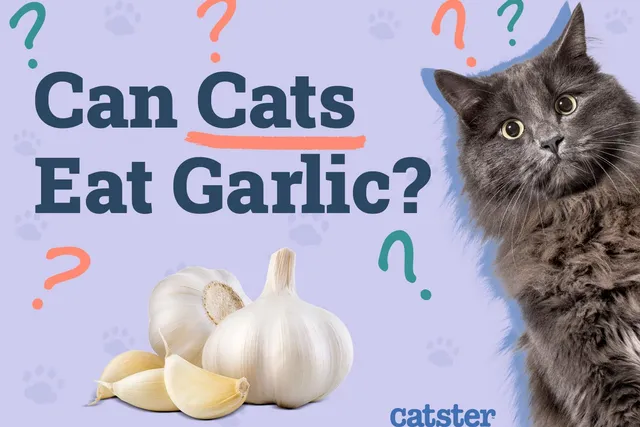
1. Garlic
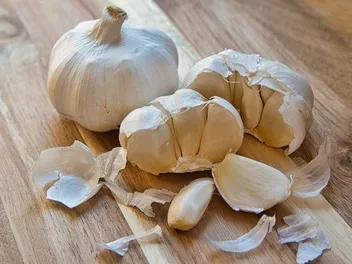
Garlic is an absolute no-no for cats, dogs, and horses. Garlic is a member of the Allium family, along with shallots, onions, leeks, and chives, which also should be avoided. Garlic may serve health benefits for humans, but it certainly does not serve any health benefits for cats, dogs, or horses.
The toxic principle in garlic is N-propyl disulfide. If ingested, even in small amounts, it can cause vomiting, weakness, spiked heart rate, panting, blood in the urine, and hemolytic anemia, which is a breakdown of red blood cells. Luckily, cats don’t seem to want garlic, but it’s good to know as a cat owner to avoid it around your cat.
2. Pine Nuts
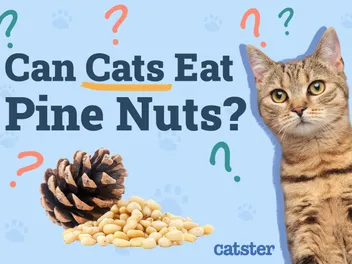
Pine nuts are not proven toxic, but that doesn't mean your cat should eat them. Cats are carnivores, and their digestive systems are not designed to eat foods other than meat, which means your cat would have difficulty digesting them. Pine nuts are also high in fats, and if your cat consumes pine nuts, it could result in vomiting, diarrhea, and an upset tummy.

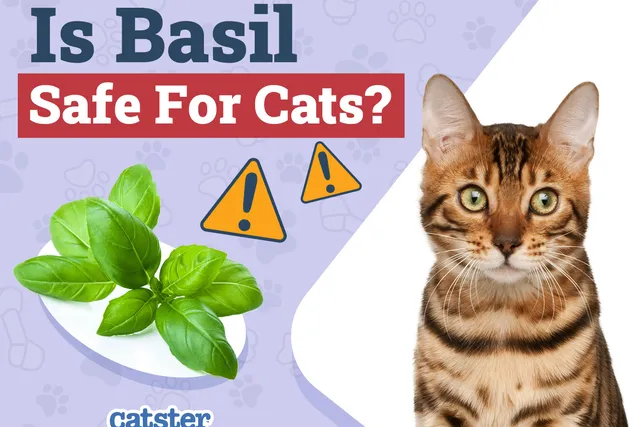
3. Basil
Basil is the most common type of pesto. Many different basil plants exist, and while they are not toxic to felines, they can cause GI issues if ingested due to a cat’s digestive system. Remember, cats are obligate carnivores, and their digestive systems are designed to digest only meat without issue.
4. Olive Oil
Olive oil is what gives pesto its sauce-like consistency. It has two kinds of fats, monounsaturated and polyunsaturated, and both are beneficial to a human’s health. However, while olive oil is non-toxic to cats, eating extra fat can cause tummy upset, vomiting, and diarrhea. Simply put, your cat does not need olive oil, and it serves no health benefit to them.

5. Parmesan Cheese
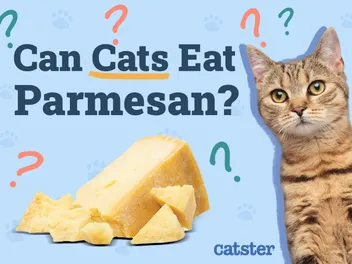
Parmesan cheese is made from cow’s milk, and most cats are lactose intolerant. Their digestive systems are not designed to handle dairy well. Parmesan cheese is also high in fat, which is another component that will do your cat no favors health-wise. If ingested, it may lead to GI issues.

What to Do If Your Cat Eats Pesto
If you suspect that your cat ate pesto or even just garlic, a trip to your veterinarian is warranted. If your vet’s office is closed, you can call the Pet Poison Helpline, which is available 24/7.
The onset of signs can develop within 24 hours but they can also be delayed by a few days.
If your pet is showing these signs, we suggest you speak to a vet.

Tips for a Healthy Cat Diet
Your cat requires a nutritional and balanced diet. Feeding them a high-quality commercial cat food is ideal, as this type of food will have all the necessary nutrients your cat needs to be healthy. The food should provide your cat with energy and be vitamin and mineral rich. Since cats are obligate carnivores, the food should have high-quality protein and be free from fillers and preservatives.
Both wet canned food and dry kibble are available for cats, but offering wet canned food is an excellent way to keep your kitty hydrated, as cats typically don’t drink much water. If your cat is pretty good about drinking water, though, go ahead and feed them dry kibble if that suits your cat’s palate better.

Final Thoughts
While pesto enhances many food items, you should refrain from giving any to your cat. It has ingredients that can harm your cat, and some are even toxic, like garlic. Your cat does not need pesto, and it serves no nutritional value in any way for them. Stick to a 100% complete and balanced diet for your cat to keep them healthy and happy.
Sources
https://www.aspca.org/pet-care/animal-poison-control/toxic-and-non-toxic-plants/basil
https://www.healthline.com/nutrition/parmesan-cheese-nutrition-benefits-uses
https://www.merckvetmanual.com/circulatory-system/anemia/hemolytic-anemia-in-animals
https://www.aspca.org/pet-care/animal-poison-control/toxic-and-non-toxic-plants/garlic
Featured Image Credit by: smirart, Shutterstock
Expert cat care, straight to your inbox
News, insights, and useful advice, delivered to you.

No spam — unsubscribe anytime.
By signing up, you agree to our Terms & Conditions and Privacy & Cookies Policy.
How useful was this post?
Click a star to rate. You can leave written feedback afterwards. (We read all feedback.)
Rachel Giordano is a Pensacola, Florida-based musician and writer. She lives with her partner and their two dogs, Sophie, a Boston Terrier, and Aero, a Border Collie/Sheltie mix. Rachel holds a Bachelor of Arts degree in communication and loves writing about all types of cat breeds. When she’s not writing about cats, she loves to write suspense/thriller novels. A musician by night and writer by day, she enjoys sharing her knowledge of the needs and requirements of our furry friends.