Can Cats Eat Pizza? Vet-Reviewed Nutrition & Safety Advice


In this article
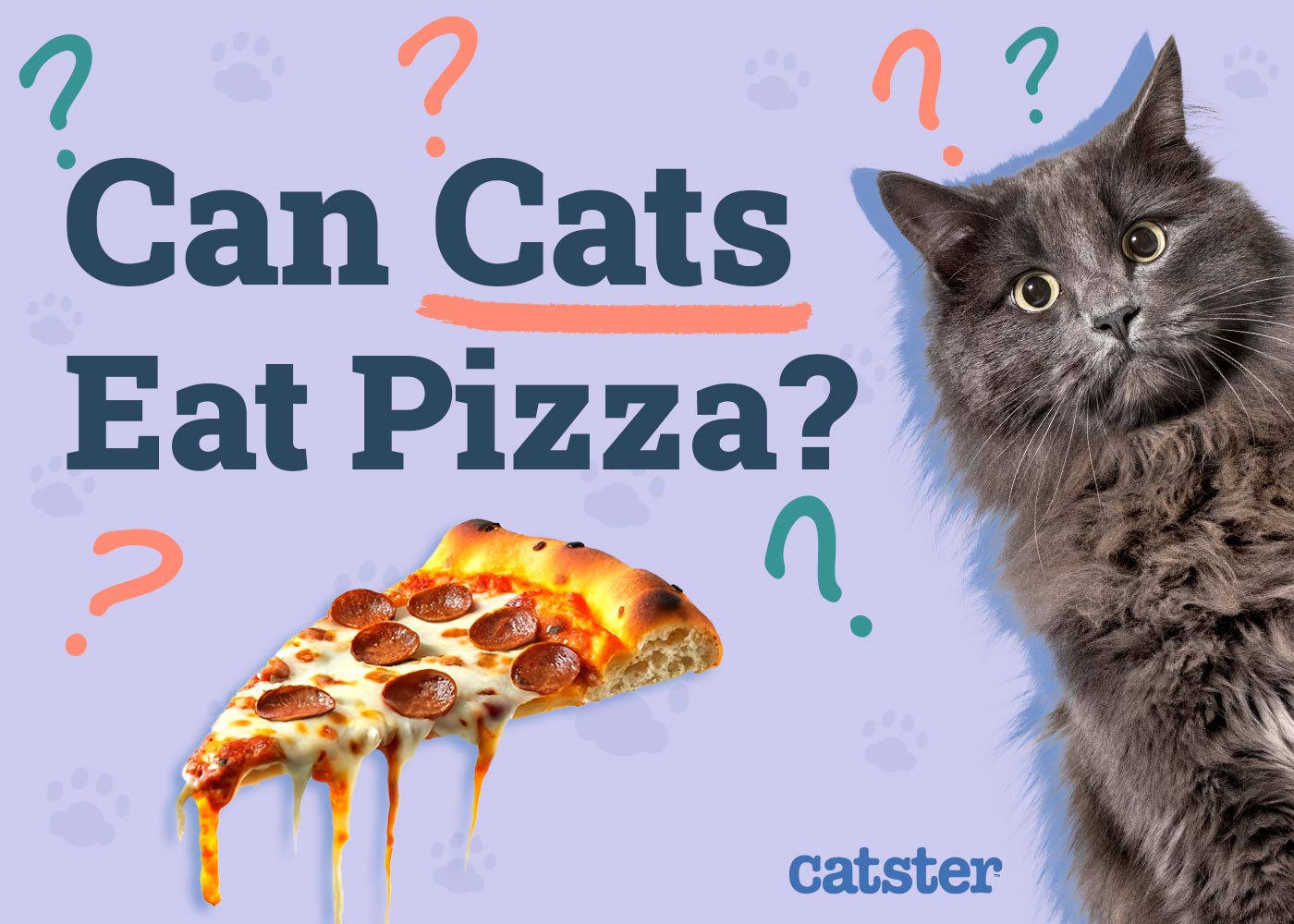
Does your cat like to snuggle up to you on pizza night? Perhaps they’d love a little piece with melted cheese, tomato sauce, and pepperoni? Pizza is a popular food, so there is a possibility some of our cats may get the chance to take a sneaky bite at some point in their lives.
But the question is, should you indulge your little furry friend? Is pizza safe for cats to eat? Probably not!

Can Cats Have Pizza?
Pizza looks tasty from a cat’s point of view, especially if it’s loaded with plenty of cheese and meat. So, will it do your kitty any harm, or can you go ahead and indulge them with a little taste?
Sadly, it’s probably not such a good idea. Some of the ingredients aren’t going to do your cat any favors, and others could even make your cat pretty sick. That’s not something any loving cat parent wants to risk.
While a tiny piece of pizza likely won’t damage your cat permanently, it’s not something you want to get into the habit of feeding them, even if they seem to like it!

Interesting Facts About Pizza
In America, 350 slices of pizza are ordered every single second! The word “pizza” has existed since 997 A.D., when it was first used in Gaeta, Italy. Pepperoni is the most popular pizza topping in the U.S.A., closely followed by sausage.
What Does Pizza Contain?
Pizzas can have numerous ingredients, but given that pepperoni is one of the most popular varieties, let’s use that as our example.
Pizza Dough
Pizza dough is, of course, full of carbohydrates, which your cat does not need as an obligate carnivore. It’s also calorie-dense, so your cat could pile on the pounds and get little nutritional benefit. Once the pizza dough is cooked, while it’s not great for your cats, it won’t do them too much harm.
Raw pizza dough, on the other hand, is dangerous. The activated yeast can make the dough expand in your cat’s stomach. This can result in bloat, a serious condition requiring immediate veterinary attention. Also, the alcohol produced by the yeast as it ferments can make its way into your cat’s bloodstream and cause alcohol poisoning. This may lead to seizures, coma, and death in some cases.
Pizza dough also contains sodium. You can probably guess that pizza provides way more than your cat needs, into potentially dangerous levels, depending on the amount they may eat.
Now, let’s look at the toppings.

Tomato Sauce
The tomato sauce used on most pizzas is not something your cat should be eating regularly. It’s packed with ingredients that taste pretty good to us but can cause your delicate cat many problems.
The green parts of tomato plants are considered poisonous to cats due to a compound called tomatine, but the ripened fruit used in our pizza sauce shouldn’t cause your cat too many problems if consumed in small quantities. That’s good news, but the other ingredients used in most sauce recipes are more problematic.
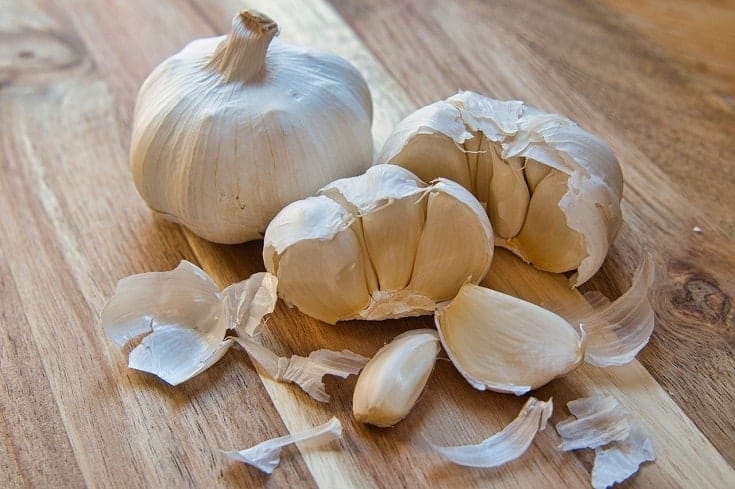
Many pizza sauce recipes contain onions, and they’re also used as a topping. Onions are toxic to cats since they can cause gastroenteritis and anemia. Another common ingredient is garlic, which is poisonous to cats and roughly five times worse than an onion. Garlic is listed on the Pet Poison Helpline as causing the following signs if consumed:
These signs can take a few days to show up if the amount of garlic is small, so speak to your vet immediately if you suspect your cat may have eaten a piece of particularly garlicky pizza.
Cheese
The high-fat content of cheese is part of what makes it taste so good! Unfortunately, it's not good for your cat, and another good reason is that you should avoid feeding them pizza. A 10-pound cat needs roughly 200 calories per day, but a reasonably small amount of cheese, let’s say 28 grams, on a piece of pizza can contain 104 calories.
Feline obesity can predispose cats to breathing, urinary, and joint problems. So, feeding your cat pizza that’s dripping with cheese is not a good idea. Due to their digestive system being designed to process meat and meat only, cats are lactose intolerant. Feeding your cat cheese can give them an upset stomach, and cheese is also high in sodium.

Pepperoni
So, can cats eat pepperoni or is this another ingredient to avoid? Unfortunately, pepperoni is not good news for cats. While it might contain plenty of ingredients that make it taste pretty fabulous to some humans, the ingredients could potentially harm your cat.
We briefly touched on the fact that pizza dough and cheese have sodium earlier, but so does pepperoni. Pepperoni contains huge amounts of salt, which is poisonous to your cat in large quantities. One small piece of pepperoni, weighing 2 grams, contains around 31 milligrams of sodium.
That might not seem that much, especially for a fully grown human. But when we compare it to a cat’s daily sodium requirement of around 10 milligrams per kilogram (or 2.2 pounds) of body weight, that one little slice of pepperoni contains more sodium than your cat should be eating in one day. However, it takes a large amount of salt (2 to 3 grams per kilogram) to cause signs of toxicity.
When considering the sodium content of a whole slice of pizza (though your cat isn’t likely to eat that much, or at least, we hope not), the numbers get astronomically high compared to your cat’s daily requirements.
One slice of a 14-inch pizza, judged by the USDA to weigh 107 grams, contains 640 milligrams of sodium. That is way too much to be consumed safely by your cat.
Salt poisoning can happen, with signs including:
We’ve already touched on the garlic that may be hiding in the tomato sauce on your pizza, but pepperoni also contains garlic. To preserve pepperoni and give it a long shelf life, nitrates are added. They can also be harmful to cats if consumed in large enough amounts.
Other than garlic, pepperoni can contain other additives and spices that are unsafe for your cat and may irritate their mouth and cause drooling and a stomach upset. Pepperoni is quite fatty and will add calories to your cat’s diet that they don’t need. Not to mention all the possible harmful ingredients we have already discussed.
Summing Up
We’re sure that by now, you’ve figured out that pizza is not a good food to feed your cat, even as an occasional treat. Almost all the ingredients used to make pizza contain something that can potentially harm your cat if they eat even very little of it.
From calorie-dense cheese to garlicky sauce and salty or spicy pepperoni, pizza is best enjoyed by humans, not our cats. If you’ve seen your cat eat a large amount of pizza by mistake or exhibit any of the signs we listed above, reach out to your veterinarian or the Pet Poison Helpline immediately.
As pet parents, it’s our responsibility to ensure that our cats eat a diet that provides all the nutrients they need to stay healthy. You’ll have to break it to them that it doesn’t include pizza!
See also:

Expert cat care, straight to your inbox
Vet-reviewed advice, behavior tips, and the best of Catster. Free, and you can unsubscribe anytime.
By signing up, you agree to our Terms & Conditions and Privacy & Cookies Policy.
Christian started writing for a local newspaper as a teenager, and he's been involved in the publishing industry for most of his adult life. Combining his love of writing with a passion for animals, he is currently the Director of Editorial at Pangolia and the Editor-in-Chief at Catster.
Christian lives in the Philippines with his wife, son, and four rescue cats: Trixie, Chloe, Sparky, and Chopper.
Join the conversation
Ask a question, share your story, or send private feedback.