Are Roses Toxic to Cats? Vet-Verified Facts, Risks & Safety Tips


In this article
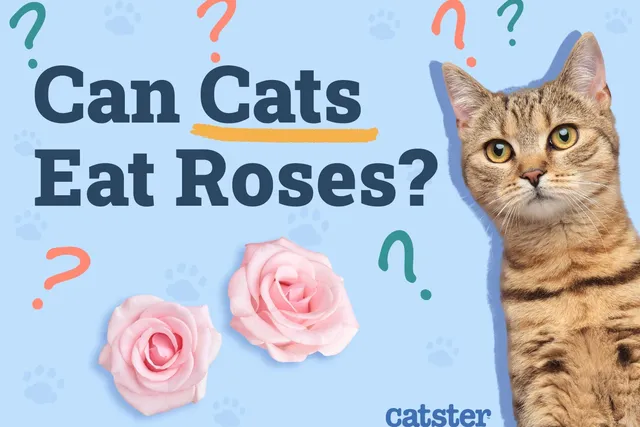
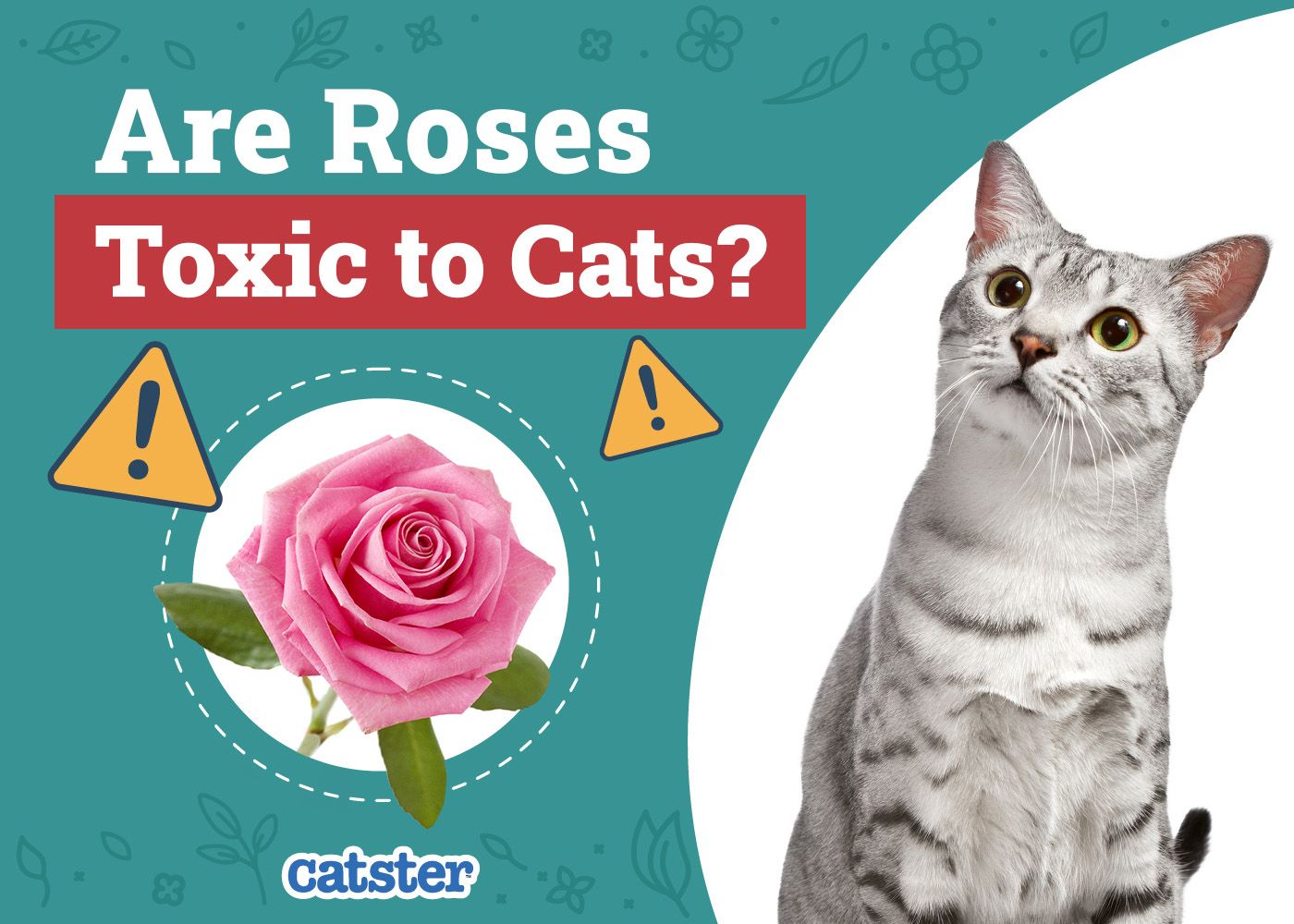
With Valentine's Day coming up soon, you may be worried about using rose petals or buying the romantic flower for a loved one around your cat. Luckily, roses are not toxic to cats, meaning that you should not worry about buying them this Valentine's Day. Although cats can cut their paws on the thorns, roses do not pose a severe threat to cats when consumed.
Nevertheless, it is still important to know how cats can react to roses and what to do about it. In this article, we look at the toxicity of roses and how they relate to your cat. Let's get started.

Are Roses Toxic to Cats?
According to ASPCA, a regular rose is not toxic to cats. Any roses that you would get for Valentine's Day or from your rose bush isn't going to hurt your cat's stomach when they eat it. The only time roses are toxic to cats is if chemicals are used to grow or treat the roses. In other words, it is the chemicals that can harm the cat, not the roses.
If the roses are purchased at a store in the form of a bouquet, there shouldn't be enough chemicals leftover in the roses to be a serious issue for your cat. Your rose bush, on the other hand, may be toxic if you use pesticides.
Now, it is important to say that roses are not completely safe for your cat. To quote the 80's rock band Poison, every rose has its thorn. Whenever your cat gets into a bouquet or messes around in your rose garden, they can get snagged by the thorns, causing small cuts and bleeds. However, most cats will learn from their mistake and stop messing with the roses before any severe cuts form.
If, for some reason, your cat decides to eat the leaves and stems, most often complete with thorns, they will probably get a stomach ache. This stomach ache won't be that serious, but it may hurt you to see your cat have a tummy ache. It should not cause any severe issues, though.
With this in mind, the most trauma your cat will experience from eating your roses is a couple of scratches at most and a good talking to from you.

Are Rose Petals Toxic?
Just in case you missed it, rose petals are not toxic. If you want to toss rose petals around your room this romantic season, that is fine. The only possible danger that can come from roses is in their thorns. Since rose petals do not have thorns on them, your cat will be completely safe surrounded by rose petals.
Are Roses Good for Cats?
Since roses are not toxic to cats, it may be natural to wonder if you should feed them to your cat. Though it won't hurt them to eat roses, there's no point in forcing them to eat the flower. Roses do not pose any nutritional benefits to the cat, and they likely won't like it in the first place.
Cats, by nature, are meat-eaters. For them to have healthy bones, organs, and reproductive systems, they need a lot of protein from meat. This includes chicken, beef, turkey, etc. They do not need many plants to survive. This includes flowers like roses.
Cats are also less likely to enjoy the snack. Unlike other mammals, cats cannot taste sweet flavors. Experts believe that they never evolved to taste sweetness since they primarily eat meat. Given that roses and other flowers typically have a floral and sweet flavor, cats don't particularly enjoy eating them. There’s no point in giving your cat roses even though the flower type isn’t poisonous.

Which Flowers Are Toxic to Cats?
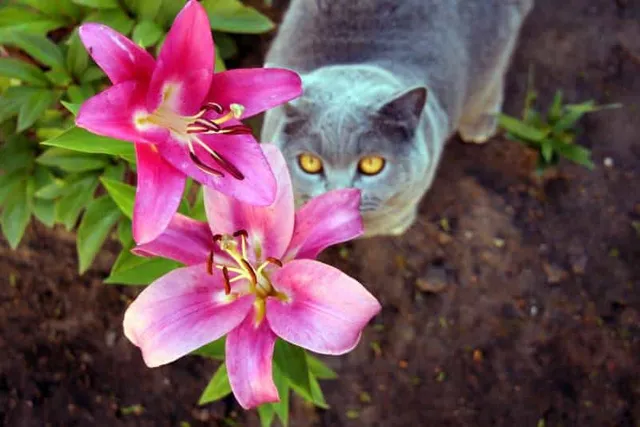
Even though roses are not dangerous to cats, that does not mean any flower is okay for your cat to consume. There are a lot of flowers and plants that your cat should not eat. These flowers can cause irritations to the mouth, skin, stomach, and more. Here are the most common plants and flowers that are toxic to your cat:

Signs to Be on the Look Out For
Even though rose petals are not toxic to cats, it is helpful to know the signs of poisoning in your cat. This can help you to treat your cat accordingly after they have eaten something without your knowledge. Though symptoms will vary from cat to cat, there are some commonalities between most of them.
Some of the most immediate signs to look for include any redness, itchiness, or swelling around the skin, eyes, or mouth. This means that your cat got into something that they shouldn't have. Detecting these signs should be easy and noticeable.
Some irritants do not cause any external signs. Instead, you only know they have eaten an irritant whenever they have gastrointestinal issues. This includes irritating behavior, vomiting, and diarrhea. Though these can be caused by other issues as well, they are signs of poisoning.
Certain plants are poisonous because they target one particular organ. When this happens, the signs will be related to whichever organ is affected.
Here are examples of signs based on the affected organ:
Keeping Your Cat Out of Your Rose Garden
Though it is reassuring to know that your cat won't get poisoned from hanging around your rose garden, you certainly don't want them digging out the rose bushes, destroying the plants, or exposing themselves to potential parasites or insecticides.
There are some easy and cheap ways that you can deter your cat from going into the rose garden. Although there's no guaranteed way to keep them out without keeping your cat inside, these tips are a great way to encourage them to spend their time elsewhere.
1. Use Prickly Garden Beds
Cats prefer walking on soft garden beds. Deter them from walking around in the garden by using prickly solutions. This can include twigs, push pine cones, or repurposed wood. These materials are less inviting and less like a litter box, meaning they won’t be as naturally drawn to the area.
If your cat still wants to walk around in the garden, you could place little sticks upwards so that it jabs into their paws without hurting them. Simply use chicken wire or mesh produce bags, such as onion or potato bags, as guides for keeping the wooden stakes far apart.
2. Use Scents Cats Don't Like
There are a few smells that humans love but cats hate. Using these scents around a garden will deter the cat from entering since they don't like the smell. Citrus smells are particularly good for deterring cats. You can put old orange or lemon rinds in your garden whenever you have eaten the fruit inside. You could also plant lavender or lemon thyme around the garden. Planting these additional species will attract pollinators, add beautiful color, and deter cats from coming in all at once. Just keep in mind that lavender is actually toxic to cats. It can cause nausea and vomiting, so if your cat shows interest, you will need to remove the plant; it is not worth the risk.
You could also try using a commercial cat repellent. If you choose this option, research the brand thoroughly to ensure that the product won't harm your flowers in the process.
3. Use Sound
Cats have very sensitive ears. Whenever they hear a loud noise, muscles in their middle ear contract to preserve their inner ear. As you probably already know, cat ears are way more powerful than human ears since they partially rely on their ears for hunting.
Because of how sensitive cat ears are, you can use sound to discourage them from entering your rose garden. Something like windchimes and bells discourages the cat from entering the garden, all while filling the air with beautiful sounds every time the wind blows.
If you do not live in an area where the wind blows frequently, you could opt for motion-activated sounds instead. These electric devices will create a sound whenever a cat, another animal, or an intruder enters the proximity. High frequency sound repellents are also available on the market.
4. Make a Fence
If the other options do not work, you can always add a fence around your rose garden. A fence will physically keep the cat and other creatures out. Since cats are so small and nimble, you will need to use a fence that they can't get through. Chicken wire is a great option since cats can't fit through the wire slats, and it is so inexpensive.
Conclusion
This romantic holiday season, surprise your loved ones with roses because they are beautiful, romantic, and pet-safe. Rose petals are not toxic to cats, but the thorns can scratch their mouths and potentially hurt their stomachs. Still, your cat should be safe with roses around.
If you don't want your cat to eat your expensive bouquet, don't worry about that either. Cats are unlikely to eat much since they cannot taste sweets, and the thorns will likely repel them. So, the most they have to worry about is a scolding from you!
See Also:
Featured Image Credit: Pixabay

Expert cat care, straight to your inbox
Vet-reviewed advice, behavior tips, and the best of Catster. Free, and you can unsubscribe anytime.
By signing up, you agree to our Terms & Conditions and Privacy & Cookies Policy.
Emma is a freelance writer, specializing in writing about pets, outdoor pursuits, and the environment. Originally from the UK, she has lived in Costa Rica and New Zealand before moving to a smallholding in Spain with her husband, their 4-year-old daughter, and their dogs, cats, horses, and poultry. When she's not writing, Emma can be found taking her dogs for walks in the rolling fields around their home...and usually, at least some of the cats come along, too! Emma is passionate about rescuing animals and providing them with a new life after being abandoned or abused. As well as their own four rescue dogs, she also fosters dogs for re-homing, providing them with love and training while searching for their forever homes.
Join the conversation
Ask a question, share your story, or send private feedback.