What Flowers Are Dangerous to Cats? 7 Vet-Verfied Threatening Plants


In this article
Whether celebrating a special occasion or just looking to brighten up your kitchen table, a lovely bouquet is an easy choice. However, if you’re a cat owner or gifting flowers to someone who is, you must be careful about which blooms you select.
Many popular flowers are toxic to cats, and with our feline friends prone to chewing on greenery, tragedy may not be far behind. Here are seven different flowers that are dangerous to cats.

How Are Dangerous Flowers Classified?
For this article, we’re classifying dangerous flowers by whether they appear on the ASPCA’s list of plants that are toxic to cats. The flowers found on this list cause signs ranging from gastrointestinal issues to more serious, life-threatening complications.
Since safer flowers are available, you’ll probably want to steer clear of any of these flowers. Luckily, the ASPCA also produces a list of non-toxic flowers you can safely buy or gift without worrying about the cats in your life.

The 7 Flowers Dangerous to Cats
1. Lilies

| Scientific name: | Lilium |
| Common names: | Oriental, Stargazer, Easter, Tiger, Asiatic |
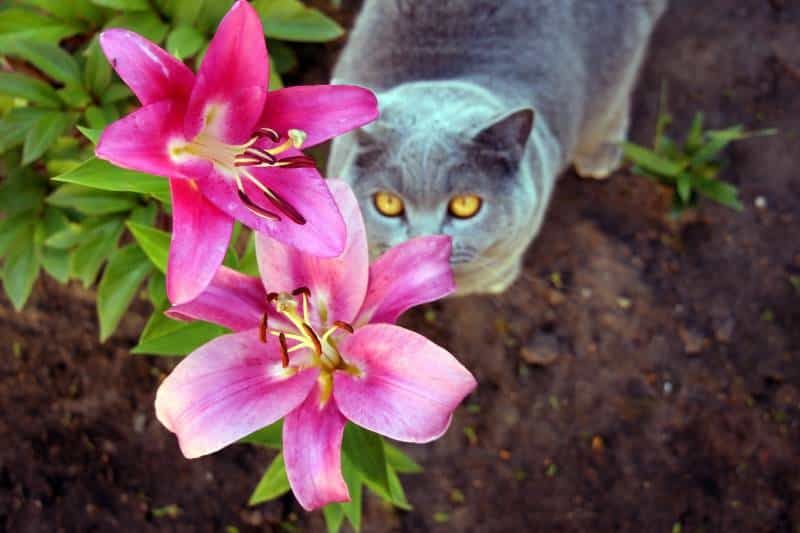
Lilies are first on our list because the gorgeous, fragrant flowers are among the most dangerous of all for cats. All parts of the lily are toxic to cats, even the pollen and the water in the vase they’re displayed in.
Minimal exposure to lilies puts your cat at risk of kidney failure. Play it safe and keep all lilies out of the house or garden if you have cats. If you suspect your cat has ingested any part of the Lily plant, contact your vet immediately.
Daylilies (Hemerocallis sp) can also cause severe kidney injury. Peruvian lilies, Peace lilies and Lily of the valley, are not Lilium species and don't cause sudden kidney injury, but they can all make your cat sick and you should seek veterinary advice if your cat has ingested any of them.
2. Tulips

| Scientific name: | Tulipa |
| Common names: | Tulip |
Tulips are available in multiple colors and are popular spring flowers. Although they’re a common feature of gardens and often sold as cut flowers, tulips are dangerous to cats. The toxic component of tulips is called tulipalin A and B.
Several parts of the flower are dangerous to cats, but the bulbs contain the highest amount of toxin. Your cat can be poisoned by digging up old bulbs from the garden. Signs of tulip toxicity include hypersalivation, vomiting, diarrhea, and depression.
3. Hydrangea

| Scientific name: | Hydrangea arborescens |
| Common names: | Hortensia, Hills of Snow, Seven Bark |
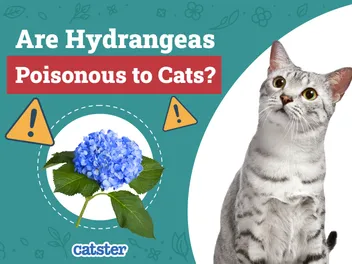
Hydrangeas can be purchased cut in bouquets and frequently found in yards. Outdoor cats can be easily exposed to these plants in many parts of the country. The leaves and flowers of hydrangea plants are the most dangerous.
The toxic element of the flower is cyanogenic glycoside. Technically, hydrangeas can cause cyanide poisoning in cats, but it is rare. If your cat eats hydrangeas, you may notice vomiting, depression, and diarrhea.
4. Daffodils

| Scientific name: | Narcissus |
| Common names: | Narcissus, Jonquil, Paper White |
Another common, popular flower, the daffodil, is also quite dangerous to cats. The plants, especially the bulbs, contain several toxic alkaloids, including one called lycorine. You may notice excessive drooling, diarrhea, and vomiting if your cat eats daffodils.
Unfortunately, eating larger quantities of daffodils may cause more severe signs like seizures, tremors, decreased blood pressure, and abnormal heart rhythms. If you catch your cat digging in a flower bed or chewing on daffodils, contact your vet right away.
5. Chrysanthemum

| Scientific name: | Chrysanthemum |
| Common names: | Daisy, mum, others |
Often called simply “mums,” Chrysanthemums contain several toxic components that can harm your cat. Although generally only mildly toxic, with so many varieties available, it can be easy to expose your cat to the flowers without realizing it. The toxic compounds in mums include lactones and pyrethrins.
Pyrethrins are often used in flea and tick-preventative products for dogs, but they are also toxic to cats. Signs that your cat has eaten mums include hypersalivation, vomiting, diarrhea, and incoordination. Some mum varieties cause skin irritation and dermatitis in cats.
6. Hyacinths

| Scientific name: | Hyacinthus orientalis |
| Common names: | Hyacinth |
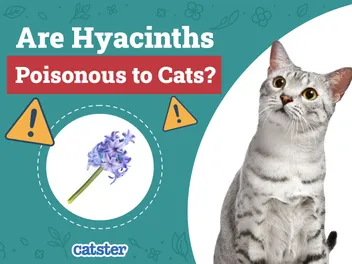
Beautiful hyacinths are available in various colors and have a lovely fragrance. Unfortunately, the flowers contain toxic compounds similar to the dangerous alkaloids found in daffodils. If your cat eats hyacinths, you may see constant vomiting and diarrhea, possibly containing blood.
Other signs include depression and body tremors. Hyacinths are another common spring garden flower your cat may encounter or dig up the bulbs. They can even cause problems if your cat inhales pollen.
7. Oleander

| Scientific name: | Nerium oleander |
| Common names: | Rose-bay |
Your cat will most likely only encounter this dangerous flower outdoors. Oleander is a popular ornamental garden plant highly toxic to cats and many other animals. It contains toxins called cardiac glycosides that impact the heart.
Outward signs that your cat has ingested any part of the oleander plant include drooling, belly pain, seizures, tremors, vomiting, and diarrhea. Don’t hesitate to take your cat to a vet if you suspect they’ve chewed on an oleander flower.
What Should You Do If Your Cat Eats a Dangerous Flower?
If your cat eats a dangerous flower, contact your veterinarian immediately. If you catch your cat in the act of ingestion, quickly remove any uneaten portions and call your veterinarian. Identifying the flower is important for treatment, if you are unsure what it is you can bring a sample to the vet’s office with you. You can also call the Pet Poison Helpline for guidance, and to help identify the flower.
Generally, your cat will need to be treated by a veterinarian. Specific treatments will vary based on which flower your cat eats and the clinical signs noted.
Conclusion
These seven flowers are dangerous to cats but aren’t the only plants you need to worry about. Keep in mind that eating non-toxic plants can upset your cat’s stomach. In addition, cats can get sick from ingesting fertilizers or pesticides used on the flowers. If your cat frequently chews on plants, keeping your flowers safely out of reach or behind closed doors may be best.
Sources
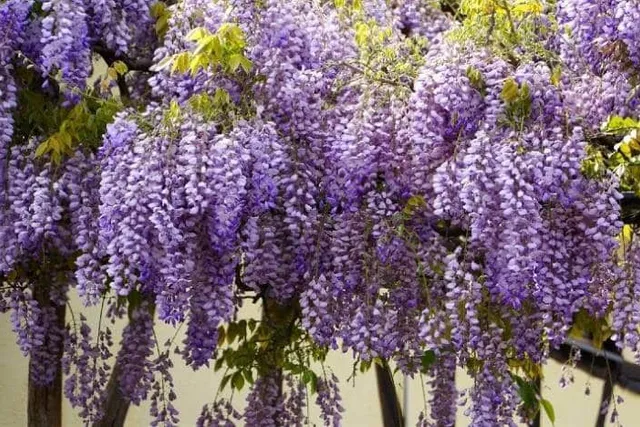
Featured Image Credit: Sagittarius_13, Shutterstock
Expert cat care, straight to your inbox
News, insights, and useful advice, delivered to you.

No spam — unsubscribe anytime.
By signing up, you agree to our Terms & Conditions and Privacy & Cookies Policy.
How useful was this post?
Click a star to rate. You can leave written feedback afterwards. (We read all feedback.)
Elizabeth Gray is a lifelong lover of all creatures great and small. She got her first cat at 5 years old and at 14, she started working for her local veterinarian. Elizabeth spent more than 20 years working as a veterinary nurse before stepping away to become a stay-at-home mom to her daughter. Now, she is excited to share her hard-earned knowledge (literally--she has scars) with our readers. Elizabeth lives in Iowa with her family, including her two fur kids, Linnard, a husky mix and Algernon, the worldʻs most patient cat. When not writing, she enjoys reading, watching all sports, and spending time outdoors with her family.