Are Reed Diffusers Bad for Cats? Vet-Reviewed Facts & FAQ


If you are like most people who own a cat, you want to keep your home smelling nice, but you also want to make sure your cat stays safe and healthy in the process. You might have heard of reed diffusers and are considering utilizing one in your own home. But are they bad for cats? The short answer is that a reed diffuser itself is not inherently dangerous to cats. However, the essential oils inside the diffuser can be! Here’s everything that you need to know.

What Exactly Are Reed Diffusers?
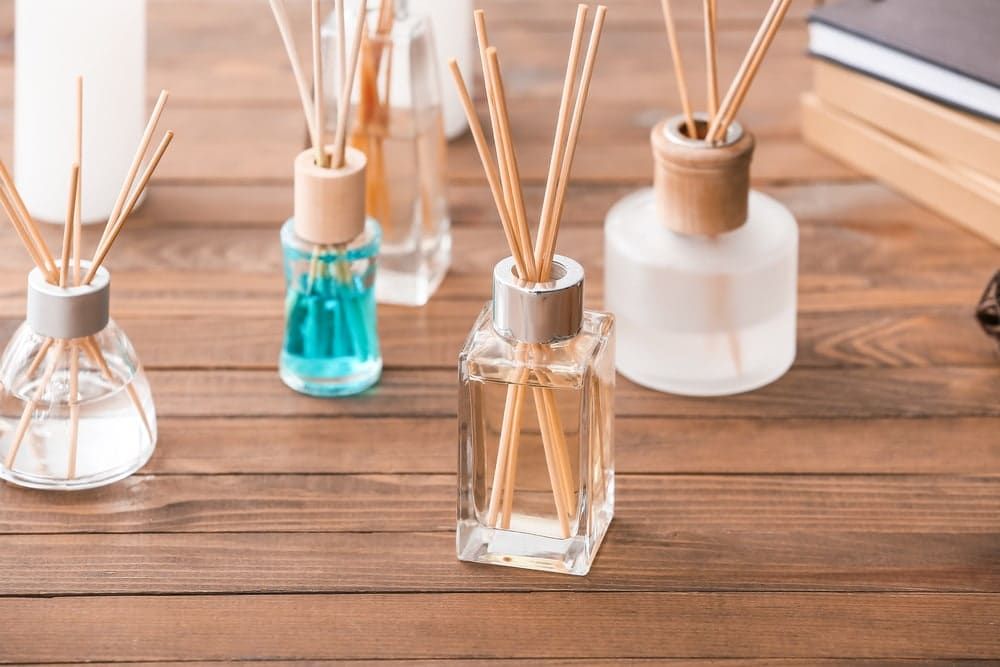
Reed diffusers consist of a glass container, reeds (sticks about the shape and size of stick incense), essential oil, water, and alcohol. The idea is to place essential oil in the glass vessel, fill it up with water, and place a few reeds into the vessel so they stick out from the top. A tiny amount of alcohol is sometimes added to the essential oil and water solution to minimize the risk of the reeds rotting.
The reeds soak up the oil in the vessel and then diffuse the scents from the oil into the air. You can find reed diffuser sets that include everything needed to enhance your home’s air, or you can buy everything separately to customize the look and performance of your diffusing system. You can even make a DIY reed diffuser using a glass container and other supplies that you already have at home.

What Makes a Reed Diffuser Dangerous for Cats?
The reed diffuser itself does not pose a danger to cats. However, the essential oils in the diffusers can. The reason is that cats are missing specific enzymes that are required to process certain compounds found in many essential oils. Due to this, the oils could cause organ damage and even death when ingested, absorbed, or even inhaled.
Simply inhaling dangerous essential oils could harm your cat. If a dangerous essential oil gets on your cat’s fur and they lick it, serious side effects could occur. Therefore, if you do decide to use a reed diffuser, you need to make sure that the essential oils in the diffuser are safe for cats and that the diffuser is kept where your kitty cannot reach it and accidentally spill it or get the oils on themselves.
Can Reed Diffusers Ever Be Used Around Cats?
If safe essential oils are used in your reed diffuser, there is no reason that you cannot use them within your home. Still, it is best to keep the diffuser out of the reach of your cat, to ensure that they do not make physical contact with it. The compounds in safe essential oils should not produce any side effects in your cat, but it is never a good idea to allow your cat to lick or ingest them internally.

What Essential Oils Are Safe & Which Ones Are Not Safe for Cats?
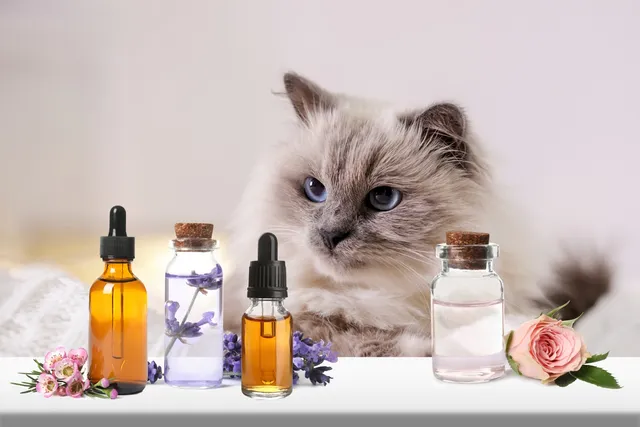
To ensure that your reed diffuser is safe to be in your home with a cat living there, you should know which essential oils are safe for cats to inhale and which ones are not. Here is a breakdown of the most common essential oils.

Essential Oils That Are Safe for Cats
- Frankincense
- Copaiba
- Helichrysum
- Valerian
Essential Oils That Are Dangerous for Cats
- Basil
- Clove
- Cinnamon
- Tea tree
- Peppermint
- Lemon
- Ylang ylang
- Eucalyptus
- Pennyroyal
- Wintergreen
Make sure the safe essential oils that you decide to utilize in your reed diffuser are not concentrated and are diluted with water before you place the reeds in the diffuser to distribute the scent. No essential oil is safe for cats in large quantities or in its concentrated form. Your diffuser should be completely out of your cat’s reach to avoid accidentally tipping it over. Cats with asthma or allergies shouldn’t be around any types of essential oils.
If your pet has been around dangerous essential oils, we suggest you speak to a vet.
Final Thoughts
While it can be safe to use a reed diffuser in the same home that a cat lives in, it is crucial to make sure that only oils considered safe for them are used. Never use dangerous essential oils in the home, even if your cat will be out of the home at the time. If you are in doubt, it is best not to use essential oil diffusers of any kind at all.
“Sources”
Featured Image Credit: Pixel-Shot-Shutterstock
Expert cat care, straight to your inbox
News, insights, and useful advice, delivered to you.

No spam — unsubscribe anytime.
By signing up, you agree to our Terms & Conditions and Privacy & Cookies Policy.
How useful was this post?
Click a star to rate. You can leave written feedback afterwards. (We read all feedback.)
Rachael has been a freelance writer since 2000, in which time she has had an opportunity to research and write about many different topics while working to master the art of fusing high-quality content with effective content marketing strategies. She is an artist at heart and loves to read, paint, and make jewelry in her spare time. As a vegan, Rachael is obsessed with helping animals in need both in her community and anywhere in the world where she feels she can make a difference. Animals also happen to be her favorite topic to write about! She lives off the grid in Hawaii with her husband, her garden, and her rescue animals including 5 dogs, a cat, a goat, and dozens of chickens.