Get

In Your Inbox

Catster is reader-supported. When you buy via links on our site, we may earn an affiliate commission at no cost to you. Learn more.

Do Cats Like Eucalyptus Scent? What You Should Know!

Share

eucalyptus

Cats have an acute sense of smell that they rely on for communication and gathering information about their surroundings. It’s no secret that cats are biased toward some smells, like their food and the rotisserie chicken that’s about to be served for dinner.

They are also known for being drawn to the smells of certain plants, especially catnip. If they favor certain smells, what about the scent of eucalyptus? It’s common for humans in the household to use eucalyptus products, especially during cold and flu seasons. So, what about eucalyptus and cats? Do cats like the eucalyptus smell?

Cats do not like the scent of eucalyptus. Not only is eucalyptus a deterrent for cats but it’s also toxic and poses a danger to our feline friends. Keep reading to learn more about eucalyptus and its effects on cats.

divider cat faces 2 oct 2024

What Is Eucalyptus?

eucalyptus
Image By: Chesna, Pixabay

Eucalyptus may be best known for being the primary food source for koalas. It is a genus of fast-growing evergreen trees and shrubs, and nearly all species are native to Australia. The fragrant eucalyptus leaves have been used in traditional medicine for many years and across various cultures.

The leaves are still used for medicinal and healing purposes, and eucalyptus is also used as a fragrance, flavoring, and ingredient in various cosmetics and industrial solvents. Eucalyptus oil has been studied and proven to kill bacteria and fungi and has also been shown to act as an expectorant that loosens phlegm and assists with coughing.1

Eucalyptus and Cats: The Dangers

Humans and cats have very different systems, and despite having several benefits for humans, eucalyptus is toxic to cats. The toxic component in the leaves is eucalyptol. Exposure often occurs by ingesting eucalyptus essential oil or products containing the essential oil.

The plant’s leaves are also toxic if ingested, but exposure is rare because eucalyptus is rarely grown indoors. Thankfully, cats are heavily deterred by the smell of eucalyptus, but if they were to ingest the leaves or any product containing the oil, you should contact a veterinarian or pet poison helpline right away for further guidance.

Signs of Eucalyptus Toxicity:
  • Vomiting
  • Diarrhea
  • Excessive salivation
  • Weakness
  • Lethargy
  • Unsteady gait
  • Tremors
  • Seizures

If your cat shows signs of the symptoms above or you suspect they might be suffering from underlying health issues, you should contact a vet.

divider single cat paw oct 2024

Common Essential Oils That Are Dangerous for Cats

tea tree essential oil
Image By: ronstik, Shutterstock

Any questions regarding the safety of essential oil use should be discussed with a veterinarian. You can also access the ASPCA’s list of toxic and non-toxic plants to see which plants pose a danger of toxicity to your pets.

Though oils derived from toxic plants are incredibly dangerous, essential oils from non-toxic plants are highly concentrated and can also pose a health risk.

We’ve included a list of the most common essential oils that are potentially dangerous to cats:
  • Basil oil
  • Bergamot oil
  • Cinnamon oil
  • Clove leaf oil
  • Eucalyptus oil
  • Geranium oil
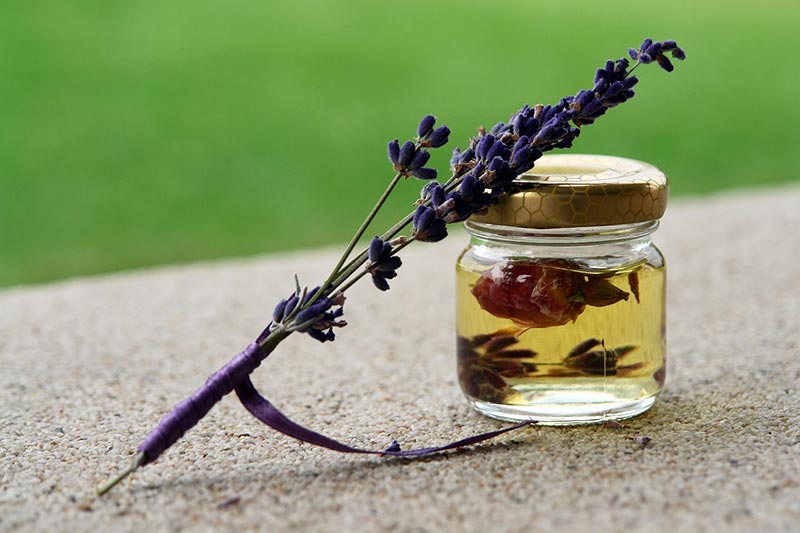
  • Lavender oil
  • Lemon oil
  • Lime oil
  • Orange oil
  • Oregano oil
  • Pennyroyal oil
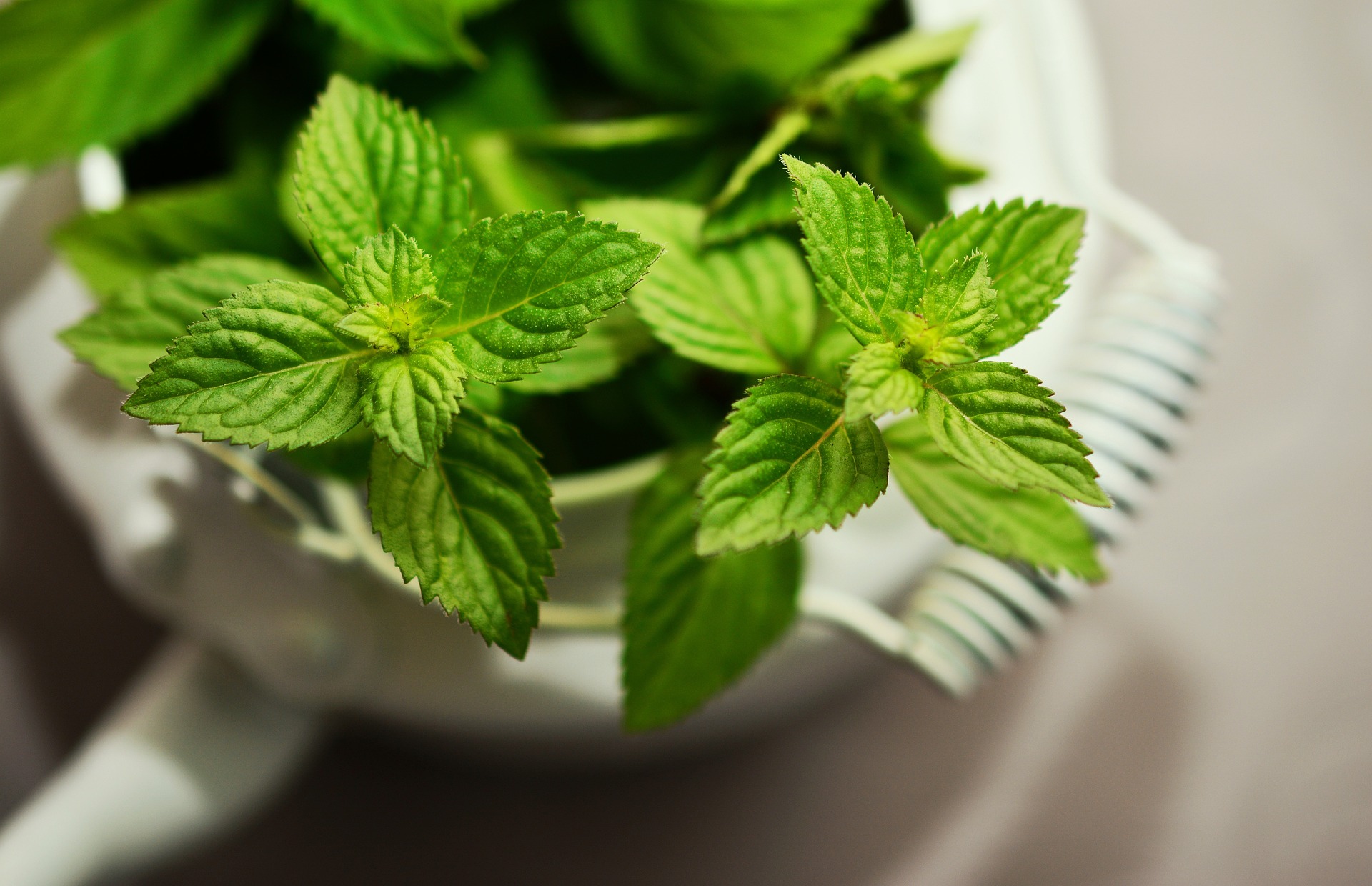
  • Peppermint oil
  • Pine oil
  • Sweet birch oil
  • Tea tree oil
  • Wintergreen oil
  • Ylang ylang oil

Eucalyptus and Cats: Keeping Your Kitty Safe

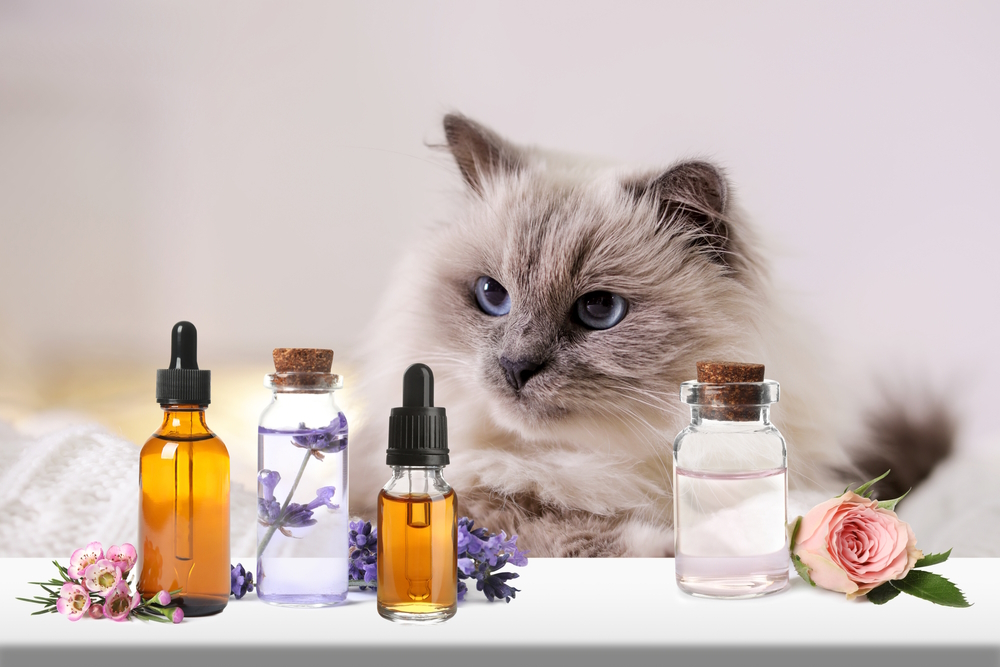
It’s very important to keep your cat safe from the dangers of eucalyptus and other essential oils. When exposed to oil diffusers, cats are at risk of toxicity and respiratory problems associated with inhalation.

Here are some tips for keeping your cat safe from exposure to plant and oil toxicity
  • If you have houseplants, ensure they are non-toxic to cats and any other pets in the household. If you have any toxic plants, remove them from the home or place them in an area that is off-limits to your cat.
  • If you use essential oil diffusers, use only pet-safe oils from reputable brands and dilute them appropriately. Limit the use of oil diffusers as much as possible.
  • Keep all essential oil bottles and diffusers out of reach of your cat. Also, keep any products containing essential oils securely shut and safely stored away.
  • Only use passive diffusers in rooms where your cat can easily escape, or limit access to that room altogether during use. Never use active diffusers in the room with your cat.
  • Avoid using highly concentrated oils or combining different oils, and do not purchase products that do not list their concentration.
  • Talk to a veterinarian about your concerns regarding household products and the safety risks they pose to pets in your home.

divider cats oct 2024

Conclusion

Eucalyptus produces a very unpleasant smell for cats, and it is also considered toxic. Eucalyptol is the toxic component found in the leaves of the plant, and ingestion could lead to troubling clinical signs. If your cat eats eucalyptus or products containing it, contact a veterinarian immediately for further guidance. Keeping eucalyptus products away from your cat is essential, but luckily, most cats dislike the odor and will stay away.


Featured Image Credit: abeldomi, Pixabay

Want content like this delivered to you?

Sign Up For Our Newsletter

News, insights, expert advice, and everything cat

* By submitting, you agree to our Terms & Conditions and Privacy & Cookies Policy.


How useful was this post?

Click on a star to rate (you can leave written feedback after clicking submit)

Help us improve Catster for pet parents!

Your feedback really matters.

What did you like about this post? Also how can we improve it?

Join the conversation

Leave a Reply

You’re very welcome to leave a comment or question. Please know that all comments must meet our community guidelines, and your email address will NOT be published. Let’s have a positive and constructive conversation.


Catster's Digital Magazine is Back!

Vet-approved health & behavior advice

Real cat stories & community features

Chatting About Big Cat Tourism, Lion Hunting, and Learning From Our Mistakes | Chatty Cattys, Episode 26

In this episode of Catster’s Chatty Cattys podcast, Nicole and Dr. Karyn dive into the dark side of big cat tourism and the...

Why Cats Sit by the Door (But Don’t Go Through It)

Door-sitting is one of those quirky little habits that almost every cat owner experiences at some point. You know how it goes: a...

Six Legs Are Better Than Three – How A Tripod Dog and Kitten Found Friendship Through Recovery

Sometimes the most meaningful friendships begin in the most unexpected places. At a Maryland veterinary hospital operated by Last Chance Animal Rescue, two...

The Original Space Invaders – Why Zero Respect for Personal Boundaries Is a Good Thing

Cats have a reputation for being independent, and in many ways they are. But anyone who has tried to work at a laptop...

More related

How to Stop a Cat From Overeating: 9 Vet-Approved Tips & Tricks

Everyone wants their furry feline family member to be happy and satisfied, and your cat having a fulfilled and healthy appetite is part...

Can Cats Eat Carob Chocolate Substitute? Vet-Reviewed Facts & FAQ

Chocolate is well-known for being toxic to dogs, and most cat owners know it is toxic to cats, too. If you are familiar...

Acana Cat Food Review 2026: Recalls, Pros & Cons

Review Summary Introduction ACANA has various premium cat food recipes and flavors that are rich with animal protein and nutrients to ensure that...

9 Best Cat Litters for Kittens (2026) – Reviews & Top Picks

Bringing home a fluffy new kitten is an exciting and memorable time. While you might have picked up all sorts of toys and...

Keep reading

Scottish Fold Cat Health Problems: 7 Vet-Reviewed Issues

Scottish Fold cats have found their way into many pet lovers’ hearts with their unique folded ears and sweet personalities. As with any breed of cat, the Scottish Fold cat has its own set of health issues you need to...

Catster_Health Problems of Scottish Fold

Raw Food Diet for Cats: Vet-Approved Pros & Cons

Choosing the proper diet for your cat is an incredibly difficult decision. You must balance your desire to give your cat what’s best and consider their finicky nature. Time and effort are also big considerations. Raw pet food is all...

raw cat food

Why Does My Cat Bite Me When I Sleep? Vet-Verified Reasons & How to Stop It

It’s natural for cats to bite, and there are various reasons why your kitty might suddenly bite, seemingly unprovoked. Cats are born with innate predatory instincts, so much so that aggressive actions like biting show up naturally during their play...

cat play biting person's hand

Cat Pheromone Sprays: Differences, Comparisons & Top Picks in 2026

Cats receive information and respond to other cats and species through natural pheromones that they release. Pheromones can have a big impact on your cat’s emotions and behaviors and are a powerful tool that can help anxious or stressed cats....

spraying on cat

5 Homemade Dry Cat Food Recipes

When it comes to sorting through the brands and styles of cat food on the market, you might be a bit confused about which ingredients are essential in your cat’s diet. Dry cat food is a cost-effective and easily stored...

Homemade Dry Cat Food Recipes

Can Cats Eat Water Chestnuts? Vet-Approved Nutrition Facts & FAQ

If you enjoy water chestnuts, then you know that despite their name, they actually aren’t nuts at all. Water chestnuts are a delicious crunchy veggie that some cats enjoy munching on. They are safe to eat for cats, though only...

Can Cats Eat Water Chestnuts

Why Do Cats Stay Up All Night? Vet-Verified Behavior

Cats follow a different sleep cycle than humans and may keep you up at night with their activities. Cats are naturally more active during the early morning and evening because they are crepuscular. That said, you may face the issue...

tabby cat at night

Can Cats Eat Chicken Skin? Vet-Reviewed Nutritional Facts

Chicken is a popular protein to feed cats, and many cats enjoy eating poultry-based meals. While it’s not advisable to feed cats poultry bones, it’s generally safe to feed cats chicken skin as long as it’s prepared properly and served...

Can Cats Eat Chicken Skin

Love Cats? So Do We! Join the Catster Community

Stay informed with expert pet care insights delivered straight to your inbox! Discover professional guidance on animal behavior, feeding tips, trusted product picks, and much more.


Sign up for the Catster Email Newsletter

Stay informed with expert pet care insights delivered straight to your inbox! Discover professional guidance on animal behavior, feeding tips, trusted product picks, and much more.