Can Cats Have Bipolar Syndrome? Our Vet Explains

In this article
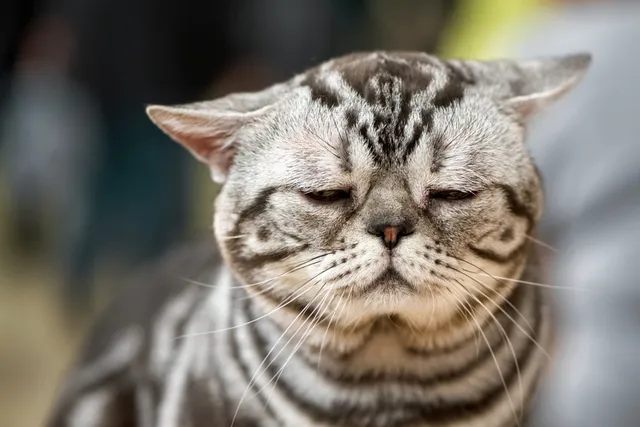
One minute, your cat is cuddling with you as happy as a clam, and the next minute, they are climbing up the curtains, yowling, and acting like a banshee. What could be going on? With such fluctuation in behaviors, one may wonder if their cat could have bipolar syndrome. While this is a reasonable suspicion, it’s important to note that at this time, cats are not recognized as being able to be diagnosed with bipolar syndrome.
In this article, we’ll explore what this condition is, specifics of why it’s not recognized or diagnosed in cats, and tips and techniques for ensuring good mental health for cats in general.

About Bipolar Syndrome
What exactly is bipolar syndrome? The word bipolar can be broken down into the root “bi” which means two and “polar” which can be akin to having extreme opposites on two points or ends of an axis. In people, this mental illness is characterized by two very different moods: that of a very high or elevated mood (termed mania) and that of a very low or hopeless (termed depressive) mood.
These intense and extreme emotional states swing dramatically from one to another over time, with each mood often lasting from days to weeks or months. In between, there is also the potential for a normal mood, called euthymia.
While bipolar syndrome was also previously referred to as manic depression or manic-depressive disorder, there are different types, such as bipolar syndrome type 1 or type 2. What all bipolar diagnoses have in common is that they are characterized by recurring, dramatic shifts or swings in mood. These intense moods can affect the individual’s energy levels, thinking patterns, overall behavior, sleep schedule, etc. In people, a diagnosis is obtained by ruling out other causes followed by a thorough psychological evaluation.
If diagnosed, treatment often includes various medications and psychotherapy (talk therapy).

Cats and Bipolar Syndrome
As mentioned, cats are not recognized to have bipolar syndrome. In fact, it’s a bit tricky to actually assess depression and mania in our feline friends.
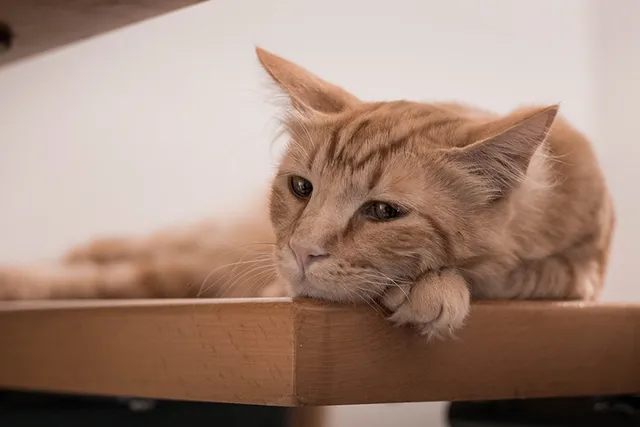
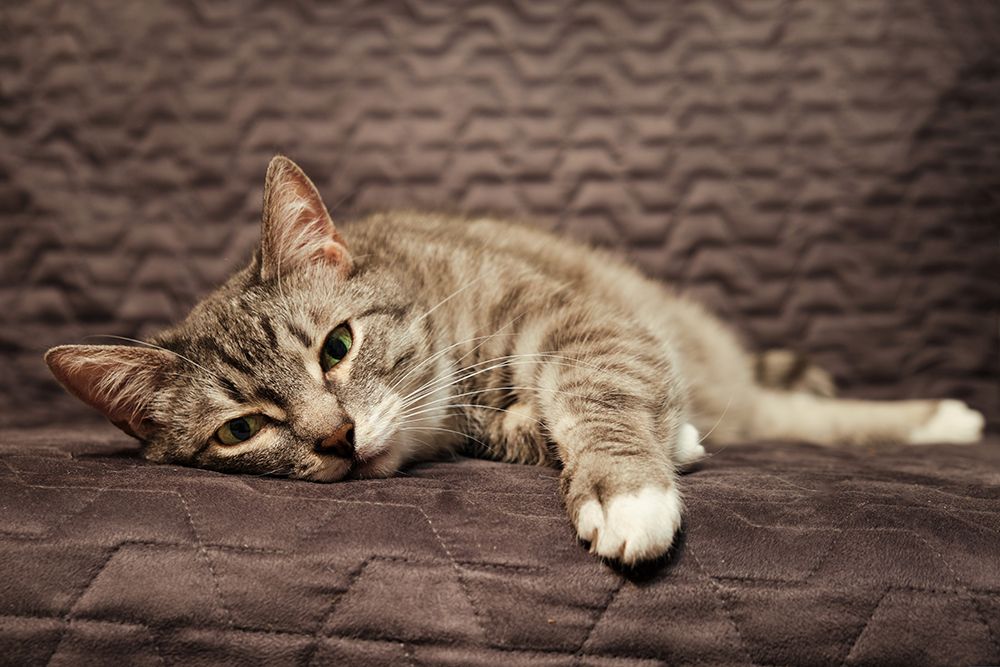
When a pet cat is acting subdued or potentially displaying some of the signs below, one may inadvertently think depression could be a potential cause:
- Personality change
- Not eating
- Lethargy
- Hiding
- Withdrawal
- Decrease in grooming behavior
- Changes in social relationships with people or other pets
If these types of changes in the behavior of a cat are seen, they are most often explained in veterinary medicine by an underlying medical or physical health condition.
While the list of potential reasons for illness is long, some may include:
- Pain - common examples could include pain from an injury, dental problems, or arthritis, (even in young cats)
- Infection
- Kidney failure or obstruction
- Foreign body
- Diabetes
- Anemia (low red blood cell count)
- Cancer
- Feline cognitive dysfunction (dementia)
Regardless of the cause, once a health condition is properly treated, it can make a world of difference in a feline's demeanor and subdued overall behaviors will typically improve.
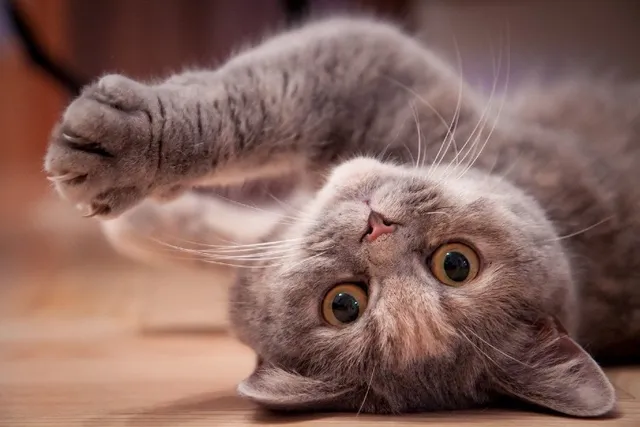
Cats will display varying levels of activity throughout the day, which is normal. While they may sleep much of the time, they can also have their little windows or bursts of activity and energy (hello, zoomies!) since they are predators with natural hunting instincts. These “highs” may be misunderstood by the cat’s owner to be a display of mania.
Some cat owners may also mistake many of the following for mania:
- Extremely high activity levels (hyperactivity)
- Aggression
- Losing weight despite eating well
- Pacing
- Excess vocalization
- Excess grooming
- Irritableness
Some underlying health conditions that may be actually causing these behaviors might include:
- Anxiety/fear
- Compulsive disorders
- Pain
- Stress
- Allergies, such as flea allergy dermatitis
- Hyperthyroidism
- Feline cognitive dysfunction (dementia)
- An official diagnosis of hyperactivity
Again, if one of these (or another) health conditions is the cause of what appear to be “manic” behaviors, proper medical treatment can help bring a cat back to baseline. Furthermore, while cats do exhibit signs of stress and can have mental health conditions diagnosed such as compulsive disorders or cognitive dysfunction, these would be diagnosed after other medical causes are ruled out.

Diagnosis of Bipolar Syndrome in Cats
As the above discussion illustrates, signs in a cat that would normally be considered to be “depressive” or “manic” in humans are most often explained in veterinary medicine by some other underlying medical condition. In addition, a cat’s more extreme moods do not stay and last for long periods of time and then cycle to the opposite end of the spectrum like bipolar syndrome in people.
Furthermore, because bipolar syndrome requires consistently alternating manic and depressive states to be diagnosed, it is easy to see how bipolar syndrome diagnosis is not recognized as an option for a cat.
In addition, in the medical testing world, it has been difficult to use animal subjects for modeling medical treatment for bipolar syndrome in people. Some of the reasons for this, as set out below, help explain even more why cats have been unable to be diagnosed with this disease.
Many of the qualifying characteristics of bipolar syndrome in people are not able to be evaluated in animals. Because veterinarians can’t talk to their patients and their patients do not have the same awareness and cognitive abilities as people, evaluating feelings of worthlessness or guilt, for example, is just not possible.
In the human world, testing using animal models for bipolar syndrome has had to be separated into two categories: one group with animals that are modeling mania, and one group that is modeling depression. There has not been a successful group that has exhibited both depression and mania. Even further, there has not been shown a way to replicate the characteristic cycle between the two in animals.
While cat behavior can be complex and can fluctuate widely, there could be additional reasons for this behavior besides the aforementioned health causes. Not only do a cat’s genetics play a role, but aspects such as what occurred during their socialization period as kittens, life experiences, individual personality, etc., all can come into play. Many times, their mood or variations are triggered or activated because of an external factor in their surroundings, rather than a biochemical abnormality going on in their brain.
How to Help Your Cat
If your cat is suffering from what appear to be signs of hyperactivity/mania and depression, what can you do?
- Plan a visit to your cat’s vet. Rule out any medical causes for the behavior changes. Many times, changes in behavior can be attributed to a medical problem which, when treated, can help resolve changes in behavior. Some cases may benefit from a veterinary behaviorist, a veterinarian who specializes in animal behavior and has more advanced training in managing behavior modification plans and psychotropic medications.
- Be a detective! Try to think like a cat and see if you can parse together potential reasons for the behavior that you would normally not be aware of. For example, some stressful event or change in routine such as a recent move or new addition to the family (furry or human!) may be at play. Another example could be that a cat goes haywire near a certain area because they’ve observed from that room’s window an outside feral cat slinking around.
Some components for encouraging overall good mental health for a cat that you can implement at home may include:
- Offering safe, comforting, and quiet places to rest, perch, or hide. This could be as elaborate as a large cat tree or as simple as a box placed in a quiet area with a blanket inside.
- Proper litter box etiquette - one more litterbox than the number of cats placed separately throughout the home. Ensure they are cleaned routinely and regularly.
- Calming products such as a pheromone diffuser.
- Environmental enrichment - varying rotation of favorite toys such as prey toys, tunnels, catnip, opportunities for watching birds, etc.
- Ensure you are giving your cat their desired amount of attention, affection, and interactive playtime; this will vary from cat to cat.
- Mental stimulation such as clicker training, working for food/treats, and incentivizing with treat balls/food puzzles.

Conclusion
While cats aren't currently able to be diagnosed with bipolar syndrome, they may have other mental and/or physical health conditions that could be influencing how they conduct themselves.
If your cat is displaying concerning behaviors towards themselves or others, promptly starting a conversation with their veterinarian will help ensure the best outcome.
Sources
Featured Image Credit: Zhuravlev Andrey, Shutterstock

Expert cat care, straight to your inbox
Vet-reviewed advice, behavior tips, and the best of Catster. Free, and you can unsubscribe anytime.
By signing up, you agree to our Terms & Conditions and Privacy & Cookies Policy.
Dr. Rachel Ellison DVM (Veterinarian)
Dr. Rachel Ellison lives on a mountain in Utah with her husband, daughter, and son, as well as their animal menagerie— a Bernese Mountain Dog, a Bengal/Siamese mix, and an orange tabby cat, as well as numerous chickens. During her free time, she enjoys being with those she loves, cooking and baking, reading, hiking, sharing her knowledge about cats, and exploring nature and the world around her.
Join the conversation
Ask a question, share your story, or send private feedback.