How to Tell if Your Cat Is Depressed: 9 Vet-Reviewed Signs to Look For

In this article
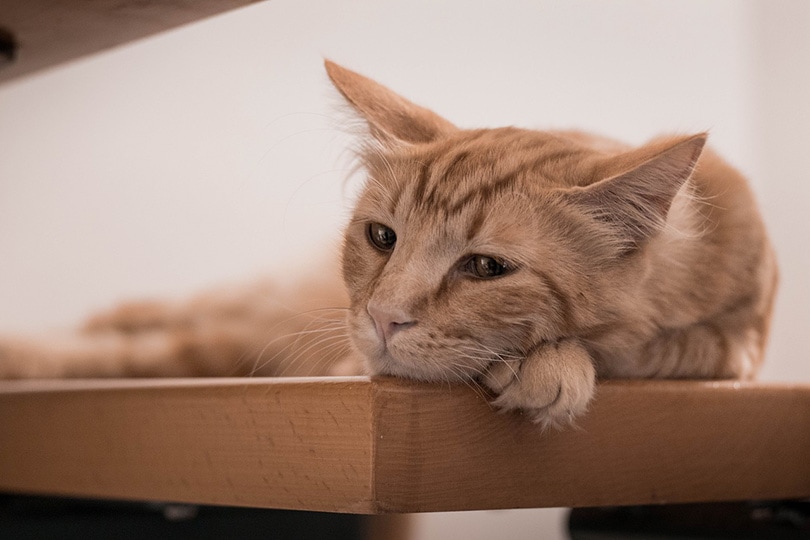
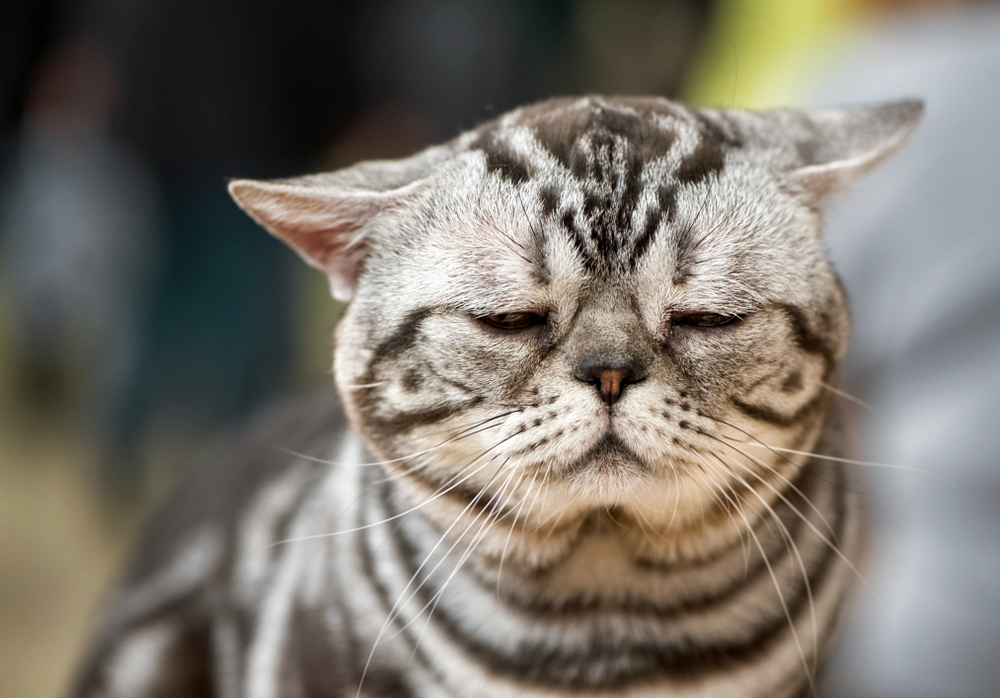
Although cats have a reputation for being aloof, they can actually feel a range of emotions. When a cat experiences significant changes in their life, they can develop signs consistent with depression. Although they can’t tell us how they are feeling, we can make some assumptions based on their behavior. Common causes of depression include the loss of a companion, loss of mobility and independence, illness, and boredom.
Different cats will have their own unique experiences with depression. So, depression can look different from cat to cat. We’ve listed several common signs and behaviors in depressed cats. If you notice any of these signs in your cat, it’s possible that they’re experiencing depression.

The 9 Signs of Depression in Cats
1. General Disinterest
Cats with depression can lose interest in things they once enjoyed. They may not like playing with their favorite toys and not be as enthusiastic about eating special treats. It can be difficult to motivate or engage them to exercise, play, or eat. Many times, it can seem like your cat just wants to be left alone. They might withdraw and find a hiding spot where they’re most likely to be left undisturbed.

2. Lethargic
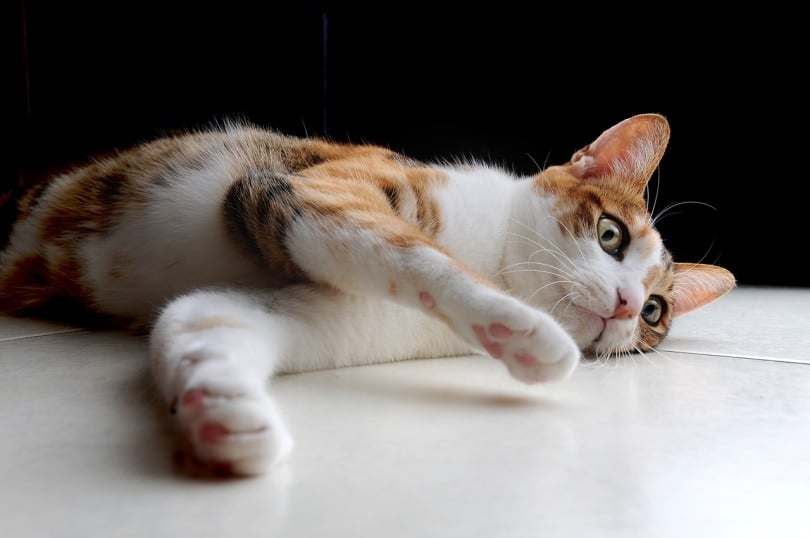
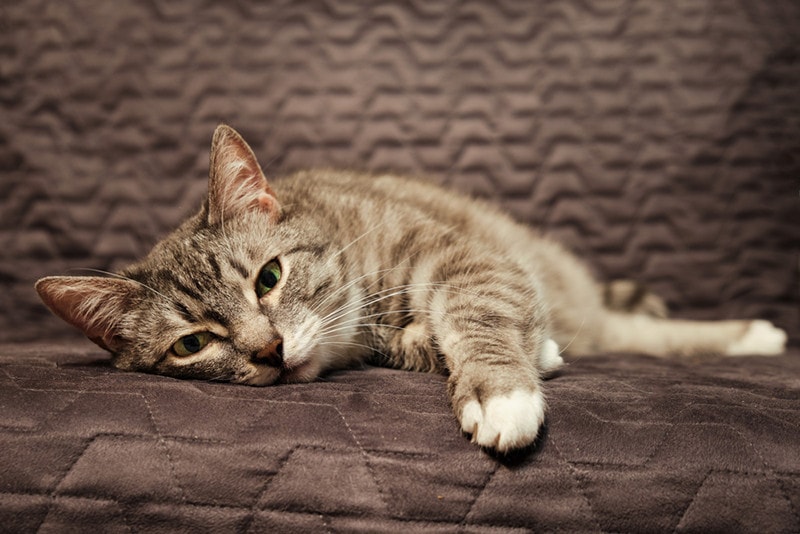
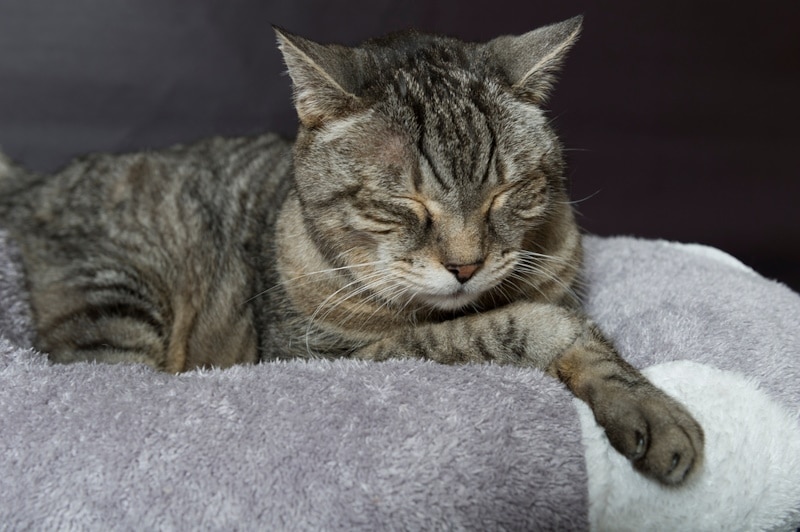
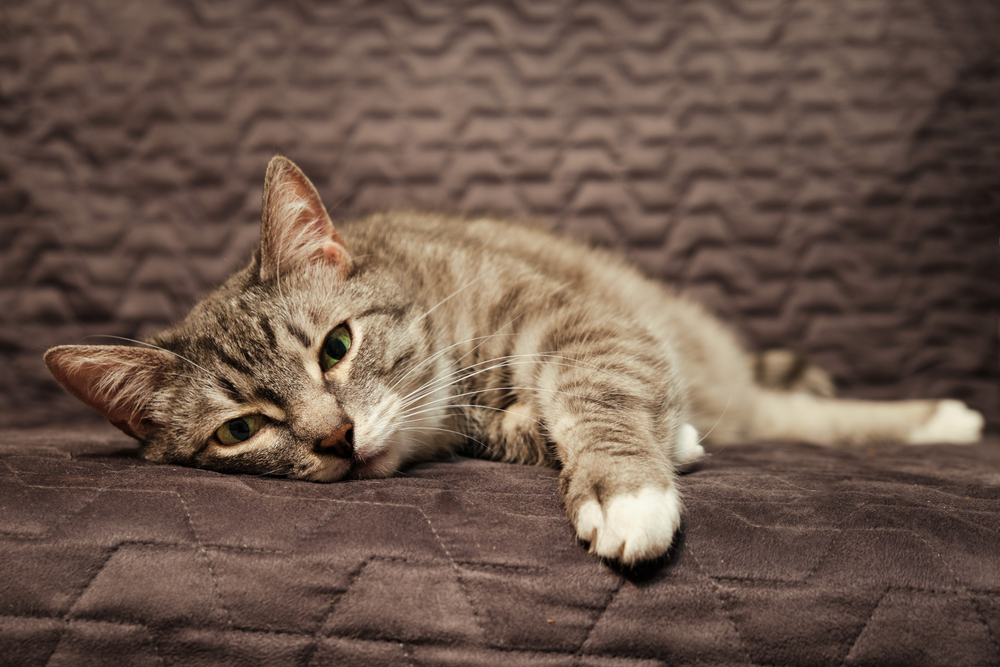
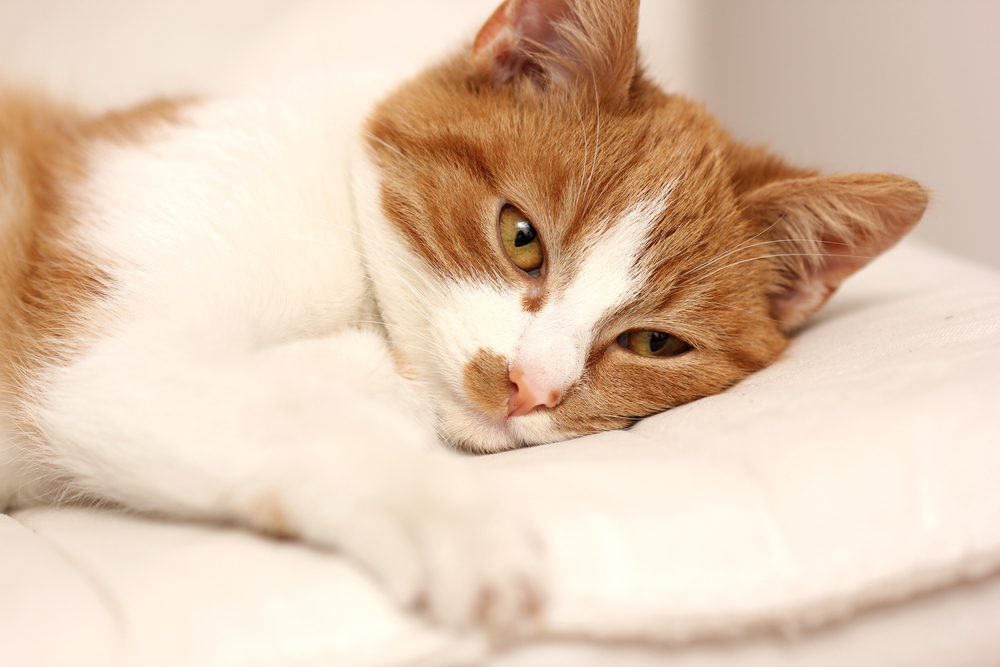
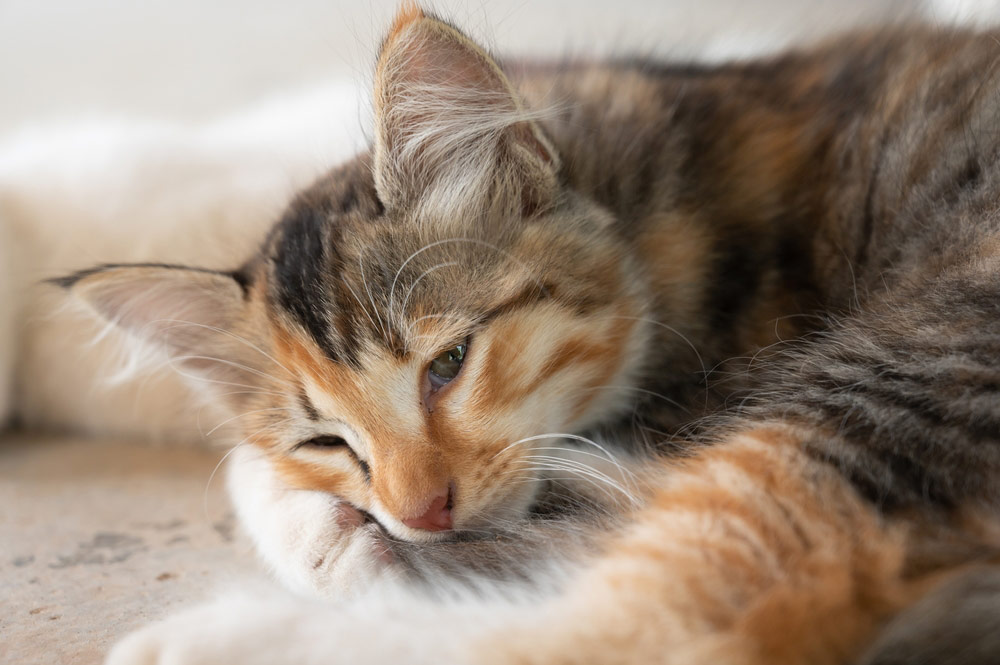
Another sign of depression in cats is lethargy. Your cat may sleep more than usual. Cats do generally sleep a lot, and healthy adult cats can sleep anywhere between 12 to 16 hours a day. However, depressed cats may lie down and sleep even more. They’ll often decide to lie down rather than engage in a different activity like eating or playing. You may also experience a more difficult time getting your cat to move, and they’ll make it pretty clear that they just want to be left alone and unbothered.
Of course, lethargy can be a sign of other illness or injury. So, it’s important to have a veterinarian rule out any physical illness if your cat is showing signs of depression.
3. Lack of Grooming
Cats are natural self-groomers, and they usually do an excellent job of keeping themselves clean on their own. However, depression can cause changes in a cat’s grooming habits, and it may impair their ability to take care of themselves in this way.
Along with their general disinterest in activities, some cats may become disinterested or lack the motivation to clean themselves. You’ll notice their hair looking unkempt and an increased amount of dirt left on their coat. Overgrooming is also a sign of stress that can lead to increased hair loss and patches of bald spots in your cat’s coat.

4. Changes in Litter Box Habits
Some cats may develop changes in their litter box habits. You may see completely litter box-trained cats suddenly start to urinate outside of their litter box. It’s speculated that depressed or anxious cats will urinate in different areas of the house because the scent of their urine can comfort or calm them. Therefore, you may notice your cat starting to urinate in multiple rooms, including bedrooms, bathrooms, and kitchens.
Cats can actually develop signs of cystitis and even a urinary obstruction which is a medical emergency in response to stress. If your cat is showing straining to urinate, has blood in the urine, or urinating more than usual, you should seek urgent veterinary care.
5. Clinginess
Cats can become extra clingy with their owners when they’re depressed. They can start to follow their owners all over the house, demand constant attention, or start sitting or sleeping on them. Some cats may even develop separation anxiety and become highly distressed when their owners leave the house.
Cats that are normally independent can also become increasingly clingy when they’re depressed. Confident and social cats may develop stranger anxiety and become more fearful of any guests or visitors that enter the home.
6. Increased Agitation or Aggression
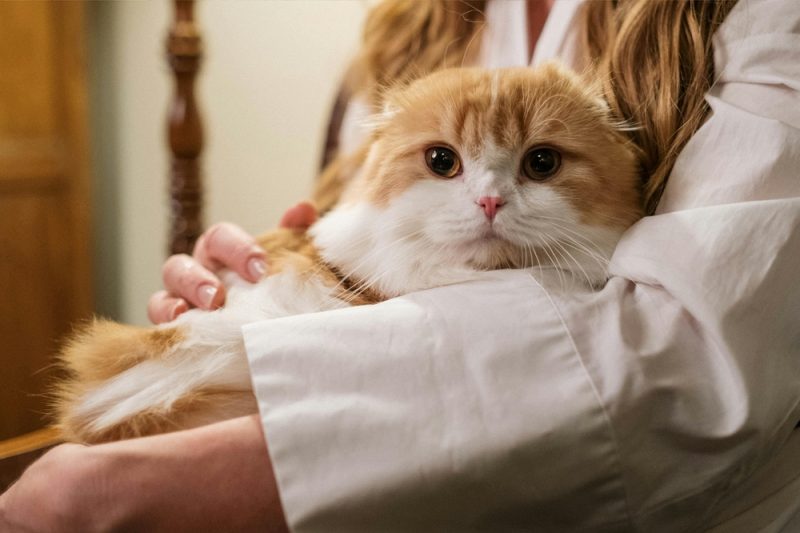
In contrast to clinginess, some depressed cats may become more aggressive instead. Your cat can get more easily irritated, and even cats that are normally docile can show signs of aggression when they’re depressed. They may not want to be touched, picked up, or petted.
Signs of aggression in cats include hissing, biting, chattering, scratching, and growling. Your cat may also try to chase you away when they really want to be left alone. Similarly to other signs on this list, a cat can become aggressive when in pain or unwell, so a veterinary check is vital.
7. Hiding
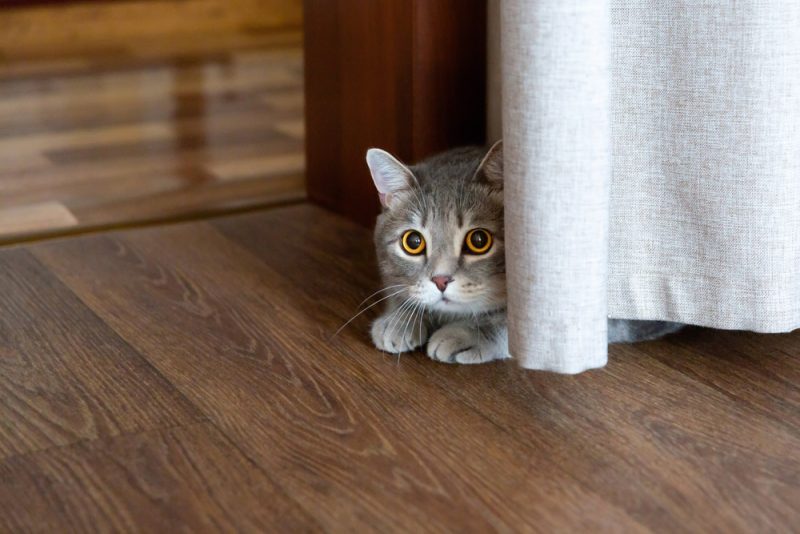
As many depressed cats just want to be left alone and undisturbed, they may start to hide more. Some cats may find new hiding spots in the home that make it less likely for them to be found and disrupted.
If your cat lives with other cats or pets, they may choose to hide from their animal companions, too. Cats who are usually social can also start to prefer being left alone and no longer greet people at the door.

8. Appetite Changes
Depression often causes changes in eating habits. Since depression affects all cats differently, some cats can lose interest in eating, while others may want to eat more. Sometimes, the cause of your cat’s depression will affect their appetite. For example, if your cat’s depression is linked to pain or anxiety, it’s more likely for your cat to have a lower appetite. If your cat’s depression is connected to boredom, your cat may resort to overeating.
9. Pain
It’s important to note that depression can accompany chronic pain and illnesses. Cats that have been diagnosed with a chronic health issue may become depressed, especially if the condition impairs their quality of life significantly.
For example, older cats with arthritis may start to show signs of depression as they lose their ability to jump on high counters or climb cat trees. Cats may also feel more anxious when they experience chronic pain and may fall into depression as they can no longer move around like they once used to.


What Causes Depression in Cats?
Cats have unique personalities and preferences. What may trigger depression in one cat may leave another cat feeling completely unaffected. Therefore, it’s helpful to have a general understanding of different experiences that can cause cats to become depressed. Understanding what has caused or is causing your cat’s depression can help immensely with helping them feel better and getting them back to their normal self.
Cats are sensitive animals that can become significantly affected by changes in their environment. Therefore, moving homes, changes in routine, or switching roommates can all cause cats to feel anxious or depressed. Cats can also be affected by changes in family dynamics. Familial events, such as a newborn baby, separations, and divorces, can all cause cats to feel depressed.
As cats are capable of forming strong bonds, they can also become depressed after experiencing the loss of a companion. For example, they can feel significant sadness after they’re separated from their owners. It’s common for cats in a bonded pair to develop some form of depression after their partner passes away.
Problems in the cat’s environment like lack of stimulation, or social conflicts can result in poor quality of life and depression. Pain and illness, especially ongoing conditions can lead to cats showing signs of depression.
How to Help Cats With Depression
If you suspect your cat is depressed or notice any significant behavioral or mood changes, it’s best first to take them to your veterinarian. Your veterinarian can help rule out any medical factors that may be affecting your cat’s behavior.
Before going to your veterinarian appointment, it’s helpful to make note of several factors tied to your cat’s possible depression. Try to identify when the behavioral changes started and any possible factors that may contribute to these changes. You should also watch for signs of illness like vomiting, increased thirst, and changes in toileting. This information may help your veterinarian make an accurate diagnosis.
There are a variety of things you can try to help cats with depression, and the methods you choose will depend on what’s causing your cat’s depression.
Change Their Routine
If your cat’s depression is linked with boredom, changing their routine by adding more playtime, different treats, and introducing new toys can all help lift your cat’s mood. Provide environmental enrichment like cat TV and music.
Give Them More Attention
When cats are grieving the loss of a companion, they may require more attention as they get used to the loss. You can give a grieving cat reassuring pets and scratches and comfort them by staying home with them more.
Speak With Your Veterinarians
If your cat’s depression is related to pain or a health issue, ask your veterinarian about any possible treatments that can help alleviate their pain or discomfort. Some cats may feel better after getting acupuncture or a massage. Older cats with arthritis may feel better if you install ramps or stairs in your home so that they can still access certain places on their own.
Sometimes, cats can benefit from taking behavioral medication to reduce anxiety and depression. You can have a discussion with your veterinarian to determine if this course of action will benefit your cat.

Speak With a Cat Behaviorist
Lastly, working with a cat behaviorist or trainer can help you come up with a plan to help your cat through their depression. A cat behaviorist can observe your cat and develop a treatment or training plan with concrete steps you and your cat can follow. They can also recommend any home modifications or products that can help lift your cat’s mood.
Conclusion
Depression can become a mental health issue that reduces your cat’s quality of life. So, it’s important to address it as soon as possible. It’s recommended to consult your veterinarian if you notice behavioral and mood changes in your cat. Your veterinarian can provide options for helping your cat, and you can also connect with a cat behaviorist to find ways to help your cat feel better.
Featured Image Credit: art nick, Shutterstock

Expert cat care, straight to your inbox
Vet-reviewed advice, behavior tips, and the best of Catster. Free, and you can unsubscribe anytime.
By signing up, you agree to our Terms & Conditions and Privacy & Cookies Policy.
Jessica is a freelance writer who spends most of her day researching and writing while her fluffy Cavapoo, Nora, naps beside her. She loves and appreciates pets and animals because there’s so much to learn from them, and they do so much for people. As a dog owner, she understands the special connection that pet owners form with their pets. She loves sharing helpful information that people can use to better understand their pets. When she’s not writing, you can find her walking dogs, tending to her plant babies, or drinking her nth cup of coffee.
Join the conversation
Ask a question, share your story, or send private feedback.