Feline Lower Urinary Tract Disease: Our Vet Explains the Causes, Signs & Treatments

In this article
Is your cat urinating frequently? Are they going outside of the litter box? These signs may be vague or quite prominent. Your veterinarian might refer to the cause as feline lower urinary tract disease. Let's look at some of the potential causes, as well as what you can do to help your cat.

What Is Feline Lower Urinary Tract Disease?
Feline lower urinary tract disease, or FLUTD, is a catch-all term for conditions affecting the bladder and urethra, which comprise the lower portion of the urinary tract.
Several potential conditions are often lumped together as FLUTD. In some cases, your cat will get better without treatment, but the condition can recur. Typically, cats with FLUTD are young adults to middle-aged adults, but any age can be affected. Stress and obesity may increase the risk of developing FLUTD.

Urinary Tract Infections
UTIs are often what we think of when cats show urinary changes, and with good reason: they are a common cause of urinary signs. These bacterial infections generally need to be treated with antibiotics.
Feline Idiopathic Cystitis
Feline idiopathic cystitis (FIC) is when your cat's bladder becomes inflamed without evidence of bacteria or other issues such as stones. Your cat can develop a urethral obstruction even without bacteria triggering the inflammation. Unfortunately, FIC appears to be the most common cause of FLUTD, according to the Cornell Feline Health Center.

Bladder Stones
Urolithiasis can be painful for cats. Your cat could have just one stone or multiple. Unlike in dogs, many cases of bladder stones are not associated with a bacterial infection. They appear to be linked to your cat's diet and even their genetics.
What Are the Signs of Feline Lower Urinary Tract Disease in Cats?
If your cat has FLUTD, you might see one or more of the following signs:
- Urinating outside of the litter box
- More frequent urination (pollakiuria)
- Blood in the urine (hematuria)
- Increased amounts of urine (polyuria)
- Drinking excessively (polydipsia)
- Crying out when urinating
- Licking excessively near their previous or vulva
- Lethargy
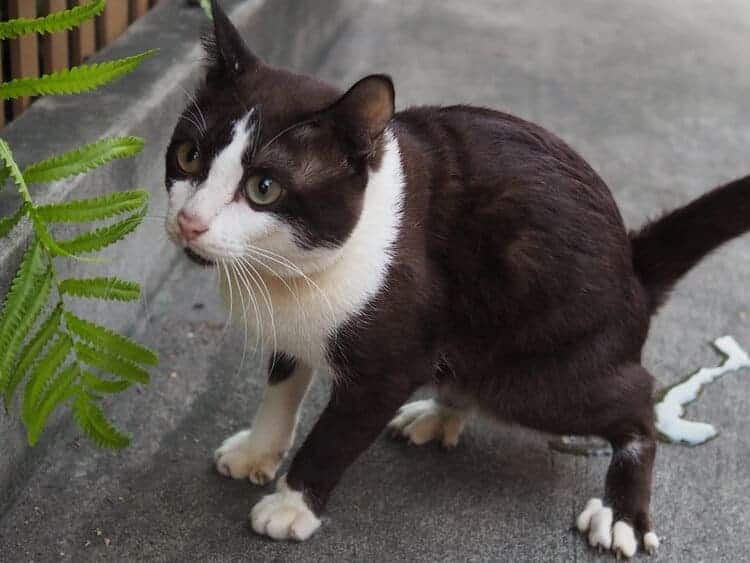
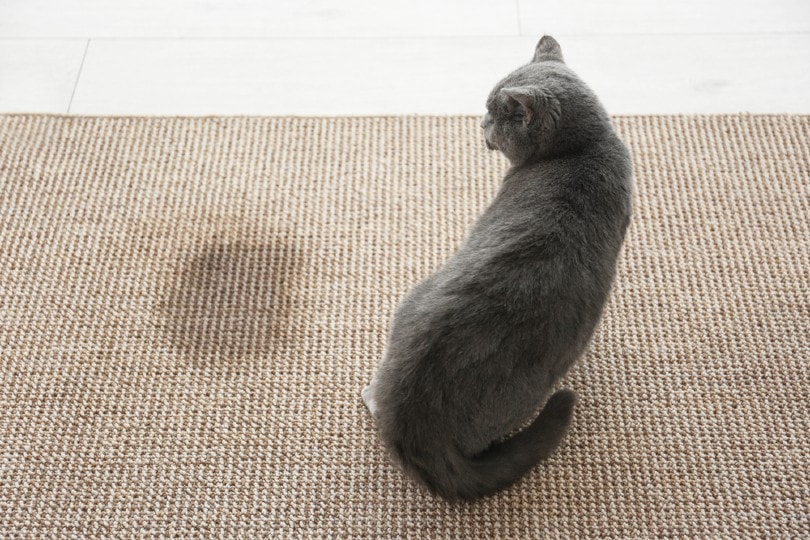
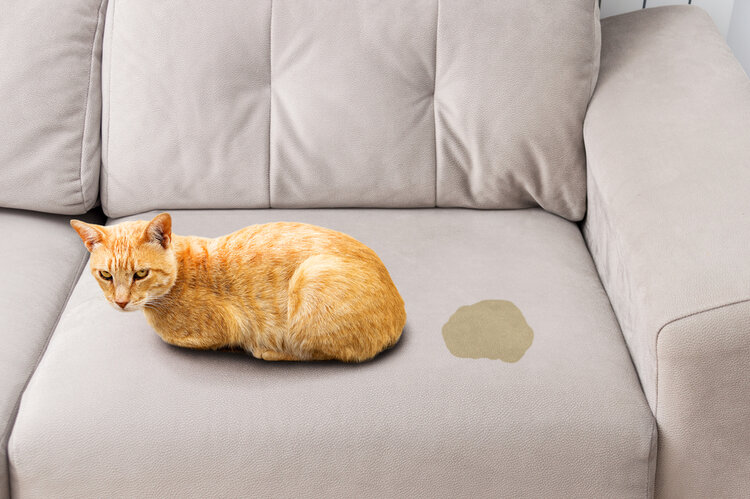
Your cat might urinate adjacent to but not in the litterbox, or they could urinate in areas like a closet, on your rug, or even in your shoes. If your cat attempts to urinate and can't or only produces a small amount of urine, they must be seen by a veterinarian immediately. Your cat could have a urethral obstruction, which is life-threatening.
What Are the Causes of Feline Lower Urinary Tract Disease?
Your cat could develop FLUTD for various reasons, and they're not always clear-cut. Some risk factors are:
- Diet
- Variances in anatomy
- Genetics
- Obesity
- Underlying conditions, such as kidney failure or diabetes
- Stress
Stress appears to be a major factor, especially in cases of feline interstitial cystitis. It can be incredibly difficult to pinpoint stressors. It is relatively apparent in some cases: a new family member, moving, or cats fighting at home.
Your cat could have other causes of stress. Different scents in the house could impact your cat. Outdoor cats coming up to the windows or doors or fireworks one night could also affect your cat.
How Do I Care for a Cat With Feline Lower Urinary Tract Disease?
Treatment for feline lower urinary tract disease will depend on what the problem appears to be. In many cases, your veterinarian will suggest a multi-pronged approach to help control signs of FLUTD with diet, medication, and stress management.
Diagnosing FLUTD
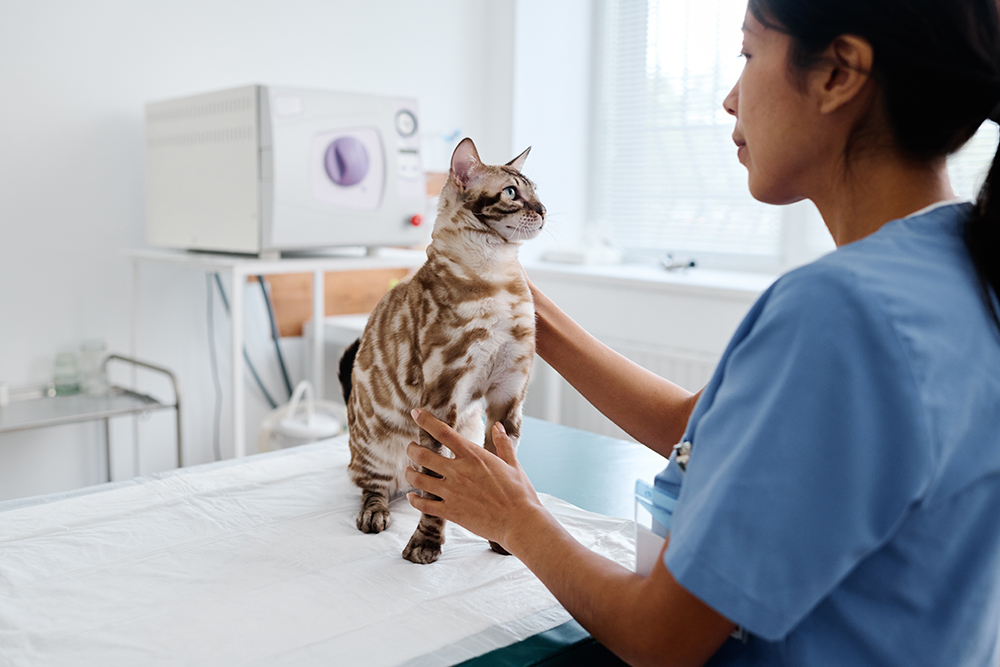
If your cat has FLUTD signs, schedule a veterinary appointment as soon as possible. If your cat is not urinating, they need to be seen on an emergency basis. Your vet will usually start with a physical exam and a urinalysis. The urinalysis will look for changes such as crystals, white blood cells, and bacteria. It will also show if glucose is in the urine, which would suggest diabetes.
Your veterinarian may recommend blood work to examine your cat's blood sugar level, kidney values, and more. Ultrasound or radiographs (X-rays) are used to image the bladder and kidneys, checking for stones and other changes.
Treatments for FLUTD
Your veterinarian will use medications for certain conditions:
- Antibiotics if there is evidence of a bacterial infection, such as Clavamox
- Anti-inflammatory medications for discomfort and inflammation, such as Onsior
- Antispasmodics to relax the urethra
Diet therapy is a mainstay of treating FLUTD. For cats with bladder stones or crystals, diets such as Hill's c/d or Royal Canin Urinary SO can help dissolve the crystals. These diets also encourage water consumption, which helps many cases of FLUTD. Increase your cat's water intake. In addition to urinary diets, you can offer canned food or add water to your cat's food. Water fountains encourage some cats to drink.

Stress Management for FLUTD
Beyond medications, there are several options to help your cat with signs of stress. Pheromones such as Feliway help decrease stress.
Make sure you have multiple litter boxes. If your cat urinates outside the box in one place, try putting a litter pan there. The general rule of thumb is that you need at least one box per cat in the house, plus one additional one.
In cases of conflict between multiple cats, try to decrease competition. Place litter boxes, food, and water in areas where your cats don't have to compete. Cat trees can give your cats extra levels to explore and escape from stress.
You should also increase environmental enrichment for your cat. Feline puzzle toys can engage your cat while they eat. Scratching posts and interactive play help encourage normal, healthy cat behaviors and decrease stress.
Frequently Asked Questions
How long do cats live with feline lower urinary tract disease?
Unless your cat develops a life-threatening urinary obstruction, their lifespan is not likely to be impacted by FLUTD unless its signs are unmanageable. Some pet owners seek euthanasia or rehoming their cats if the signs cannot be managed, but this should always be a last resort.
What ingredients in cat food cause urinary problems?
Diet is one of the causes of FLUTD. Some foods have higher levels of phosphorus, magnesium, or calcium, all of which can contribute to bladder crystal and urinary stone formation. Your cat could also have issues if they're not drinking enough water, so offering canned food can be an extra source of moisture to decrease the development of urinary signs.
Conclusion
Feline lower urinary tract disease can be very frustrating for pet owners. You'll need to work closely with your veterinarian to identify the potential underlying causes and treatment options. Encourage water intake, do your best to limit stress, and feed a high-quality diet to minimize the chance of your cat developing FLUTD.
See also:
Sources
Featured Image Credit By: Lightspruch, Shutterstock

Expert cat care, straight to your inbox
Vet-reviewed advice, behavior tips, and the best of Catster. Free, and you can unsubscribe anytime.
By signing up, you agree to our Terms & Conditions and Privacy & Cookies Policy.
Dr. Samantha Devine DVM (Veterinarian)
Samantha Devine is a practicing veterinarian who loves to share her experience with animal species and their health. Whether it's a guinea pig question or a pressing matter about something your cat ingested, she strives to provide clear answers. She is passionate about preventative care and firmly believes in the old adage, "An ounce of prevention is worth a pound of cure."
Dr. Devine has been practicing veterinary medicine for over 12 years and has spent a great deal of that time writing online to educate pet owners. In addition to general practice small animal medicine, she has worked with horses. zoo animals and aquatic species. She enjoys all aspects of preventative medicine, from nutrition to vaccines.
Dr. Devine received her degree from the Virginia Maryland Regional College of Veterinary Medicine.
Join the conversation
Ask a question, share your story, or send private feedback.