Get

In Your Inbox

Catster is reader-supported. When you buy via links on our site, we may earn an affiliate commission at no cost to you. Learn more.

How Do Cats Grieve? The 7 Vet-Reviewed Ways They Show Mourning

Share

sad, bored or sick cat

Any cat owner knows that cats are interesting and peculiar creatures. Most march to the beat of their own drum, and sometimes, it’s hard to decipher a cat’s feelings and emotions.

Cats are masters of hiding when they’re sick, but what about when they grieve? Can you tell when your cat is sad and in mourning? Interestingly, even though cats hide when they’re sick, they may not hide when they’re grieving, depending on how closely bonded they were with the deceased pet or human. Although a lot remains unknown about cats’ grief, studies have shown that this is certainly possible but may be partly influenced by the owner’s interpretation as well.1

In this article, we’ll discuss the signs to watch for that will tell you if your cat is grieving. Some cats will mourn and grieve the loss of a human or animal companion, while others won’t, so let’s look more into the surprising details.

If your cat seems to be grieving, but they are lethargic, unwilling to move, or not eating, they will need to be examined by a vet promptly, as they could also be sick or become dehydrated.

divider 3 paws

The 7 Possible Ways Cats Grieve & Show They Are Mourning

1. Decreased Appetite

One sign your cat is grieving may be reduced appetite. Some cats may be picky eaters, making this sign not so obvious depending on your cat’s normal eating habits. However, if your cat is usually a good eater and is not eating much, it may be due to grief, as 46% of mourning cats may experience a decreased appetite.1

We should note that if your cat is not eating, it’s vital to consult your veterinarian. Not eating can cause a life-threatening condition called hepatic lipidosis, also known as fatty liver syndrome, or it may be a sign of an underlying illness unrelated to mourning.


2. A Change in Energy Level

A grieving cat may display a decreased interest in play and become quiet. On the other hand, your cat may become overactive or hyper. The way to gauge this change in behavior is to compare your cat’s normal energy level to the energy level after losing a close companion. If you notice a change in activity levels, it’s probably due to grief. However, if your cat is lethargic, especially if they are older or suffering from an underlying health issue, it’s crucial to get them checked over by a vet, as signs of illness may be easily mistaken for grief.

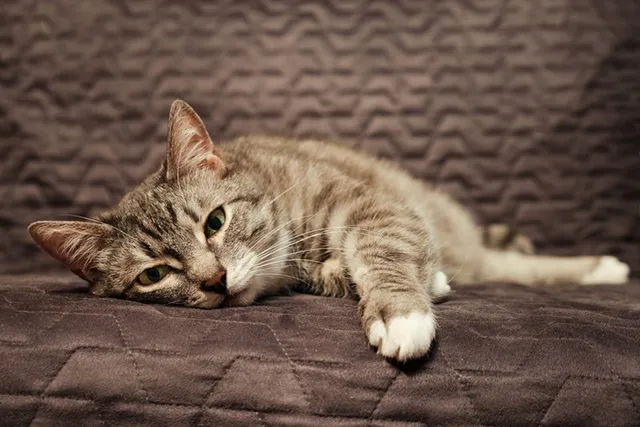
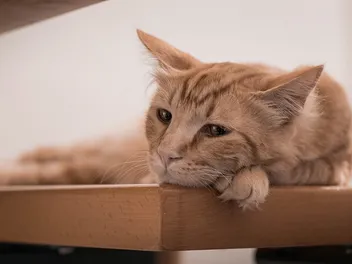
sad looking cat lying on a table
Image Credit: avi_acl, Pixabay

3. Increased Vocalization

A grieving cat may start vocalizing much more than usual. In fact, 70% of cats in mourning will either have an increase in vocalization or become quieter as a result of grief. A grieving cat may also be vocal at unusual or odd times of the night.

There are many other reasons why your cat may have increased vocalization, from physical pain or injury, underlying illness such as hyperthyroidism or high blood pressure, cognitive decline in older cats, or a territorial issue, to your cat’s specific breed. However, if your cat has recently lost a companion, the increased vocalization is probably due to the grieving process, but it’s worth getting them checked over by a vet to be sure.


4. Searching for Lost Companion

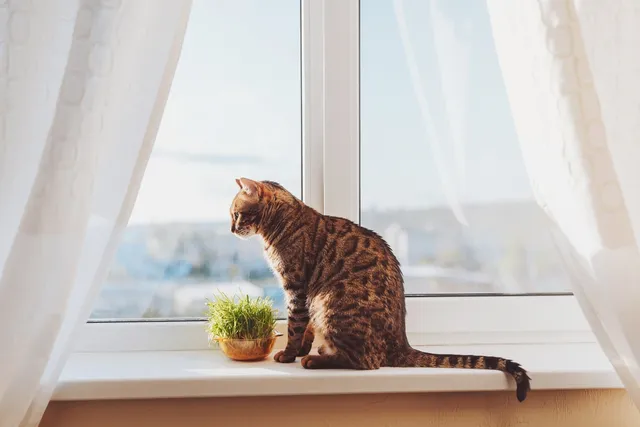
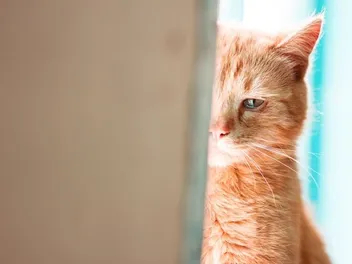
A cat may wander the home and surrounding areas for their lost companion. You may notice your cat investigating areas they have never shown interest in before, or your cat may constantly stare out the window, hoping the lost companion returns home.

On the contrary, your cat may hide in unusual places, such as under your bed or hiding in a room they never frequent.

cat sitting near window
Image Credit: OlegDoroshin, Shutterstock

5. Increased Neediness

Your cat may become clingy during the grieving process, which could lead to separation anxiety. Your cat may demand to sleep with you or constantly desire the company of your lap; your cat may also meow or get stressed and anxious when you leave home, which can be heartbreaking.

Separation anxiety can lead to unwanted behaviors, such as urinating or defecating outside the litter box, being destructive, or excessive grooming. Your veterinarian can help construct a plan to decrease the behaviors with medications or explain behavior modifications.


6. Stress-Induced Health-Related Issues

Stress-related health issues can cause a whole slew of problems ranging from excessive grooming, aggression towards people or other pets, going potty outside the litter box, diarrhea, constipation, decreased appetite, excessive scratching, and hiding. Your cat may also sleep more than usual.

If your cat displays any of these signs, it is important to have your cat checked by your veterinarian to rule out possible health-related issues.


7. “Depression”

A grieving cat will more than likely be “depressed”, which can involve many changes in their mood and behavior, many of which we’ve listed in this article. A cat suffering from depression-like disorder could experience a loss of appetite, lethargy, loss of interest in play, increased vocalization, hiding, excessive grooming, not using the litter box properly, an increase in sleep, and many others

If your cat is displaying any of these signs, a trip to your veterinarian is warranted to rule out a possible medical issue.

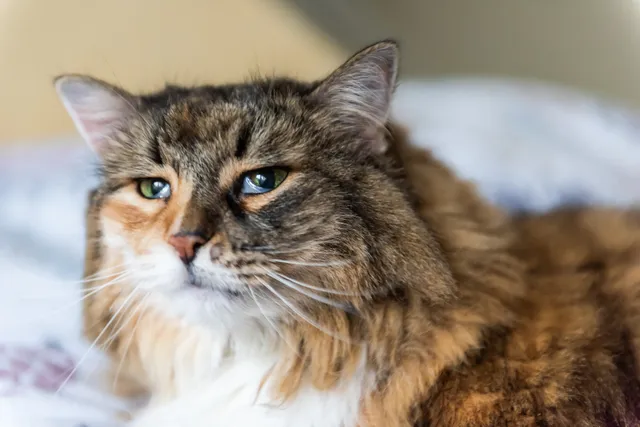
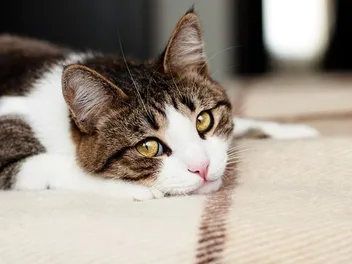
sad lonely cat lying on bed
Image Credit: medveda, Shutterstock

divider 3 paws

How Can I Help My Cat Cope with Grief?

No cat parent wants to see their cat grieving, but how can you help your grieving cat? Luckily, there are many ways, but first ensure your cat gets checked out by a vet, to rule out any underlying health issues.

They are as follows:
  • Spend more quality time with your cat. Try to engage your cat to play with you or allow your cat to snuggle with you if that’s something they desire. You can also keep your cat’s favorite treats handy; just take care not to overfeed your cat.
  • Make sure your cat has entertainment when you’re gone, such as leaving out a favorite toy or supplying them with a new scratching post.
  • Reinforce good behavior and ignore negative behavior. A mourning cat may vocalize more, and you should resist giving a treat to show this behavior is not desirable.
  • Be more affectionate with your cat and shower them with lots of love.
  • Invite a favorite person of your cat (if they have one) to spend quality time with. If your cat has a four-legged companion, by all means, have that companion over to spend time with your grieving cat.
  • Give it ample time before you replace your lost furry companion. Doing it too soon may produce negative results for your grieving cat.

Tips for Keeping Your Cat Safe

We all want to keep our kitties safe, and one way to do this is by feeding them the appropriate diet. Cats tend to get obese if fed too much, and ensuring your cat has the right amount of food per day is detrimental to keeping obesity at bay.

Always ensure your cat has drinking water available at all times, keep vet checkups and vaccines up-to-date, and keep toxic plants out of reach from your cat’s curious paws.

A young teen girl naps on the couch, hugging her cat
Image Credit: Simone Hogan, Shutterstock

divider 3 paws

Conclusion

As you can see, cats are capable of grieving, but there are ways to help your cat during the grieving process. Watch for signs of mourning, and if any behavior becomes unhealthy, take your cat to your veterinarian for an assessment.

Eventually, your cat will cope and become accustomed to the loss of the companion, but it takes time. Be patient, and give your kitty lots of love during the process.


Featured Image Credit: Kginger, Shutterstock

Want content like this delivered to you?

Sign Up For Our Newsletter

News, insights, expert advice, and everything cat

* By submitting, you agree to our Terms & Conditions and Privacy & Cookies Policy.


How useful was this post?

Click on a star to rate (you can leave written feedback after clicking submit)

Help us improve Catster for pet parents!

Your feedback really matters.

What did you like about this post? Also how can we improve it?

Join the conversation

2 Responses

  1. I’m caring for a neighbours cat. The master of the house died recently and this cat wants to sleep on his bed but the wife has closed the door thinking it’s unhealthy for the cat. What do you think? Should I open the door? I don’t know if this will help her grieving process or extend it…Thank you

    1. Hi Beryl, first of all, thanks for caring for this grieving cat. You did mention if the cat used to sleep on the master’s bed before. Remember that cats are creatures of habit, so now it may be losing the master, but also the bed and a sleep companion. Anyway, the best you can do for this kitty is to keep a close eye on her, ensure she has plenty of water, food, and enrichment, and give her attention cuddles, and playtime. If she lost her habitual bed please ensure there is a suitable replacement for her or try to have the wife understand this too. These ideas may help: Ways to Provide Mental Stimulation for Cats – https://www.catster.com/cat-health-care/ways-to-provide-mental-stimulation-for-cats/
      Best wishes.

Leave a Reply

You’re very welcome to leave a comment or question. Please know that all comments must meet our community guidelines, and your email address will NOT be published. Let’s have a positive and constructive conversation.


Catster's Digital Magazine is Back!

Vet-approved health & behavior advice

Real cat stories & community features

Weird Cat Behaviors That Actually Make Perfect Sense

We have been sharing our lives with cats for thousands of years, yet we still find ourselves genuinely stumped by what they get...

The Dream of Talking to Cats Just Got Closer to Becoming a Reality

If you’ve ever wished your cat could simply tell you what they wanted, you’re not alone. From the meow that wakes you before...

Kizzy: The Feline Princess With a Purpose

We were first introduced to Miss Kizzy after she won a licky-treat challenge hosted by Professor Fluffovich, our resident feline research specialist. While...

Chatting With Sally About Mission Meow & Helping Cat Rescue Organizations Collaborate | Chatty Cattys, Episode 24

In this episode of Catster’s podcast, Chatty Cattys, Nicole and Dr. Karyn sit down with Sally Williams, the founder of Mission Meow, for...

More related

Guide to Dry Skin on Cats: 9 Vet-Reviewed Causes & Treatments

Cats can suffer from dry skin just like we do. Dry skin can be uncomfortable, itchy, and irritating, so it’s best to figure...

Responsible Pet Owners Month: 2026 Update & How to Celebrate It

February is a month filled with love and affection, not just because of Valentine’s Day. It’s also when we celebrate Responsible Pet Owners...

Why Do Cats Act Weird When Scratching the Base of Their Tail? 10 Vet-Reviewed Reasons

It’s not uncommon for cats to act weird when you scratch the base of their tail. This area is quite sensitive, and cats...

How to Teach a Cat Their Name: 12 Vet-Verified Tips

Like humans, cats have their own unique personalities and one way for them to embody their individuality is through their names! Although independent...

Keep reading

Can Cats Eat Catfish? Vet-Approved Nutritional Facts & Advice

No, it’s not cannibalism! Cats love to eat up a fishy treat from time to time. While catfish might be named for our feline friends and have no scales, in our cats’ eyes (or tastes), it makes no difference. Fish...

Can Cats Eat Catfish

Are Coffee Plants Toxic to Cats? Vet-Reviewed Houseplants Examined

The coffee tree, Polyscia guilfoylei, is an attractive species that makes an excellent potted indoor plant. Note that it is not related to the coffee plants used for making coffee beans, such as Coffea arabica. It flowers in springtime, with...

Catster_Are Coffee Plants Toxic to Cats

7 Best Natural Flea Treatments for Cats in 2026 – Reviews & Top Picks

Many cat owners face an ongoing battle against their tiny foes: fleas. It seems that no matter how careful we are, these little critters always seem to find a way into our houses. Besides being annoying, fleas can impact your...

grey cat scratching itself indoors

Will a Cat Overeat If They Get Excess Food? Vet-Approved Facts & Feeding Tips

Cat owners who spend time away from their pets often worry about their pets going hungry. To ensure that their pet is never too far from a meal, they often leave food out for them to freely snack on during...

brown white cat eating from feeding table

Why Does My Cat Attack Me at Night? 10 Vet-Reviewed Reasons

Ever wondered why your cat turns into a nighttime ninja, pouncing and attacking when you’re trying to get some sleep? It’s a mystery that many cat owners face: “Why does my cat attack me at night?” These midnight madness sessions...

cat waking up the senior man in bed

How Do Cats Grieve? The 7 Vet-Reviewed Ways They Show Mourning
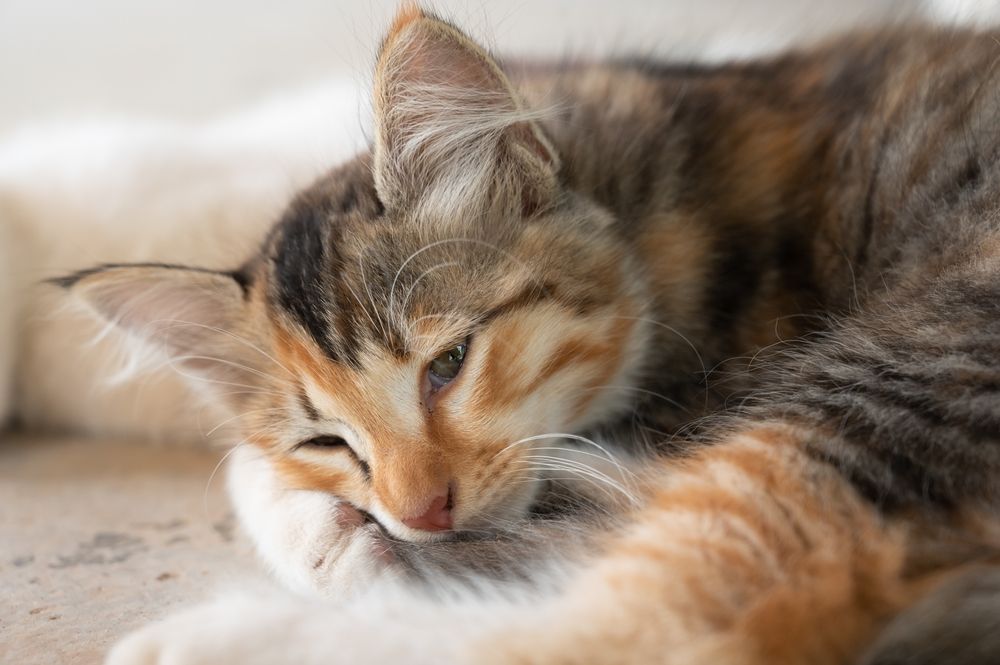
Any cat owner knows that cats are interesting and peculiar creatures. Most march to the beat of their own drum, and sometimes, it’s hard to decipher a cat’s feelings and emotions. Cats are masters of hiding when they’re sick, but...

sad, bored or sick cat

Do Antibiotics Make Cats Sleepy? Vet-Reviewed Side Effects of Antibiotics

Antibiotics are one of the most effective ways to fight infections and have been used for more than 50 years by veterinarians. While they can help your cat recover from many different ailments, they’re not without their downsides including potential...

Veterinarian giving injection to cat

Can Cats Eat Oreos? Vet-Approved Nutritional Facts

You’re dunking your favorite cookie—an Oreo—into a glass of milk and your feline is staring you down. As their eyes of curiosity check out what you have, you might wonder if you can give them a little sample. We all...

Can Cats Eat Oreos

Love Cats? So Do We! Join the Catster Community

Stay informed with expert pet care insights delivered straight to your inbox! Discover professional guidance on animal behavior, feeding tips, trusted product picks, and much more.


Sign up for the Catster Email Newsletter

Stay informed with expert pet care insights delivered straight to your inbox! Discover professional guidance on animal behavior, feeding tips, trusted product picks, and much more.